The design of Bulgaria’s euro coins and how it was chosen
The Madara Rider, St Ivan of Rila and Paisiy Hilendarski – why the BNB kept the symbols of the lev coins
BulgarianCoins editorial team 3 min read
Every euro coin has two sides: a common side, the same for the whole euro area, and a national side chosen by each country. The common side is the work of Luc Luycx of the Royal Belgian Mint. The national side of Bulgaria’s euro coins tells something Bulgarians already know from their pockets.
The three motifs
According to the European Central Bank, Bulgaria chose three designs:
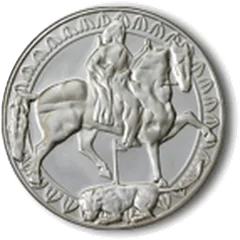
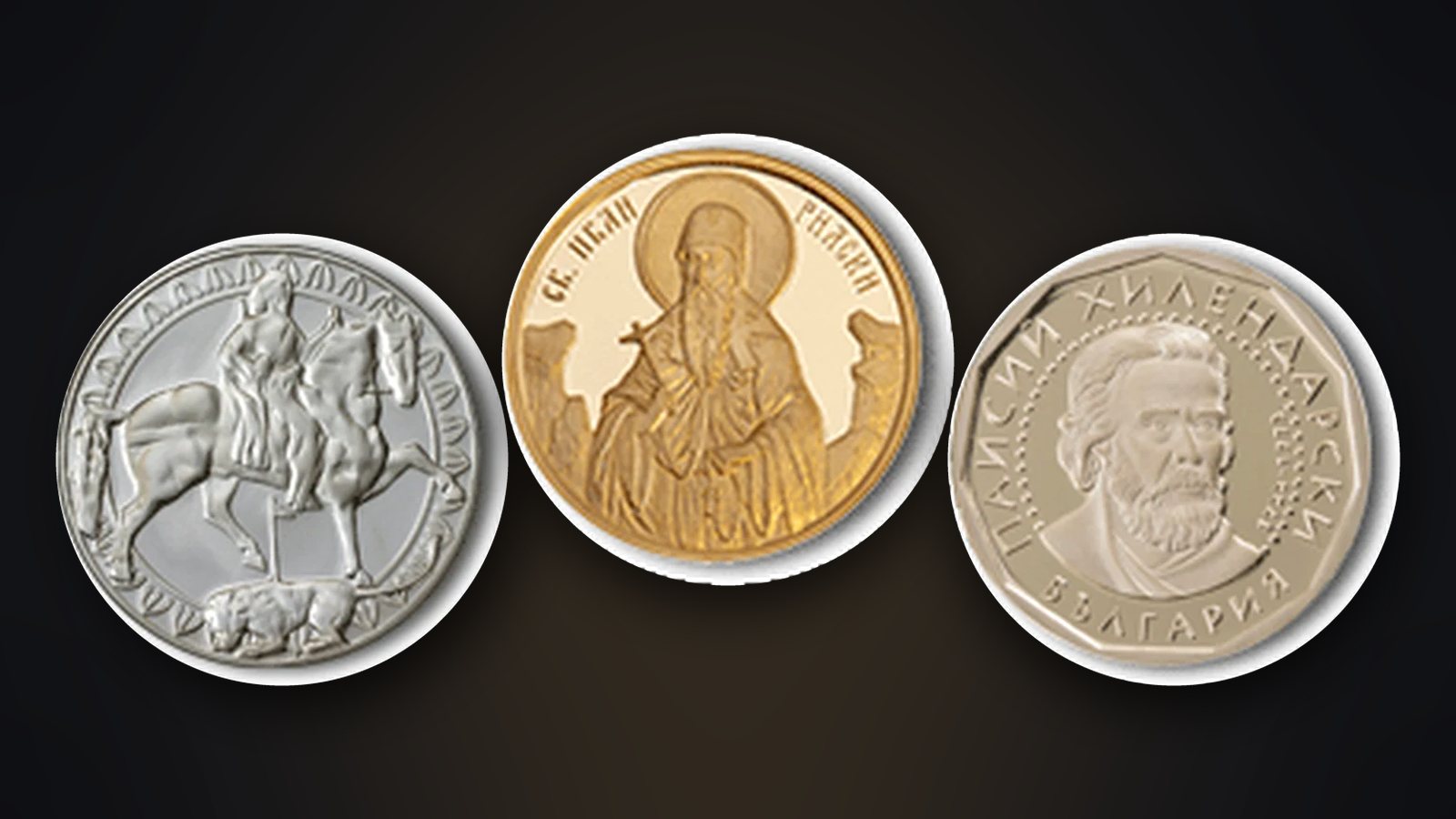
- 1, 2, 5, 10, 20 and 50 cent – the Madara Rider. The 8th-century rock relief near Madara, inscribed on the UNESCO World Heritage List. The rider faces right and spears a lion.
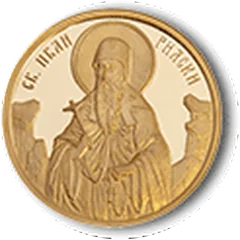
- 1 euro – St Ivan of Rila. The patron saint of the Bulgarian people and founder of the Rila Monastery, shown with a cross and a scroll.
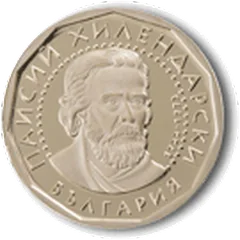
- 2 euro – Paisiy Hilendarski. The author of the “Slavonic-Bulgarian History” (1762) and a symbol of the Bulgarian National Revival.
All coins carry the twelve stars of the European flag, the year of issue, the inscription “БЪЛГАРИЯ” (Bulgaria) and the word “ЕВРО” (euro) in Cyrillic. The edge of the 2-euro coin carries the inscription “БОЖЕ ПАЗИ БЪЛГАРИЯ” (God protect Bulgaria) (BNR).
Why the same symbols
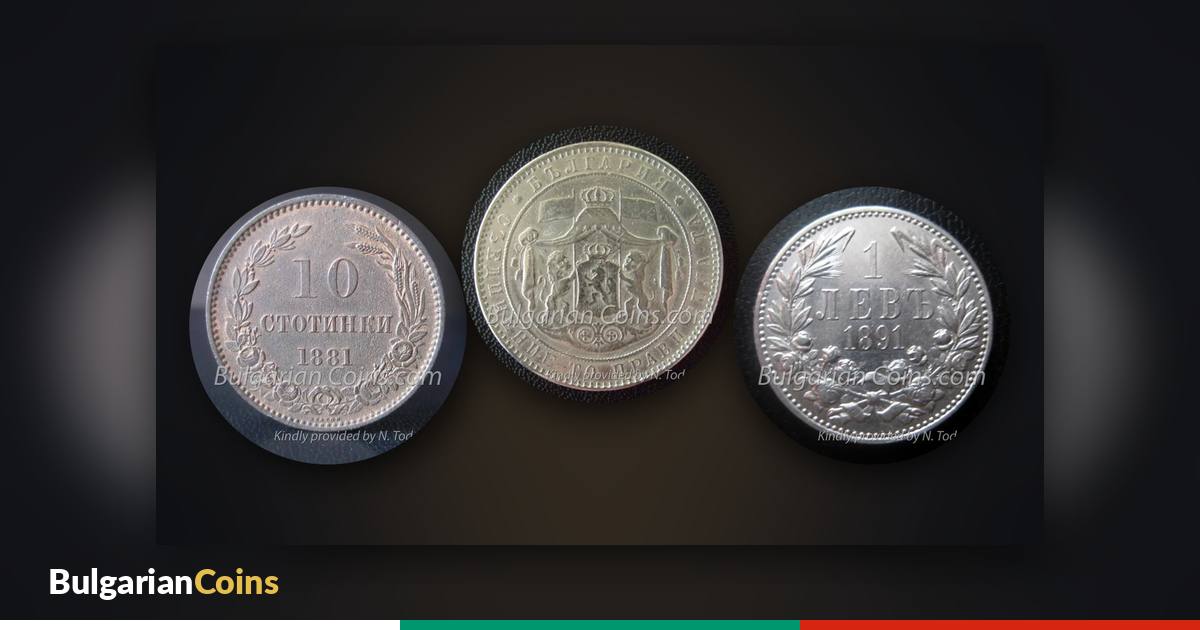
The BNB did not announce a new competition. Instead, it reproduced the design of the last Bulgarian circulation coins: the Madara Rider from the stotinki, St Ivan of Rila from the 1-lev coin and Paisiy Hilendarski from the 2-leva coin. The reasoning is set out in the bank’s announcement: the symbols “are established and well received by citizens”, and the approach ensures continuity and easy recognition during the changeover (BNB).
The artistic designs were produced by the Bulgarian Mint (Monetni Dvor EAD), which also strikes the coins themselves.
How the approval went
The process took several years. Its timeline is published on the official site evroto.bg:
- 6 December 2022 – a memorandum between Bulgaria, the euro-area countries and the European Commission on preparing the production of euro coins.
- 20 July 2023 – the BNB Governing Council adopts a procedure and mandatory design elements.
- 2 November 2023 – the BNB Governing Council approves the design for all denominations and the edge inscription of the 2 euro.
- 16 November 2023 – the Coordination Council for preparing for the euro area adopts the design (BNB).
- January – February 2024 – the design is sent to the European Commission and the euro-area countries and is approved by a decision of the Council of the EU.
- 9 April 2025 – the BNB approves the final artwork. The only change is the year of issue – “2026”.
What this means for collectors
- The first year. The 2026 coins are the first Bulgarian euro coins. Uncirculated sets and starter kits from this year are the natural start of a new collection.
- Continuity with the lev coins. Comparing the last stotinki with the Madara Rider and the new cents makes a wonderful display theme – the same motif in two currencies.
- BNB commemorative coins are now also in euro. The first collector coins of 2026 – such as “125 Years of the Electric Tram in Bulgaria” and “St Ivan of Rila” – open the new chapter of the catalogue.
In the image: the Madara Rider on a 1981 commemorative coin, St Ivan of Rila on the 2026 gold coin and Paisiy Hilendarski on the 2022 “Two Golden Levs” coin.