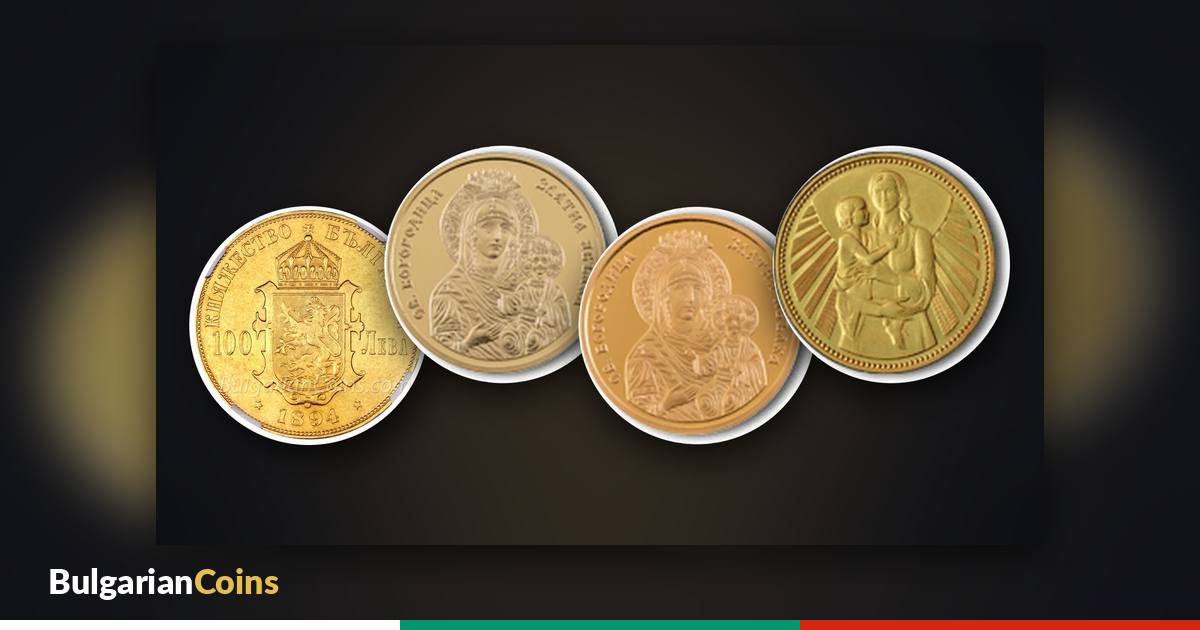
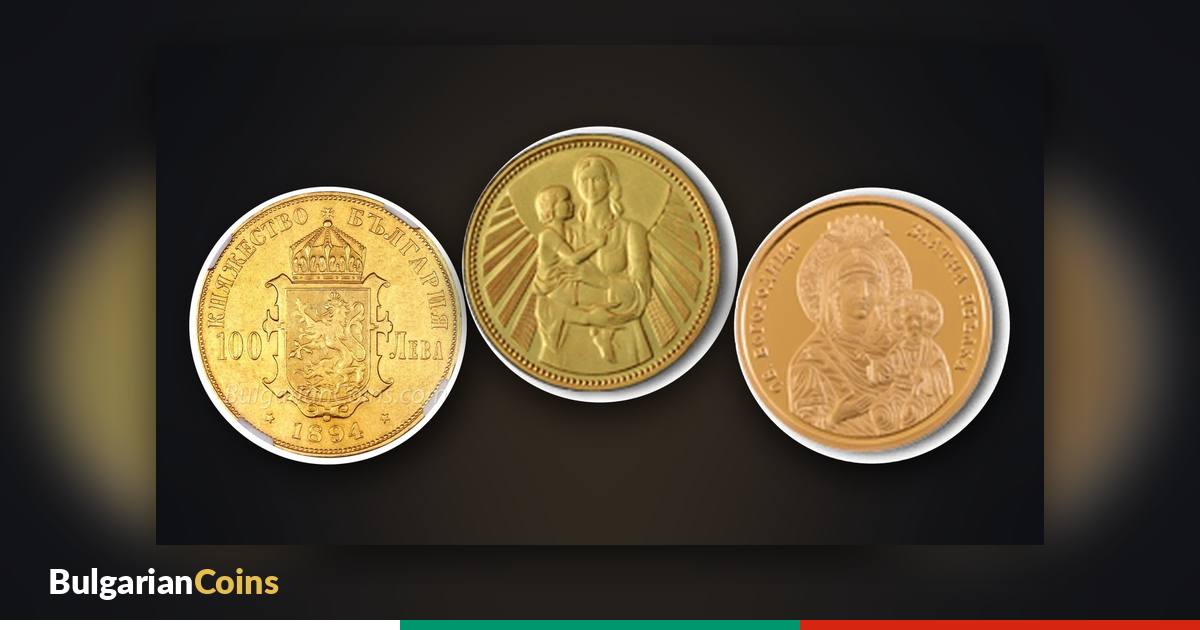
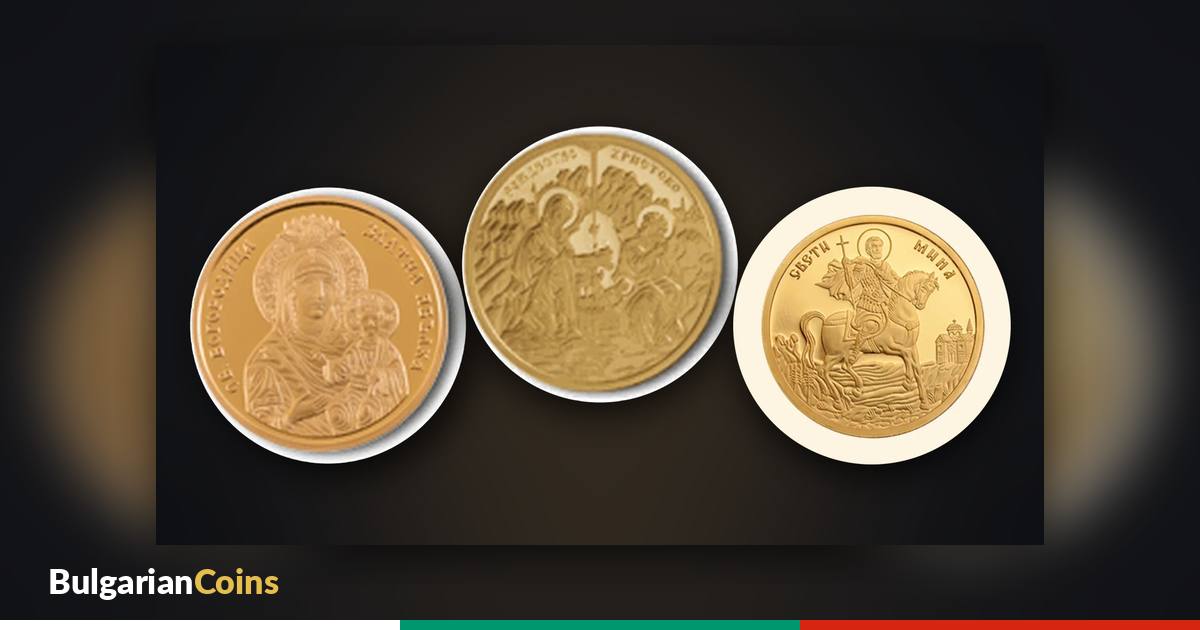
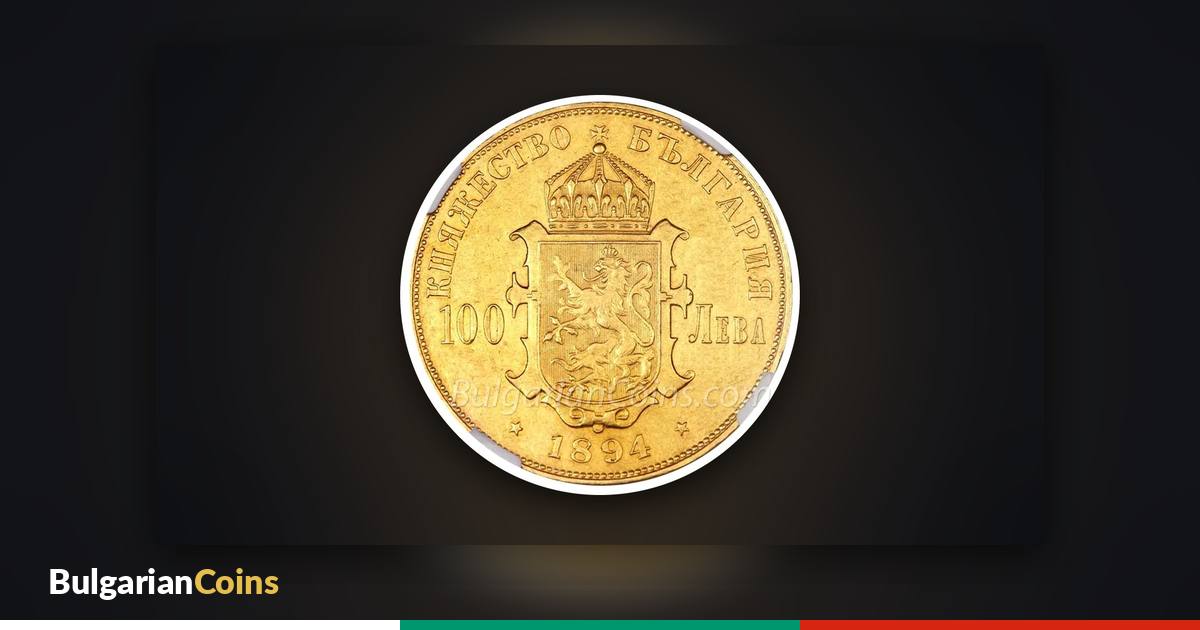
From the 1894 100 leva to the “Golden Apple” – the ranking by current listings and the reasons behind each price
A ranking of the most expensive Bulgarian coins by current asking prices on Balkan Auction, from the 1894 gold 100 leva to the Golden Apple series, with the mintage, metal and reasons behind each price.
Why a low mintage is not the whole story: how mintage, the number of surviving coins and collector demand together determine rarity, with examples from the BulgarianCoins catalogue.
The lowest-mintage modern BNB coins since 1997 – from the 250-piece Golden Apple gold coins to the 2,000-piece copper and silver issues – how quickly they sold out at the BNB counters and how their prices developed.
The main types of minting errors – off-centre strikes, double and multiple strikes, clipped planchets, broadstrikes, die cracks and cuds, brockages and wrong planchets – how they happen, what they are worth and how to tell them from post-mint damage.
Why most “error coins” found in change are not mint errors: post-mint damage, wear, environmental and chemical damage, plating and deliberate alteration – with a simple checklist to tell real errors from false alarms.
Mules (coins struck with mismatched dies) and wrong-planchet errors explained: how they happen, how to recognise them by weight, diameter and metal, why they are among the rarest errors, and how to avoid fake “errors” made after minting.
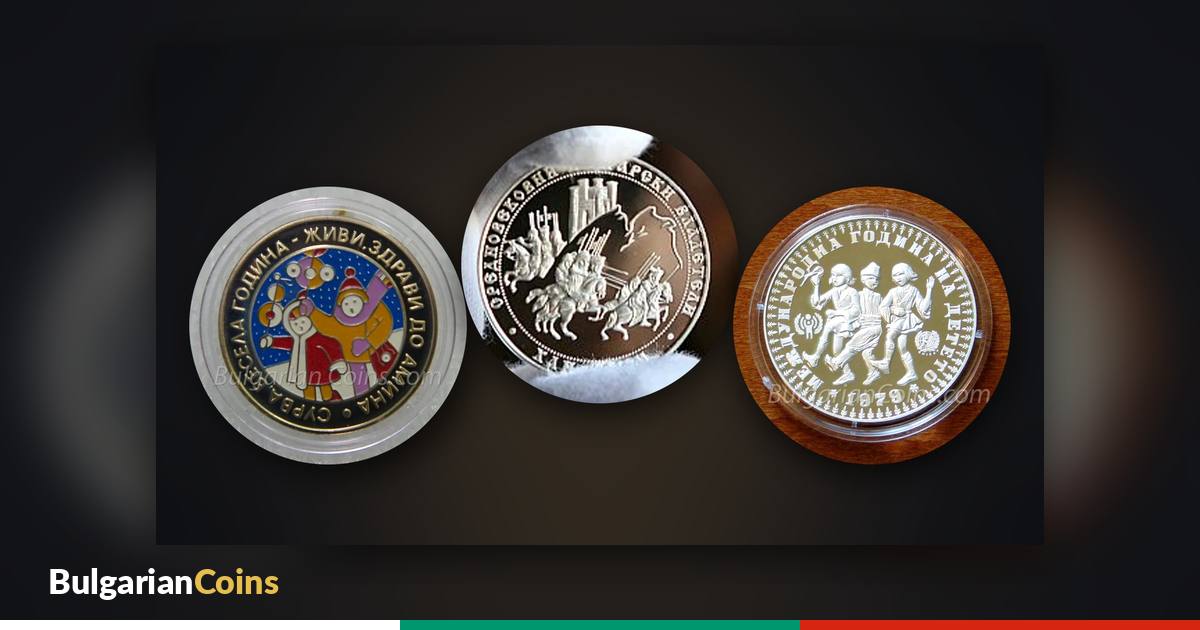
A complete overview of special-finish BNB coins: silver coins with partial gilding (from 2004), the two piefort issues (1979 and 2004) and the coloured coins of the Bulgarian Customs and Crafts series (2002–2012), with mintages and prices.
Patterns, trial strikes and specimens explained: why mints make them, how they differ from circulation coins (metal, design, “ПРОБА” or “SPECIMEN” marks), why they are rare and expensive, and how to avoid fakes and misattributions.
The official BNB restrikes of the 1912 gold 20 and 100 leva, struck in 1967–68 in 2,950 and 1,000 pieces: how to tell them from the originals (edge lettering, relief, proof surfaces), and how their prices compare.
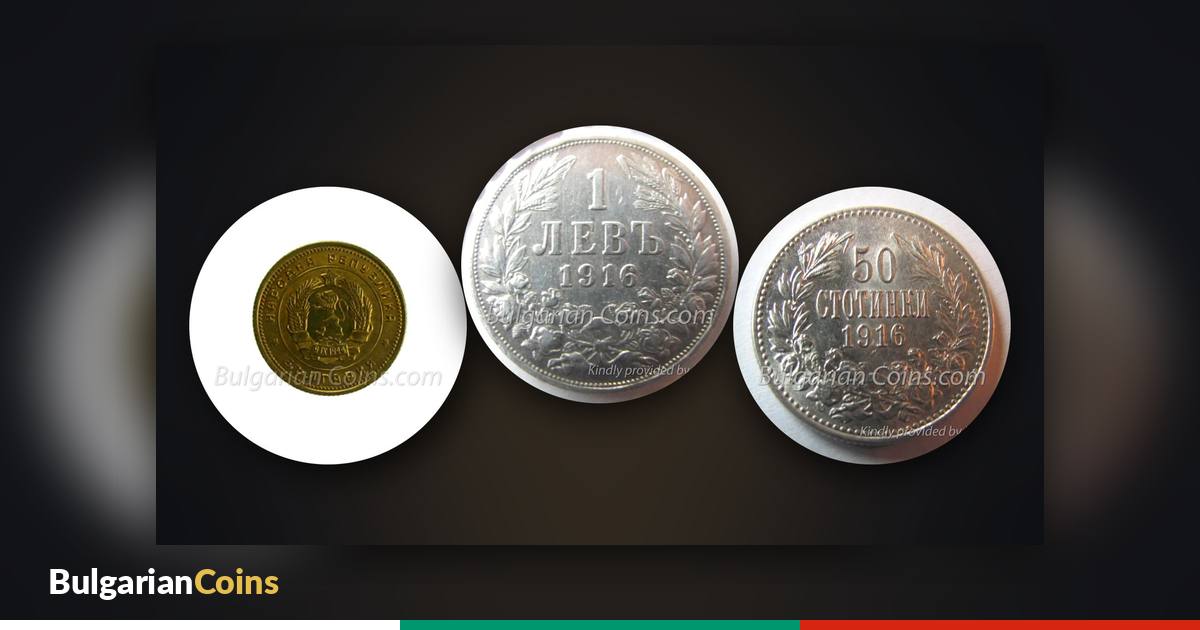
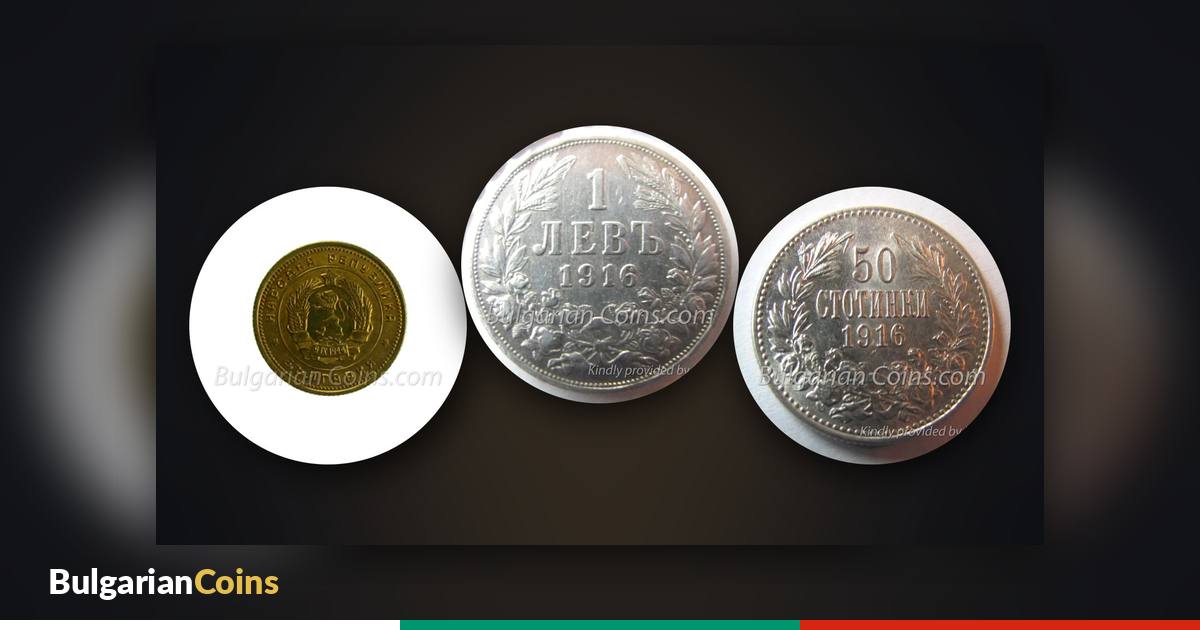
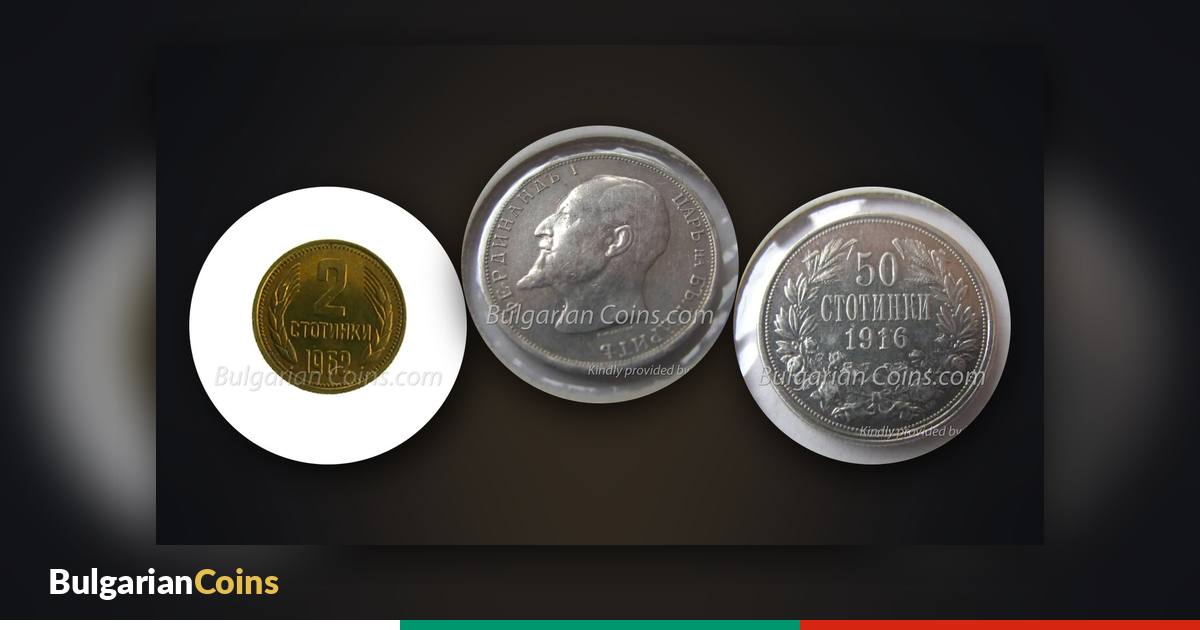
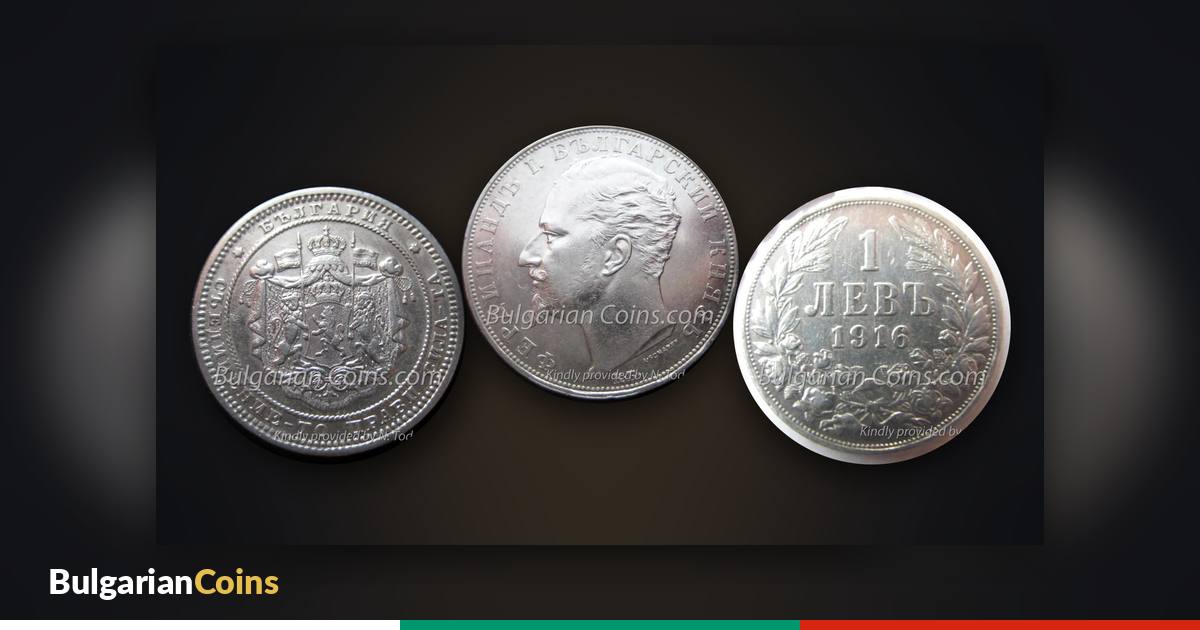
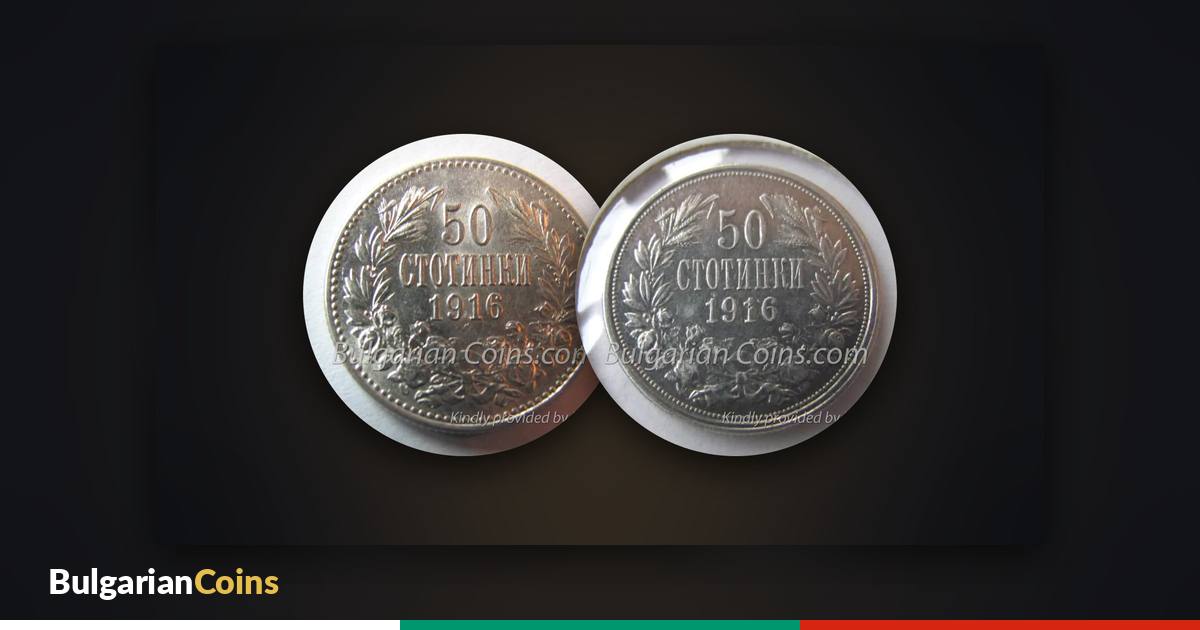
Die varieties on Bulgarian coins: the 1916 50 stotinki with large and small dotted rims, the 1925 coins with and without the Poissy thunderbolt mint mark, the 1923 aluminium coins from two mints and the 1912 restrikes – how to recognise them and why prices differ.
Error coins – reversed backs, double strikes, wrong edges – can be worth up to 200,000 times their face value. Famous Bulgarian error coins and how they happen.