What makes a Bulgarian coin rare? Mintage, survivors and demand
Why a small mintage is not everything and how three factors together determine rarity and price
BulgarianCoins editorial team 3 min read
“How many were struck?” is the first question anyone holding an old coin asks. Mintage really does matter, but it is not the only answer. Two coins with the same mintage can have very different rarity and price. Rarity is determined by three factors acting together: mintage, surviving examples and demand.
1. Mintage
Mintage is the number of coins struck. It is the starting point. Examples from our catalogue:
| Coin | Metal | Mintage |
|---|---|---|
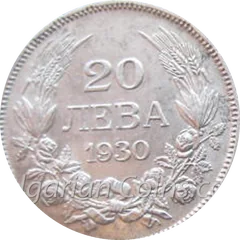
| 20 leva 1930 | Ag 500/1000 | 10,015,982 |
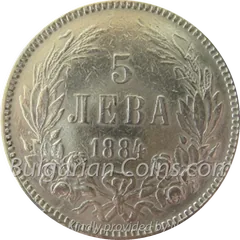
| 5 leva 1884 | Ag 900/1000 | 512,473 |
| 100 leva 1912 | Au 900/1000 | 5,000 |
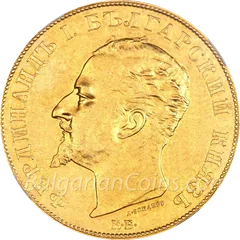
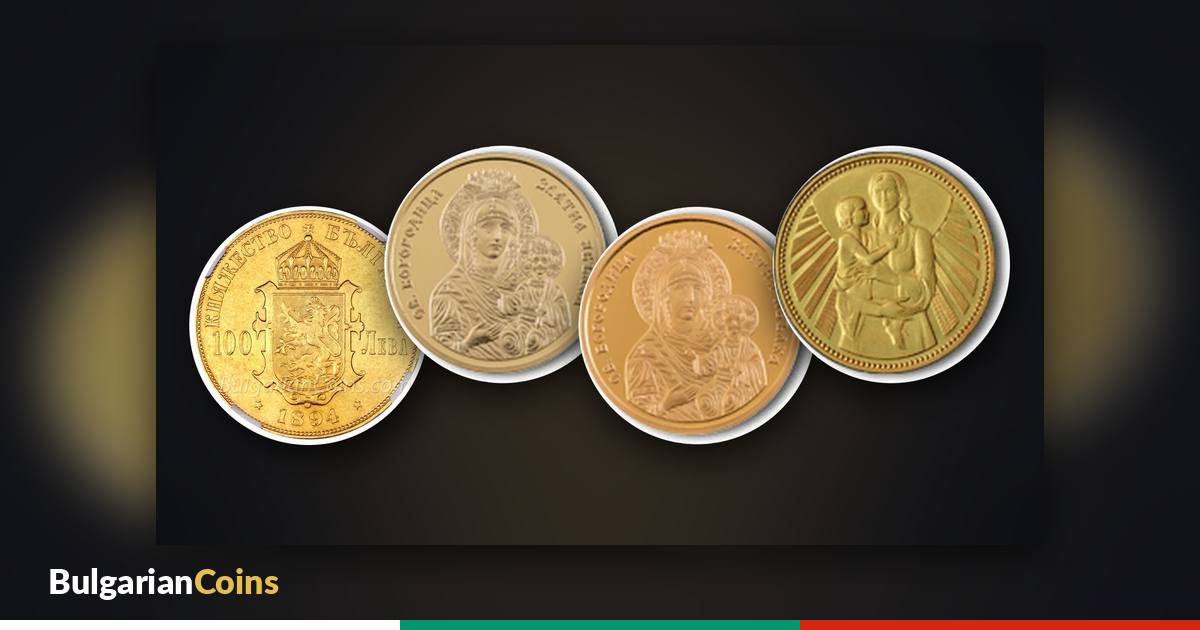
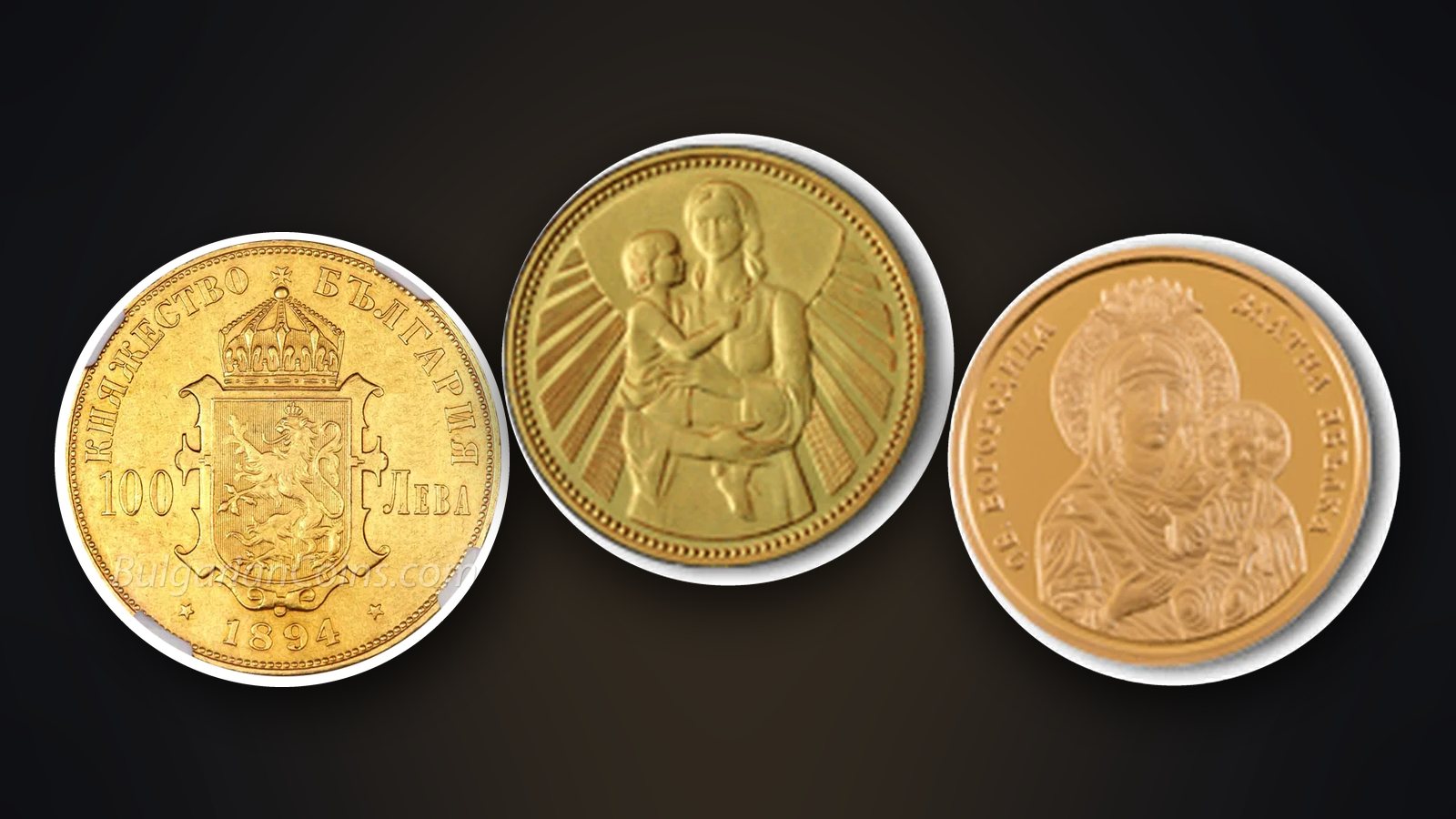
| 100 leva 1894 | Au 900/1000 | 2,500 |
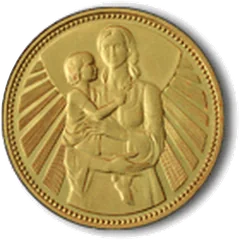
| 1000 leva “Mother and Child” 1981 | Au 900/1000 | 2,000 |
| 50 leva “Golden Apple” 2025 | Au 999/1000 | 250 |
The difference is huge – from over 10 million to 250 pieces. But mintage tells you how many coins were struck, not how many exist today.
2. Surviving examples
A lot happens between striking and today:
- Melting. Silver and gold coins were often melted down when the value of the metal exceeded the face value, or during monetary reforms.
- Wear and loss. Circulation coins wear out, get lost, end up in the ground.
- Withdrawal from circulation. When the monetary system changes, part of the mintage returns to the central bank and is destroyed.
That is why common old coins in excellent condition are sometimes rarer than modern coins with small mintages. A modern proof coin of 2,000 pieces has almost always survived intact, in its capsule. Whereas of a coin from 1884 with a mintage of half a million, few examples may have survived without wear.
3. Condition
Rarity always refers to a specific condition. The silver 5 leva of 1884 or 1885 in worn condition can be found without much difficulty. The same coins in uncirculated condition are rare and cost many times more. More in the article Coin grades.
4. Demand
Rarity alone does not make a coin expensive. It also takes buyers who want it.
- Popular themes and periods. The coins of the Principality and the Kingdom, Ferdinand’s gold coins, and Olympic and religious themes have a wide circle of collectors.
- Series collectors. When many people need one coin to complete a series, its price rises.
- International demand. Gold and silver coins are also sought by investors who watch the price of the metal.
A coin with a very small mintage but a theme that interests few people may remain relatively cheap. A coin with a large mintage but high demand in excellent condition can be expensive.
Modern coins with small mintages
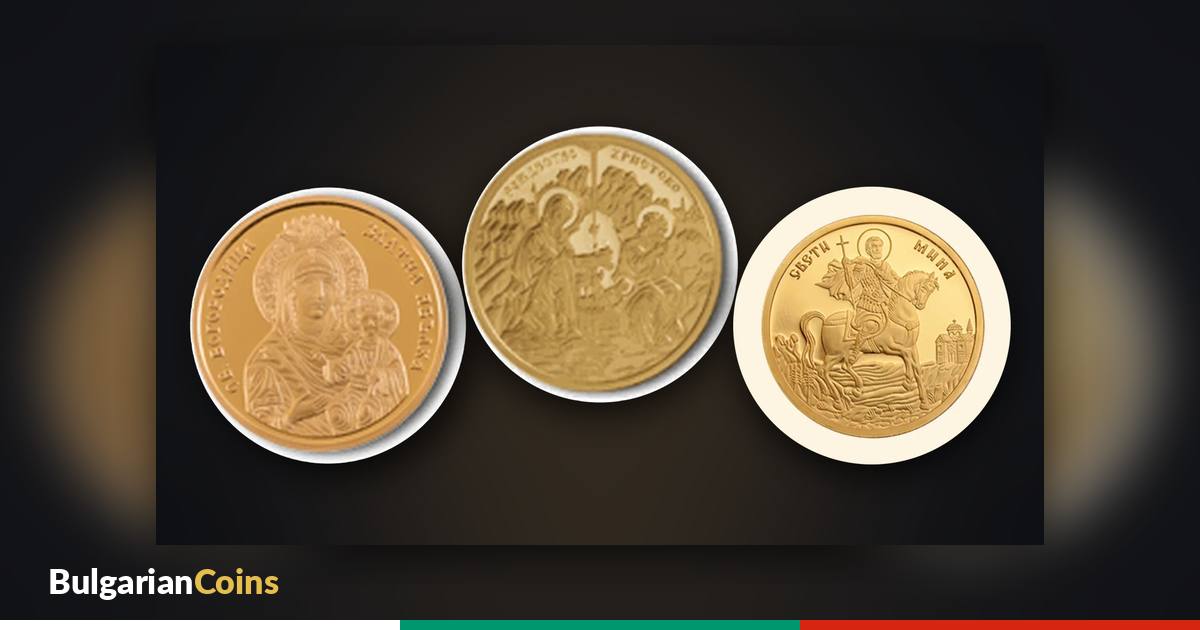
The BNB’s modern coins have small mintages: usually 2,000 to 6,000 pieces for silver and gold coins. The market reacts quickly. Coins that sell out in the first days of sale often trade above the issue price. With them, rarity is known from the very beginning – the mintage is announced, and almost all the coins have survived. Then demand is the main factor in the price.
Beware of “rare” in listings
“Rare” is the most abused word in coin listings. Before paying a premium, check:
- The mintage of the coin in the catalogue.
- The condition – whether it is rare in this condition or at all.
- Comparable sales – the prices at which similar coins actually sell, not the prices at which they are listed.
- Authenticity – rare coins are counterfeiters’ most frequent target. See The most counterfeited Bulgarian coins.