Coin grades explained: G, VF, XF, AU, UNC and proof
What the abbreviations in catalogues and listings mean and how condition changes the price
BulgarianCoins editorial team 3 min read
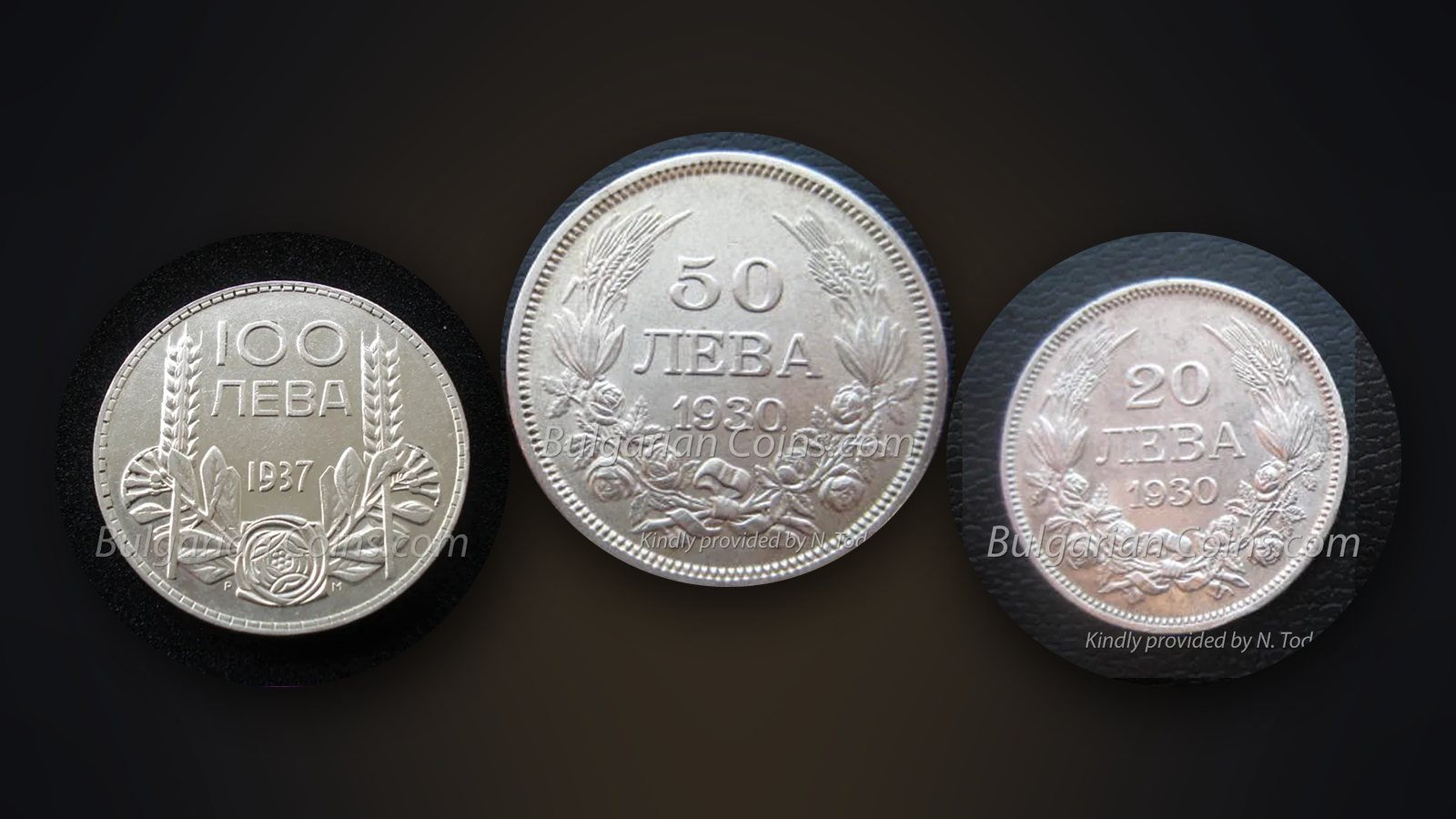
Two coins of the same year and the same face value can have prices that differ tens of times over. The reason is almost always the grade – how worn the coin is and what its surface looks like. In listings it is marked with abbreviations that look like a code to a beginner.
The scale in brief
Internationally the English abbreviations are used. American grading companies link them to the numerical Sheldon scale from 1 to 70.
| Grade | English | Sheldon | What it looks like |
|---|---|---|---|
| P / FR | Poor / Fair | 1–2 | Barely recognisable, heavily worn |
| AG | About Good | 3 | The year and face value are hard to read |
| G | Good | 4–6 | Heavily worn, but all main elements can be made out |
| VG | Very Good | 8–10 | Worn, some details are visible |
| F | Fine | 12–15 | Moderate wear, the relief is clear |
| VF | Very Fine | 20–35 | Light to moderate wear on the highest points |
| XF / EF | Extremely Fine | 40–45 | Minimal wear, almost all details are sharp |
| AU | About Uncirculated | 50–58 | Traces of wear only on the highest points |
| UNC / MS | Uncirculated / Mint State | 60–70 | No wear; the differences are in scratches and lustre |
| BU | Brilliant Uncirculated | usually 63+ | Unused, with full mint lustre |
| PF / PR | Proof | 60–70 | Special striking with a mirror background and frosted relief |
In Bulgaria you will also come across the Bulgarian descriptions “добро” (good), “много добро” (very good), “отлично” (excellent) and “нециркулирала” (uncirculated). They are not standardised, so always ask for photos.
How the grade is determined
The grader looks at three things:
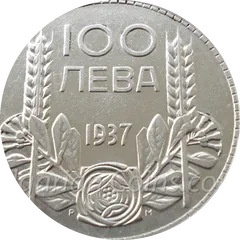
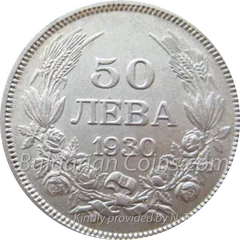
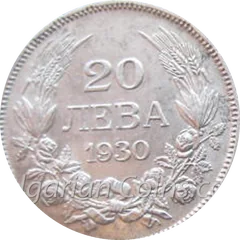
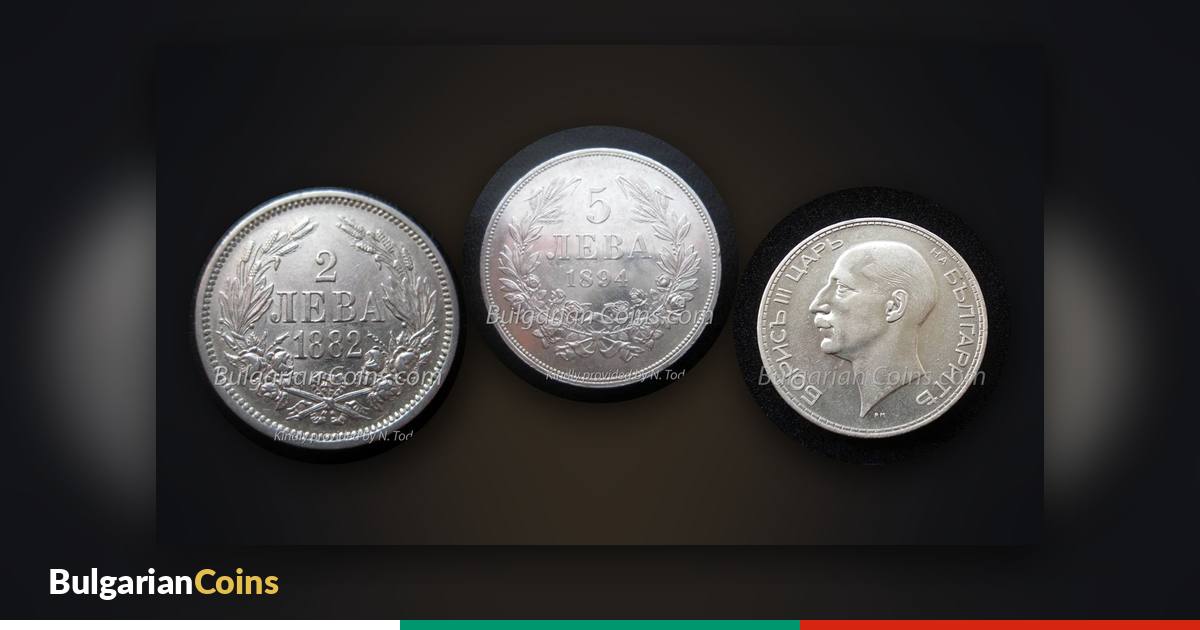
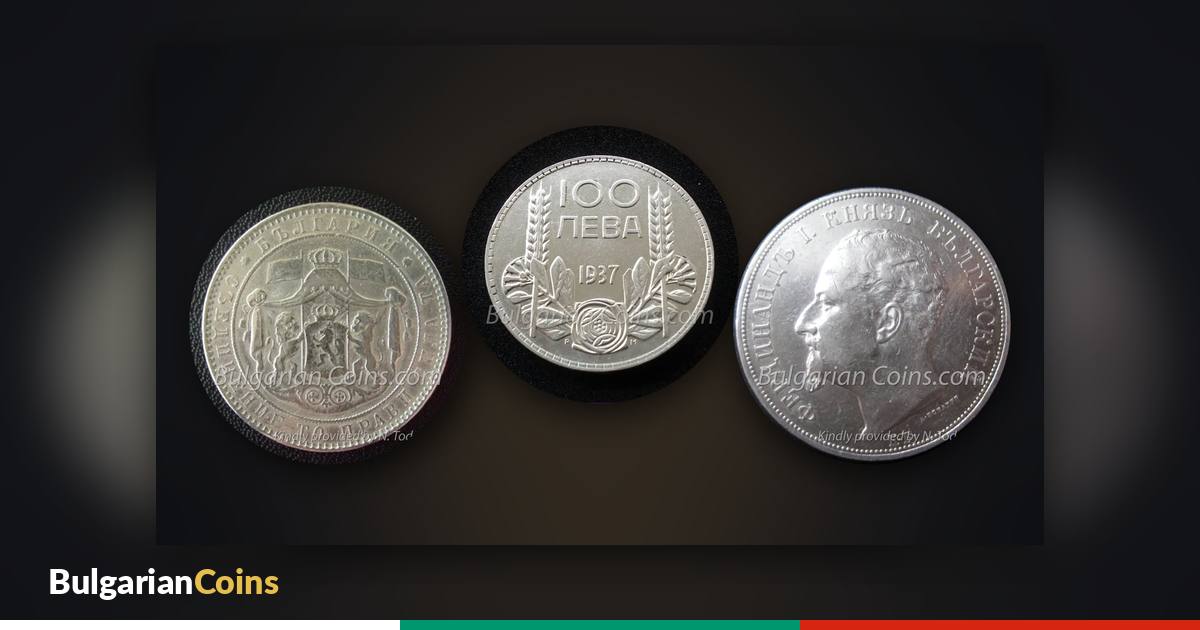
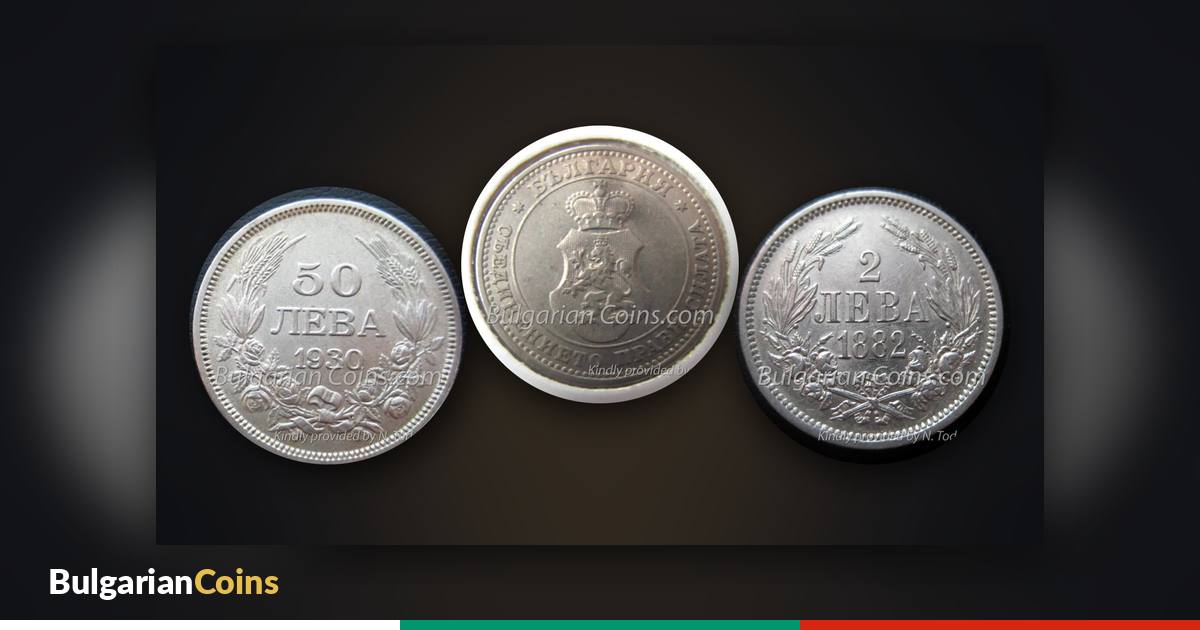
- Wear. The highest points of the relief wear first: on coins of the Kingdom – the hair and ear of the portrait, or the lion’s mane and the crown of the coat of arms. On the 20 and 50 leva of 1930 and the 100 leva of 1934 and 1937, look straight at the ears of wheat and the numerals of the face value.
- Lustre. An uncirculated coin has a characteristic “cartwheel” sheen when rotated under light. Cleaning destroys it – so a cleaned coin cannot be UNC, however much it shines.
- Contact marks. Scratches, knocks on the edge, bag marks from the mint. These separate the grades from 60 to 70.
Proof is not a grade of wear
Proof is a method of striking, not a grade. Proof coins are struck with polished dies, often several times, and have a mirror background and a frosted relief. Almost all BNB commemorative coins in “matt-gloss, highest” quality are like this. A proof coin can also be damaged – with a scratch, a fingerprint or a spot. That is why one speaks of PF 60 to PF 70 for proofs.
What the difference is worth
The price difference between grades is huge, especially for older coins. As a guide:
- with the common silver coins of 1930–1937, a coin in VF is often worth a little over the value of its silver, while the same coin in UNC can be worth several times more;
- with the coins of the Principality (1881–1908) the jump between XF and UNC is even bigger, because few examples have survived without wear;
- with modern BNB proof coins the difference is between “perfect in capsule with box and certificate” and “with spots or without box”.
How not to overpay
- Ask for photos of both sides in good light. If the seller shows only one side, or the photos are blurred, be sceptical.
- Compare several listings and our market prices. The same coin in a different grade has a different price. Compare only similar grades.
- Be careful with “UNC” in mass listings. Many sellers write UNC for coins that are XF or AU.
- For expensive coins – a certificate. NGC and PCGS grade coins on the Sheldon scale and seal them in a holder with a number that can be checked online.
The value of each coin also depends on its rarity. The type, mintage and specifications of every coin are in our catalogue.