Why copper and bronze are the most sensitive metals in a collection, how to recognise bronze disease (powdery light-green spots), and what to do: isolate, dry, and get specialist help for valuable pieces.
An honest review of home remedies for cleaning coins, from the safe (distilled water, pure acetone) to the destructive (baking soda, lemon, toothpaste, silver dip).
Why fingerprints damage coins, when to wear gloves, how to hold a coin by its edge and how to work safely over a soft surface – a practical guide for Bulgarian collectors.
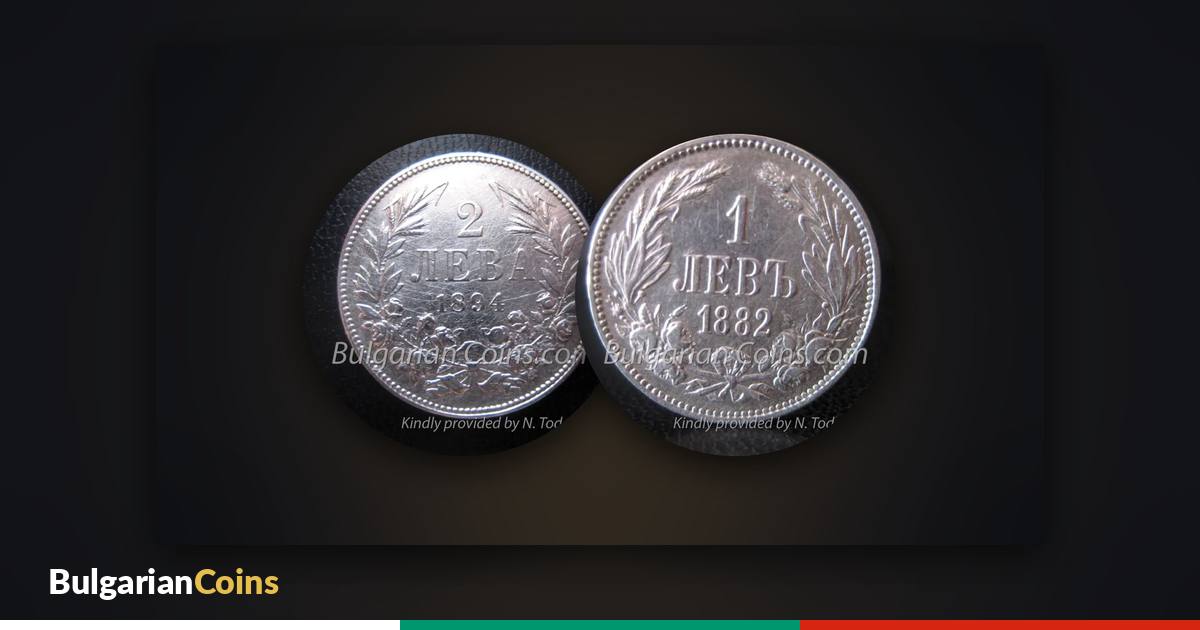
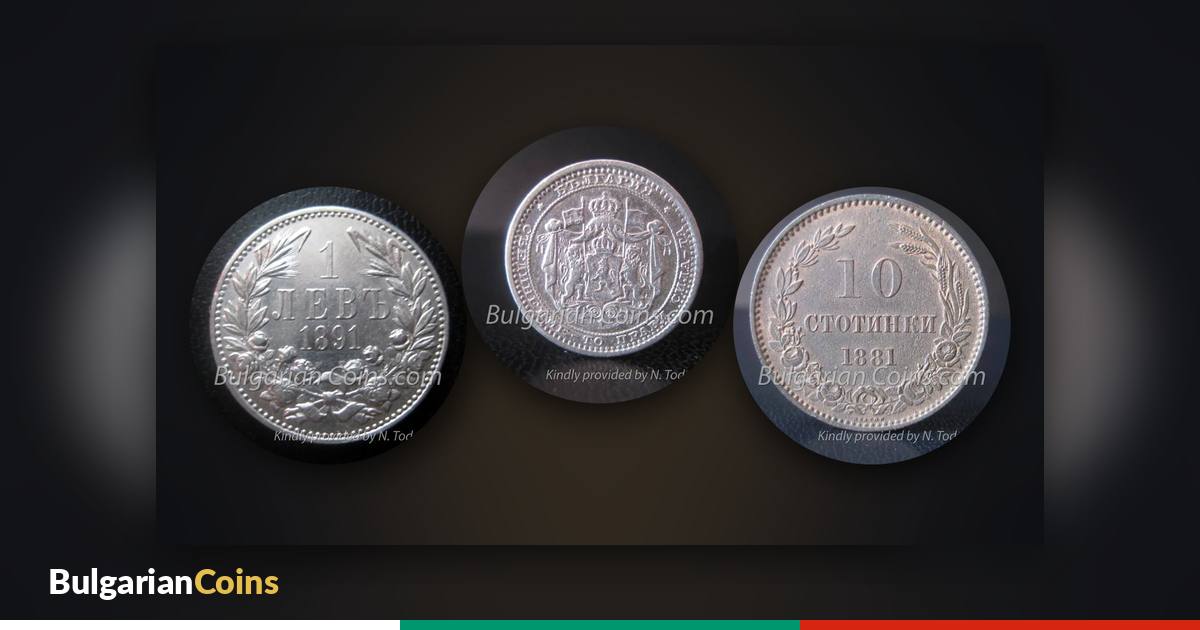
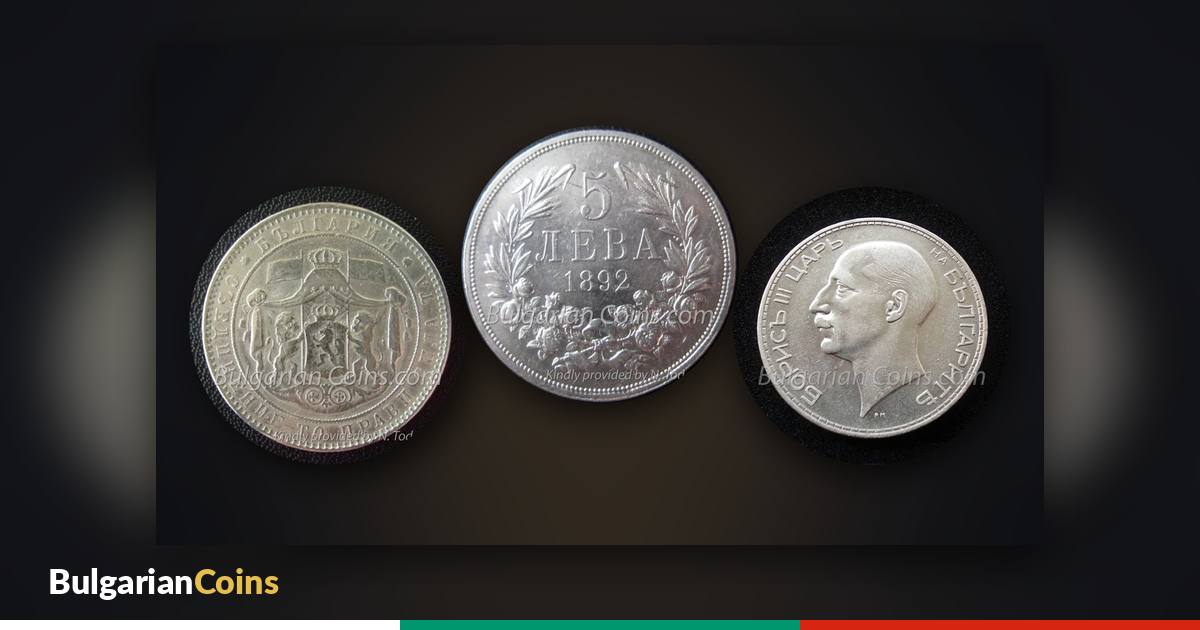
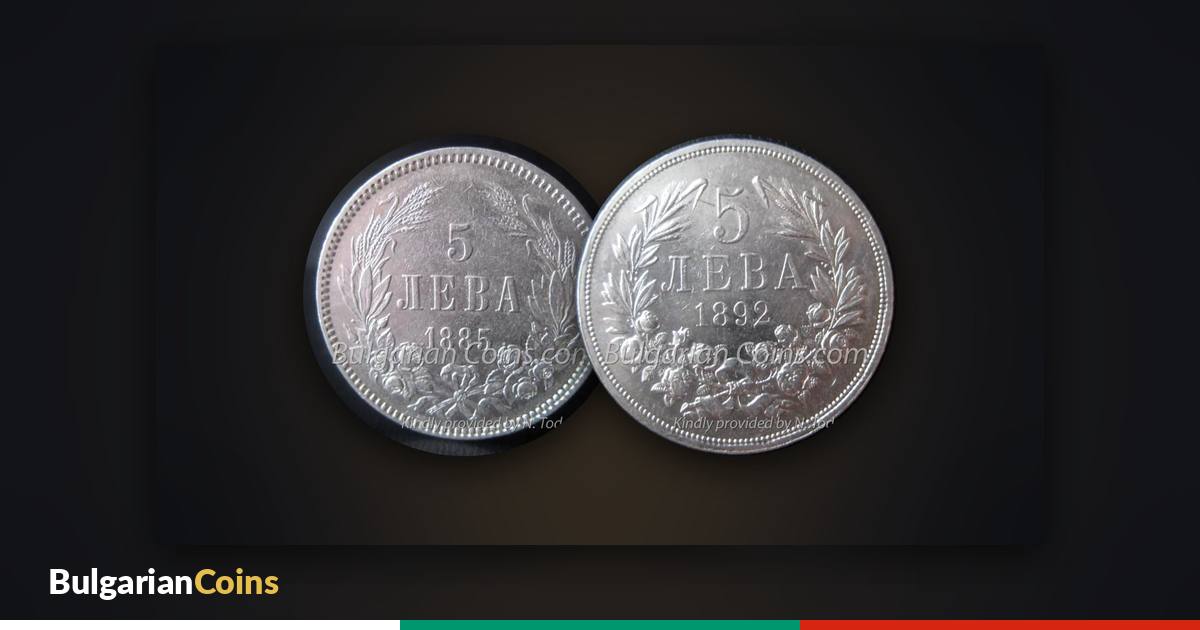
Five checks for spotting a cleaned or polished coin at a fair or from photos: luster, hairlines, colour, deposits in the recesses and the edge – with typical cases among Bulgarian silver coins.
Toning, spots, green and black deposits on Bulgarian coins: which colours are natural, which are damage, what a collector can safely do and when restoration does more harm than good.
How to tell attractive natural toning from spots, corrosion and artificial toning on silver and copper Bulgarian coins, and why collectors often pay more for an untouched patina.
Polishing, baking soda, toothpaste and silver dips remove metal and leave hairline scratches. Why a cleaned Bulgarian silver coin can be worth a fraction of an untouched one, with examples.
Where the green, sticky film on coins comes from, why PVC damage is permanent if left alone, and the step-by-step acetone method that removes it without touching the metal.
Why almost every attempt to clean a coin lowers its value, what collectors and dealers look for, and the few cases where careful cleaning is justified.