How to handle coins: gloves, edges and fingerprints
The cheapest way to protect the value of a collection is not to damage it with your hands
BulgarianCoins editorial team 3 min read
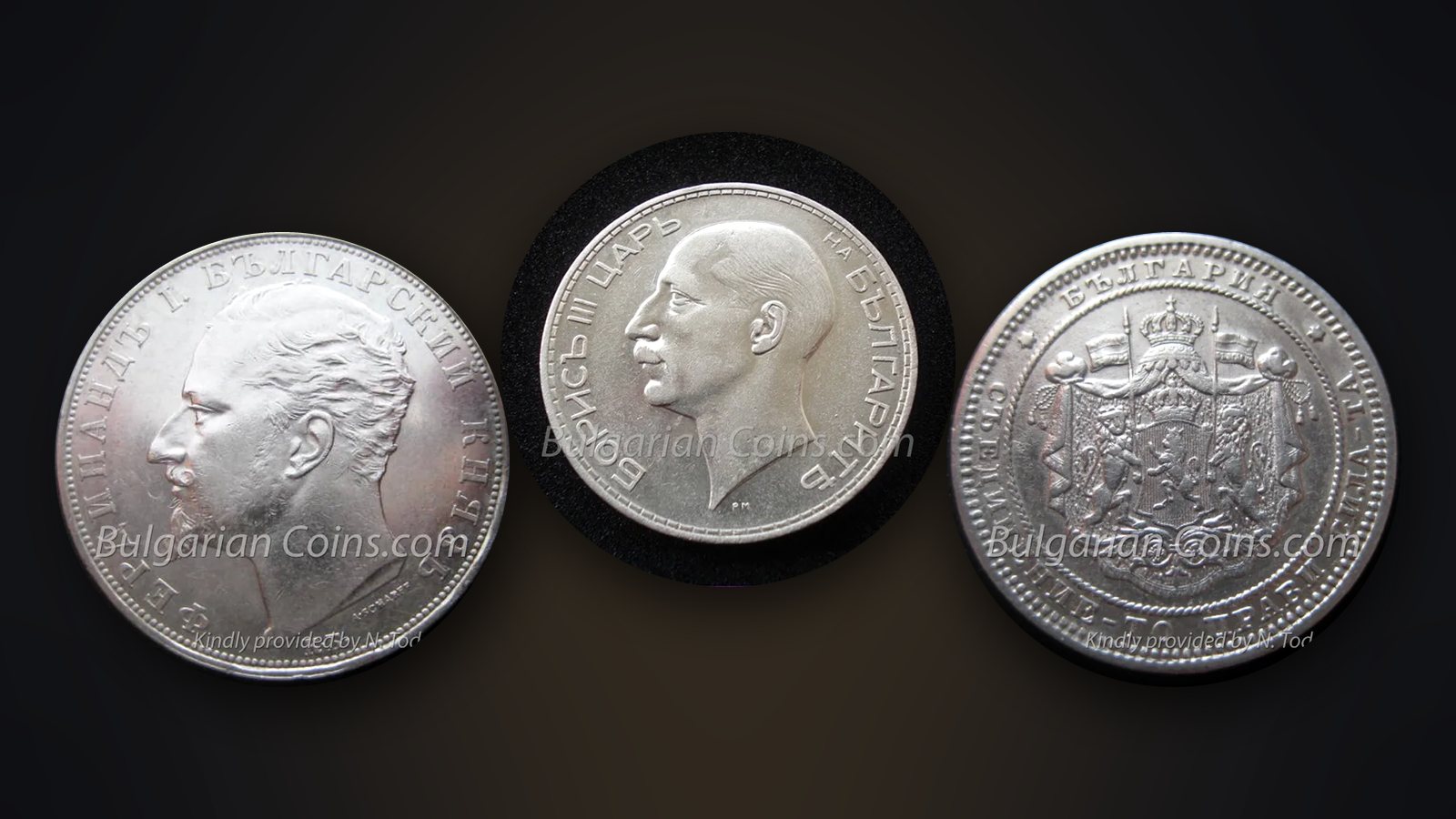
Most damage to coins in collections does not come from time, but from their owners. One careless touch on the face of a proof coin can leave a fingerprint that turns into a dark spot within a few months. It cannot be removed without damaging the surface. The good news is that proper handling costs nothing – it just has to become a habit.
Why fingers do harm
Skin releases oils, salts and moisture. On silver and copper they start a chemical reaction with the metal. At first nothing is visible, but after weeks or months a dark outline of the fingerprint appears. On coins with a mirror field – the BNB’s proof coins – even a light touch is visible immediately. On toned old coins, fingers disturb the natural tone and leave spots that show in photos.
The edge rule
A coin is held only by the edge, between thumb and forefinger. The obverse and reverse are not touched. If you need to turn the coin over, put it on a soft surface and pick it up again by the edge from the other side. Do not pass it from finger to finger.
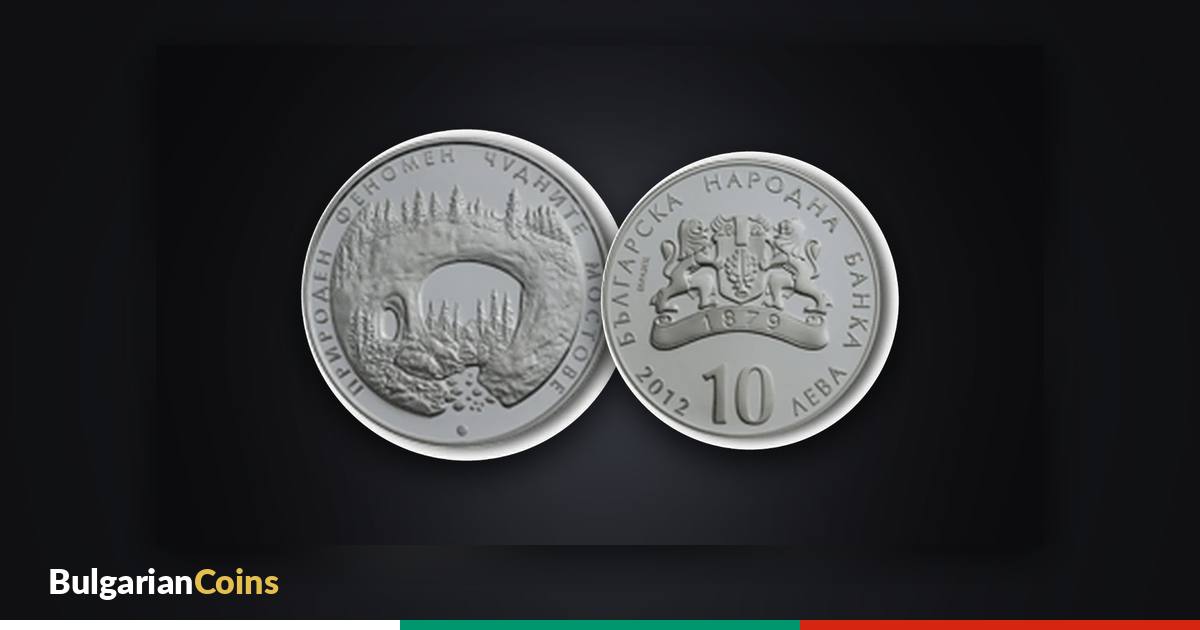
That is also why BNB coins are sold in capsules: the coin should reach you untouched. If you have no reason to take it out, do not take it out. For most purposes – inspection, photography, comparison – the capsule is enough. How to photograph a coin without taking it out is explained in How to photograph coins with a phone.
Gloves: yes, but the right ones
| Type | Suitable? | Note |
|---|---|---|
| Nitrile (powder-free) | Yes, the best choice | Thin, give a good feel, leave no fibres |
| Cotton | Yes, with a caveat | Slippery and they hold dust; the coin can slip |
| Powdered latex | No | The powder sticks, and some latex contains sulphur |
| No gloves | Only by the edge, with clean, dry hands | Wash and dry your hands first |
Gloves do not give you the right to touch the face of a coin. They protect against grease, but not against a scratch or dust stuck to a finger.
What to work over
Always work over a soft surface – a velvet pad, a folded cloth or a special numismatic mat. A coin dropped on tiles or glass gets a knock on the edge, and such knocks lower the grade considerably. Keep your distance when you talk over an open coin: droplets of saliva on a proof surface leave little dots that collectors call “breath spots”.
Habits that cost money
- Taking it out of the capsule “just for a moment”. Every removal risks a fingerprint or a knock.
- Passing a coin from hand to hand at a fair or meeting. Put it on the pad and let the other person pick it up.
- Rubbing it with a cloth to make it “look better”. That is cleaning and leaves micro-scratches. More on this in Should you clean coins.
- Sorting a pile on the table. The coins knock against each other and pick up “bag marks”.
If there is already a fingerprint
A fresh fingerprint on silver can sometimes be removed with dry, pure acetone – soaking, no rubbing. An old fingerprint that has already darkened has usually penetrated the surface and stays. If the coin is valuable, it is better to consult a specialist before trying anything. We explain the safe and dangerous remedies in detail in the article on distilled water, acetone and olive oil.
In short
Hold the coin by the edge, over a soft surface, with nitrile gloves or clean dry hands. Do not take it out of the capsule without need. These few rules preserve more value than any cleaning product.