Should you clean coins? The golden rule and its exceptions
Why almost every attempt to “freshen up” a coin devalues it – and in which rare cases cleaning is justified
BulgarianCoins editorial team 3 min read
The first thing many people want to do with old coins from the attic is to “freshen them up” – with toothpaste, baking soda, lemon or silver cleaner. The result is a shiny coin and, almost always, a cheaper coin. In numismatics there is one rule that holds in over 95% of cases: do not clean your coins.
Why cleaning lowers the price
The surface of a coin is a record of its history. During striking the metal acquires a characteristic “mint lustre” – a fine structure that reflects light in a particular way. Over the years a patina forms on it – a thin layer of oxides and sulphides which on silver gives shades from grey to bluish and golden, and on copper from brown to dark brown.
Every cleaning removes part of this record:
- Abrasives (toothpaste, baking soda, metal polish, an eraser) leave micro-scratches, visible under a loupe as fine parallel lines.
- Acids (lemon, vinegar, “silver cleaner”) eat into the surface and leave a matt, “white” or unnaturally pink colour.
- Polishing smooths the highest points of the relief – the hair, the beard, the letters – and the coin looks more worn than it is.
Collectors and dealers recognise cleaned coins in seconds. In catalogues and auctions such a coin is described as “cleaned” and usually sells for 30–70% below the price of an uncleaned example in the same condition. With rare coins the difference can be even greater.
What “dirt” really is
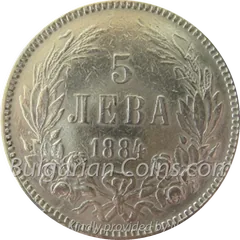
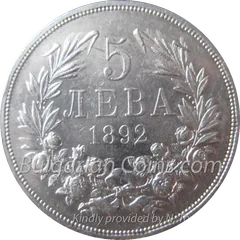
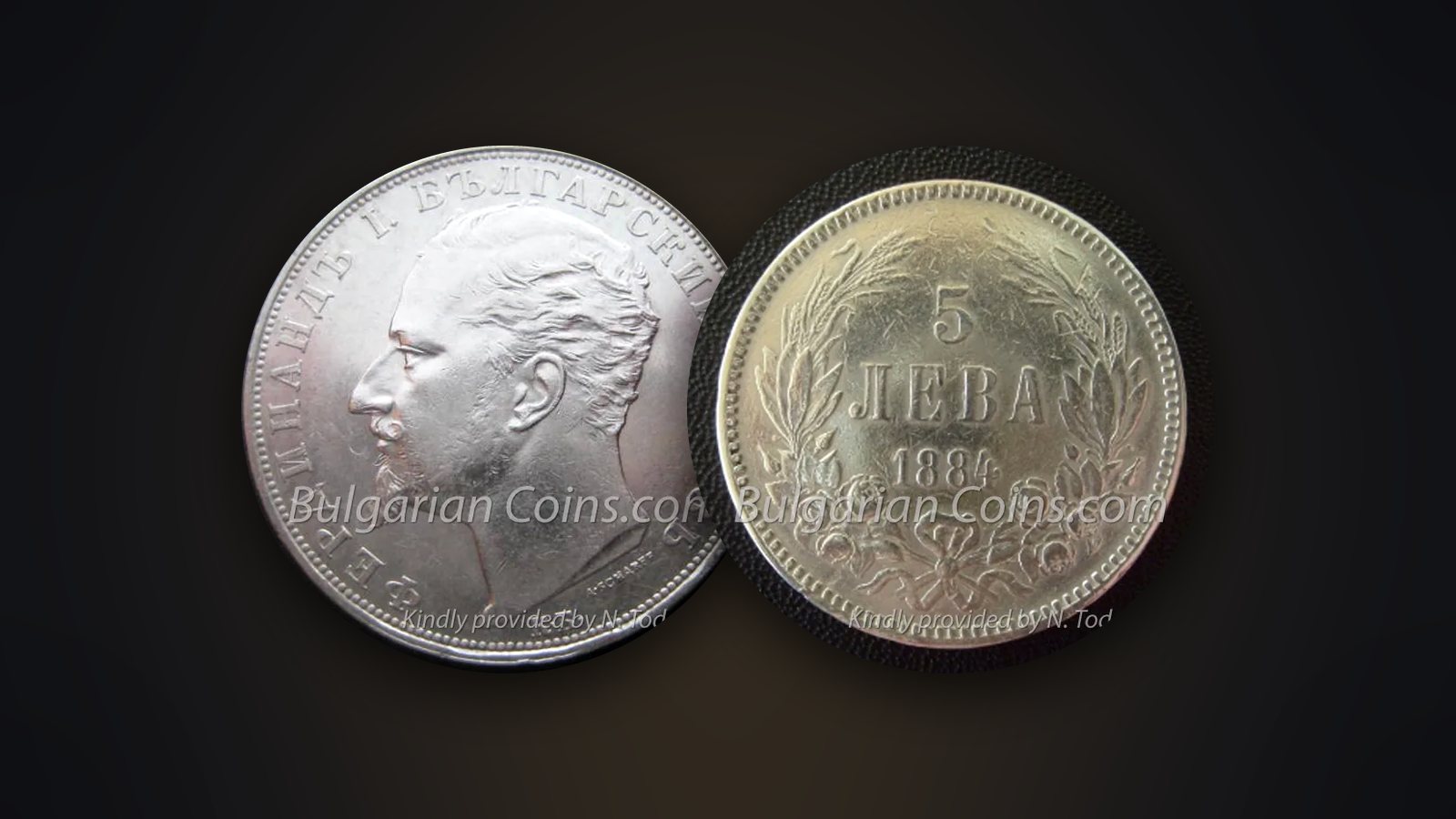
Much of what looks like dirt is in fact patina – and it is desirable. The dark, even patina of a silver 5 leva coin of 1884 or 1894 shows that the coin has not been touched and is genuine. Experienced collectors often pay more for beautifully toned coins than for brightly shiny ones.
Real dirt is something else: caked soil, grease, traces of glue or labels, green residue from PVC pouches. It can be removed without touching the metal – and this is where the exceptions come in.
The exceptions: when cleaning is justified
- Low-value coins with heavy dirt. If you have a pile of ordinary stotinki from the 1970s and 1980s that you want to arrange in an album, careful washing with warm water and mild soap will not harm a value that is minimal anyway.
- Finds with soil and deposits. Coins taken out of the ground are often covered in soil. Soaking in distilled water and careful rinsing is acceptable. Mechanically “cleaning off” the corrosion, however, is a job for a conservator. In addition, finds from the ground are subject to the Cultural Heritage Act.
- PVC and adhesives. The green, greasy coating from old PVC pouches eats into the coin over time and must be removed. Pure acetone is used, without rubbing – the details are in a separate article.
- Grease and fingerprints. Fresh fingerprints on a proof coin can leave spots. The sooner they are removed with a suitable solvent, the better. Better still, hold coins only by the edge.
In all these cases the principle is the same: you remove only the foreign substance, never the metal. You do not rub, you do not polish, you use nothing abrasive or acidic.
What to do instead
- Leave the coin as it is. If you are not sure, do nothing – an uncleaned coin can always be cleaned by a specialist, the reverse is impossible.
- Store it properly. PVC-free capsules or holders, a dry place without sudden changes in temperature.
- Ask before you act. Send a clear photo of both sides to a dealer, a club, or as a comment on the coin’s page in our catalogue.
- For valuable coins – only a professional. The grading companies NGC and PCGS offer professional conservation that removes harmful deposits without disturbing the surface.
A short rule to remember
If the coin has value, do not clean it. If it has no value, cleaning will not help it.
Before you reach for any product, check the coin in the catalogue – year, metal, mintage and condition. If it is a silver coin of the Principality or the Kingdom, it is almost certain that its value will be higher without cleaning.