Caring for copper and bronze coins: how to stop bronze disease
Why copper is the most temperamental metal in a collection and how to recognise and stop active corrosion
BulgarianCoins editorial team 3 min read
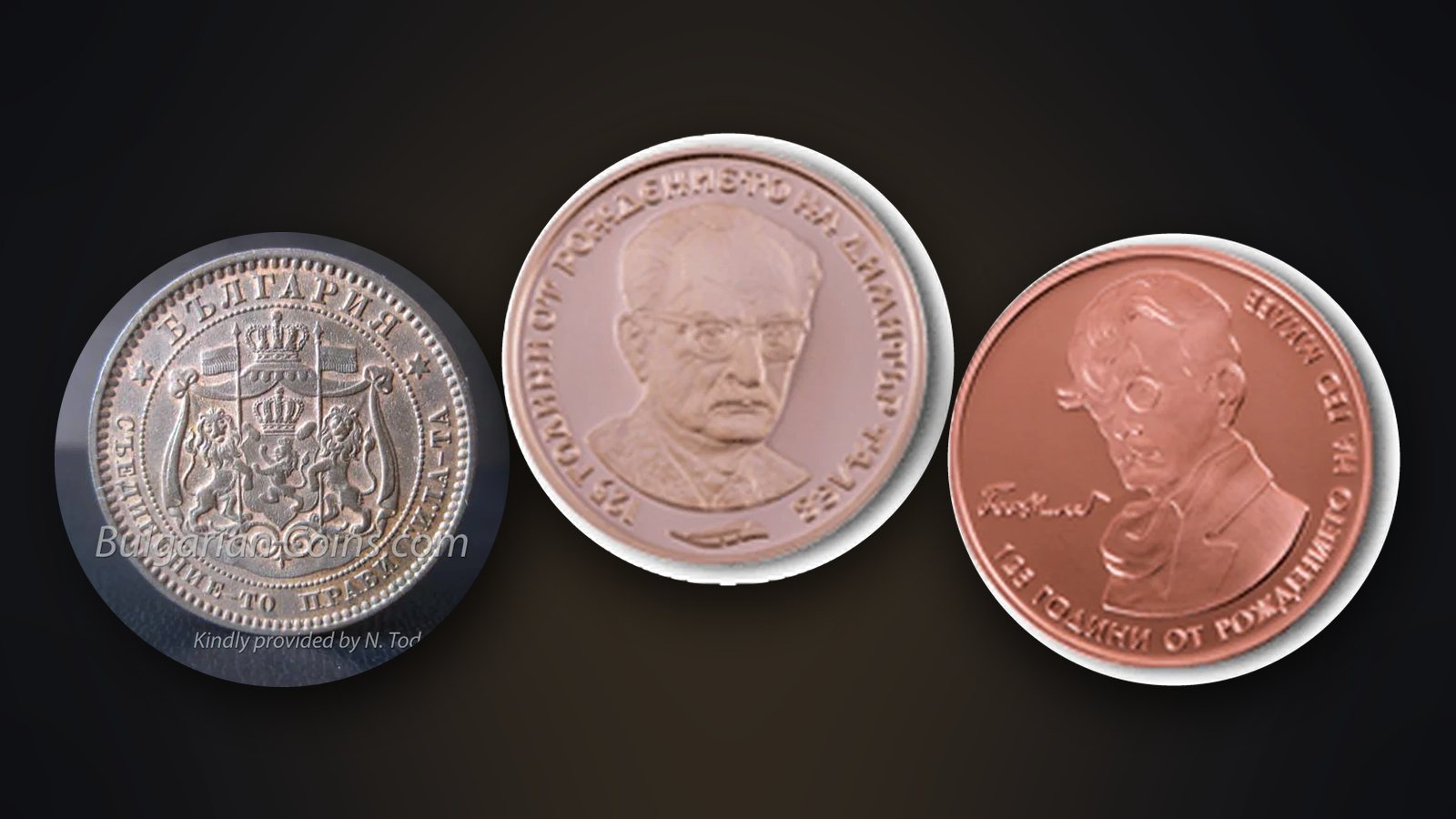
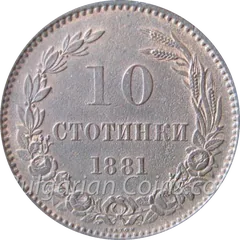
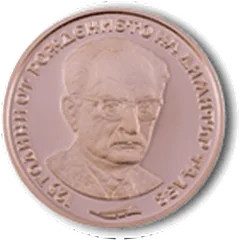
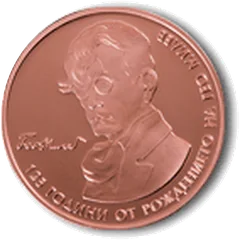
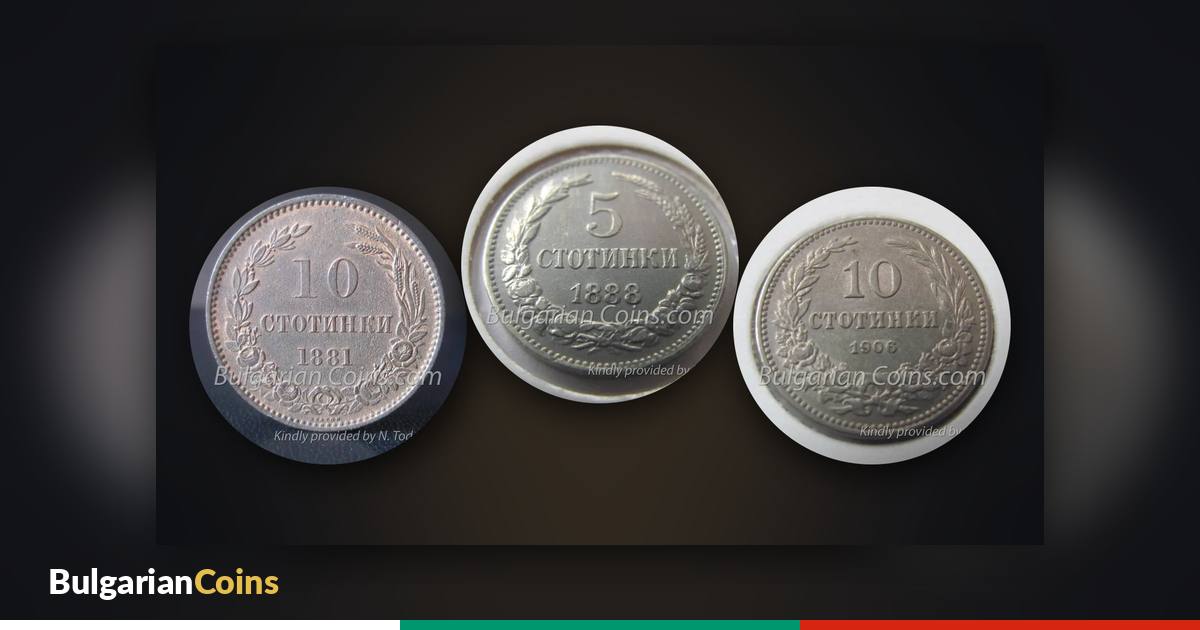
Copper is the most “alive” metal in a collection. It changes colour faster than silver, reacts to moisture, fingers and packaging, and is the only metal in a collection for which people talk about a “disease”. Copper and bronze are everywhere in Bulgarian collections – from the first stotinki of 1881 to the BNB’s copper 2-leva commemorative coins in the “Bulgarian Creators” series.
How copper normally behaves
A new copper coin is bright reddish. Over time it passes from red-brown to brown. In American terminology these are the grades RD (red), RB (red-brown) and BN (brown). This is the natural process of oxidation and is not a problem. An even brown patina protects the metal.
With the BNB’s modern copper coins, struck in proof quality from 999/1000 copper, the colour change can begin in the very first years, especially if the capsule has been opened.
What bronze disease is
Bronze disease is active corrosion caused by chlorides – salts that get onto the coin from the soil, from sweat on fingers or from sea air. In the presence of moisture, the chlorides react with the copper and form copper chloride, which continues the reaction with every new exposure to moisture and “eats” the metal inwards.
Signs:
- light-green, powdery spots with the consistency of powder;
- the spots reappear if cleaned superficially;
- under the spot the metal is pitted and rough;
- the corrosion spreads over time and can jump to neighbouring coins.
Do not confuse bronze disease with:
- noble patina – dark green or brown, smooth, hard and stable. It is normal on ancient bronze coins;
- PVC residues – greasy and sticky, not powdery. See how to remove them.
What to do if you find it
- Isolate the coin from the others immediately.
- Dry it. Moisture is the fuel of the reaction. Put the coin in a closed container with fresh silica gel.
- Do not rub it or wet it with tap water. The chlorine in it makes the problem worse.
- For low-value coins, collectors sometimes remove the powdery layer mechanically under a loupe – with a wooden stick, without touching the sound metal. The coin is then dried and stored dry.
- For valuable coins – a conservator. Professional treatment involves chemical stabilisation of the chlorides, which should not be done blindly at home.
Bronze disease is not “cured” once and for all. It is stabilised. The coin must stay dry and be checked regularly.
How to store copper coins
- A dry place with relative humidity below 40–45% – more in the article Humidity, temperature and silica gel.
- No PVC and no acidic paper.
- No fingers. Sweat contains salts – exactly the chlorides the problem starts from. Hold coins only by the edge.
- Separate from silver coins in a shared box, if you use wooden cases or materials containing sulphur.
- BNB copper proof coins – in the original capsule, unopened.
Should you clean copper?
No. Copper is the easiest metal to damage. Acids such as lemon, vinegar and ketchup make it unnaturally pink, and abrasives scratch it. A cleaned copper coin is recognised immediately and loses much of its value. More: Should you clean coins?