Milk spots on silver proof coins: causes and removal
What “milk spots” are, whether they harm the value, and what you can – and must not – do
BulgarianCoins editorial team 5 min read
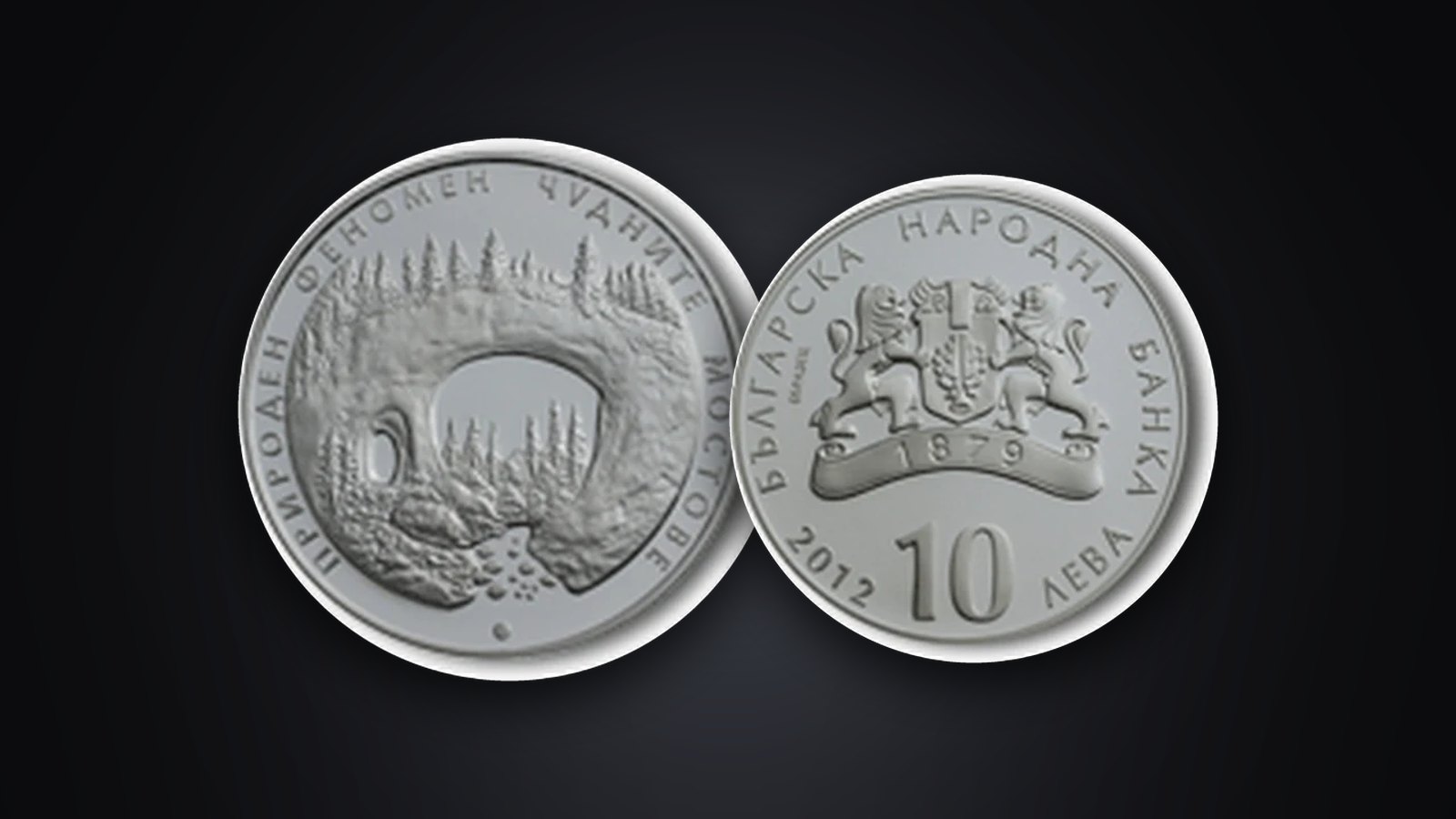
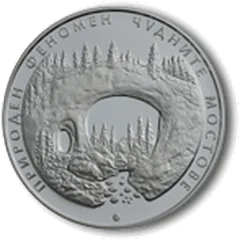
You buy a new silver coin from the BNB – mirror field, crystal-clear design, capsule and certificate. A few months or years later you notice dull white spots on it that were not there before. These are so-called “milk spots” – one of the most common and most unpleasant problems with modern silver coins. A reader wrote to us about exactly this: white spots had started to appear on his “140 Years of the Bulgarian Exarchate” and “The Wonderful Bridges” coins, bought from the bank.
In this article we explain what these spots are, whether they harm the value and what you can do.
What white spots are
Milk spots are dull, whitish or greyish spots on the surface of silver coins. They are easiest to see on the mirror field of proof coins, but they also occur on BU-quality coins and on investment silver coins around the world.
They are not dirt on the capsule and not a sign that the coin is fake. Nor are they oxidation in the usual sense – toning of silver looks different, as a yellowish, brown or bluish patina.
Why they appear
The exact mechanism is not fully understood, but specialists agree on the main causes:
- Residues from processing the blanks. Before striking, silver blanks are cleaned and rinsed. If traces of solutions or water remain on them, over time they can react with the silver and form spots.
- Moisture. High humidity speeds up the process. Coins kept in basements, bathrooms or near windows are more at risk.
- High fineness. The spots are more common on high-fineness silver (999/1000), but they are also seen on 925/1000 silver.
- Time. The spots usually appear months or years after striking – which is why a coin can look flawless at the time of purchase.
In other words, in most cases the cause lies in the coin itself, not in your storage. Poor conditions, however, can speed up their appearance.
Does the coin lose value
Yes, but not as much as most collectors fear. The spots do not destroy the coin, but they reduce its appeal, and with proof coins a flawless appearance is a large part of the value. A coin with small, barely visible spots usually sells at a discount to a flawless example; with large, clearly visible spots the discount is bigger.
There is no need to sell the coins in a hurry. The spots usually grow slowly or do not change at all if the coin is stored properly. Panic and hasty cleaning often cause more damage than the spots themselves.
Can they be removed
You will find many methods on the internet – and some of them really do work on investment silver coins. With proof coins, however, almost any intervention carries a risk. Here is what you need to know.
Methods we do NOT recommend for proof coins
- An eraser, a jewellery cloth, toothpaste, baking soda. All of them are abrasive. They will remove the spot, but they will also leave fine scratches (so-called hairlines) on the mirror field. The coin will look “cleaned” and will lose more value than from the spot.
- Silver cleaning products (“dipping”). They remove a thin layer of the surface and can make the mirror field dull and uneven.
- Heating. The heating method is sometimes used on investment silver coins, but it carries a risk of colour change and surface damage. We do not recommend it for proof coins.
Safer options
- Distilled water and acetone can remove greasy fingerprints, glue residues or PVC. They usually do not remove true milk spots, but they do not harm the coin if used correctly – soaking, no rubbing, and air drying.
- Professional conservation. Some coin grading and conservation companies offer services for removing spots and contamination. It costs money and is not always successful, so it only makes sense for more expensive coins.
The video “White spots on Bulgarian silver coins” shows three methods for removing milk spots that are used on investment silver. Before you try any of them on a collector coin, read the warning that accompanies the video.
Our rule: if the coin is expensive or a proof, do nothing yourself. First consult an experienced numismatist and, if you still decide to experiment, try only on a low-value coin.
How to protect your coins
You cannot change what happened during striking, but you can avoid speeding up the process:
- Do not open the capsule. The BNB explicitly recommends keeping the coins without opening the protective capsule. Every touch of a finger leaves grease and salts.
- Keep them dry. The ideal relative humidity is below 50%. Avoid basements, bathrooms, kitchens and outside walls.
- Stable temperature. Sudden changes in temperature cause condensation even inside the capsule.
- Silica gel. A sachet of silica gel in the box or cabinet with the coins helps keep humidity low. Replace or dry it regularly.
- No PVC. Do not keep coins in cheap plastic PVC pockets – they release substances that damage coins.
- Check the collection several times a year. If you notice a change, move the coins to a drier place.
If you have just bought the coin
If you notice spots or other defects when buying at the BNB’s counter, say so immediately: the BNB accepts complaints only at the counter, right at the time of sale. Read more in our guide on how to buy new coins from the BNB.
In short
White spots on silver proof coins are a common problem, most often caused by residues from processing the blanks and by moisture, not by your carelessness. They reduce a coin’s appeal but do not destroy it, and they usually do not grow with proper storage. Do not rub or clean proof coins with abrasive products – it does more harm than the spots themselves. Keep coins in their capsules, dry and at a stable temperature, and for expensive coins seek a specialist’s advice.