Birmingham, St Petersburg, Brussels, Kremnica, Paris, Vienna, Budapest, Berlin – 70 years of Bulgarian coins from abroad
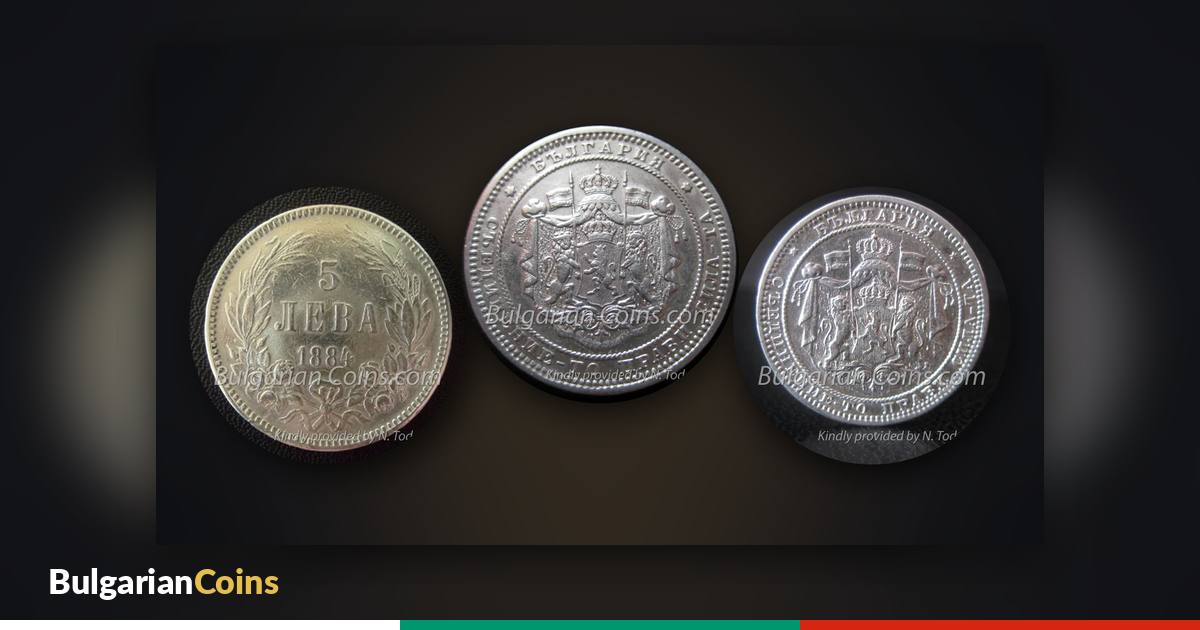
From 1881 to 1951 every Bulgarian coin was struck abroad: Heaton in Birmingham, St Petersburg, Brussels, Kremnica, Paris, Vienna, Budapest, Berlin, Poissy and Leningrad. Which mints made which coins and how to recognise their mint marks.
The three Bulgarian currency reforms explained: 100:1 in May 1952, 10:1 in 1962 and 1000:1 on 5 July 1999 – why they happened, which coins were issued afterwards, and how they affect issue prices and catalogue comparisons.
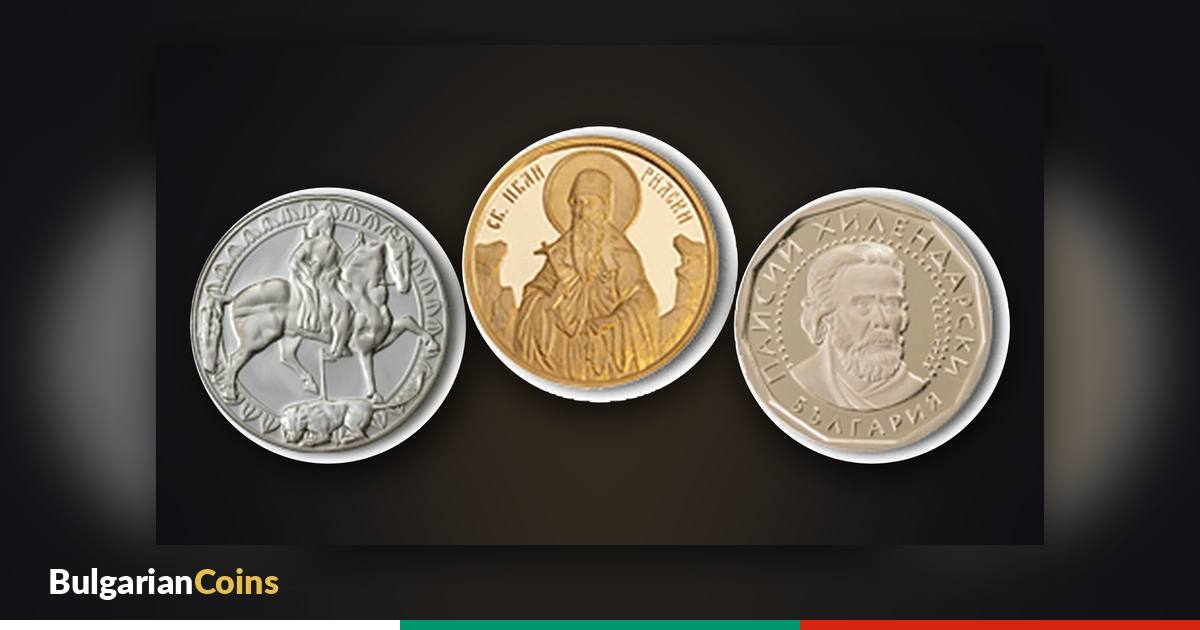
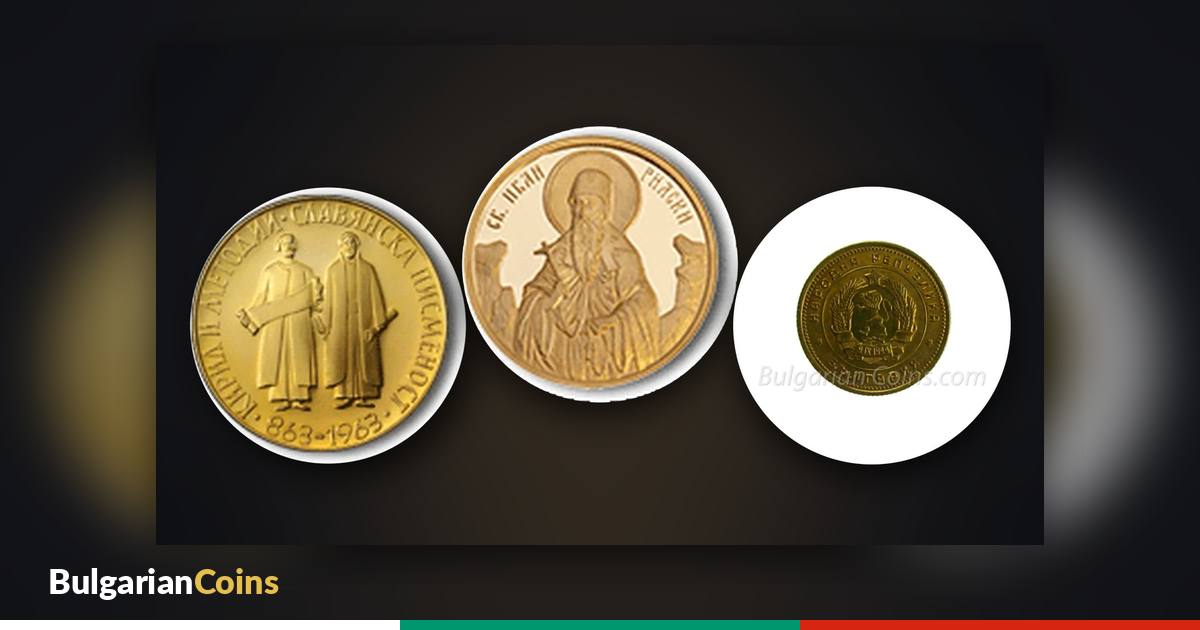
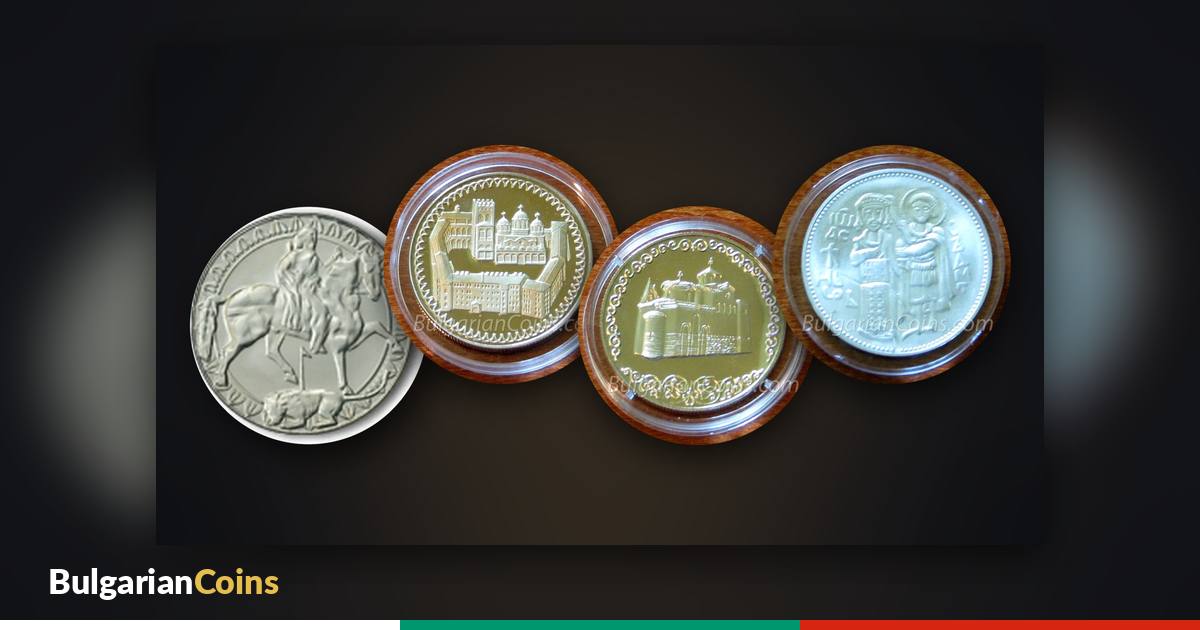
Why the BNB kept the symbols of the lev coins (the Madara Horseman, St Ivan of Rila, Paisiy of Hilendar), how the design was approved from 2023 to 2025, and the 2-euro edge inscription.
The artists behind Bulgarian coins: foreign engravers of the Principality and Kingdom (Formás, Scharff, Marschall, Berán, Metcalf), the Bulgarian sculptors of the socialist era (Stefan Nenov, Lyubomir Prahov, Georgi Chapkanov, Bogomil Nikolov) and today’s most prolific designers.
Why the lev was created equal to the French franc: the 1880 coinage law, the bimetallic standard of the Latin Monetary Union, identical weights and fineness of Bulgarian and French silver and gold coins, and what changed after 1912.
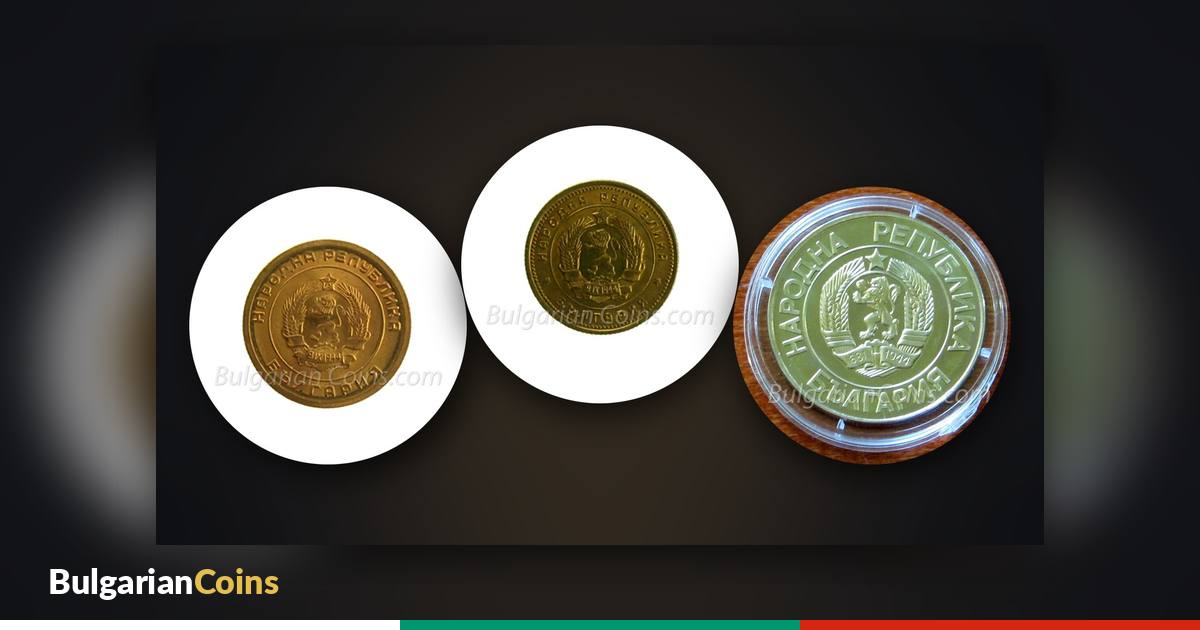
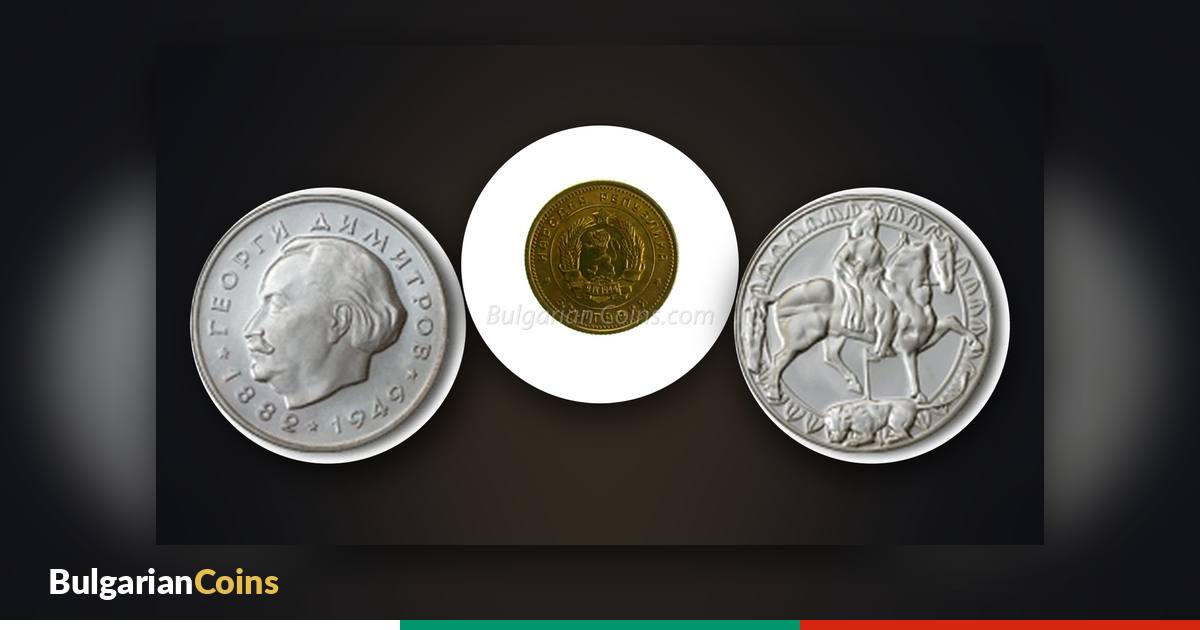
Coins of the People’s Republic of Bulgaria (1946–1990): the circulation series of 1951, 1962, 1974 and 1988–89, the changing state emblem, Soviet-style designs, the first commemorative coins of 1965, Georgi Dimitrov coins and the 1300 Years of Bulgaria programme.
How the Balkan Wars, the First World War and the Second World War changed Bulgarian coins: zinc stotinki of 1917, aluminium leva of 1923, copper-nickel of 1940 and the iron coins of 1941 and 1943 – and why high-grade examples are rare today.
The history of the Bulgarian Mint in Sofia from its opening in 1952, the first circulation and commemorative coins struck there, and the step-by-step process of making a coin: theme, design competition, plaster model, die, blank, striking and quality control.
How inscriptions on Bulgarian coins changed: the state names (Principality, Kingdom, People’s Republic, Republic), the old letters ъ and ѣ before the 1945 spelling reform, the edge motto „БОГЪ ДА ПАЗИ БЪЛГАРИЯ“, the motto on the coat of arms and the inscriptions on Bulgarian euro coins.
From the 1880 coinage law to 1 January 2026: the main stages in the life of the Bulgarian lev, the fixed rate of 1.95583, and what the changeover means for coin collectors.
What people used as money in the Bulgarian lands before 1880: Ottoman piastres (grosh) and para, gold lira, Austrian thalers, French napoleons and Russian roubles brought by the army in 1877–78, and how the new lev gradually replaced them.
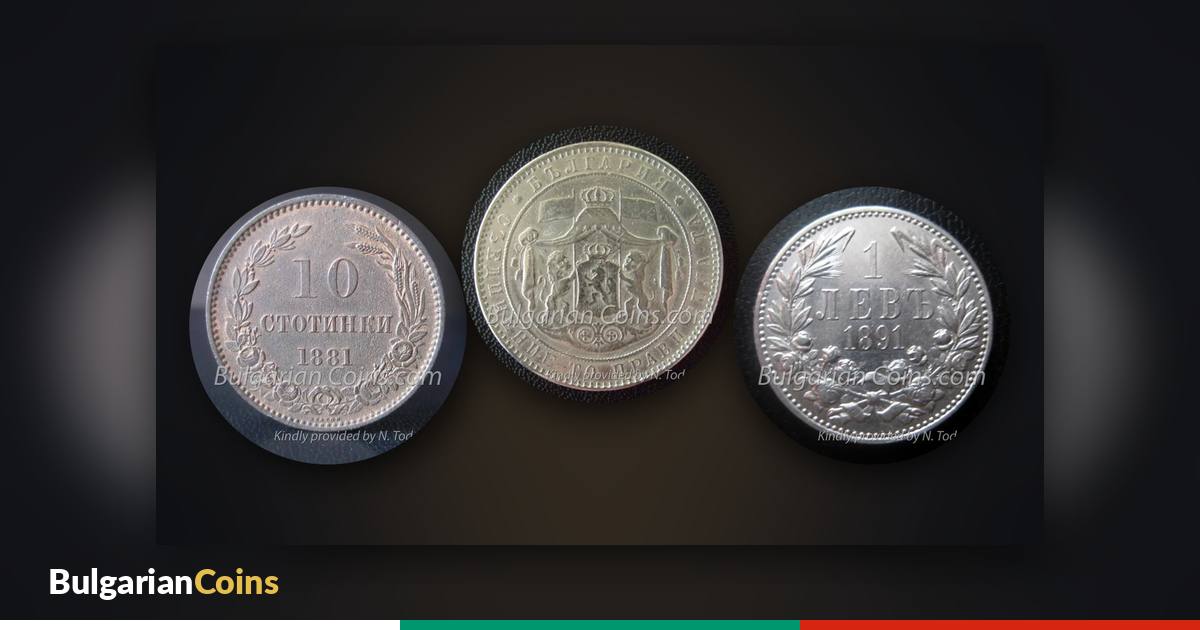
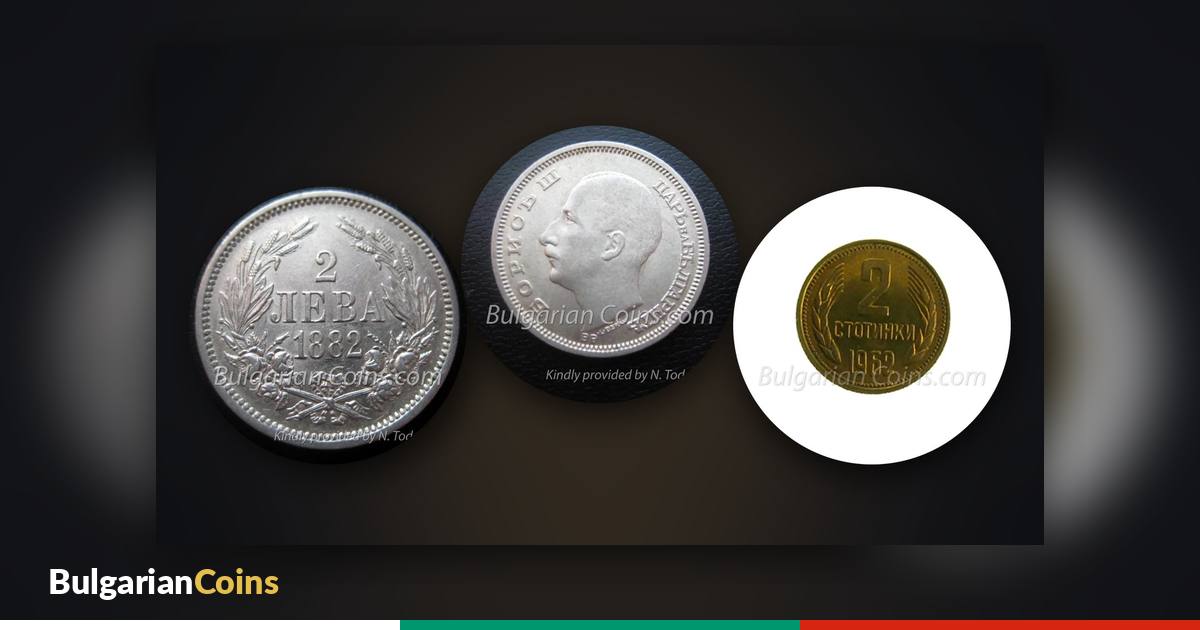
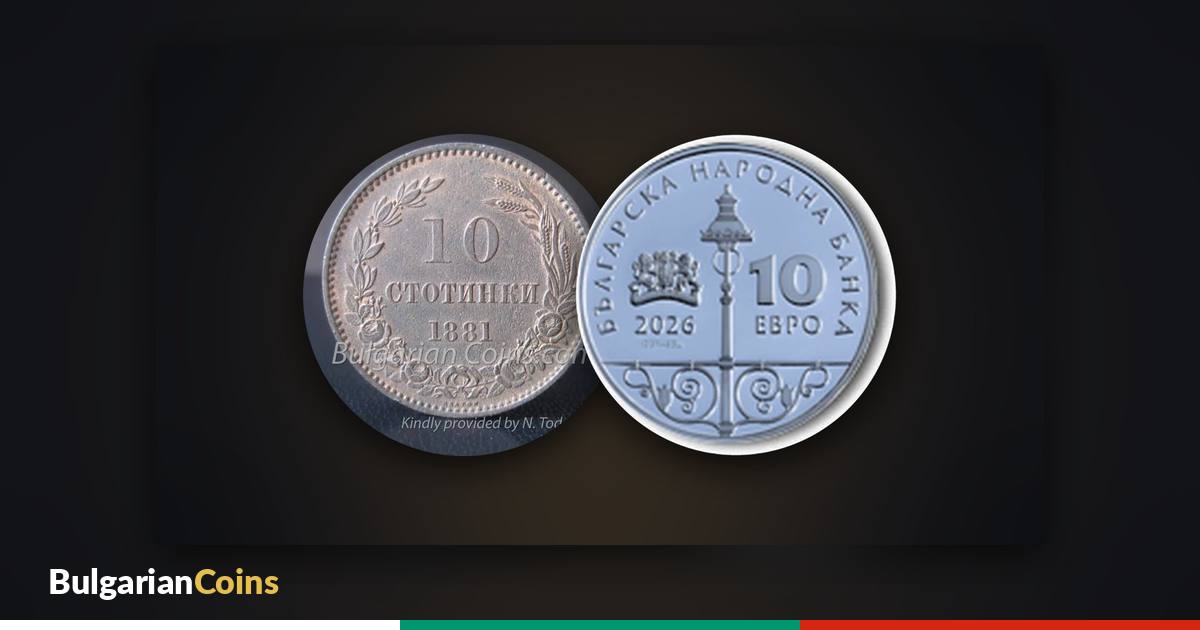
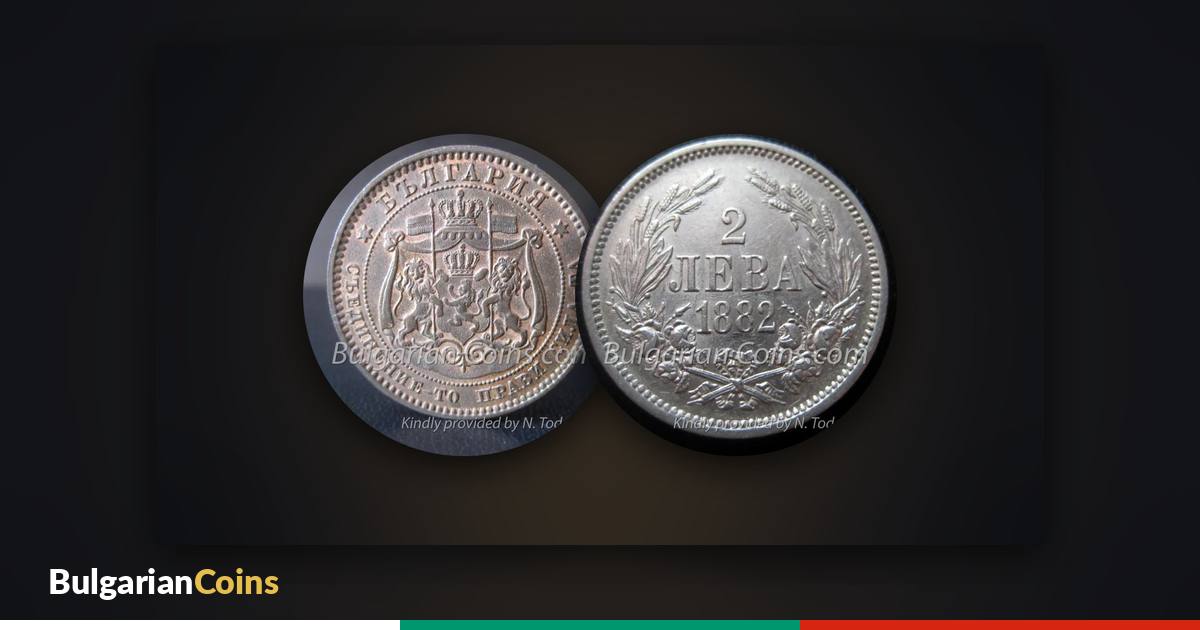
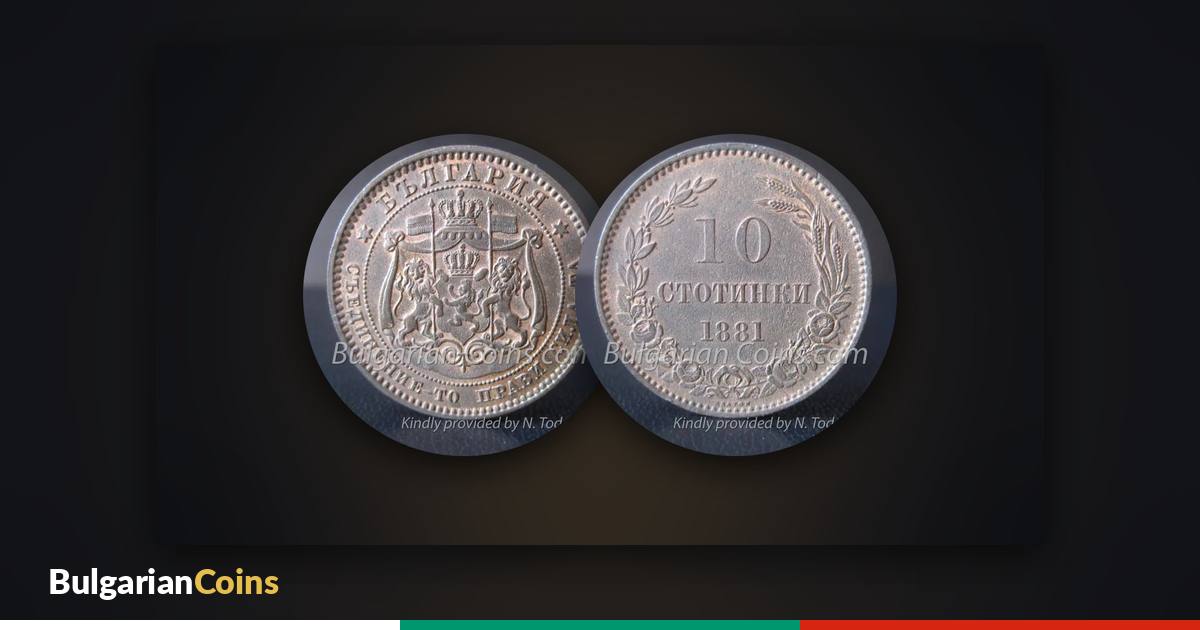
How the Principality of Bulgaria created the lev in 1880, why the first 2, 5 and 10 stotinki of 1881 were struck in Birmingham, and what collectors should know about them today.
The largest commemorative programme in Bulgarian coinage: 13 copper-nickel 2-leva coins, four silver 50-leva coins, the 25-leva and gold 1,000-leva “Mother and Child”, and the related 1981 issues, with mintages from the catalogue.
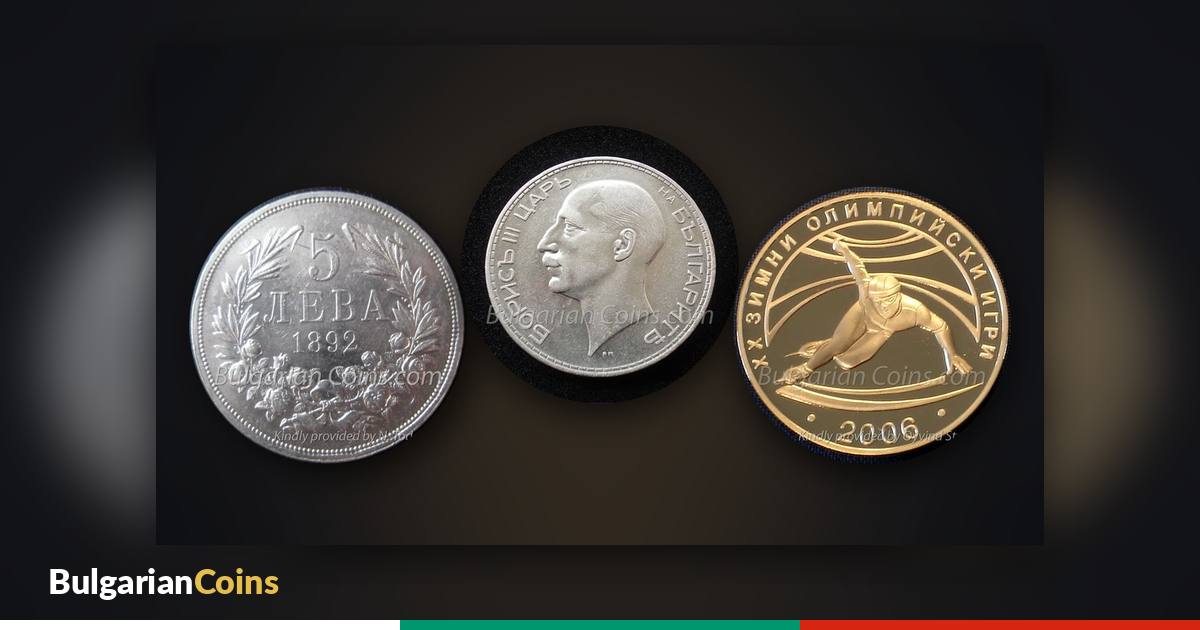
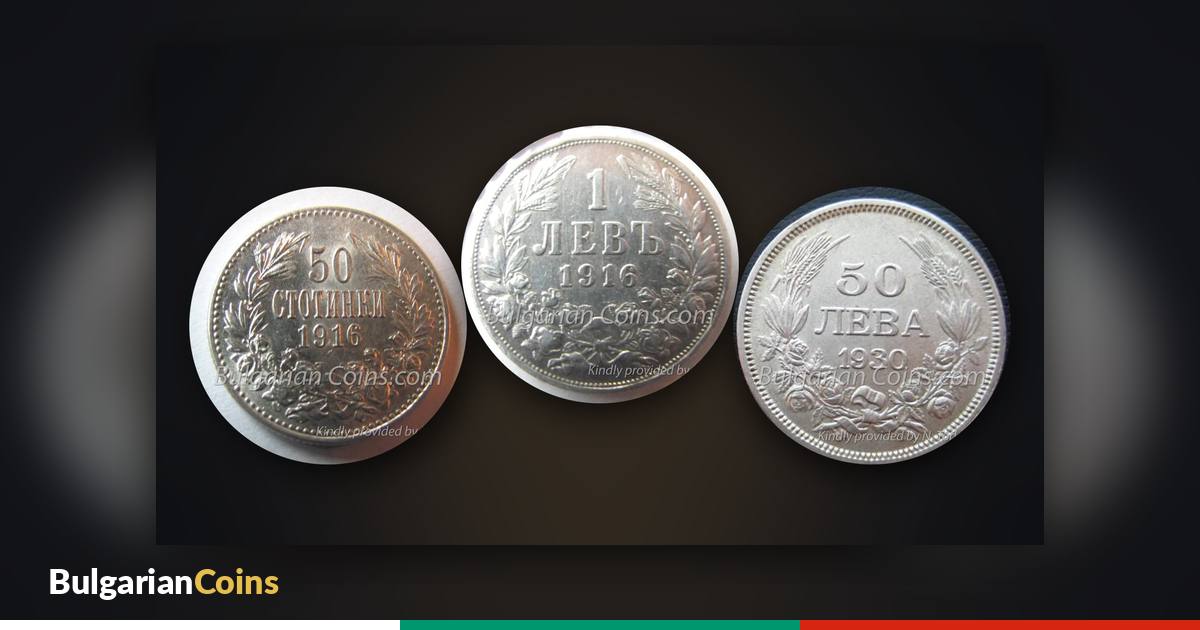
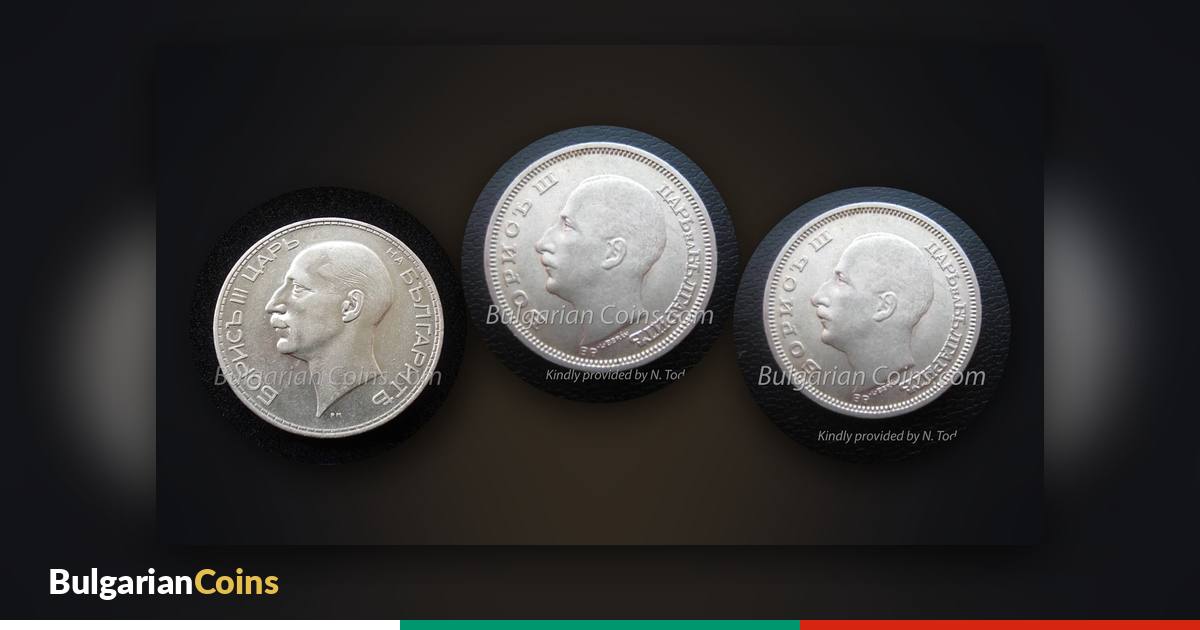
A collector’s guide to the silver coins of Tsar Boris III: the 20, 50 and 100 leva of 1930 by Lajos Berán and the 50 and 100 leva of 1934 and 1937 by Percival Metcalf – silver content, mintages, current asking prices for raw and certified coins, and counterfeits.
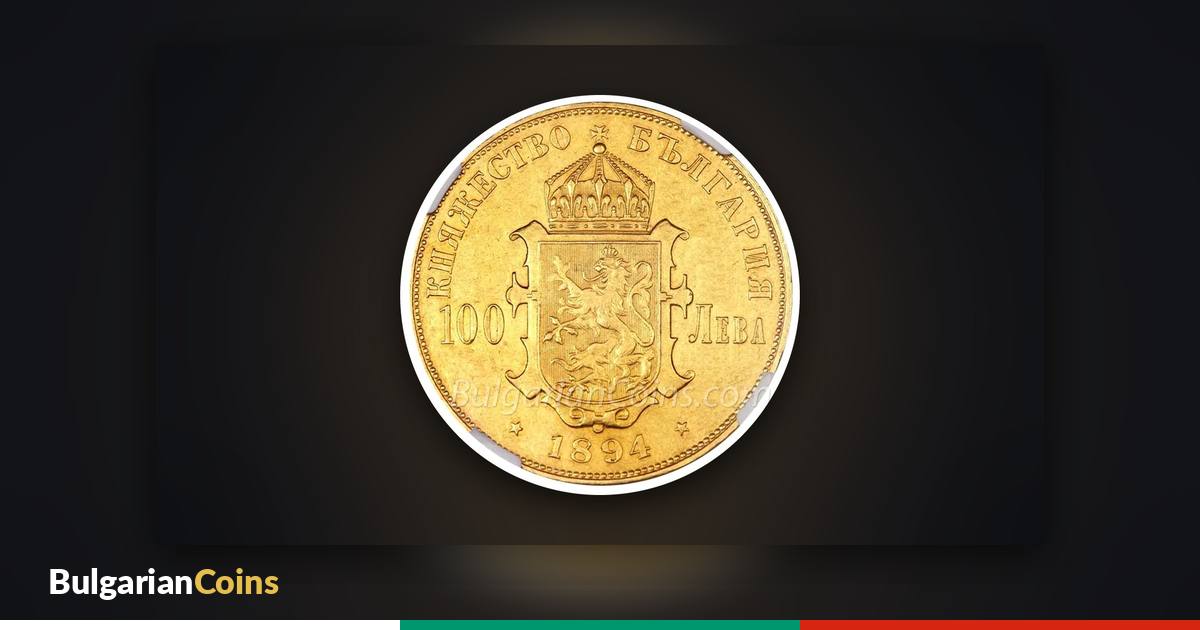
A complete guide to the gold coins of Ferdinand I: the 10, 20 and 100 leva of 1894 struck in Kremnica and the 20 and 100 leva of 1912 for the 25th anniversary of his reign, with mintages, gold content, restrikes and current asking prices.
How Bulgaria moved from the bimetallic system of 1880 to a de facto gold standard: banknote backing, the gold coins of 1894 and 1912, the suspensions of convertibility in 1899 and 1912, the 1919 law and the 1928 stabilisation.
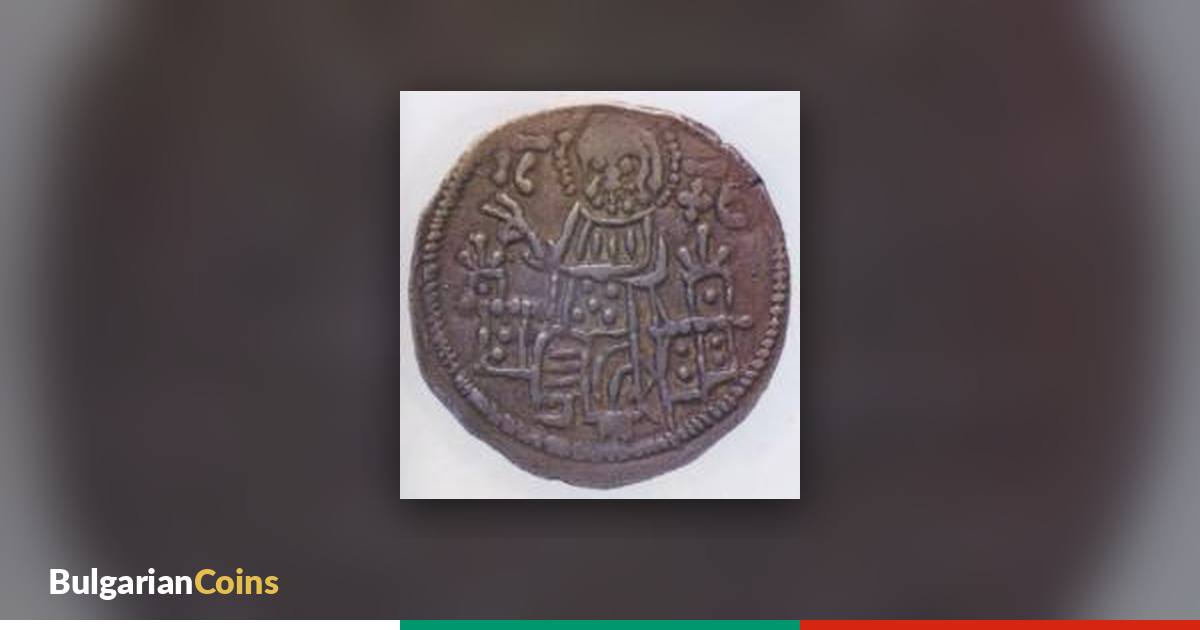
The first Bulgarian coins with Cyrillic inscriptions: the coins of Tsar Ivan Asen II from the 13th century and what they tell us about money in the Second Bulgarian State.