The Bulgarian Mint: its history and how a coin is made
From its opening in 1952 to the euro – and the journey of a commemorative coin from idea to the BNB’s counter
BulgarianCoins editorial team 3 min read
Every Bulgarian coin of the last 70 years has passed through one building in Sofia – the Mint. Here is its history and the path by which an idea turns into metal.
History
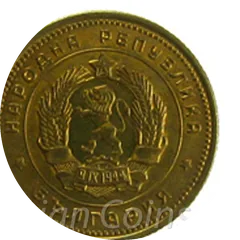
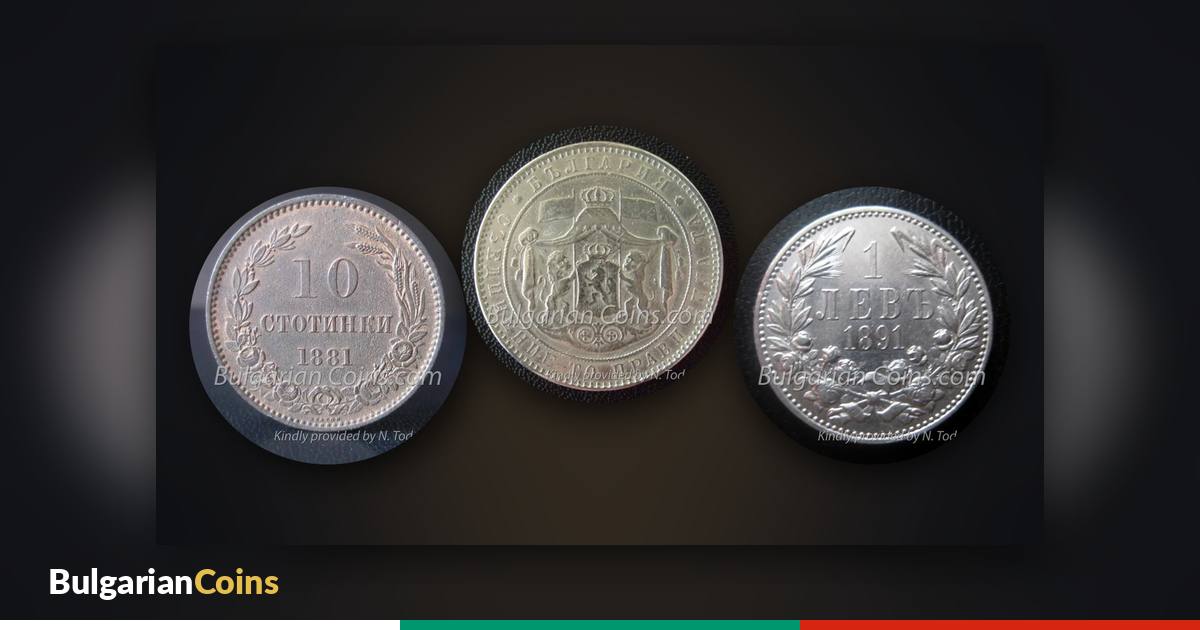
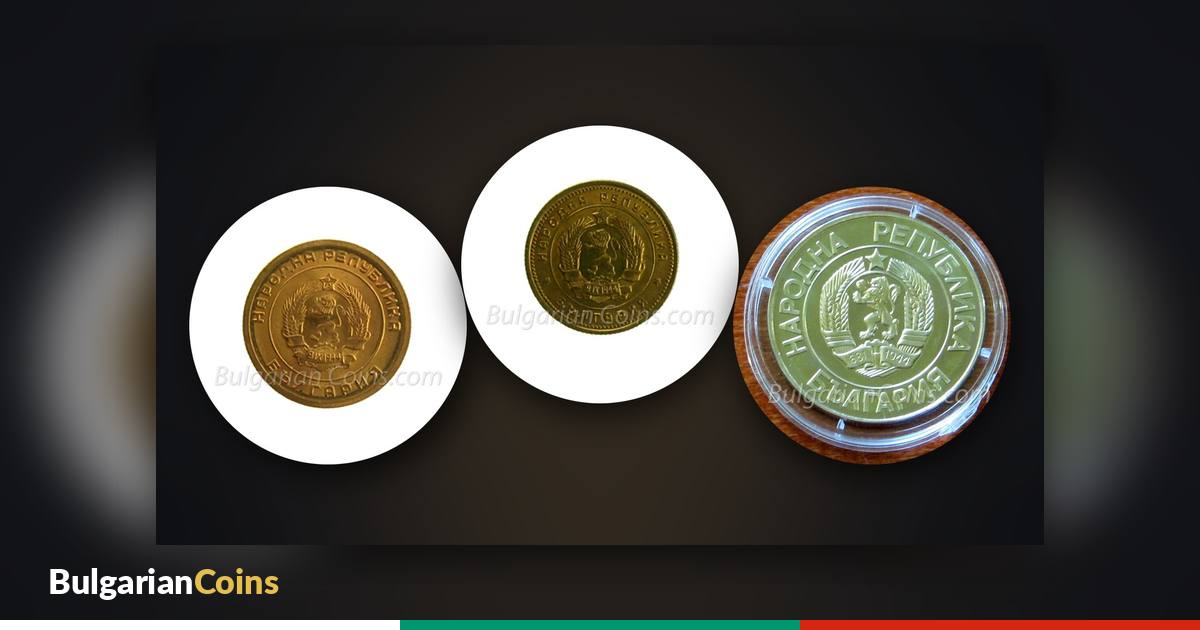
Until 1951 all Bulgarian coins were struck abroad. See The foreign mints. The Mint was established in 1951 and opened on 28 July 1952 (Ministry of Finance). In the same year the first circulation coins were struck there – the bronze 1, 3 and 5 stotinki and the copper-nickel 10 and 20 stotinki (Bulgarian Mint).
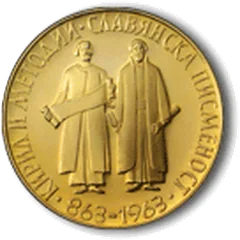
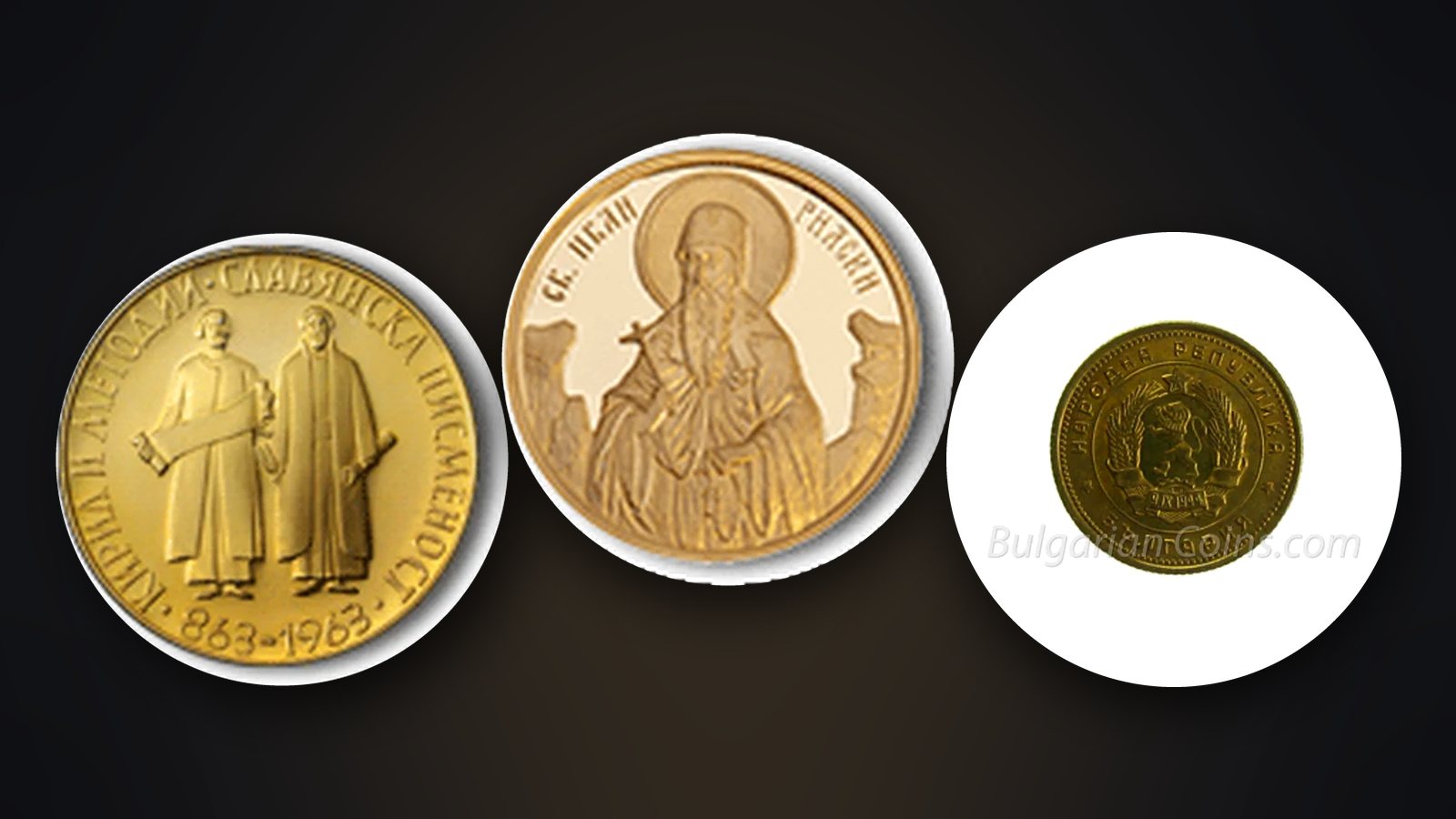
At first the Mint used Soviet technology. From 1965 it also struck commemorative coins (BIS). The first major series was for 1100 years of Slavonic writing.
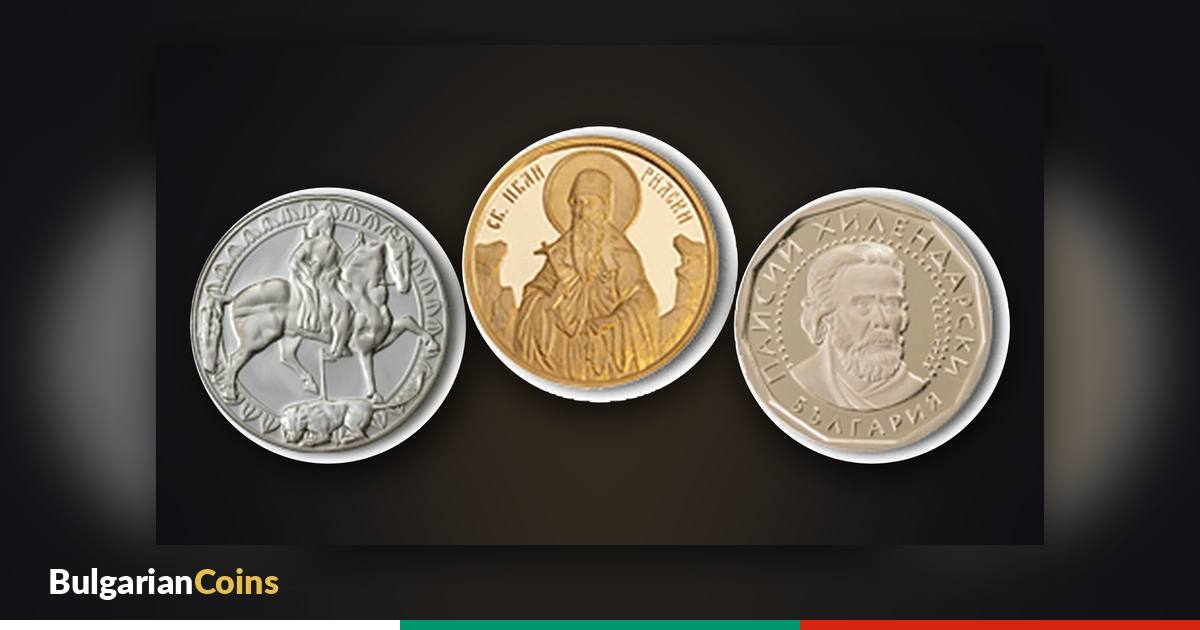
Today Monetni Dvor EAD (the Bulgarian Mint) is owned by the Bulgarian National Bank. It strikes Bulgaria’s circulation and commemorative coins, but also medals, orders and coins for other countries (Wikipedia). In 2025 the Mint began striking the first Bulgarian euro coins. They are struck mainly in Sofia, and some of them at the Slovak mint (BNT).
How a coin is made
1. The theme
The BNB adopts an annual programme of commemorative coins. The themes are anniversaries, historical figures, events, nature and culture. The programme is announced in advance – follow Upcoming coins.
2. The design
A competition among artists is usually held. The jury chooses a design for the obverse and reverse. More about the artists – in The artists behind Bulgarian coins.
3. The model
The sculptor makes a large plaster model – much bigger than the coin. Today the model is increasingly also made digitally.
4. The die
The model is transferred at reduced scale onto steel dies (stamps). For proof coins, the field of the die is polished to a mirror finish and the relief is frosted.
5. The planchet
Round planchets are punched from a metal strip. They are cleaned and, for proof coins, also polished. The edge is formed.
6. Striking
The planchet is placed between the two dies and struck with enormous force. Circulation coins are struck with a single blow on high-speed presses. Proof coins are struck two or more times, slowly, to bring out every detail. See Proof, proof-like and BU.
7. Inspection
Every proof coin is checked by hand. Coins with defects are rejected. The good ones are placed in capsules and accompanied by a certificate.
8. Release
The BNB announces the issue date and sells the coins at its counters and through partners. See How to buy coins from the BNB.
Errors
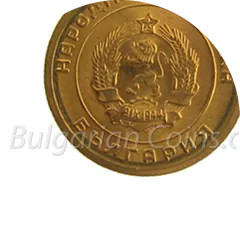
Sometimes a defective coin still leaves the Mint. These error coins are rare and sought after by collectors. See Error coins.
A short chronology
| Year | Event |
|---|---|
| 1952 | opening, first circulation coins |
| 1965 | first commemorative coins |
| 1981 | the “1300 Years of Bulgaria” programme |
| 1999 | the coins after the denomination |
| 2025 | the first Bulgarian euro coins |