The foreign mints that struck Bulgarian coins before the Bulgarian Mint
Birmingham, St Petersburg, Brussels, Kremnica, Paris, Vienna, Budapest, Berlin – 70 years of Bulgarian coins from abroad
BulgarianCoins editorial team 3 min read
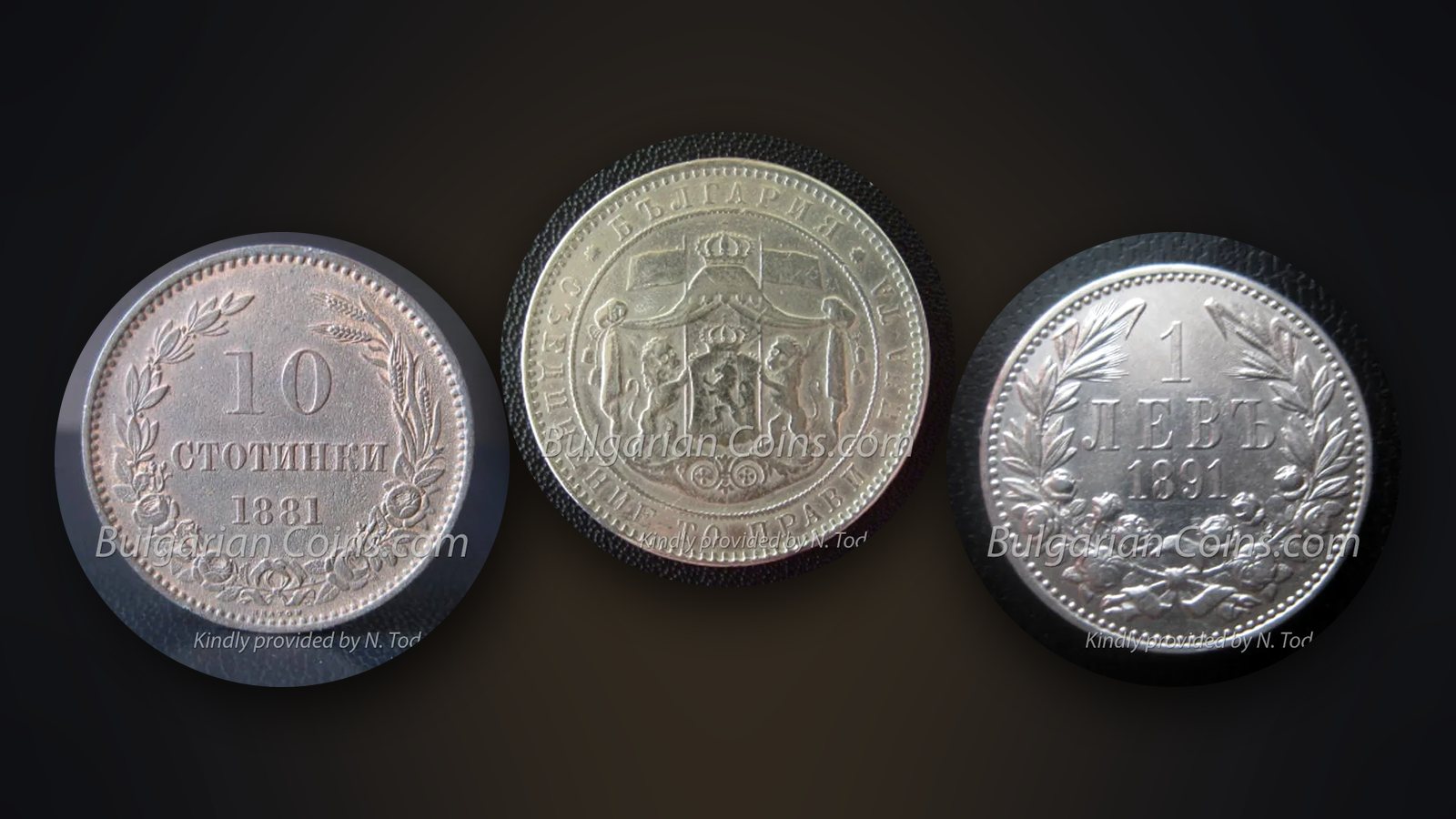
For seventy years – from 1881 to 1951 – all Bulgarian coins were struck abroad. The reason is simple: the new state had neither machines, nor craftsmen, nor money for its own mint. So it ordered its coins from some of the best mints in Europe.
The full list
According to the BNB, Bulgarian coins were struck in Birmingham, St Petersburg, Brussels, London, Vienna, Paris, Belgrade, Kremnica, Budapest and Berlin (BIS).
The first orders
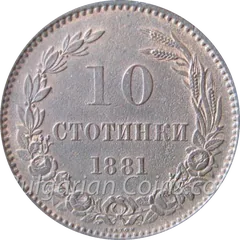
Birmingham, 1881. The first Bulgarian coins – the bronze 2, 5 and 10 stotinki – were struck by the private mint “Ralph Heaton & Sons” in Birmingham (BTA). Below the date there is a small letter H – Heaton’s mark.
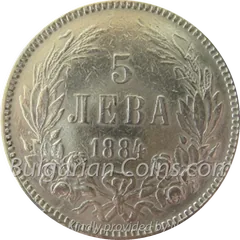
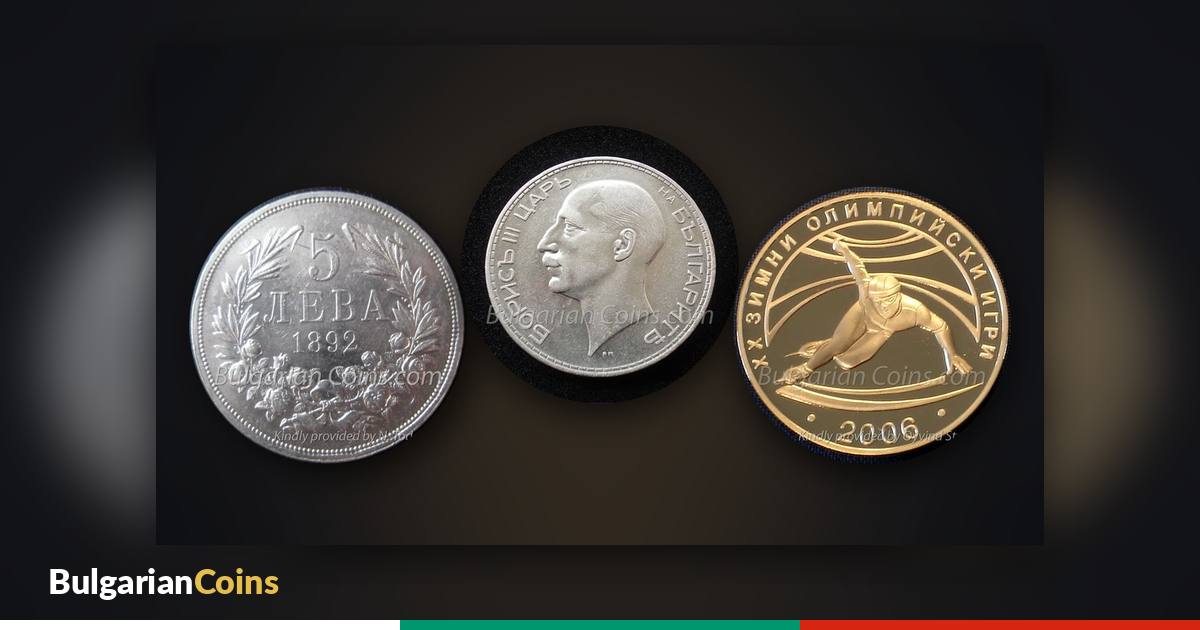
St Petersburg, 1882–1885. The silver 1 and 2 leva of 1882, the 50 stotinki of 1883 and the 5 leva of 1884 and 1885 were struck in Russia (BNB).
Brussels, 1888. The first copper-nickel coins – 2½, 5, 10 and 20 stotinki – came from Belgium.
The Ferdinand era
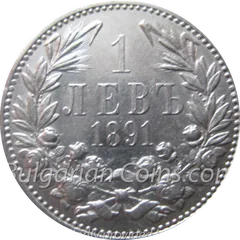
After 1887, Prince Ferdinand turned to Austria-Hungary. The coins of 1891, 1892 and 1894 were struck in Kremnica (now in Slovakia), with the mint mark KB. The copper-nickel stotinki of 1906 and 1912 are also from Kremnica, and from 1913 from Vienna (worldcoinshop catalogue). The silver 1 lev 1913 is also from Vienna. Some coins from the turn of the century were ordered in Paris.
Between the wars
The 1925 coins were struck in Brussels and in Poissy near Paris. The Poissy coins can be recognised by a small thunderbolt next to the date – see 2 leva 1925 with a thunderbolt.
1930 – the silver and copper-nickel coins of Tsar Boris III are from Budapest, with the mark BP.
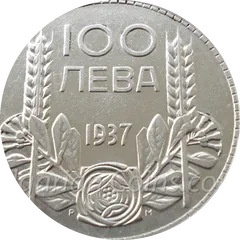
1934 and 1937 – the silver 50 and 100 leva designed by the English sculptor Percival Metcalfe. The 100 leva 1937 were struck in Kremnica.
The war years – the iron coins of 1941 and 1943 were struck mainly in Germany; some of them carry the mark A of the Berlin mint. See Coins of the war years.
The last foreign issue
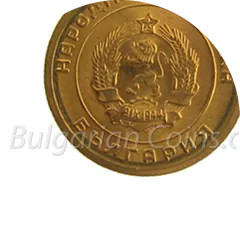
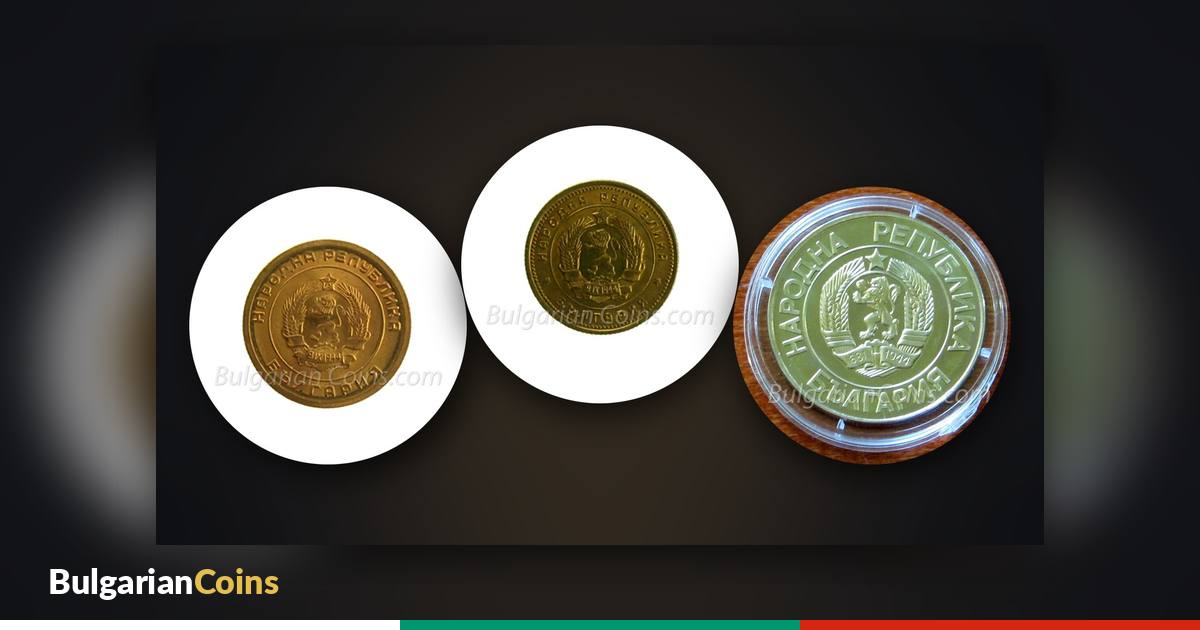
The 1951 coins of the People’s Republic of Bulgaria were struck in Leningrad and in Sofia. The 25 stotinki 1951 was struck only in Leningrad (Wikipedia). On 28 July 1952 the Bulgarian Mint was opened (Ministry of Finance). Since then all Bulgarian coins have been struck at home. See The Mint: a history.
How to recognise the mint mark
| Mark | Mint | Example |
|---|---|---|
| H | Heaton, Birmingham | stotinki 1881 |
| KB | Kremnica | 1891, 1894 |
| BP | Budapest | 1930 |
| A | Berlin | 1940s |
| thunderbolt | Poissy | 1925 |
| no mark | St Petersburg, Vienna, Brussels and others | 1882–1885, 1888, 1913 |
Why it matters
Sometimes one and the same coin was struck at two mints. The mintages differ, and so do the prices. That is why our catalogue describes the varieties separately. Mint marks also help in spotting counterfeits: compare the mark and its position with the coin in the catalogue.