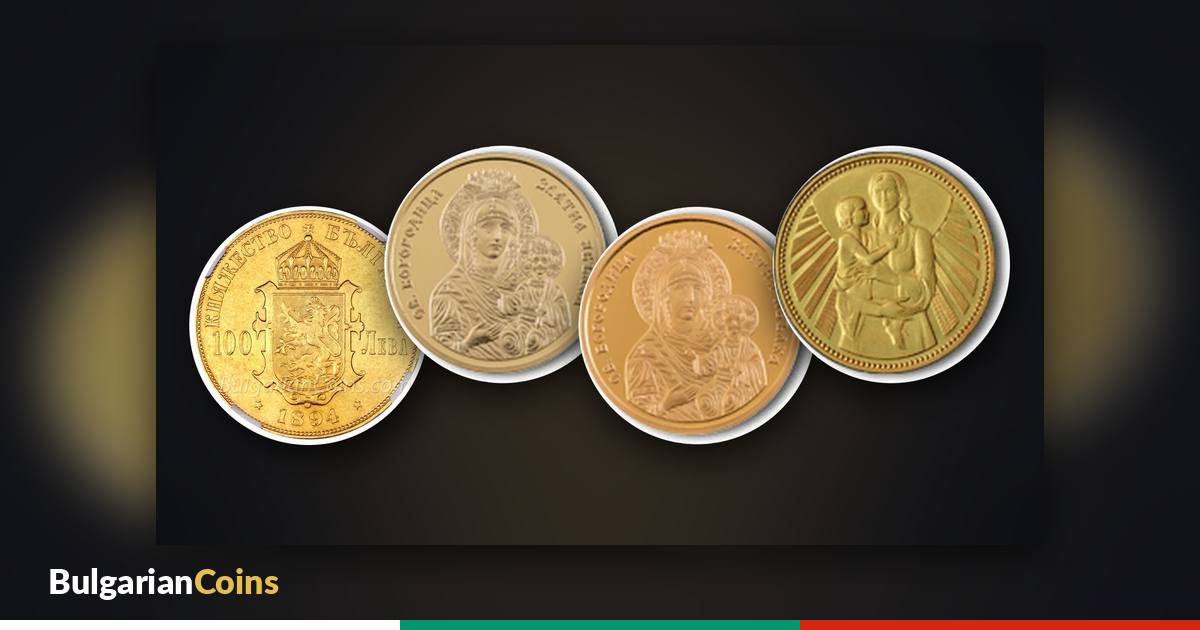
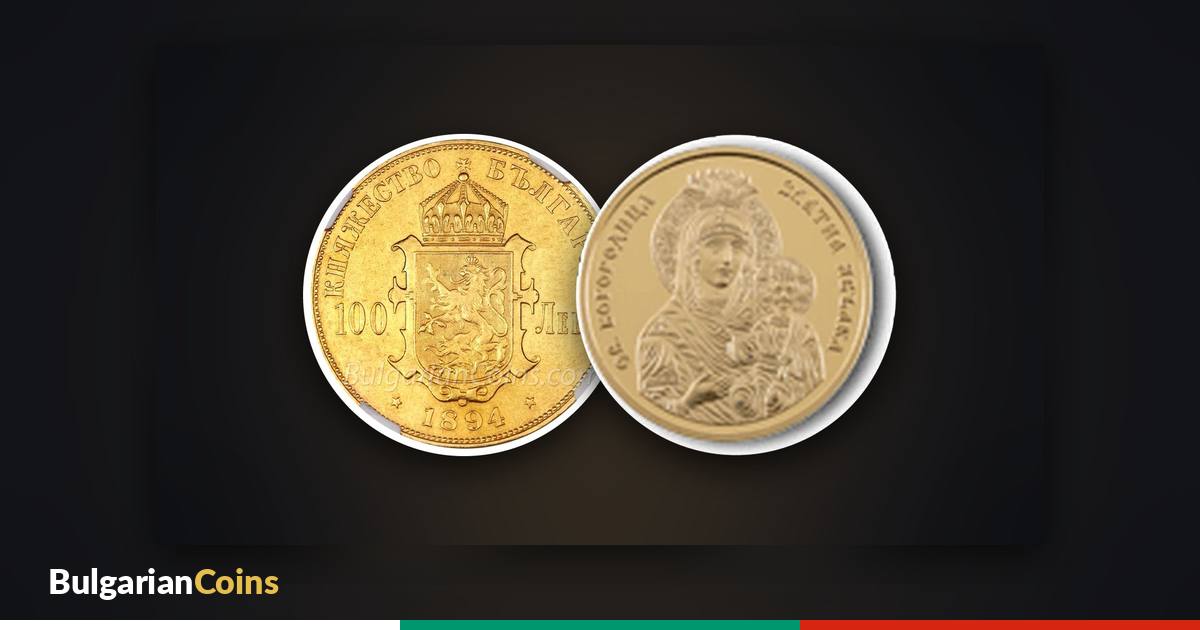
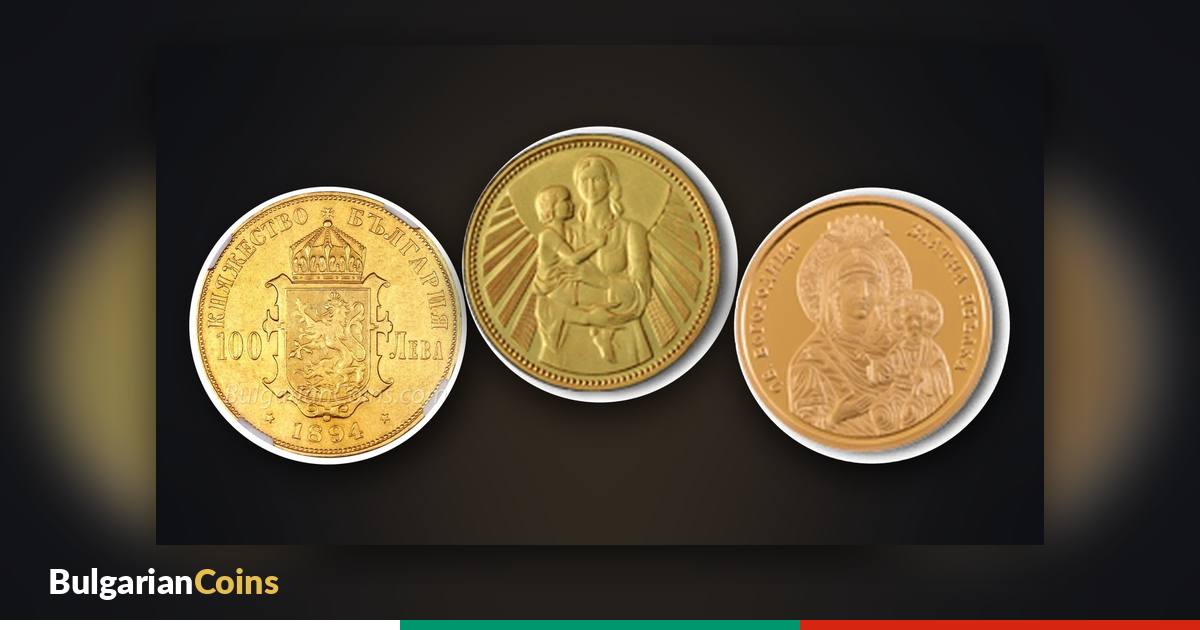
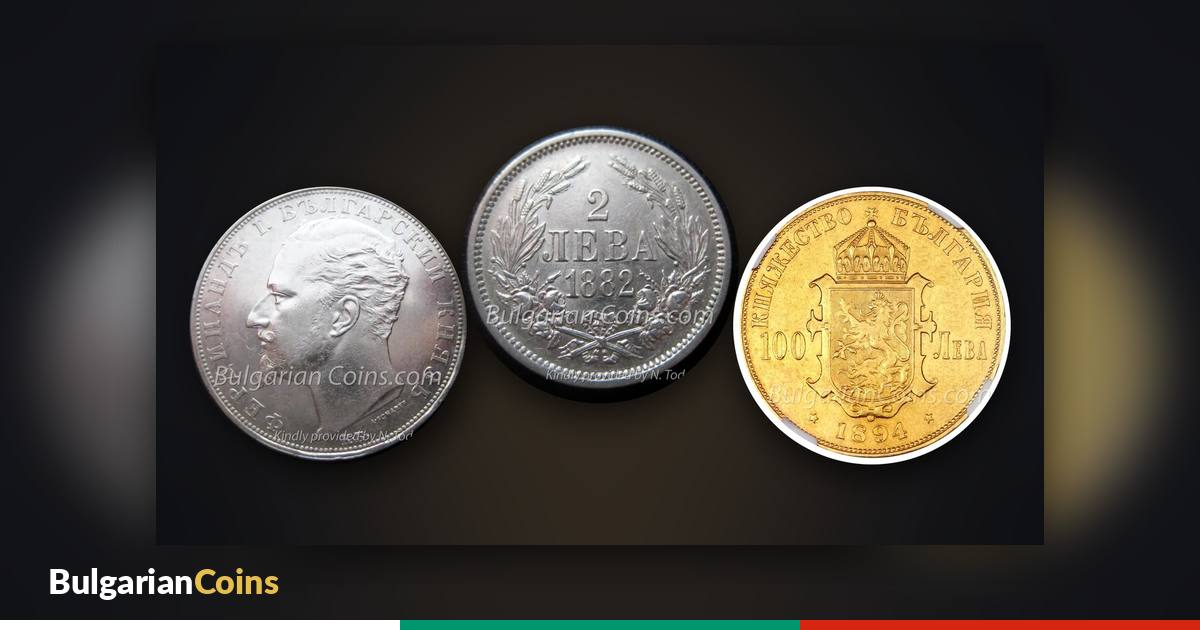
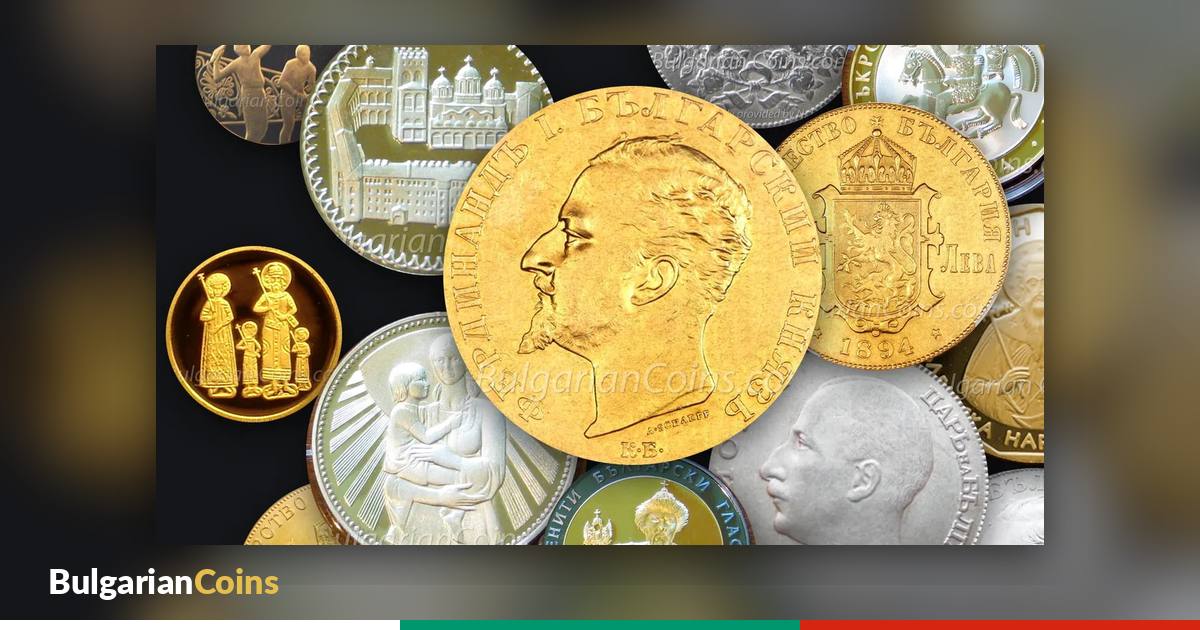
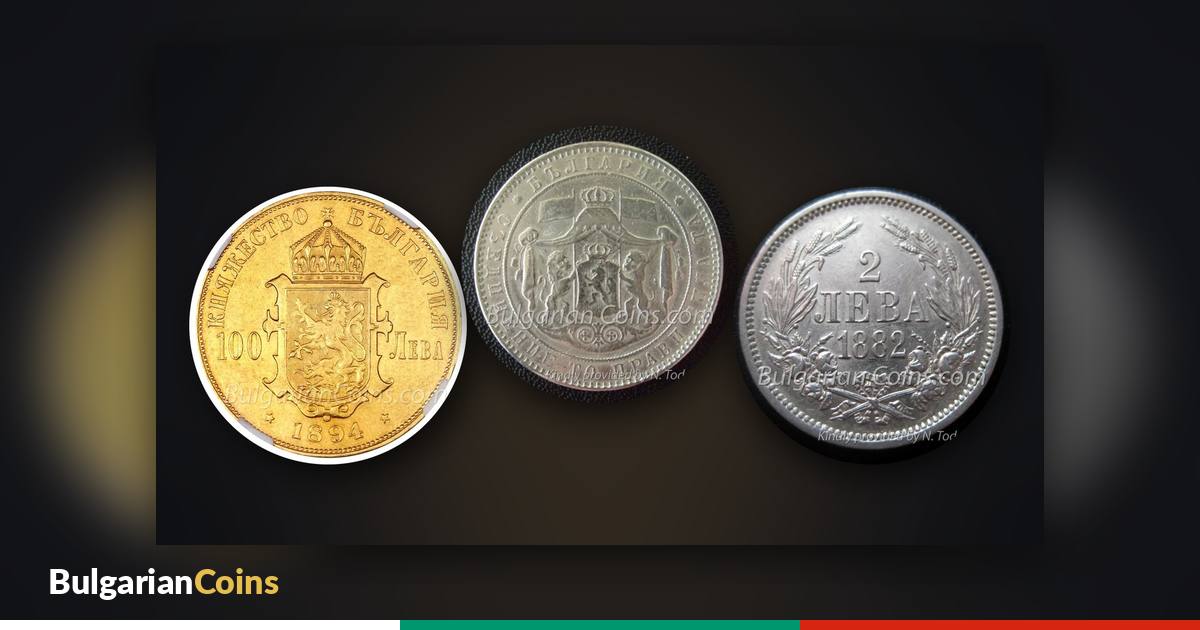
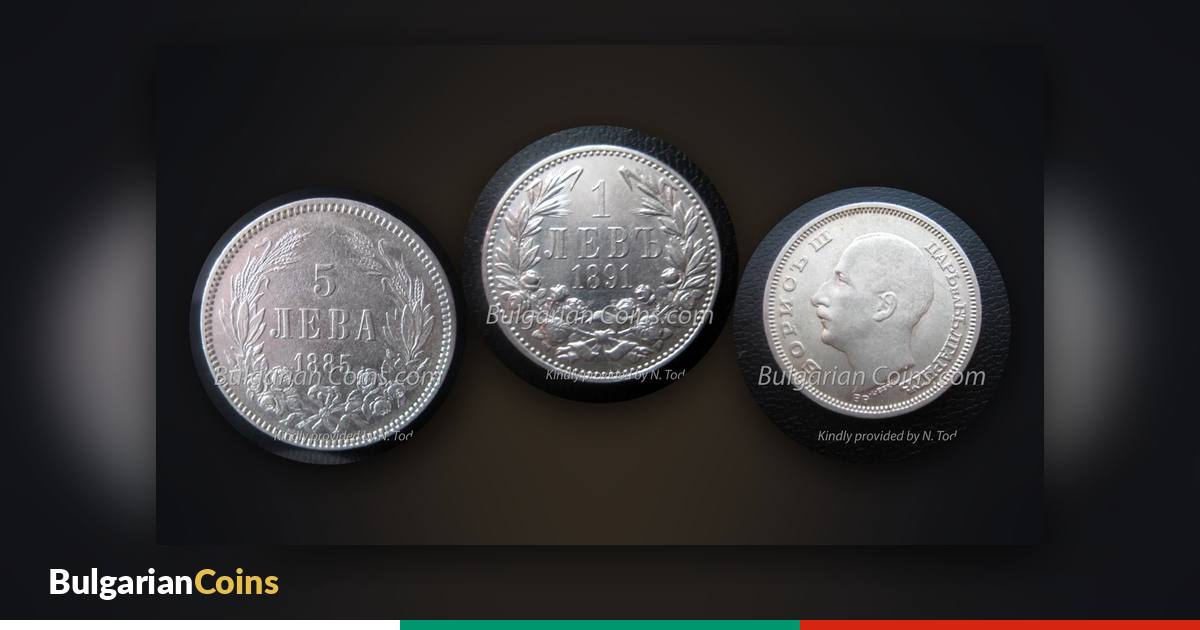
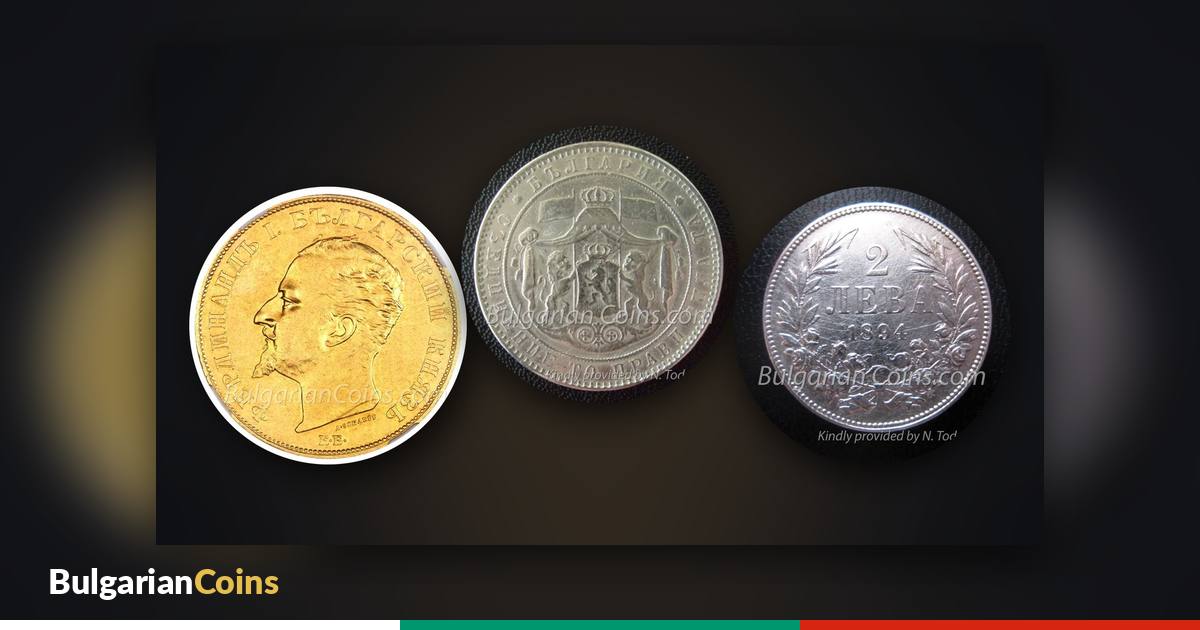
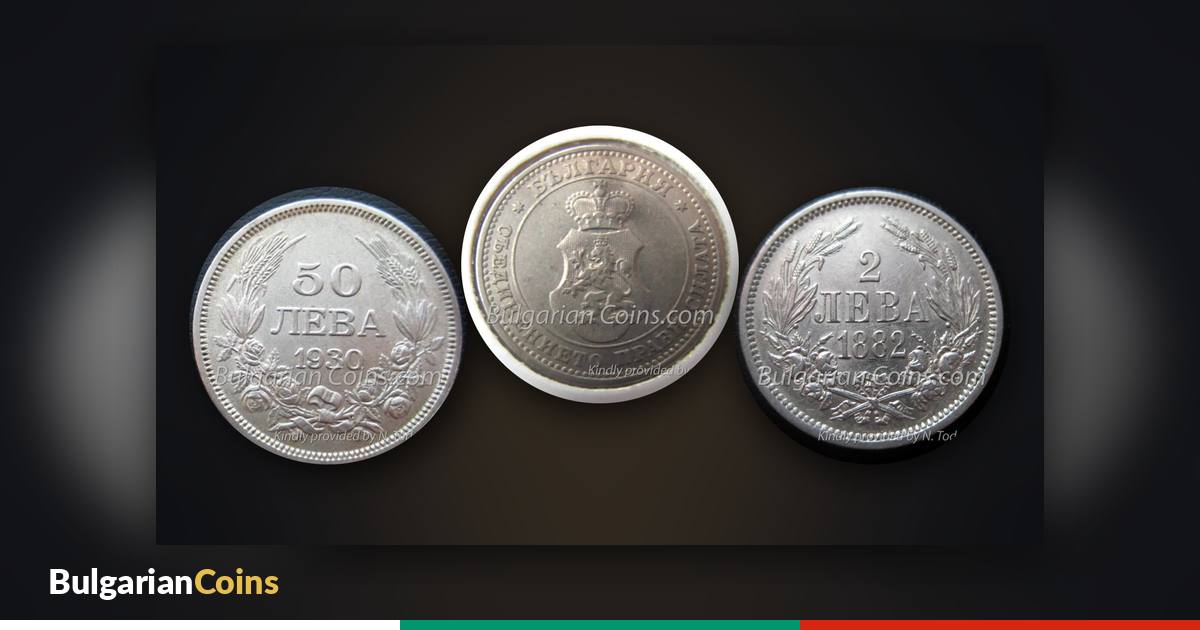
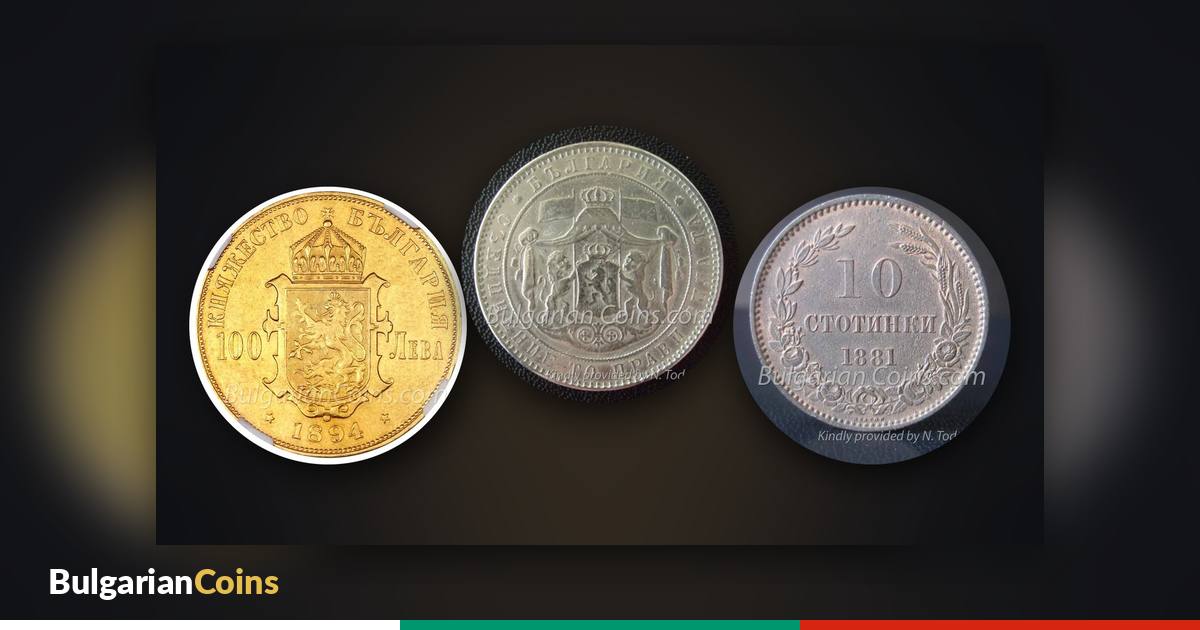
From the 1894 100 leva to the “Golden Apple” – the ranking by current listings and the reasons behind each price
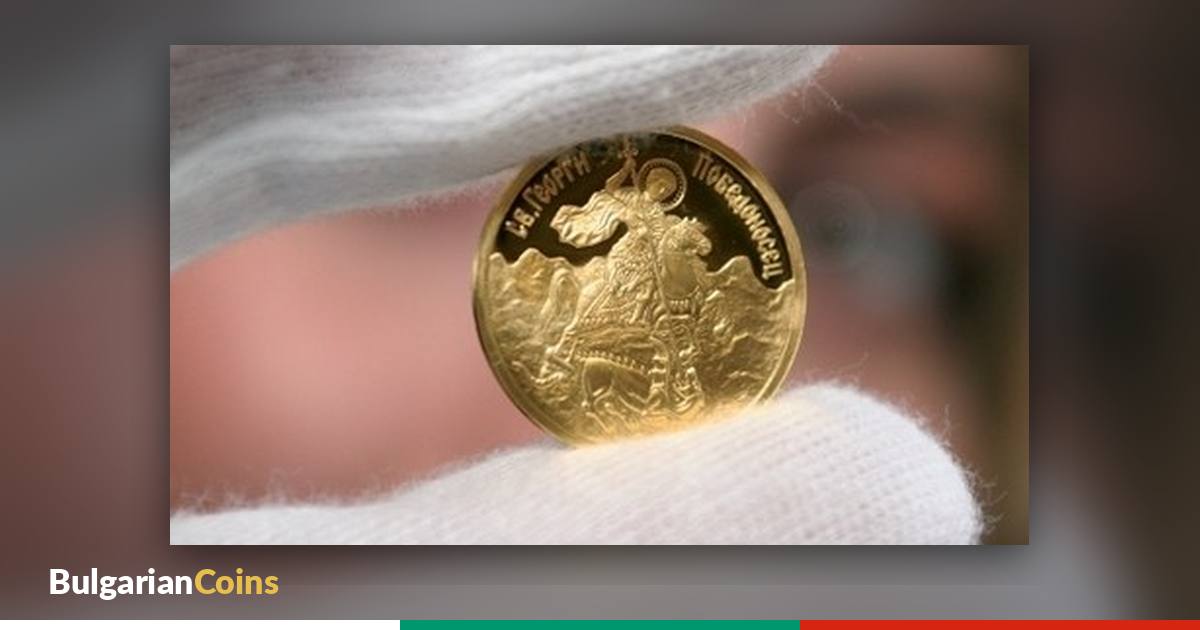
A ranking of the most expensive Bulgarian coins by current asking prices on Balkan Auction, from the 1894 gold 100 leva to the Golden Apple series, with the mintage, metal and reasons behind each price.
How to choose coin albums and binders: binders with pocket pages, albums with round slots, trays and boxes, capsules and flips – materials to avoid (PVC), which solution suits circulation coins, silver, gold and BNB proof coins, and how to organise a collection.
Bank safe deposit box versus home safe for a coin collection: security, access, humidity, insurance and cost, plus practical tips for choosing and using a home safe in Bulgaria.
Which plastics and papers are safe for coins (Mylar, polypropylene, polyethylene, acrylic, acid-free paper) and which ones damage them (soft PVC, rubber, ordinary cardboard, wood), with a quick test for unknown flips.
Why copper and bronze are the most sensitive metals in a collection, how to recognise bronze disease (powdery light-green spots), and what to do: isolate, dry, and get specialist help for valuable pieces.
From 1881 to 1951 every Bulgarian coin was struck abroad: Heaton in Birmingham, St Petersburg, Brussels, Kremnica, Paris, Vienna, Budapest, Berlin, Poissy and Leningrad. Which mints made which coins and how to recognise their mint marks.
When individuals in Bulgaria owe income tax on selling coins: collectibles are an explicit exception to the tax-free sale of personal property, the taxable amount is the gain over the purchase price, taxed at 10% and declared in Annex 5 of the annual return. Investment gold and VAT explained.
The three Bulgarian currency reforms explained: 100:1 in May 1952, 10:1 in 1962 and 1000:1 on 5 July 1999 – why they happened, which coins were issued afterwards, and how they affect issue prices and catalogue comparisons.
An honest review of home remedies for cleaning coins, from the safe (distilled water, pure acetone) to the destructive (baking soda, lemon, toothpaste, silver dip).
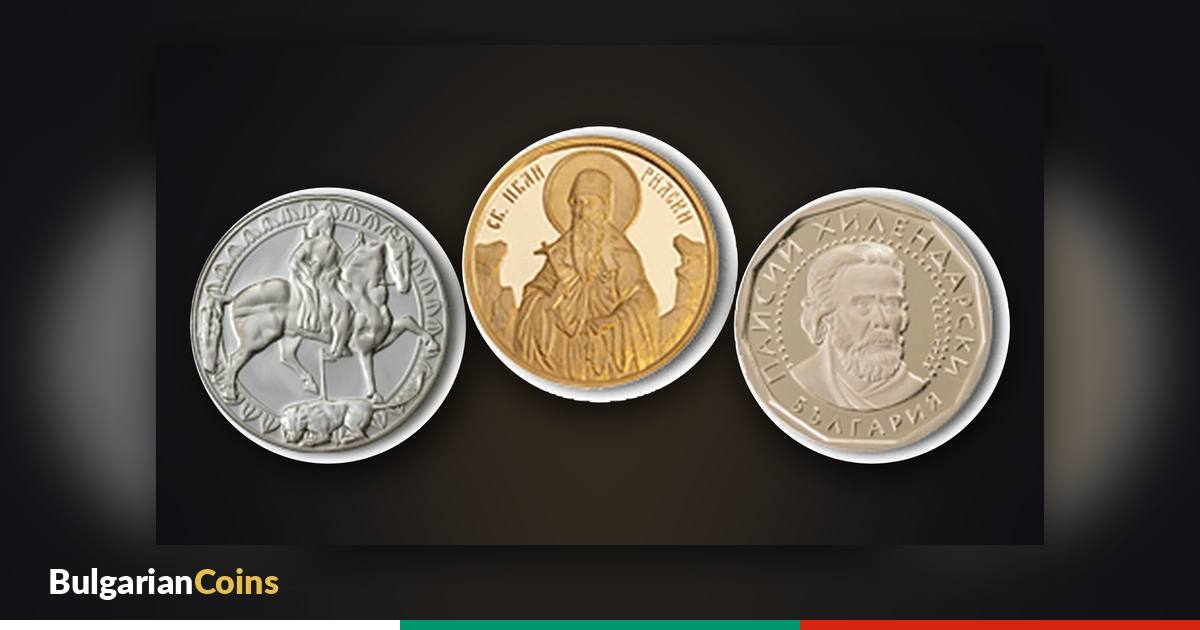
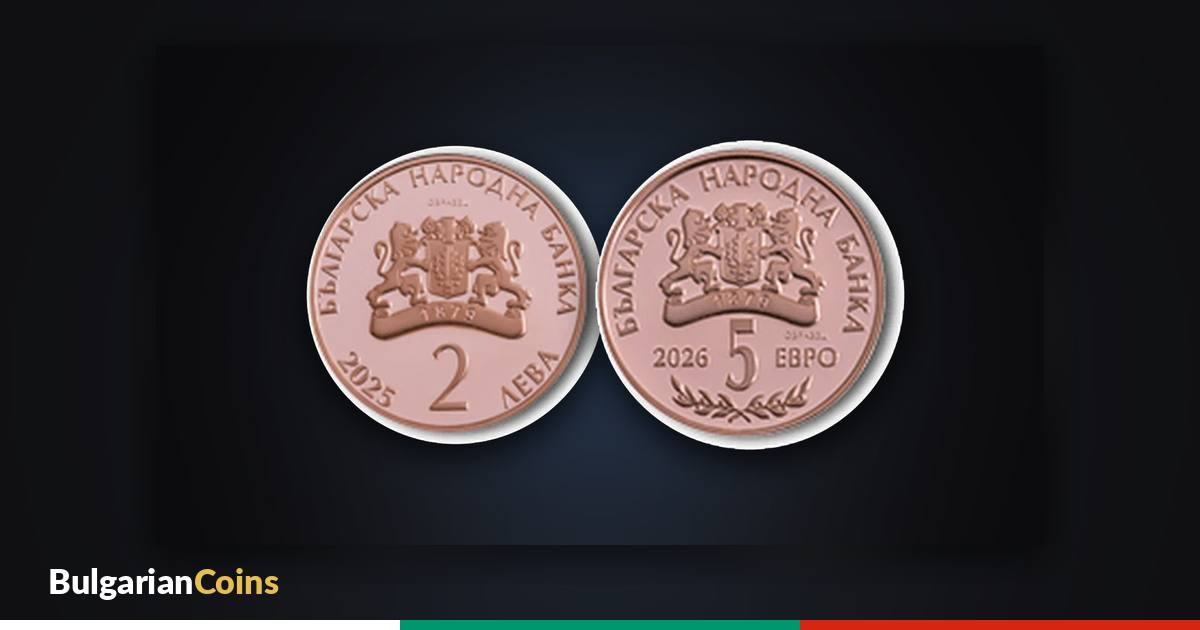
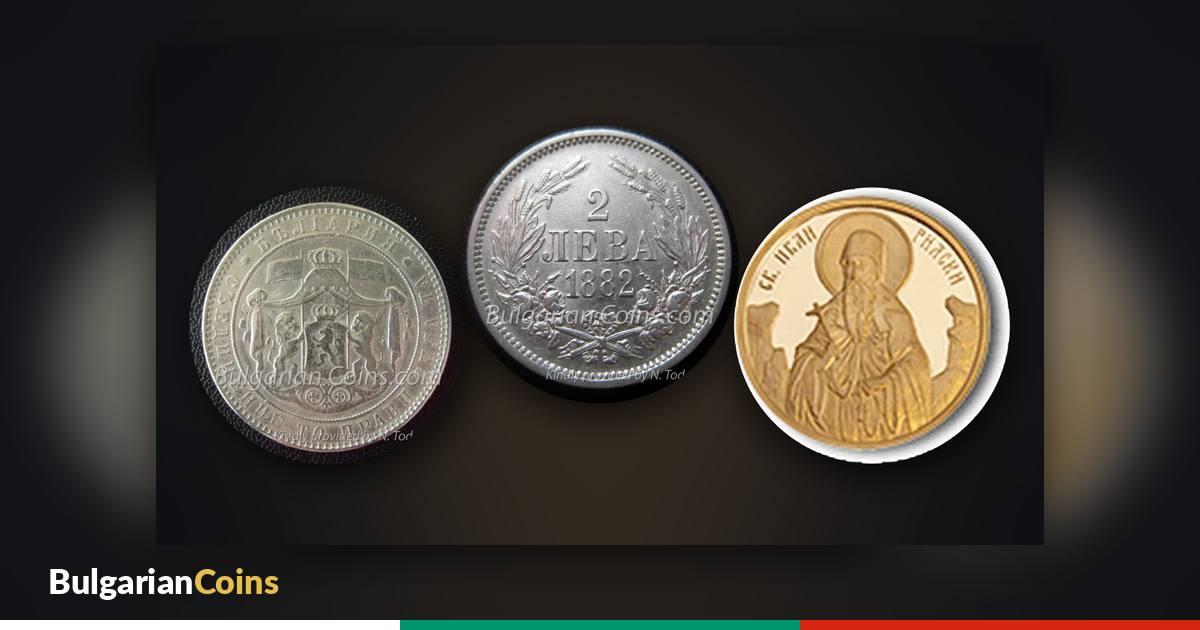
Why the BNB kept the symbols of the lev coins (the Madara Horseman, St Ivan of Rila, Paisiy of Hilendar), how the design was approved from 2023 to 2025, and the 2-euro edge inscription.
An honest look at coins as an investment: what issue-versus-market data for BNB coins shows, survivorship bias, liquidity, spreads, fees and taxes, and when collecting can also be a reasonable store of value.
We compared the issue prices of 129 BNB commemorative coins since 1997 with current asking prices on Balkan Auction: the biggest risers, the median multiple, gold versus silver and copper-nickel, and what the numbers do and do not mean.
How to check the certificate, capsule and box of a BNB commemorative coin: what an original certificate contains, signs of copied or mismatched certificates, replica coins in original packaging, fake PCGS and NGC slabs, and practical checks.
The artists behind Bulgarian coins: foreign engravers of the Principality and Kingdom (Formás, Scharff, Marschall, Berán, Metcalf), the Bulgarian sculptors of the socialist era (Stefan Nenov, Lyubomir Prahov, Georgi Chapkanov, Bogomil Nikolov) and today’s most prolific designers.
What Bulgarian law says about metal detecting and treasure hunting: archaeological objects belong to the state, metal detectors must be registered and used only for authorised activities, searching for archaeological objects without permission is a crime, and what to do if you find coins by chance.
The essential tools for a coin collector: a 5–10× loupe, a 0.01 g digital scale, digital calipers, a strong neodymium magnet, the right light, cotton gloves and holders – what to buy, what it costs and how to use each tool to check Bulgarian coins.
When a gold coin counts as VAT-exempt investment gold in Bulgaria (fineness, legal tender status, minted after 1800, premium under 80% over gold value), how this differs from BNB commemorative gold coins, and what buyers should check.
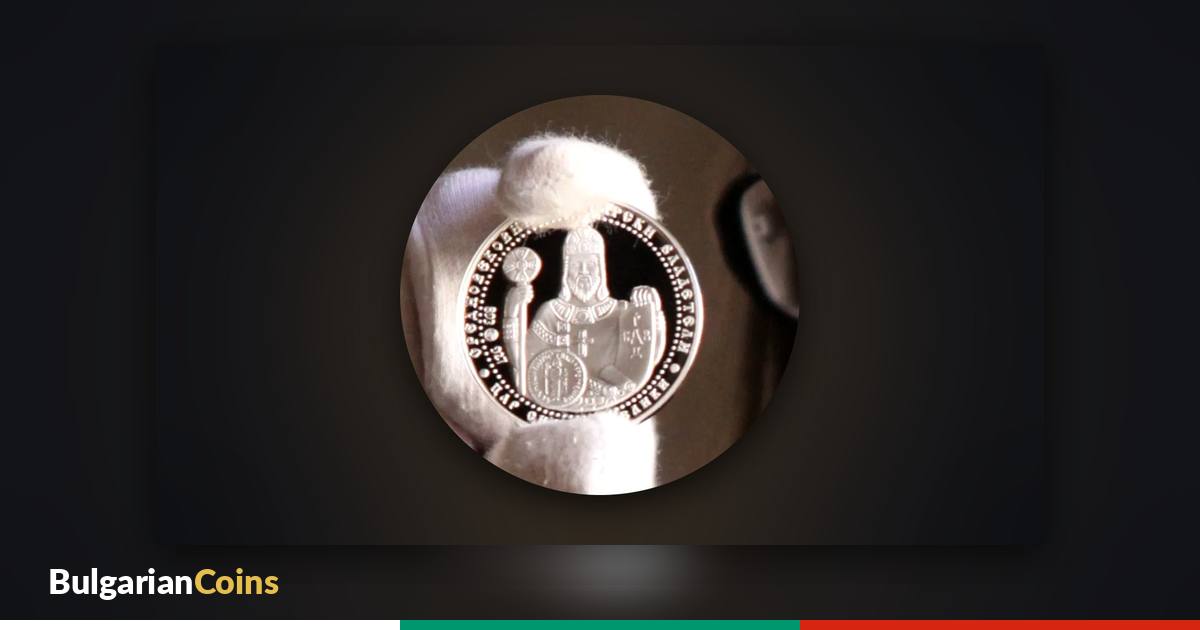
The story of one coin: the 2014 “Tsar Simeon the Great” silver 10 leva from the Medieval Bulgarian Rulers series – the ruler behind it, the 3,000 mintage, the 63 leva issue price and why it now appears in listings around €1,400.
Bulgarian rules for exporting coins: cultural values need an export permit or certificate from the Ministry of Culture, historic gold and silver coins need permission, foreign-origin coins imported with provenance documents can be exported within the EU with those documents, and practical tips for shipping and travel.
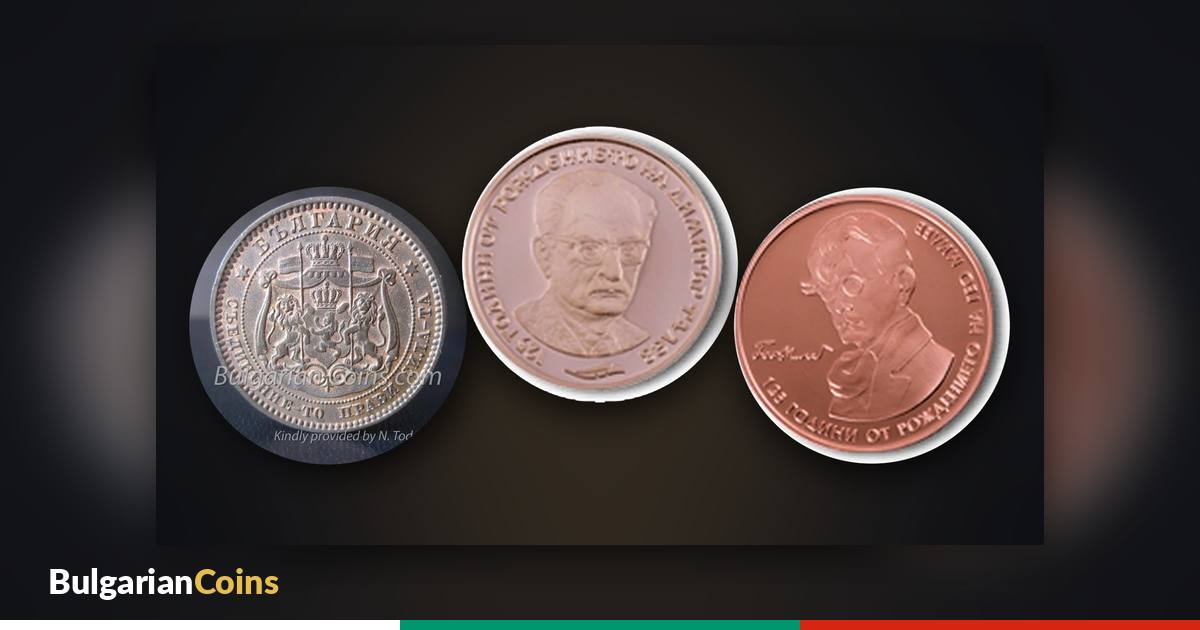
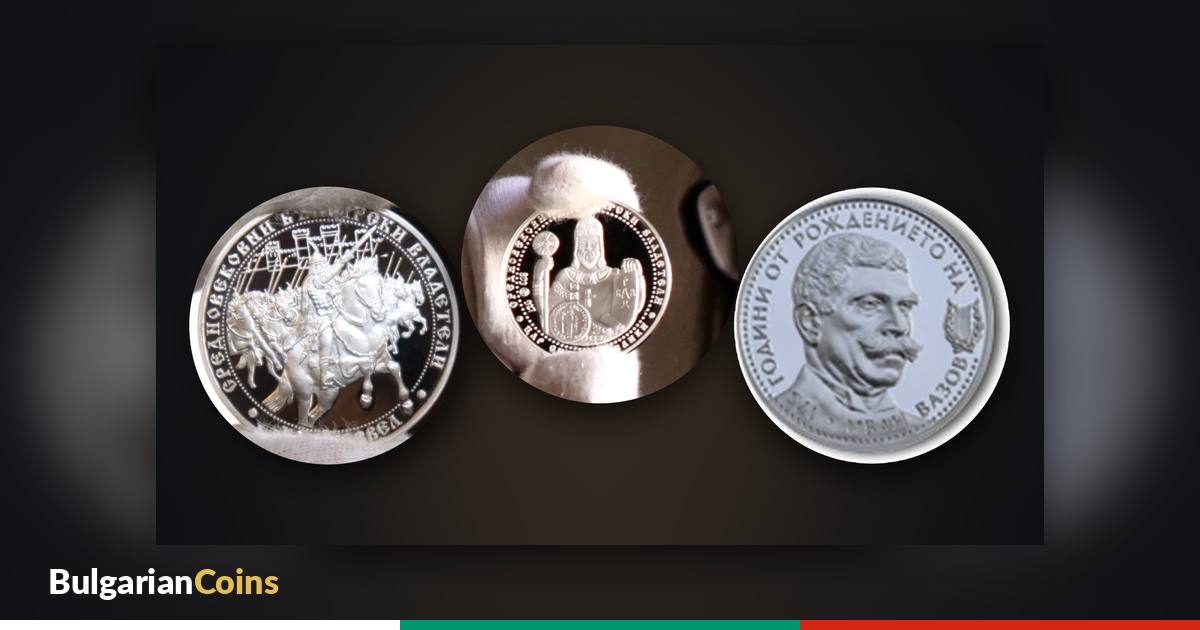
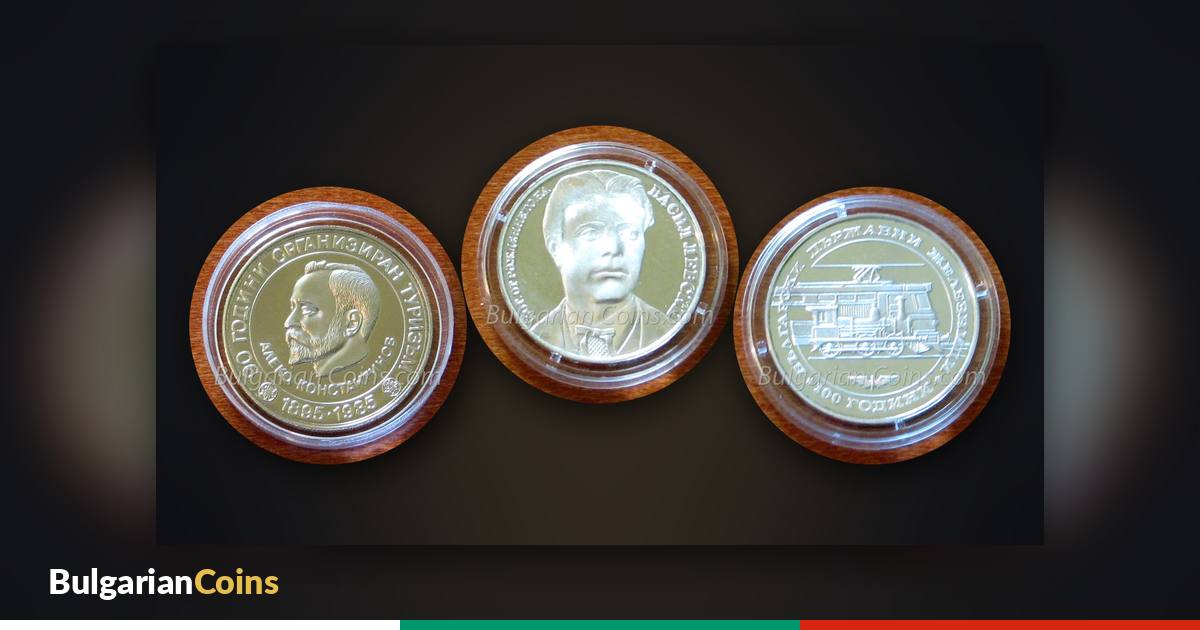
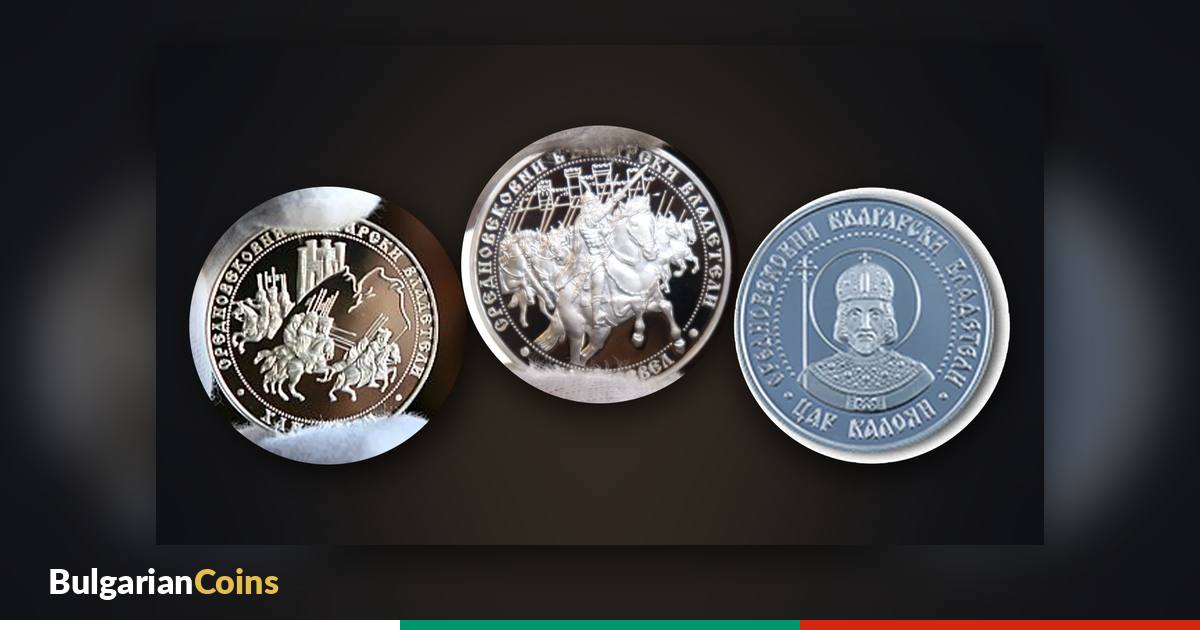
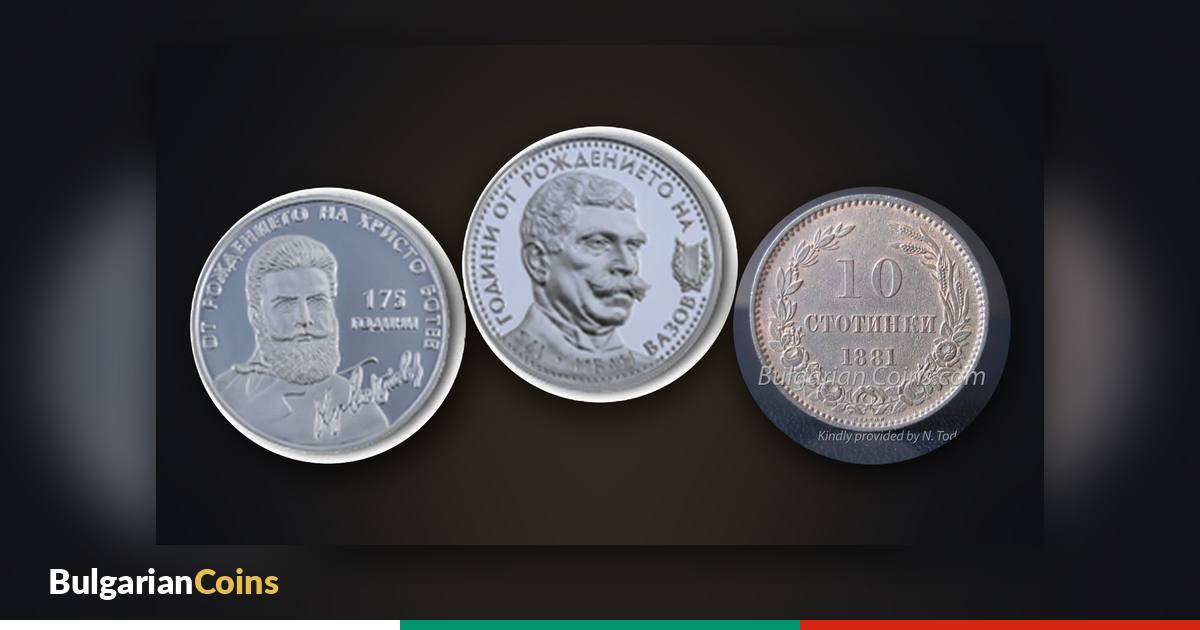
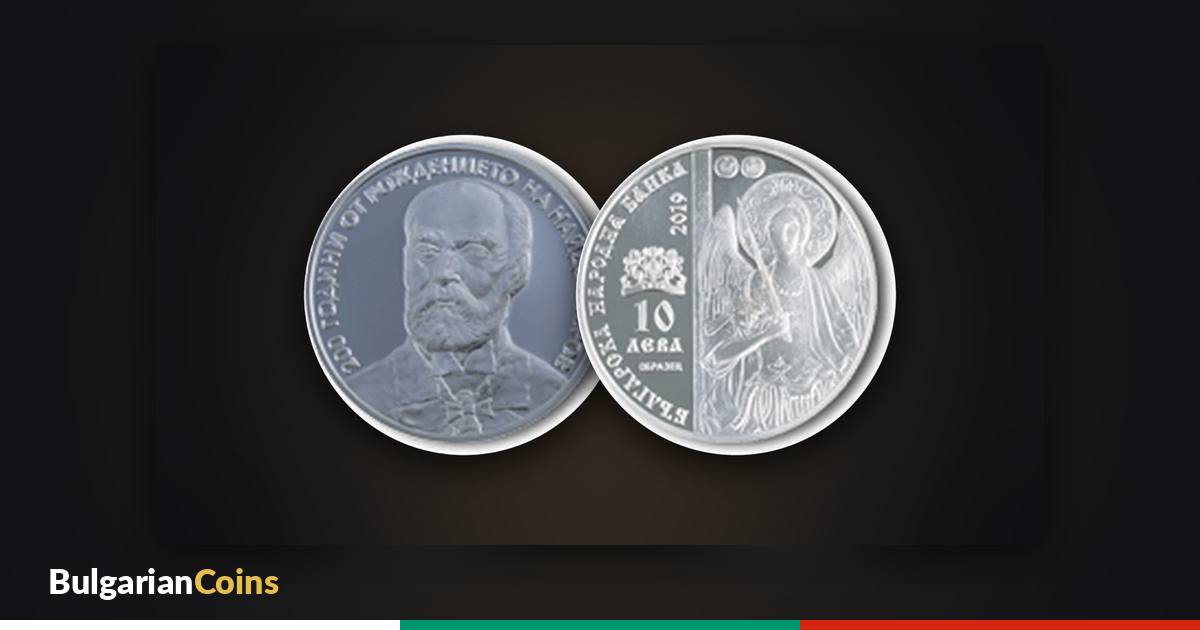
The people honoured on Bulgarian coins: medieval rulers (Tervel, Krum, Simeon, Samuil, Kaloyan), saints (Ivan Rilski, Kliment Ohridski), the National Revival (Paisii, Rakovski, Levski, Botev, Zahari Stoyanov, Vazov) and writers and artists (Yavorov, Debelyanov, Elin Pelin, Zahari Zograf) – with mintages and prices.
The main ways to buy Bulgarian coins – BNB counters, coin shops, online auction platforms, classified sites, international auctions and coin fairs – with the advantages, risks and checks for each.
Why fingerprints damage coins, when to wear gloves, how to hold a coin by its edge and how to work safely over a soft surface – a practical guide for Bulgarian collectors.
What to record for every coin, how to organise an inventory and why it matters for insurance, selling and inheritance – using a spreadsheet, an app or the BulgarianCoins catalogue numbers.
How to buy a new BNB coin: the coin programme, the Sofia counters, the one-coin limit, proxies, distributor banks and checking the coin at the counter.
The most common online coin scams – replicas sold as originals, stolen photos, fake sellers, “inheritance” stories, pressure tactics and unsafe payments – and a practical checklist to protect yourself when buying Bulgarian coins online.
Display cases, frames and stands for coins: how light, humidity, dust and security affect a displayed collection, which materials to use and which coins should stay in the safe.
Five checks for spotting a cleaned or polished coin at a fair or from photos: luster, hairlines, colour, deposits in the recesses and the edge – with typical cases among Bulgarian silver coins.
A step-by-step guide to selling a coin collection in Bulgaria: making an inventory, researching market prices, separating valuable coins, choosing between a dealer, an auction or private sale, and negotiating.
What it really costs to complete a BNB coin series: worked examples for the Medieval Bulgarian Rulers silver series and the gold Bulgarian Iconography series, comparing the sum of issue prices with current asking prices, and a strategy for collecting a full set.
Capsules, 2x2 holders, albums, trays and boxes compared: what is safe for the metal, what to avoid (PVC, damp, paper with acids) and how to store BNB proof coins.
A practical guide to sharp, honest coin photos with a phone: daylight or two lamps, a plain background, a steady phone, both sides and the edge, and how to photograph proof coins in capsules.
Five affordable directions for a new collector (circulation coins by year, Kingdom silver, copper 2-leva coins, a theme, a series) and the rules that protect your money.
How online coin auctions work for Bulgarian collectors: fixed-price and bidding listings, buyer and seller fees, seller ratings, shipping, reading listings critically, and the difference between an asking price and a sale.
A step-by-step method for estimating the grade of your own coins with a loupe and a lamp: wear on the high points, luster, marks, eye appeal and problems – with the high points to check on common Bulgarian coins.
How to collect ancient coins legally in Bulgaria: buy only identified and registered coins from dealers licensed by the Ministry of Culture, ask for provenance and registration documents, be careful with foreign purchases, and avoid looted coins.
Why a low mintage is not the whole story: how mintage, the number of surviving coins and collector demand together determine rarity, with examples from the BulgarianCoins catalogue.
Not all defects are equal. How bag marks, hairlines, rim knocks, scratches, spots, cleaning and toning affect a coin’s grade and price, ranked from minor to serious, with examples from Bulgarian coins.
A calendar of round Bulgarian anniversaries from 2027 to 2031 that could inspire future commemorative coins – the 150th anniversaries of the Liberation, the Tarnovo Constitution, the BNB, Sofia as capital, the lev and the first coins, plus writers and revolutionaries – and how collectors can use it.
Mass-produced replicas of Bulgarian coins sold on global marketplaces and resold as originals: which coins are copied most, how replicas differ in weight, metal, sound, edge and details, and the warning signs in online listings.
Building a numismatic library for Bulgarian coins: the Standard Catalog of World Coins (Krause), online databases such as Numista, BNB publications and its coin pages, grading guides, Bulgarian-language catalogues and history books, and how to use them together.
An introduction to collecting Bulgarian banknotes for coin collectors: the main eras from the first BNB notes of 1885 to the last leva, gold and silver notes, condition grades from UNC to G, storage, fakes and how to build a first collection.
How to start coin collecting with children: first coins from pocket change and the last leva and stotinki, euro coins from different countries, animal and sports themes, simple tools, games and how coins teach history, geography and maths.
How to tell what your old Bulgarian coins are worth: year, metal, mintage and condition, which coins have value and how to check prices before you sell.
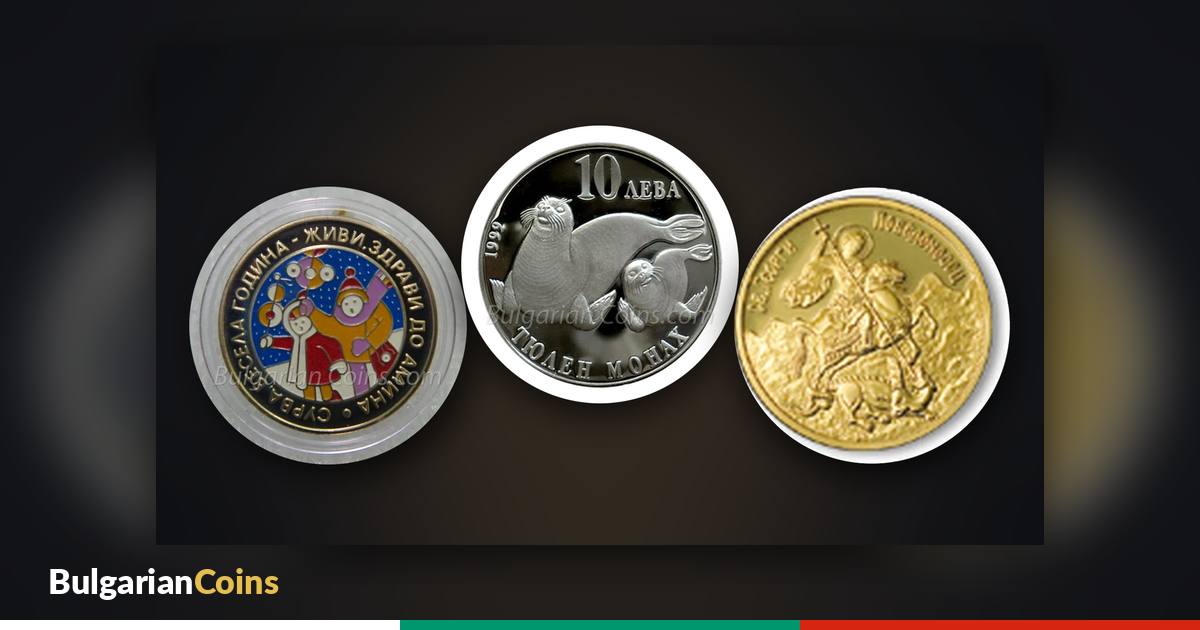
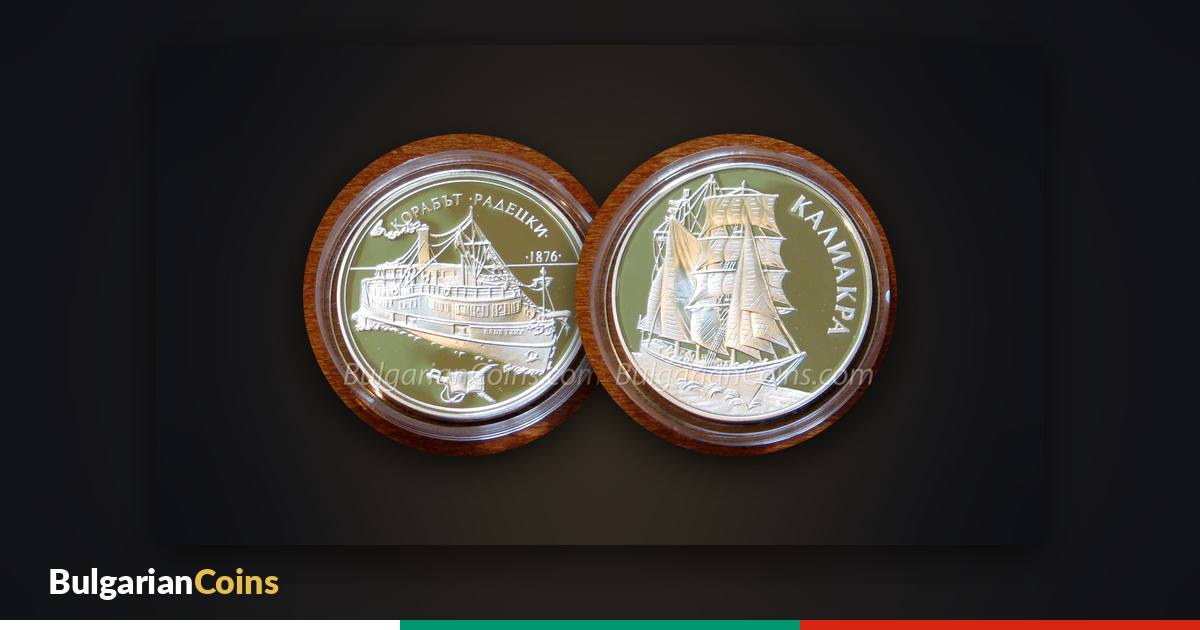
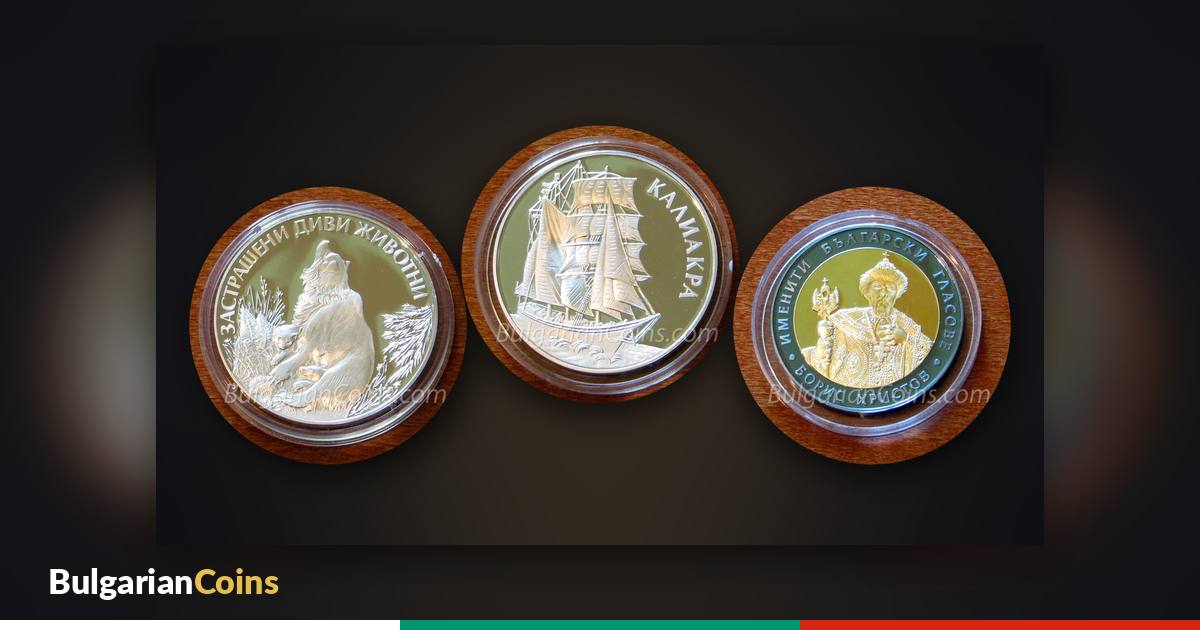
Bulgarian coins with maritime themes: the Radetzky steamship (1992), the Kaliakra sailing ship (1996), the Black Sea Coast (2006) and the Monk Seal (1999), with the history behind each, mintages and current asking prices.
When a coin counts as a movable cultural value under the Bulgarian Cultural Heritage Act, what identification and registration mean, who carries them out (museums, licensed dealers, registered numismatic societies), and what it means for buying and selling.
Why the lev was created equal to the French franc: the 1880 coinage law, the bimetallic standard of the Latin Monetary Union, identical weights and fineness of Bulgarian and French silver and gold coins, and what changed after 1912.
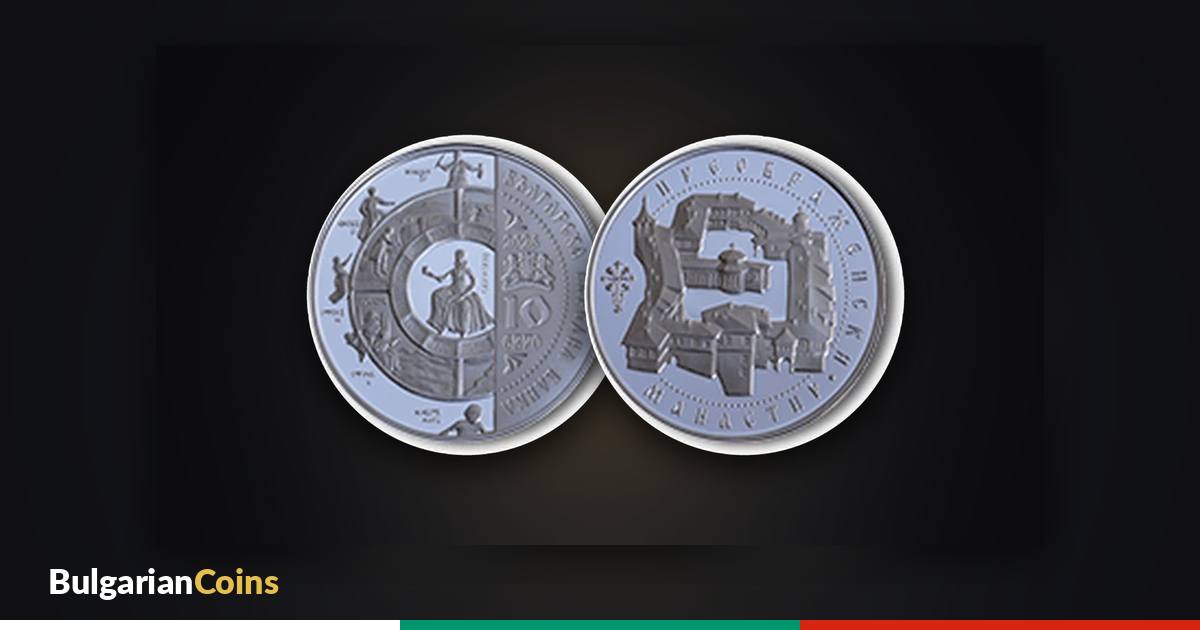
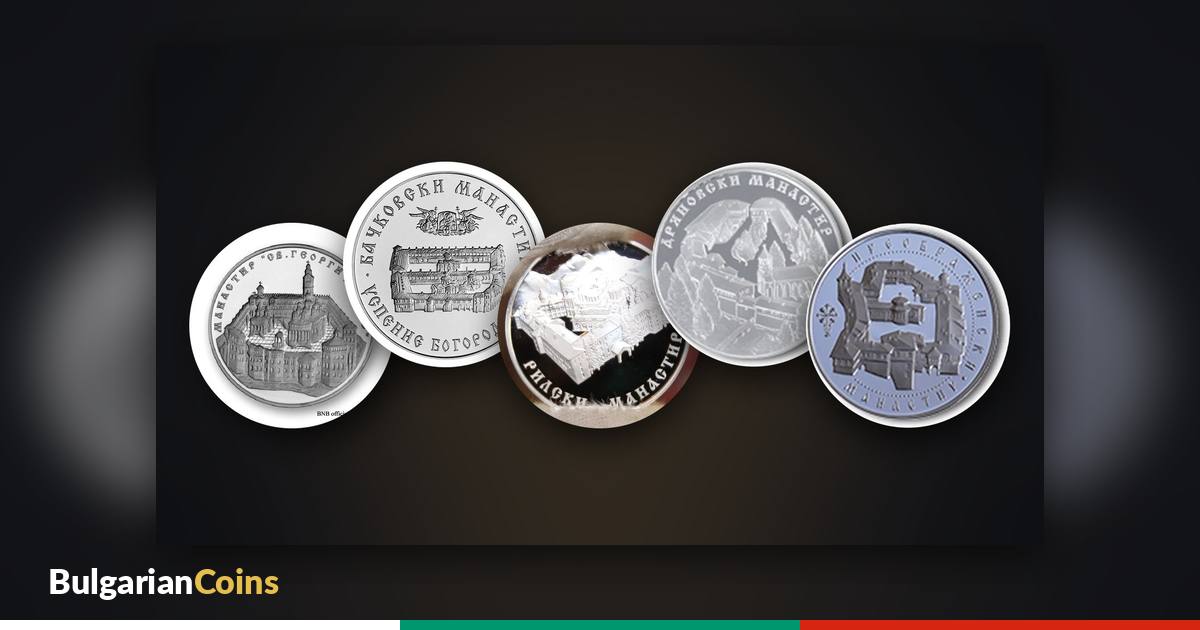
From the Rila Monastery 2-leva coin of 1981 to the Preobrazhenski Monastery 10 euro of 2026: every Bulgarian monastery coin in the catalogue, with mintages, designers and the history of each monastery.
The lowest-mintage modern BNB coins since 1997 – from the 250-piece Golden Apple gold coins to the 2,000-piece copper and silver issues – how quickly they sold out at the BNB counters and how their prices developed.
The main types of minting errors – off-centre strikes, double and multiple strikes, clipped planchets, broadstrikes, die cracks and cuds, brockages and wrong planchets – how they happen, what they are worth and how to tell them from post-mint damage.
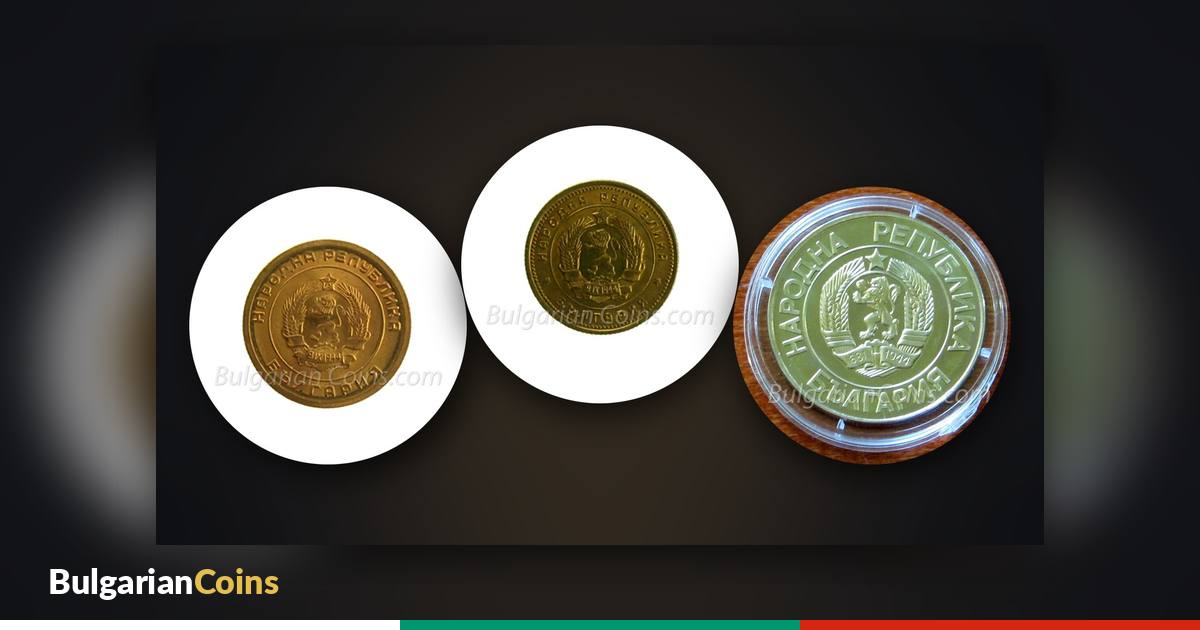
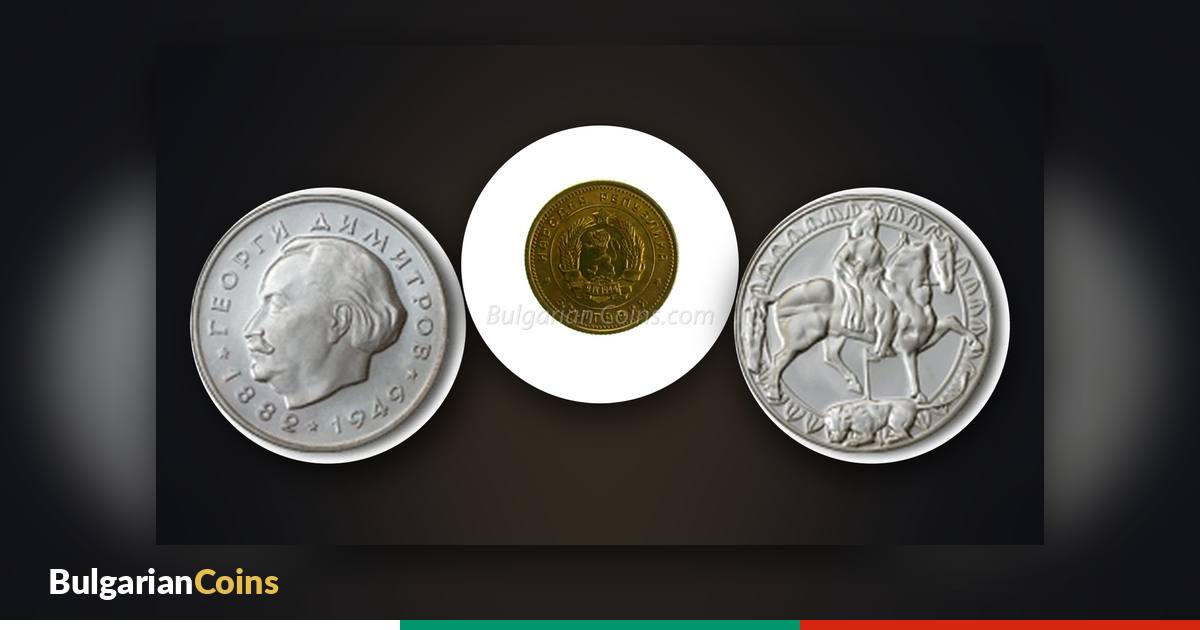
Coins of the People’s Republic of Bulgaria (1946–1990): the circulation series of 1951, 1962, 1974 and 1988–89, the changing state emblem, Soviet-style designs, the first commemorative coins of 1965, Georgi Dimitrov coins and the 1300 Years of Bulgaria programme.
How the Balkan Wars, the First World War and the Second World War changed Bulgarian coins: zinc stotinki of 1917, aluminium leva of 1923, copper-nickel of 1940 and the iron coins of 1941 and 1943 – and why high-grade examples are rare today.
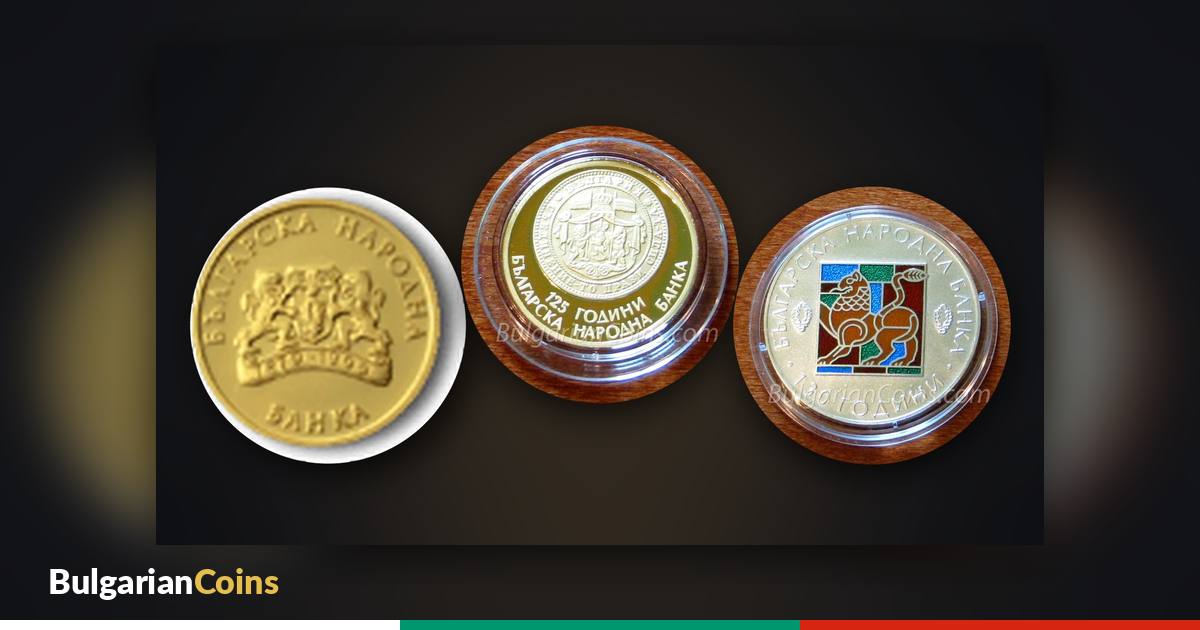
The commemorative coins the Bulgarian National Bank issued for its own anniversaries – 120 years (1999), 125 years (2004) and 130 years (2009) – with their metals, mintages and prices, plus a short history of the bank.
How coins became part of Bulgarian customs: the lucky coin in the New Year banitsa and Christmas bread, gold coins in bridal jewellery and dowries, coins for newborns and christenings, coins in rituals for the dead, for new houses and for luck.
The history of the Bulgarian Mint in Sofia from its opening in 1952, the first circulation and commemorative coins struck there, and the step-by-step process of making a coin: theme, design competition, plaster model, die, blank, striking and quality control.
Why most “error coins” found in change are not mint errors: post-mint damage, wear, environmental and chemical damage, plating and deliberate alteration – with a simple checklist to tell real errors from false alarms.
Mules (coins struck with mismatched dies) and wrong-planchet errors explained: how they happen, how to recognise them by weight, diameter and metal, why they are among the rarest errors, and how to avoid fake “errors” made after minting.
How inscriptions on Bulgarian coins changed: the state names (Principality, Kingdom, People’s Republic, Republic), the old letters ъ and ѣ before the 1945 spelling reform, the edge motto „БОГЪ ДА ПАЗИ БЪЛГАРИЯ“, the motto on the coat of arms and the inscriptions on Bulgarian euro coins.
The history of coin jewellery in the Bulgarian lands – gold coin necklaces and headdresses, pierced and looped coins – and how to value coin jewellery today: metal value, numismatic value, the effect of holes and soldered loops, and modern bezel pendants that keep coins intact.
What to do in the first weeks after inheriting a coin collection: what not to do, how to find out what it contains and roughly what it is worth, how to avoid the classic tricks of opportunistic buyers, and how heirs can share it fairly.
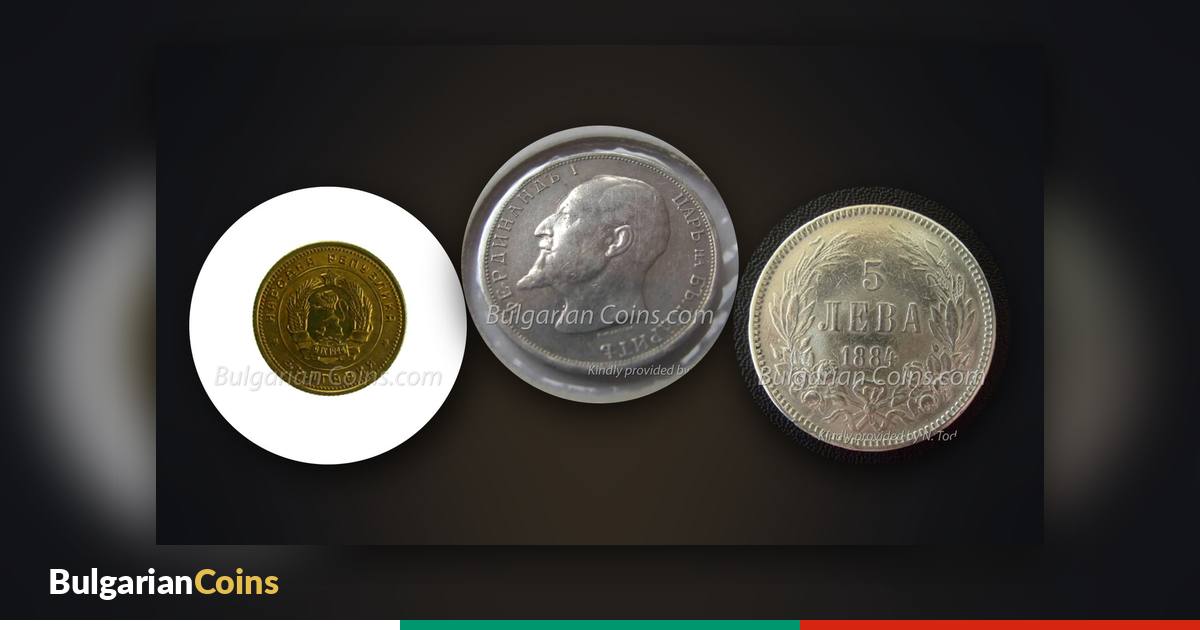
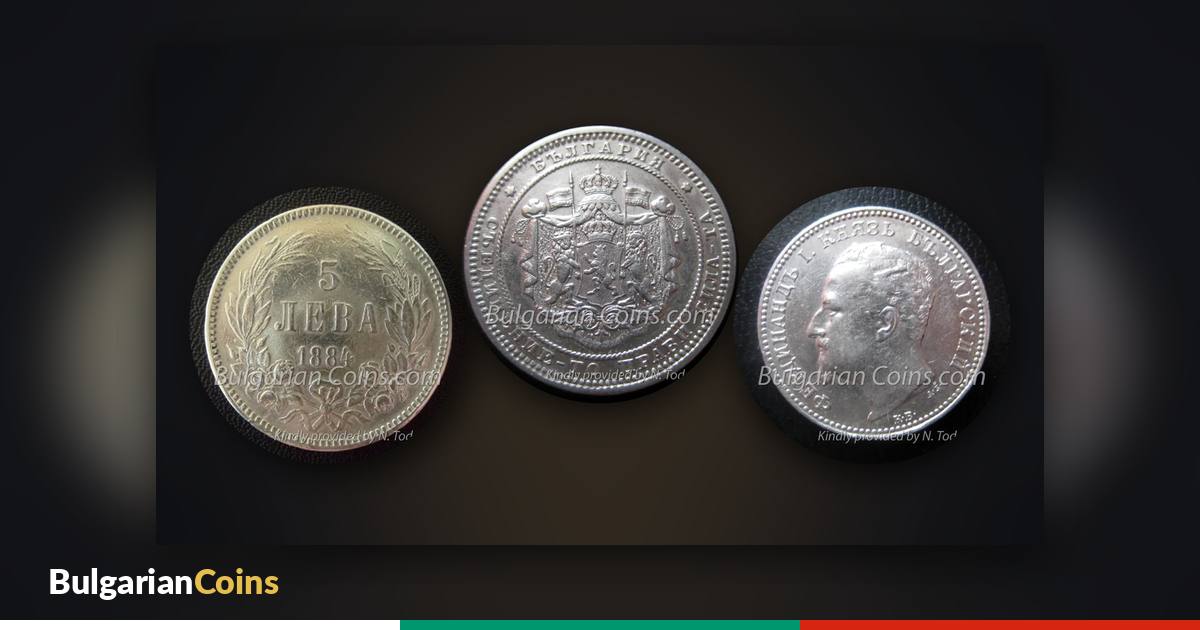
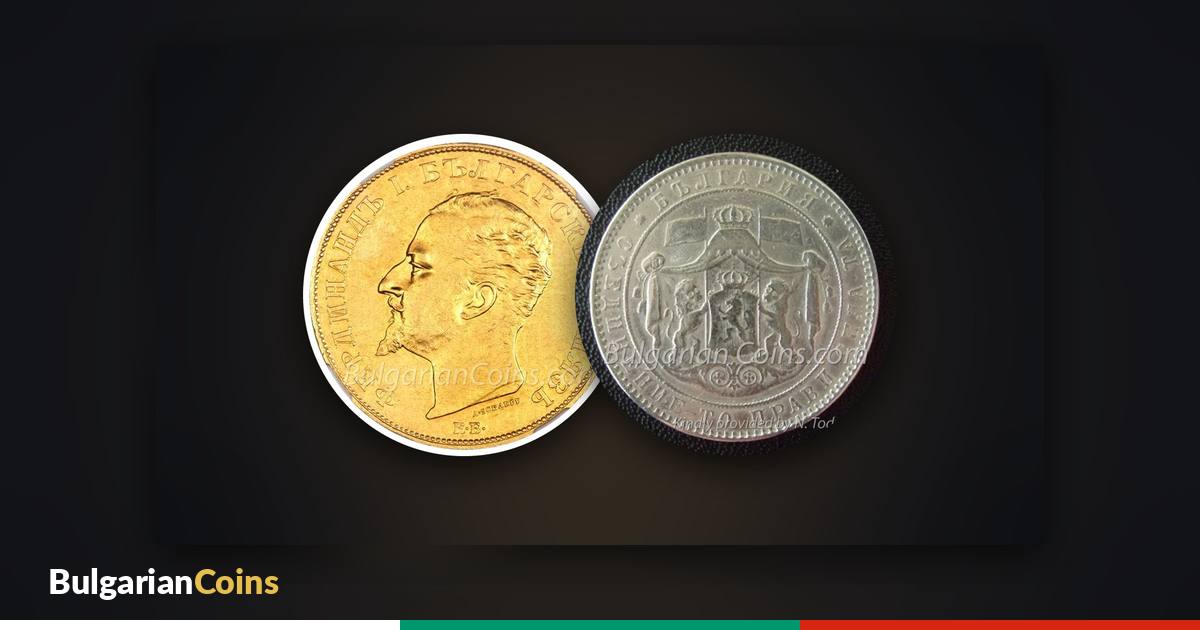
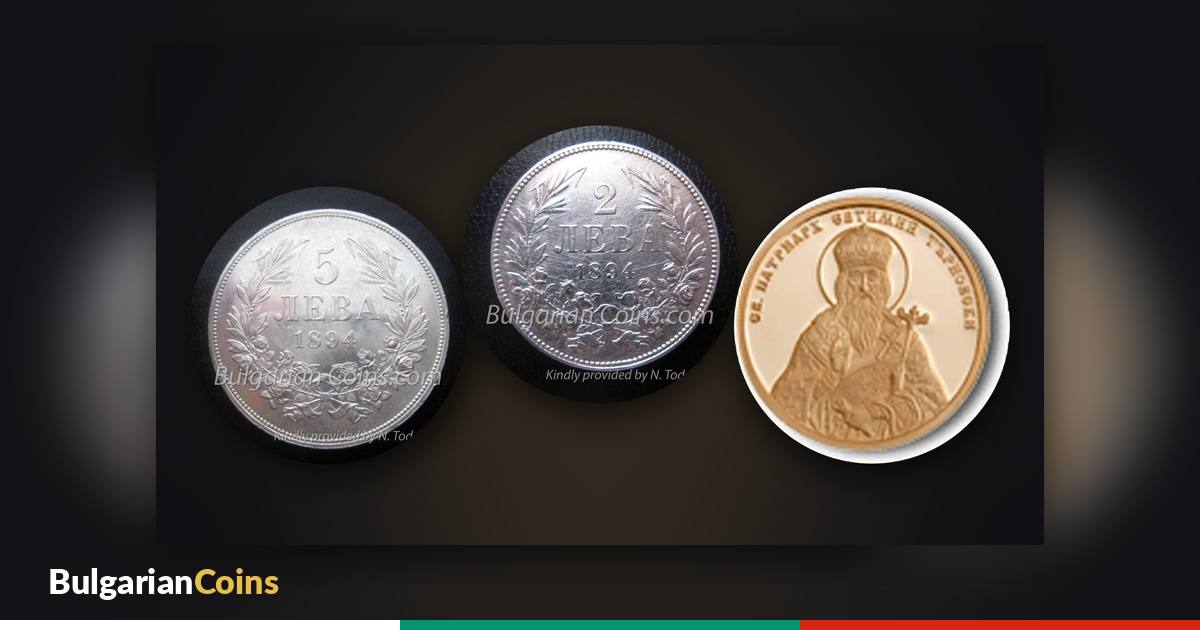
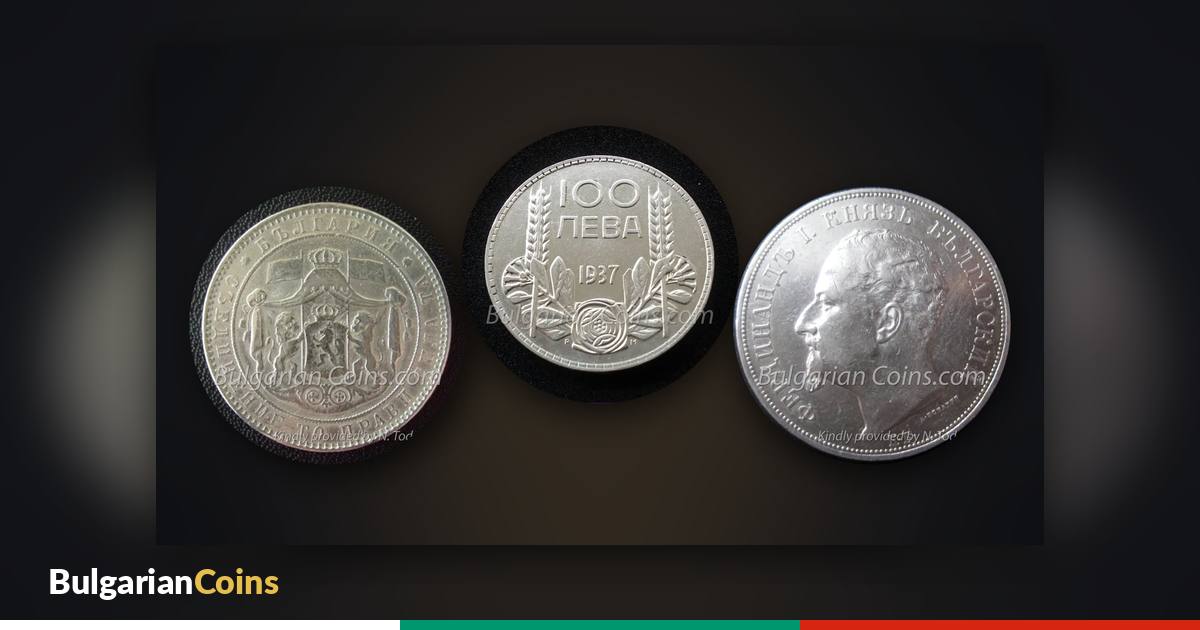
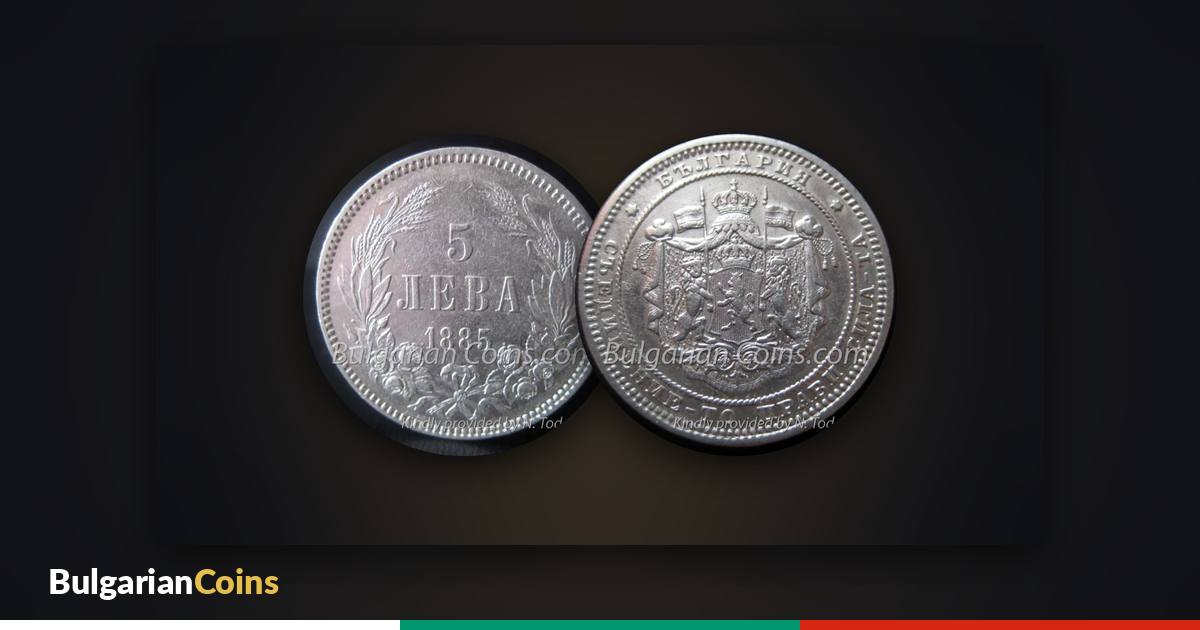
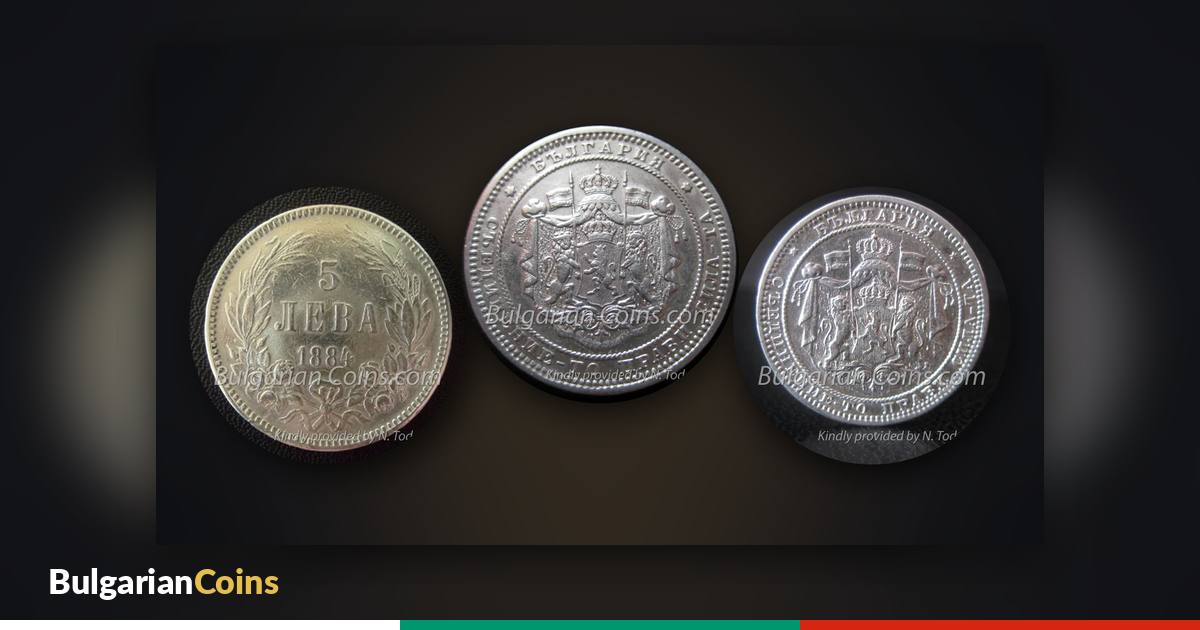
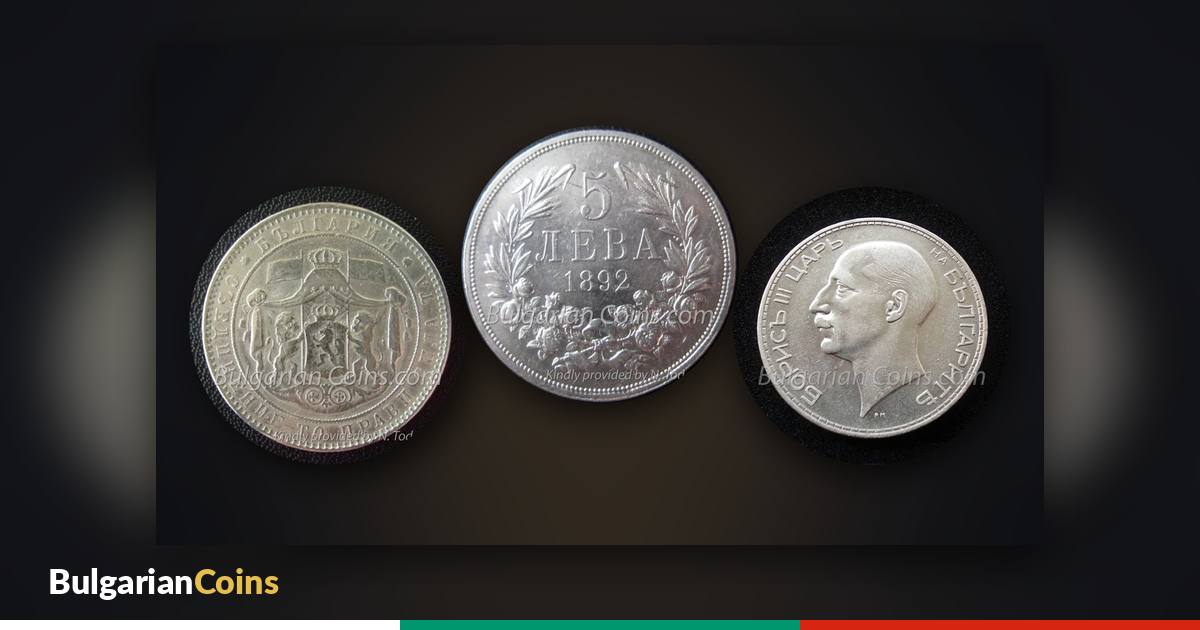
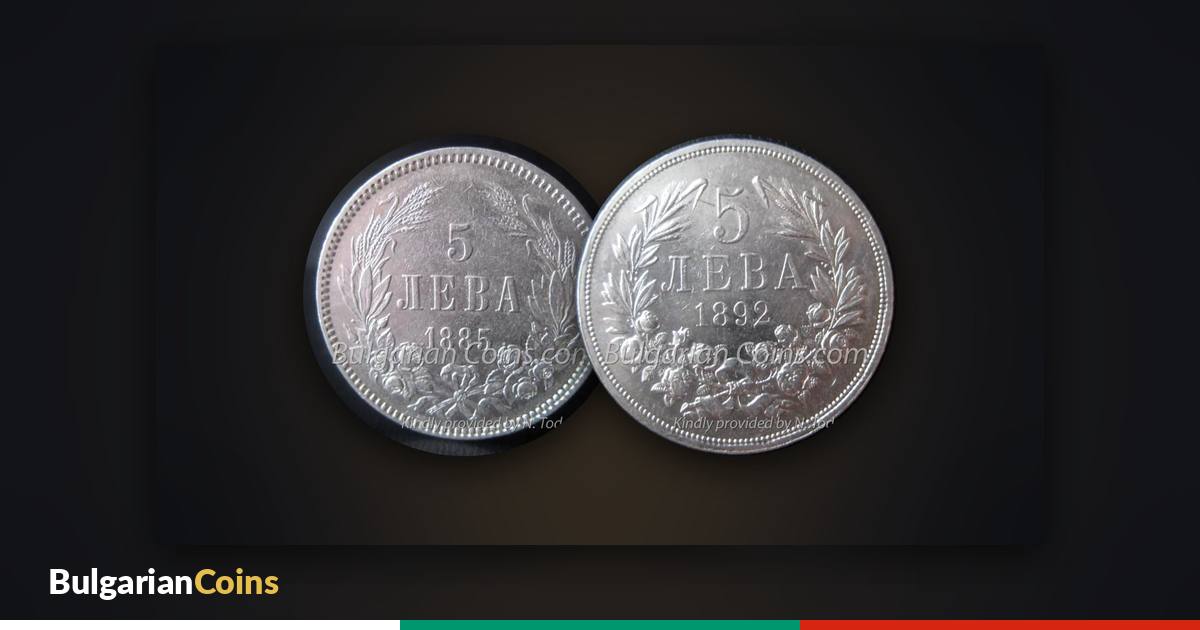
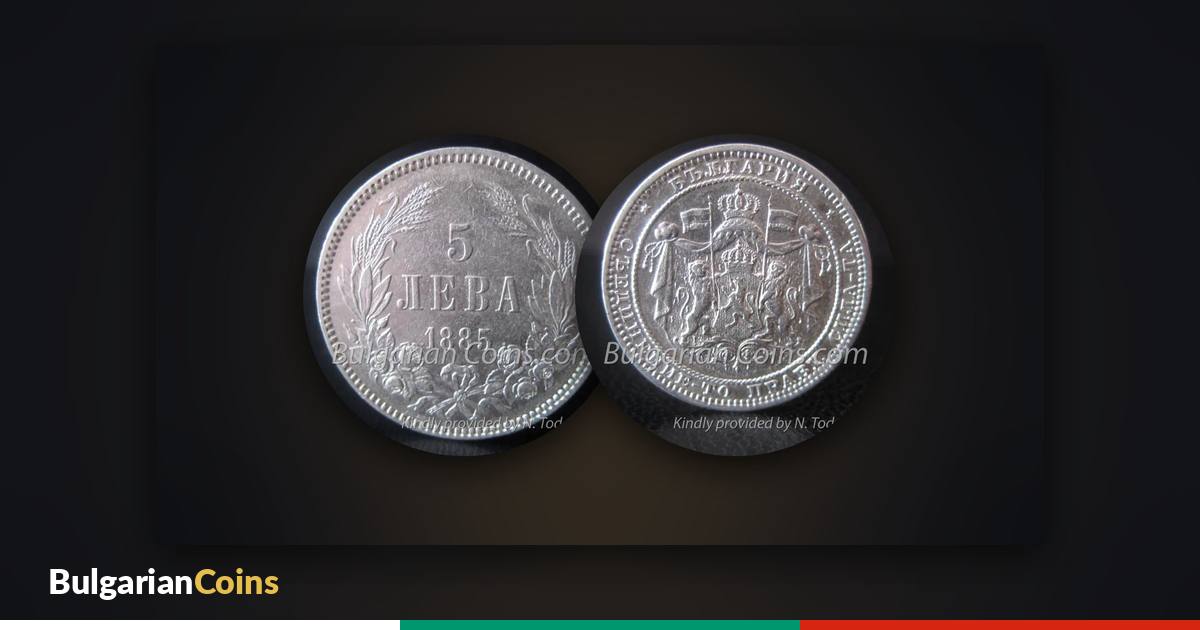
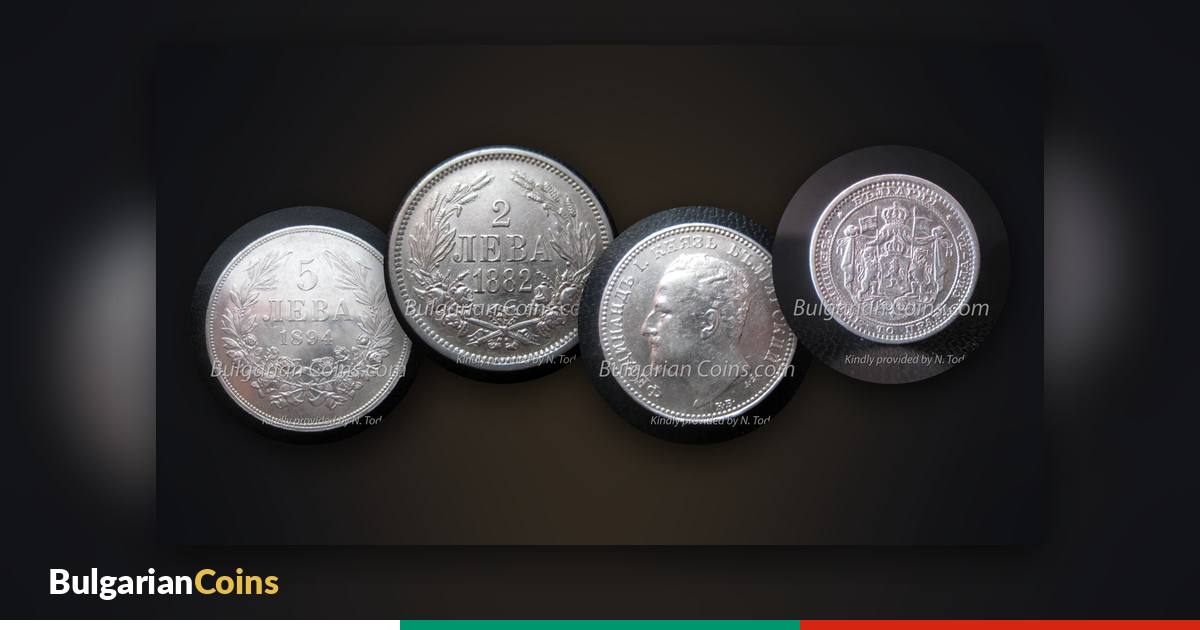
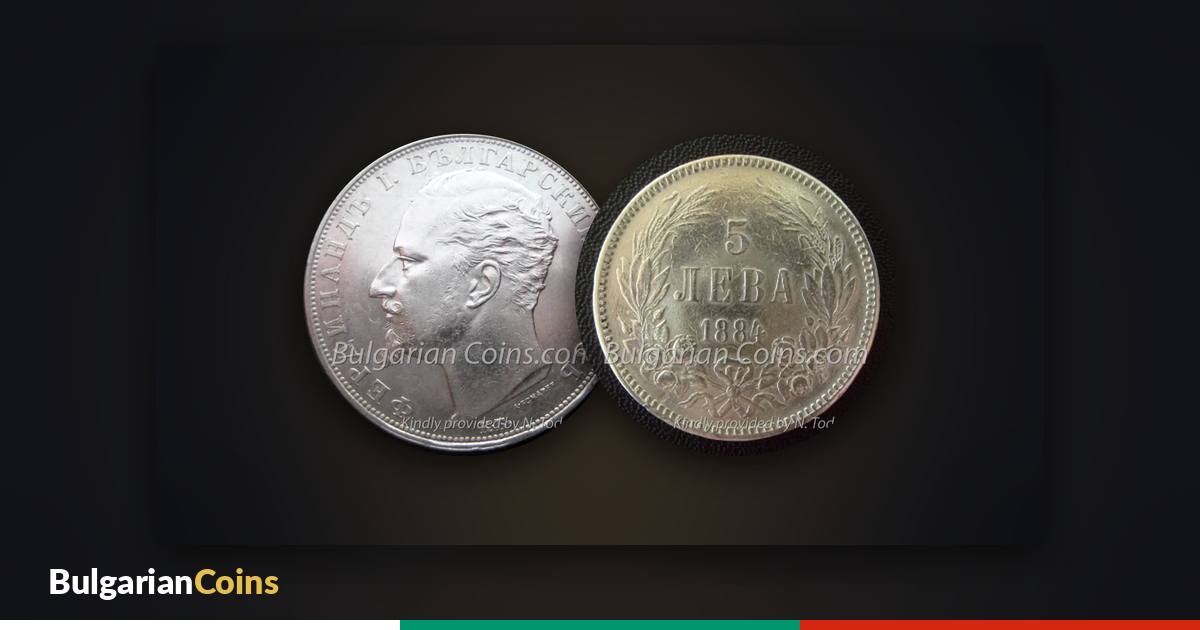
Ferdinand’s gold coins, the silver 5 leva of the Principality and other favourite targets of counterfeiters, plus the checks that expose most fakes: weight, diameter, magnet, edge and details.
When third-party grading by NGC or PCGS pays off for Bulgarian coins, what it really costs (fees, shipping, insurance, time), the price gap between graded and raw coins in current listings, and how to verify a slab.
Where to see coins in Bulgaria: the free BNB Museum Collection in Sofia, the National Archaeological Institute with Museum (over 300,000 coins), the National History Museum’s coin hall, regional history museums and temporary exhibitions – with opening hours and tips.
Where Bulgarian coin collectors meet: numismatic societies and clubs in Sofia and other cities, collector fairs and antique markets, online groups and forums – benefits, etiquette, safety tips and how to join.
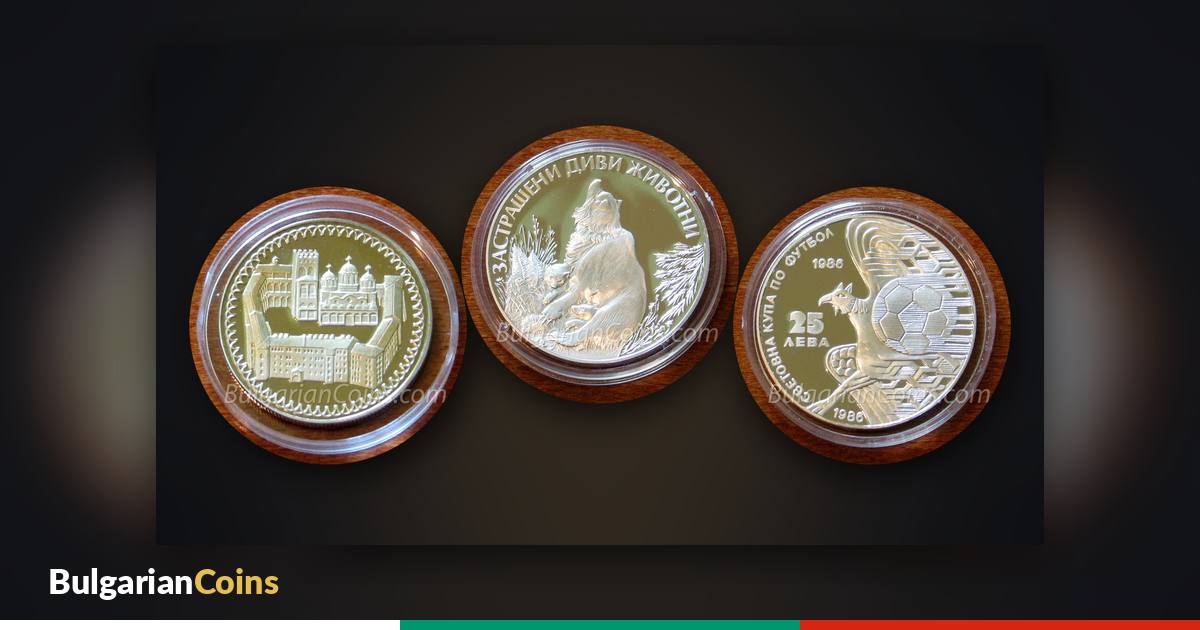
A complete overview of Bulgarian Olympic coins: the 1975 Olympic Congress coins, the socialist-era silver and copper-nickel issues for Sarajevo, Calgary and Seoul, the 1990s silver series, the gold Athens 2004 set and modern issues, with mintages and market notes.
From the 1880 coinage law to 1 January 2026: the main stages in the life of the Bulgarian lev, the fixed rate of 1.95583, and what the changeover means for coin collectors.
Toning, spots, green and black deposits on Bulgarian coins: which colours are natural, which are damage, what a collector can safely do and when restoration does more harm than good.
What people used as money in the Bulgarian lands before 1880: Ottoman piastres (grosh) and para, gold lira, Austrian thalers, French napoleons and Russian roubles brought by the army in 1877–78, and how the new lev gradually replaced them.
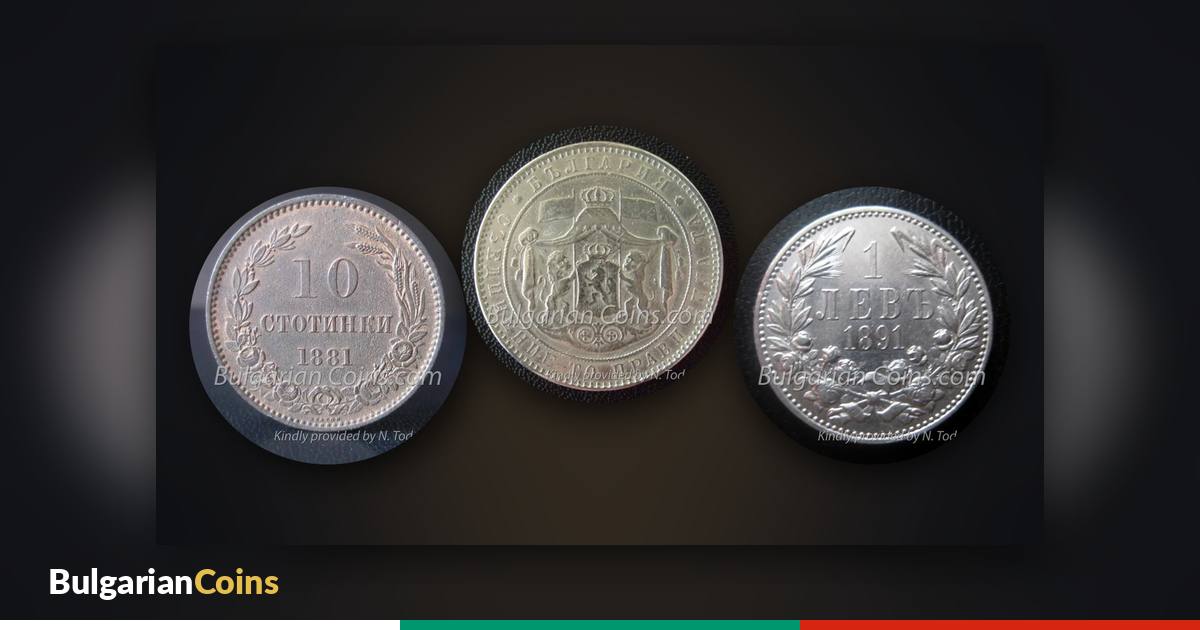
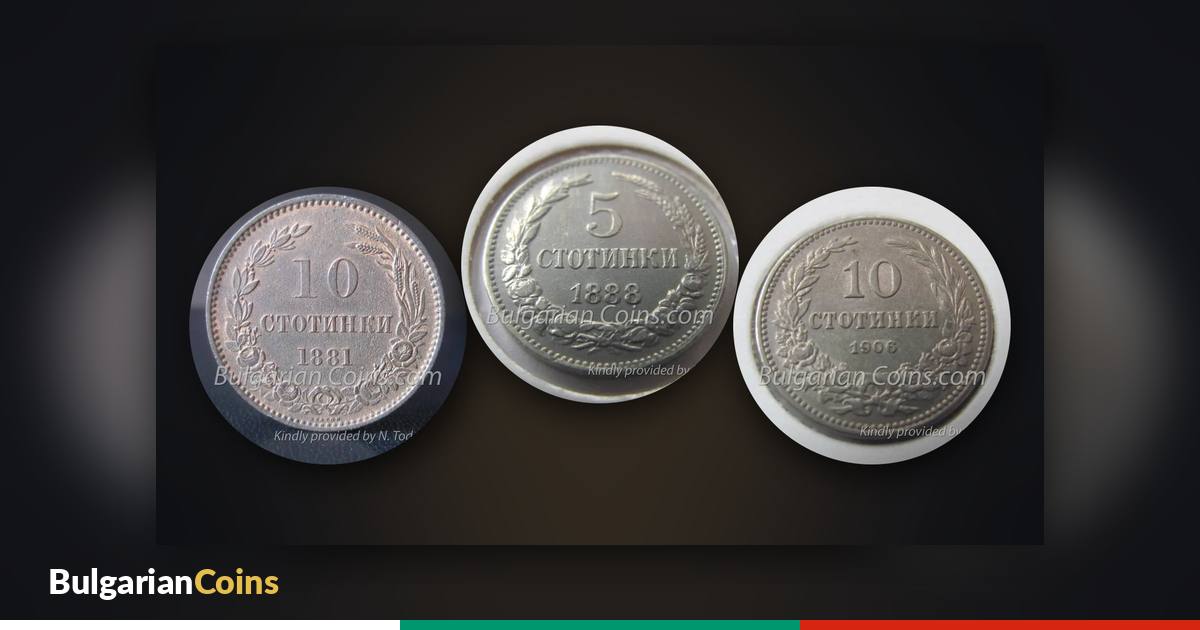
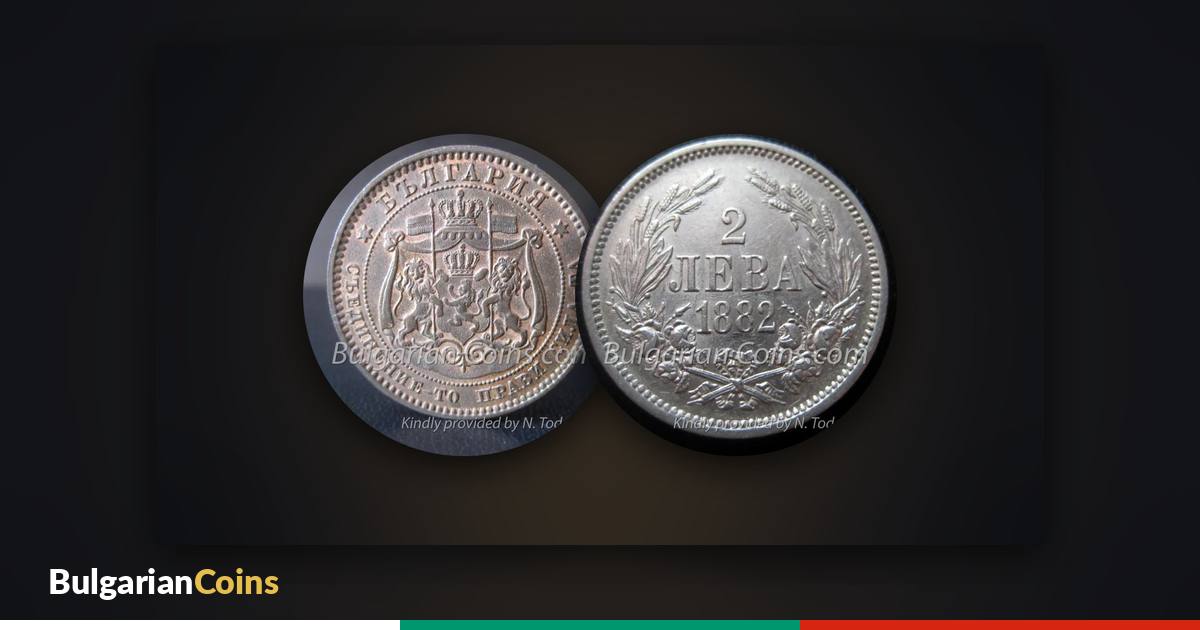
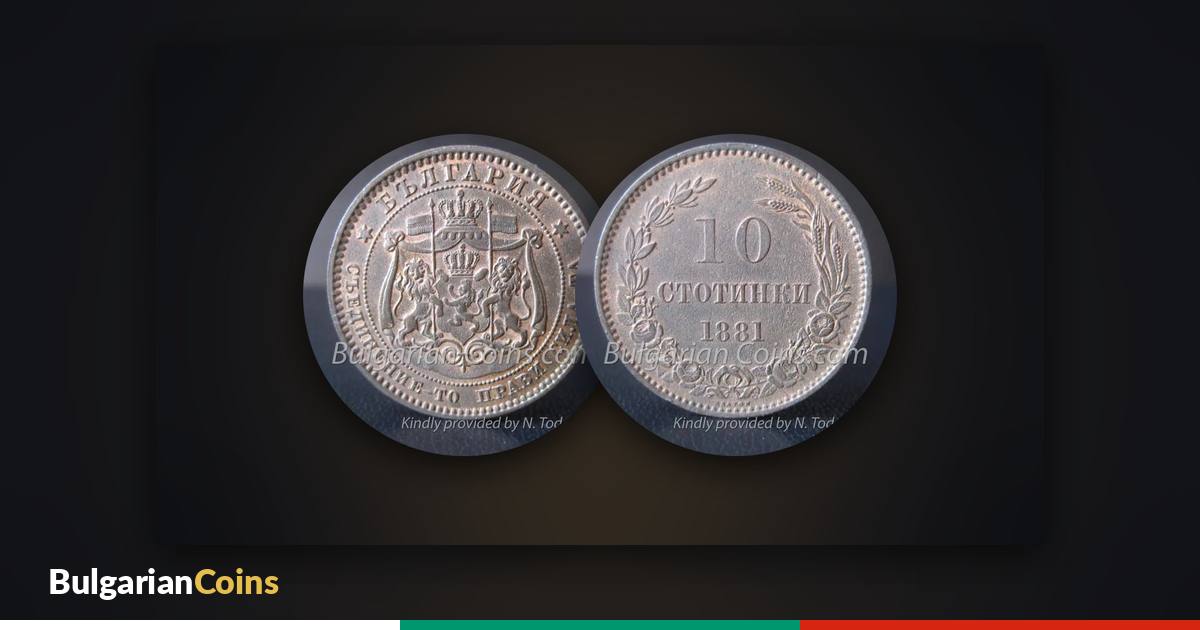
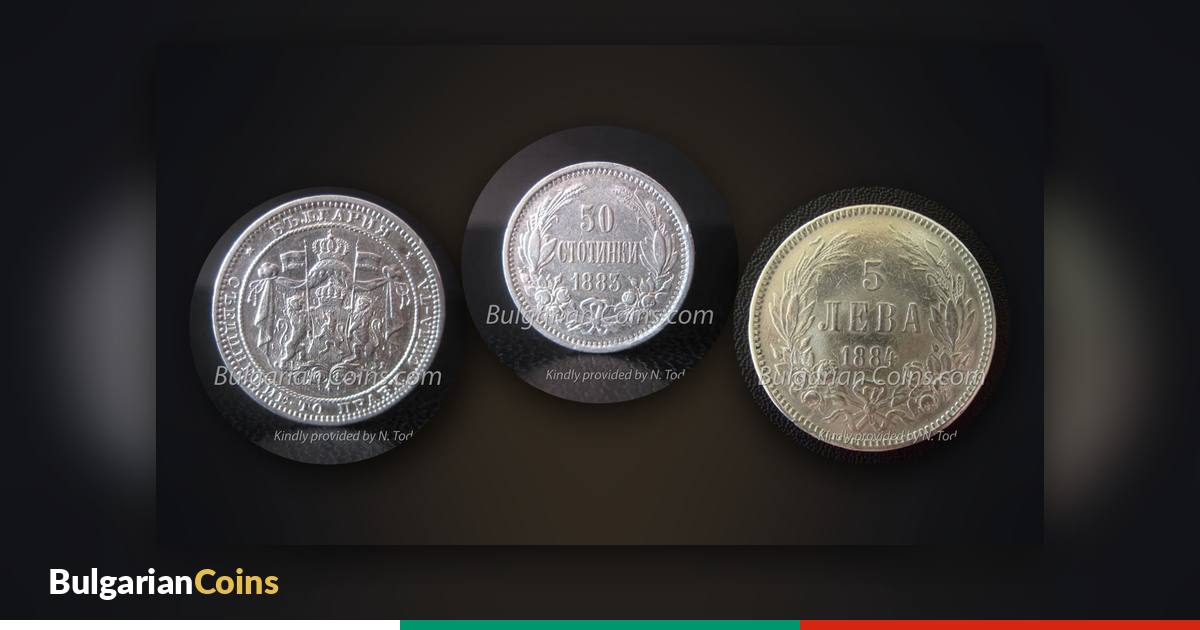
How the Principality of Bulgaria created the lev in 1880, why the first 2, 5 and 10 stotinki of 1881 were struck in Birmingham, and what collectors should know about them today.
How to tell attractive natural toning from spots, corrosion and artificial toning on silver and copper Bulgarian coins, and why collectors often pay more for an untouched patina.
Polishing, baking soda, toothpaste and silver dips remove metal and leave hairline scratches. Why a cleaned Bulgarian silver coin can be worth a fraction of an untouched one, with examples.
A complete overview of special-finish BNB coins: silver coins with partial gilding (from 2004), the two piefort issues (1979 and 2004) and the coloured coins of the Bulgarian Customs and Crafts series (2002–2012), with mintages and prices.
Where the green, sticky film on coins comes from, why PVC damage is permanent if left alone, and the step-by-step acetone method that removes it without touching the metal.
Patterns, trial strikes and specimens explained: why mints make them, how they differ from circulation coins (metal, design, “ПРОБА” or “SPECIMEN” marks), why they are rare and expensive, and how to avoid fakes and misattributions.
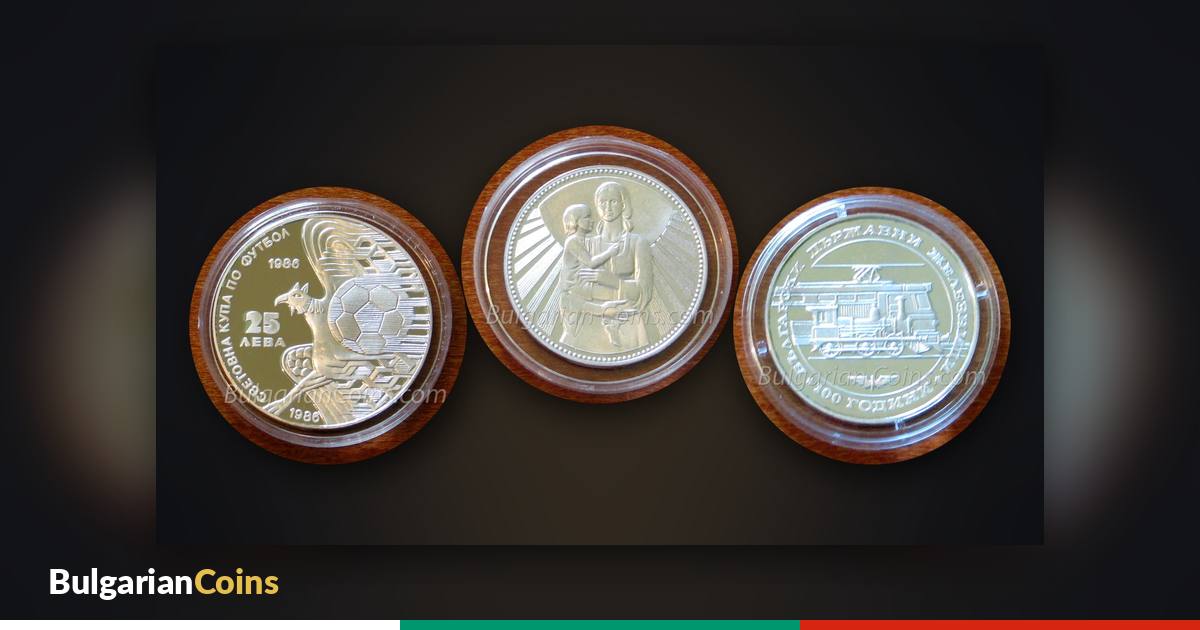
The largest commemorative programme in Bulgarian coinage: 13 copper-nickel 2-leva coins, four silver 50-leva coins, the 25-leva and gold 1,000-leva “Mother and Child”, and the related 1981 issues, with mintages from the catalogue.
How a jewellery scale, a calliper and a magnet can screen out most fake silver and gold Bulgarian coins, with reference specs for the Principality, Kingdom and wartime coins.
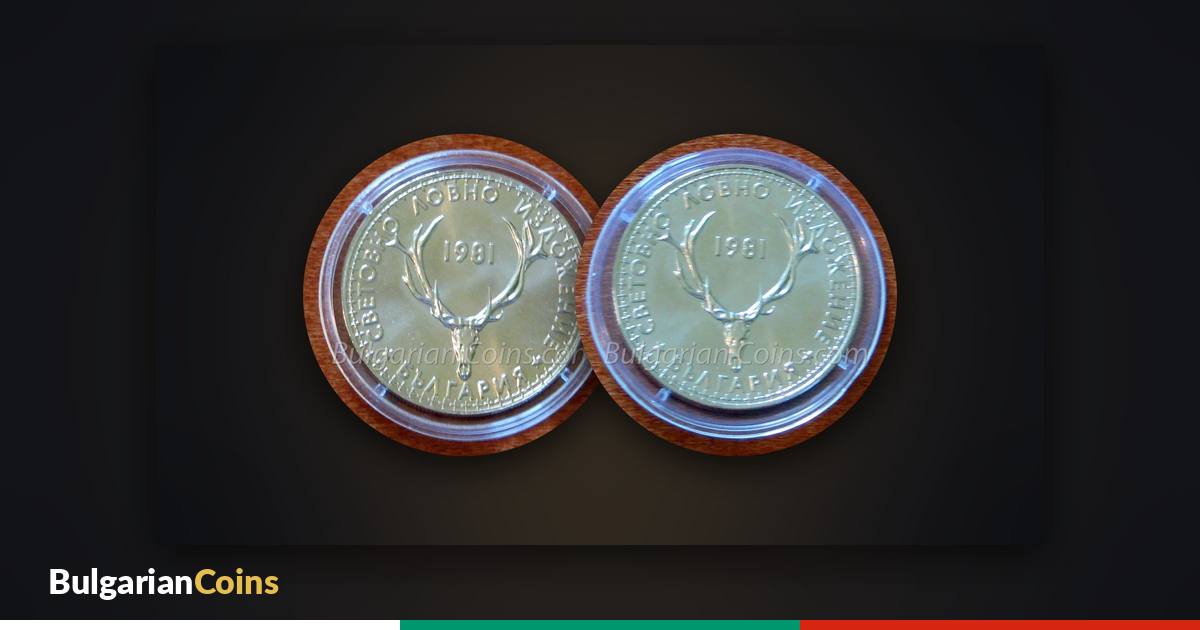
What proof, proof-like and brilliant uncirculated mean, how the BNB’s “мат-гланц” and “гланц” labels map to them, and how the 1981 Expo ’81 coins show the difference in mintage and price.
A new BulgarianCoins series of interviews with Bulgarian coin collectors: the questions we ask about first coins, favourite series, best finds, mistakes and advice for beginners – and how readers can take part.
A bilingual Bulgarian–English glossary of numismatic terms for collectors: parts of a coin, minting, quality and grading, errors and varieties, market terms and storage – with short explanations and links to detailed guides.
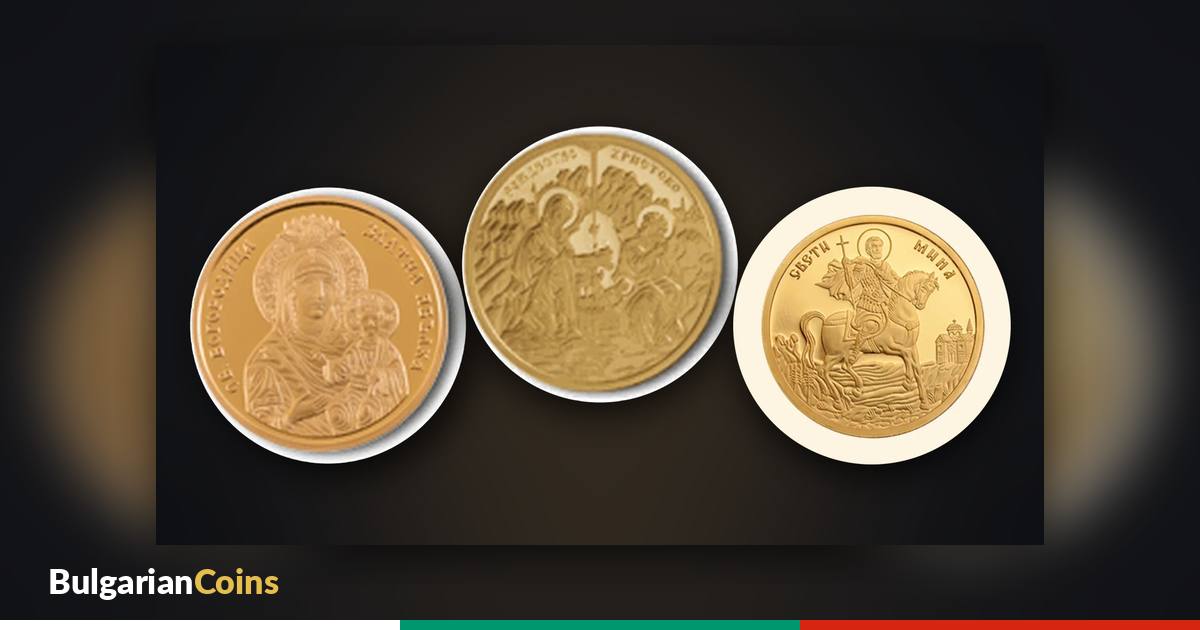
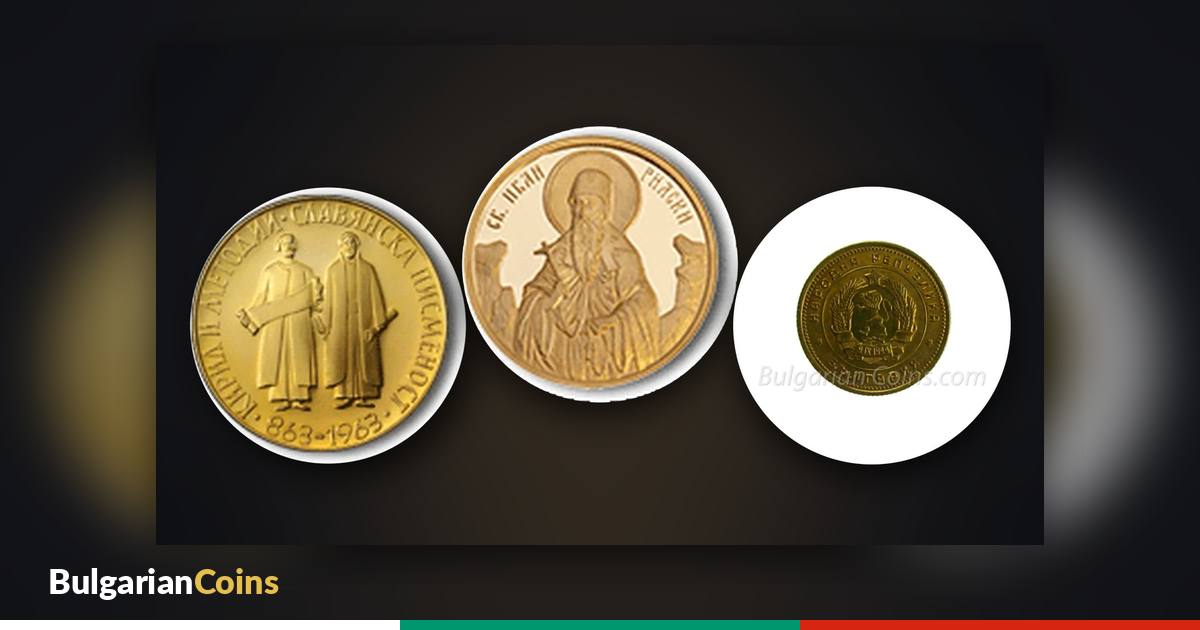
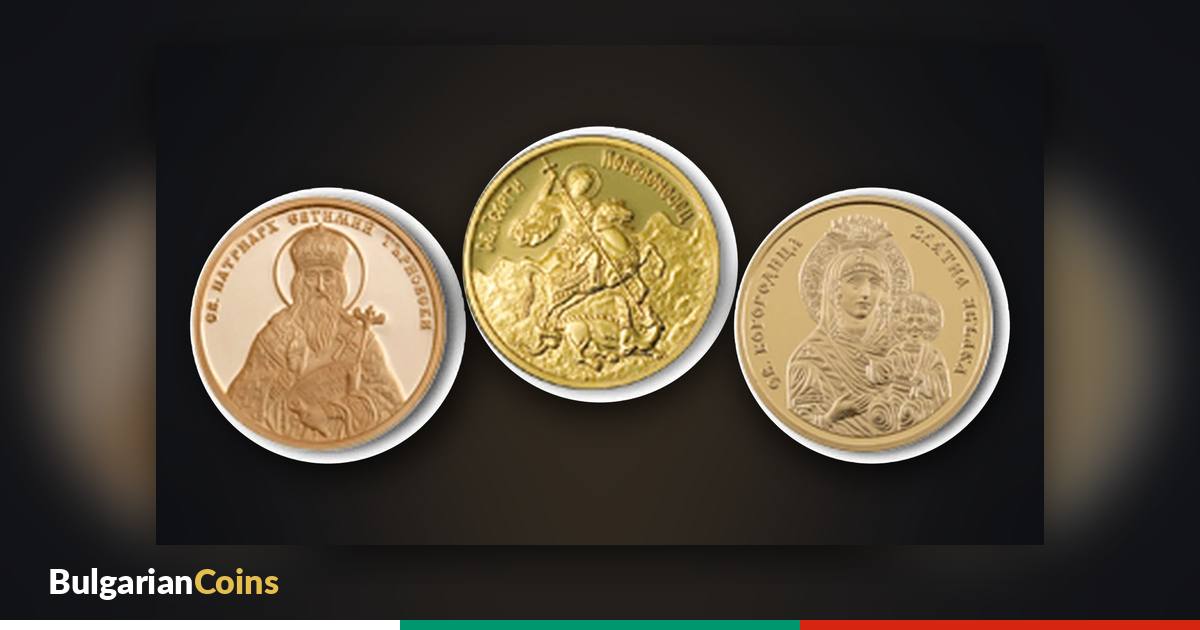
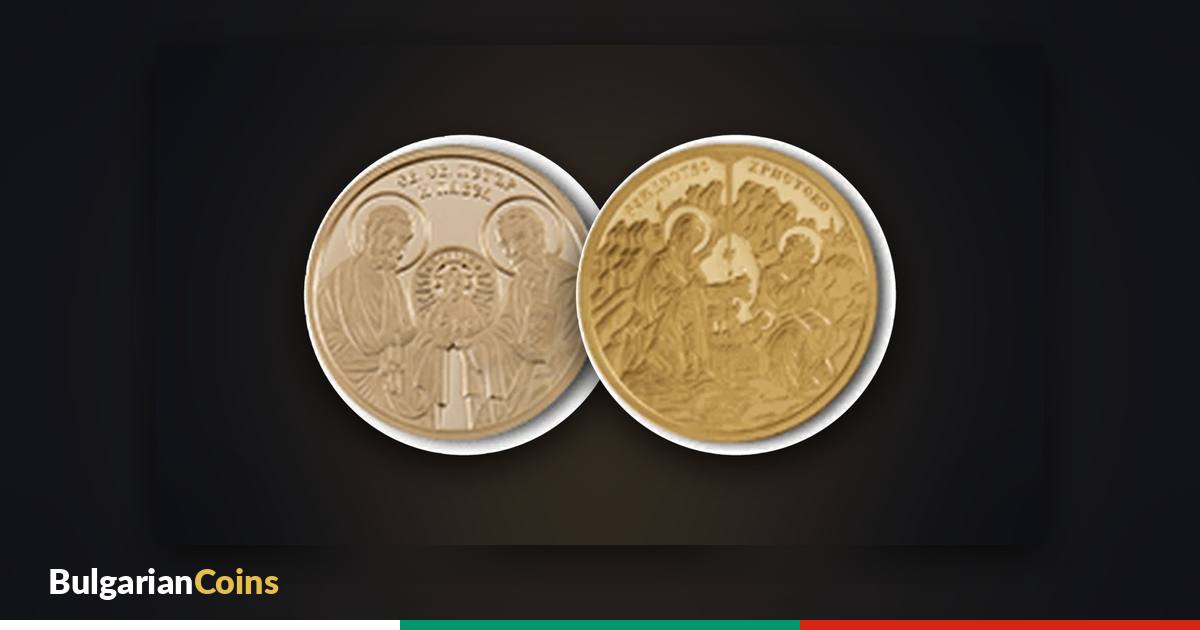
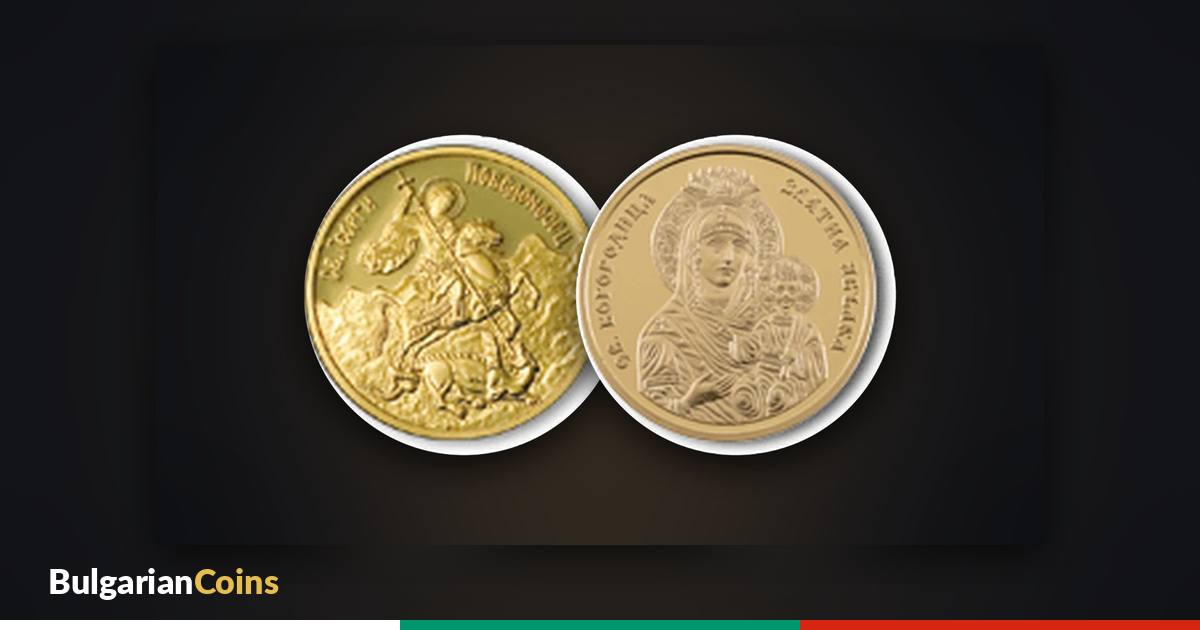
A guide to Bulgarian coins with religious themes: the gold Bulgarian Iconography series of the BNB from 2003, the churches and monasteries series, the saints and feast days, with mintages, issue prices and current asking prices.
The official BNB restrikes of the 1912 gold 20 and 100 leva, struck in 1967–68 in 2,950 and 1,000 pieces: how to tell them from the originals (edge lettering, relief, proof surfaces), and how their prices compare.
Real examples from current Balkan Auction listings showing how condition drives the price of Bulgarian coins: the same year and type can range from a few euros worn to hundreds or thousands in mint state.
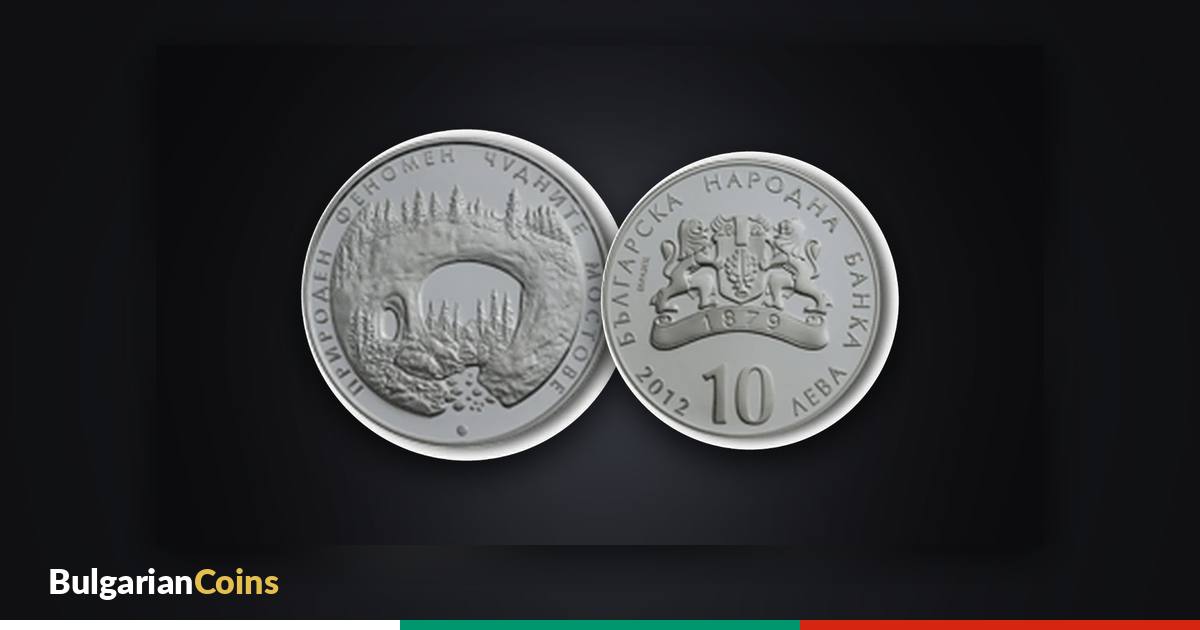
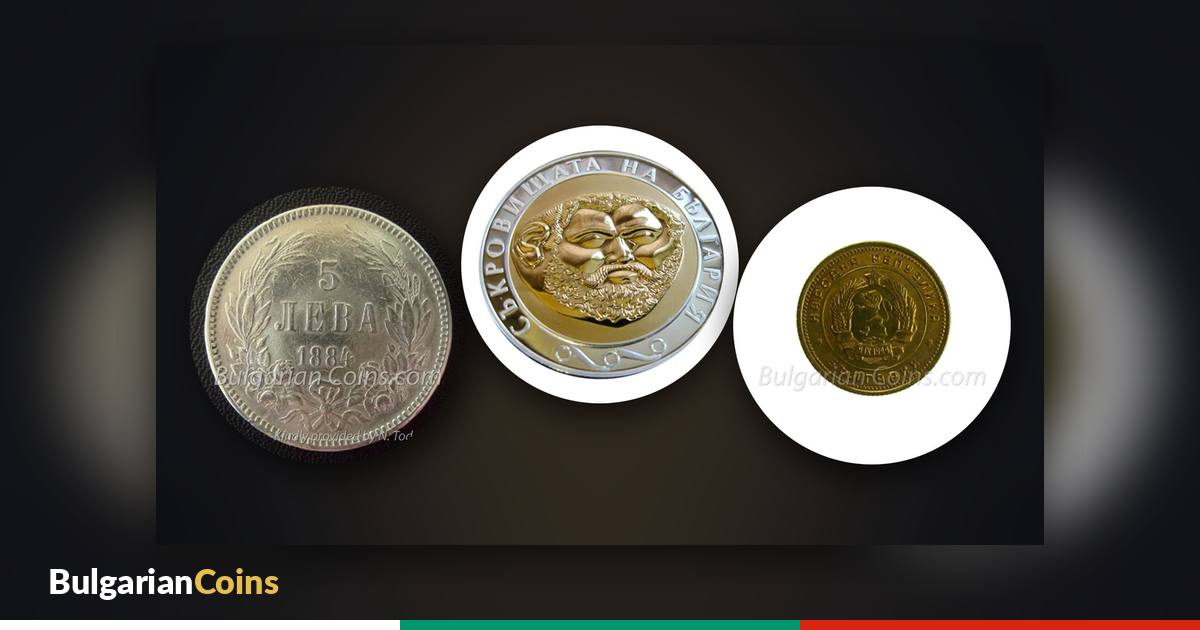
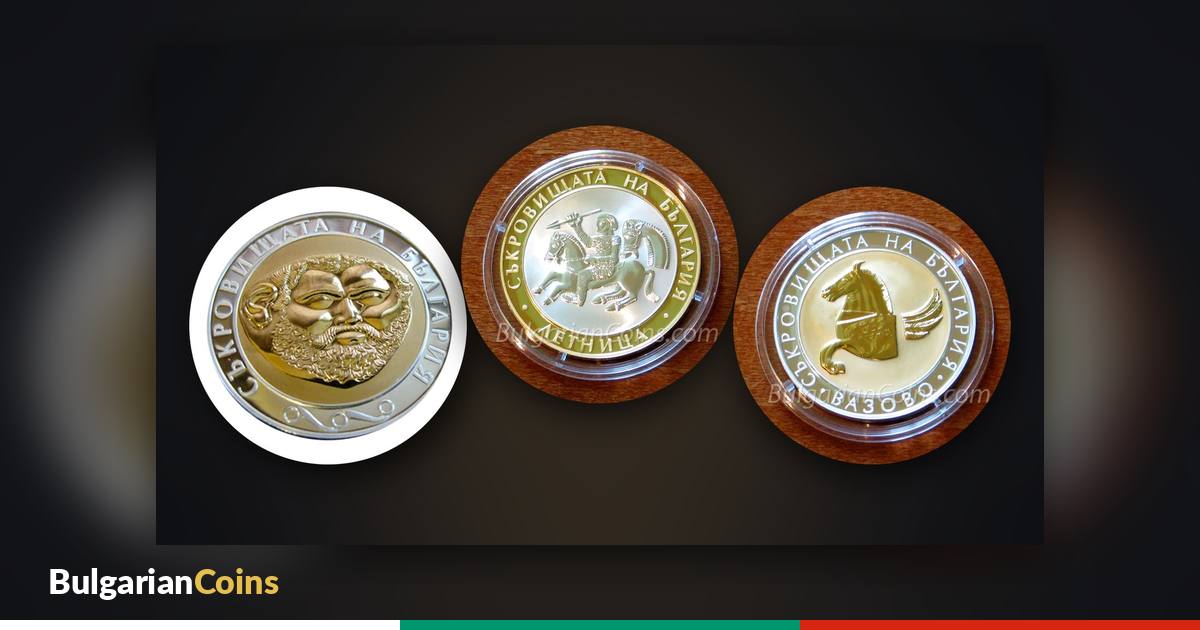
A complete guide to the BNB “Treasures of Bulgaria” silver series (2005–2008): the Gold Mask, Letnitsa, Pegasus from Vazovo and Seuthes III – the archaeological finds behind each coin, mintages, designers, issue prices and current asking prices.
The capsule, box and certificate of authenticity are part of a BNB commemorative coin’s value: why buyers expect them, what a coin loses without them and how to keep them in good condition.
Where the numbers on PCGS and NGC labels come from: the Sheldon scale from 1 to 70 explained for beginners, with the main grade bands, the MS and PR prefixes and how grades affect the price of Bulgarian coins.
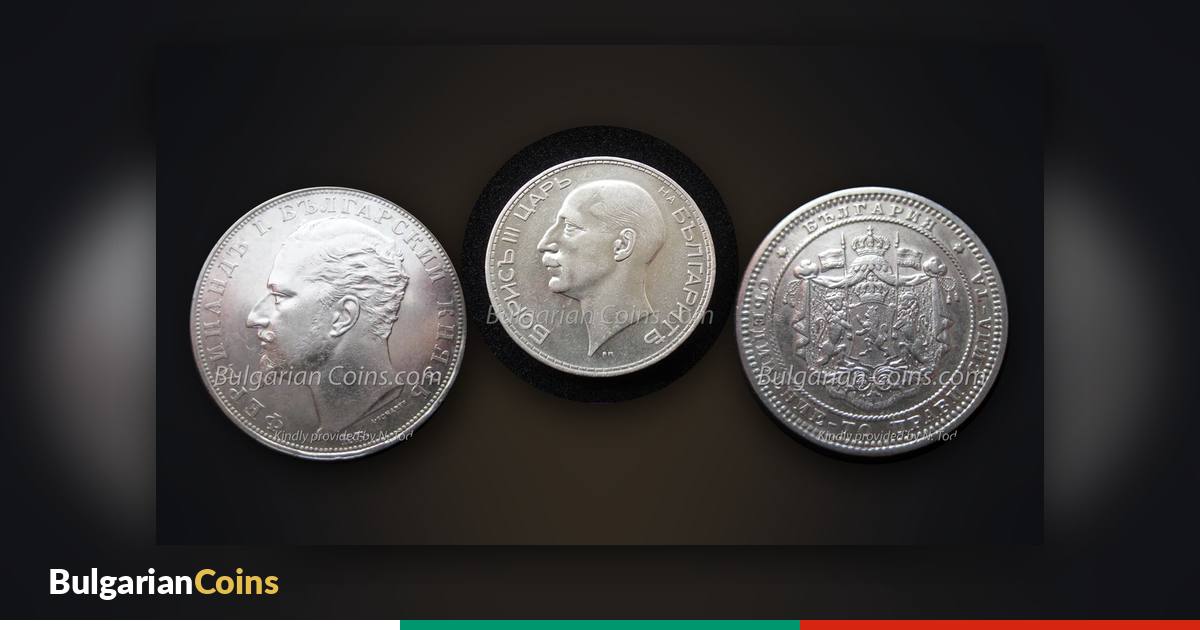
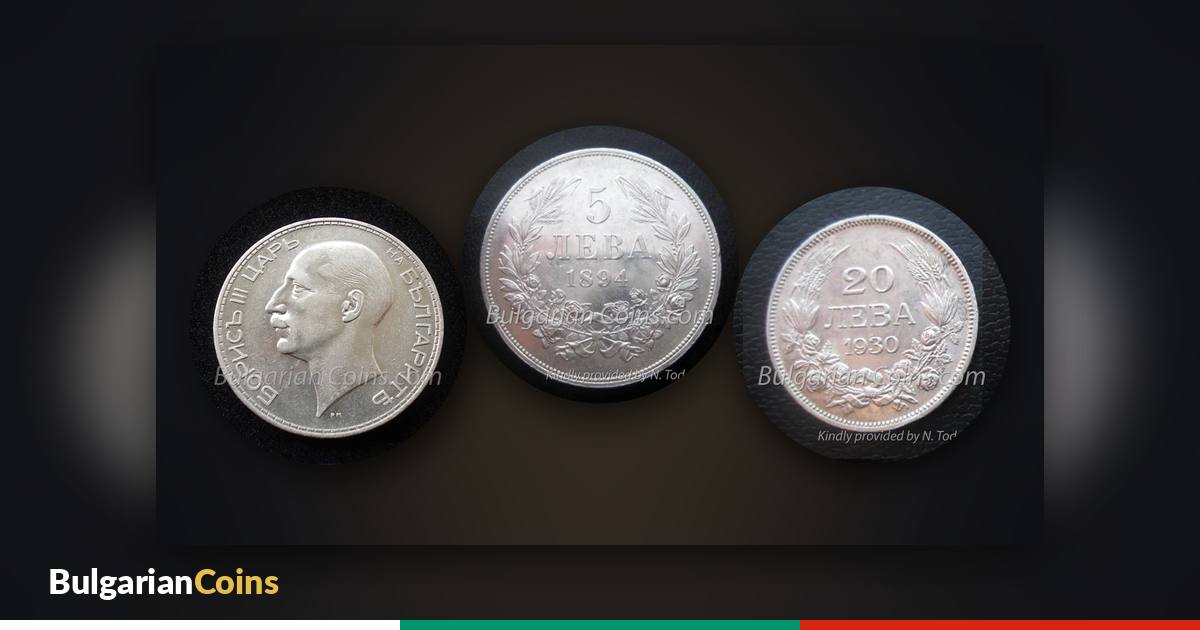
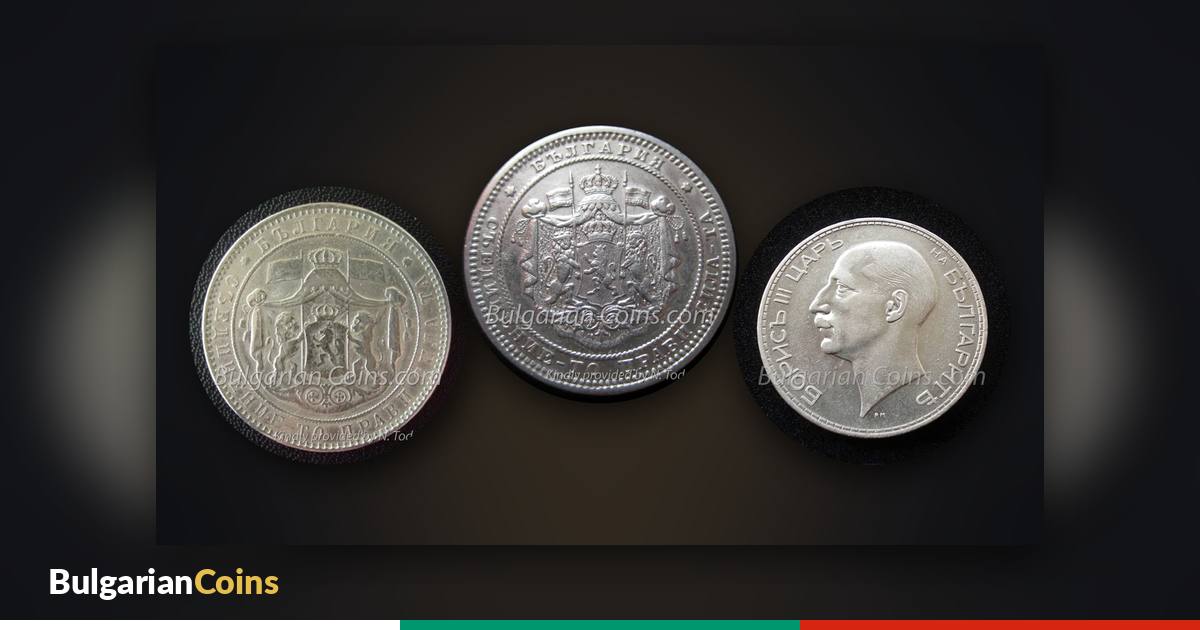
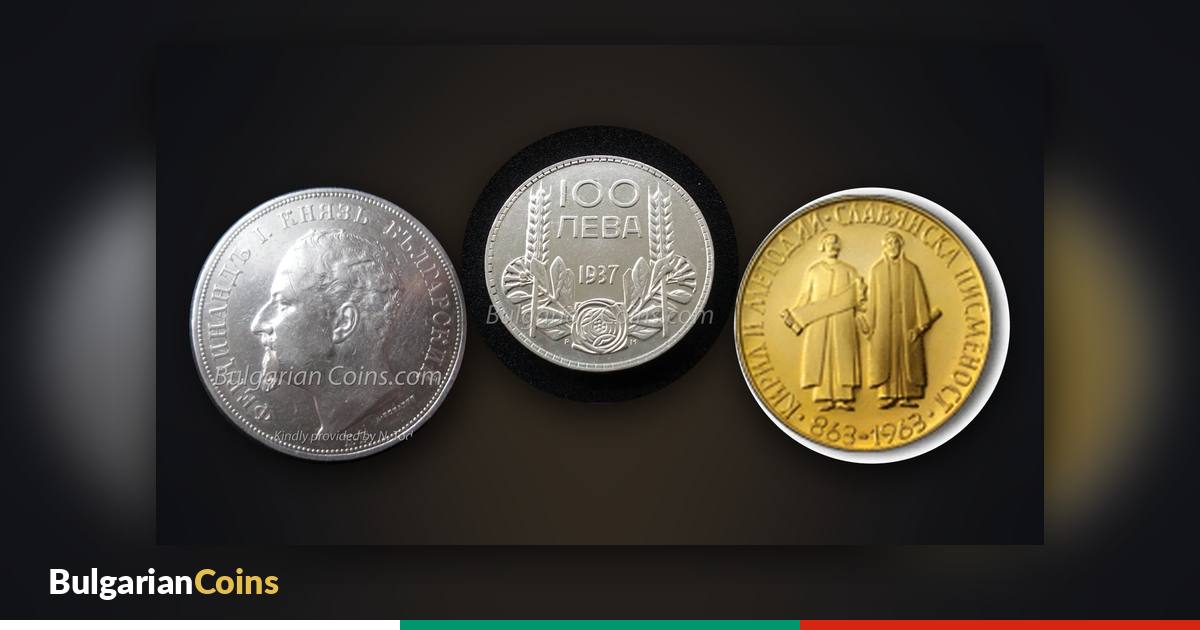
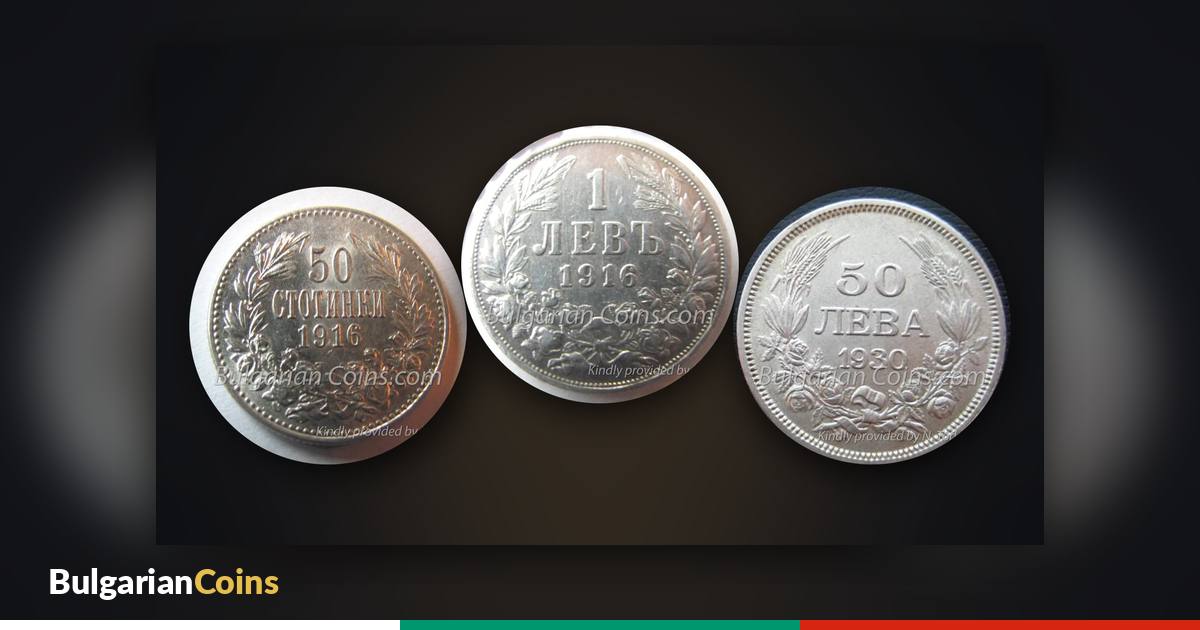
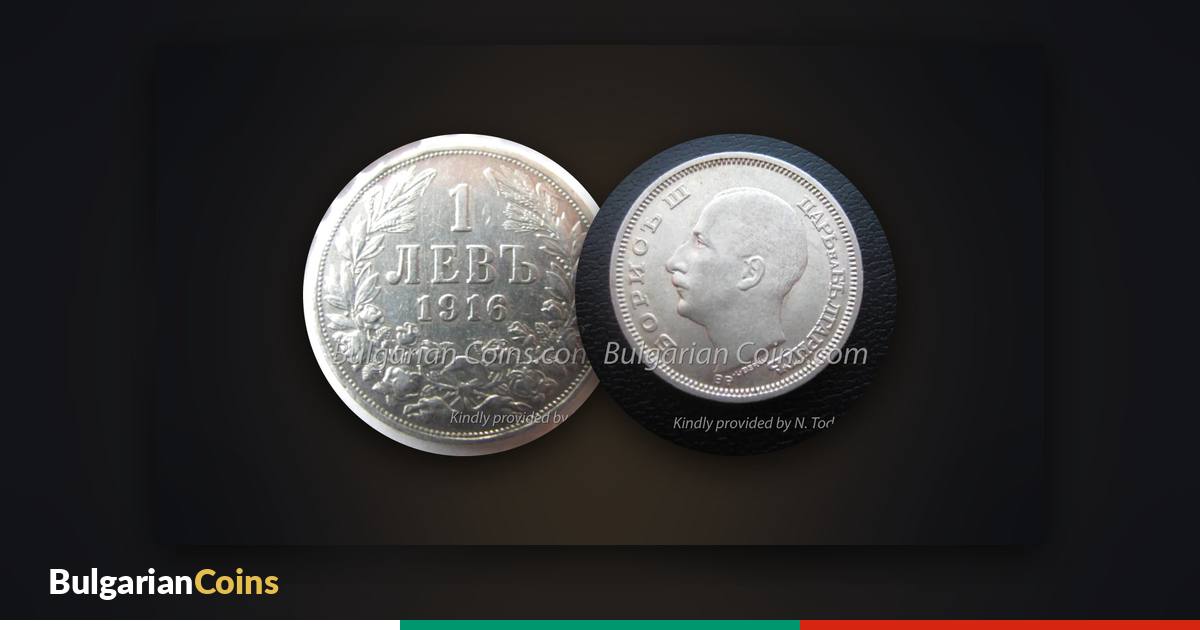
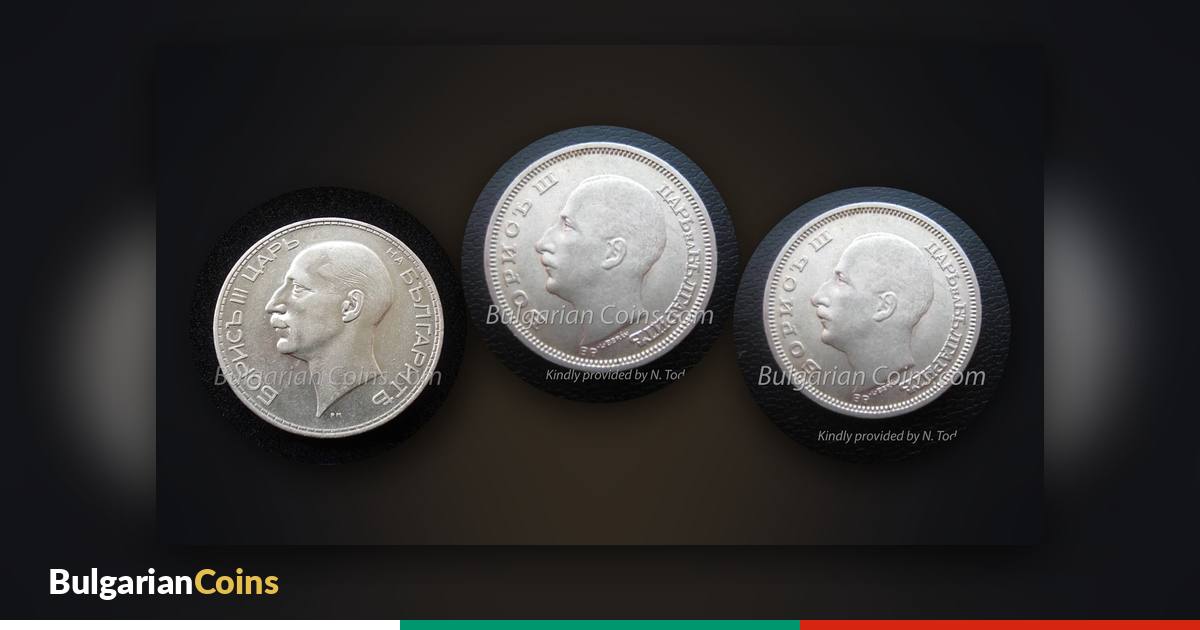
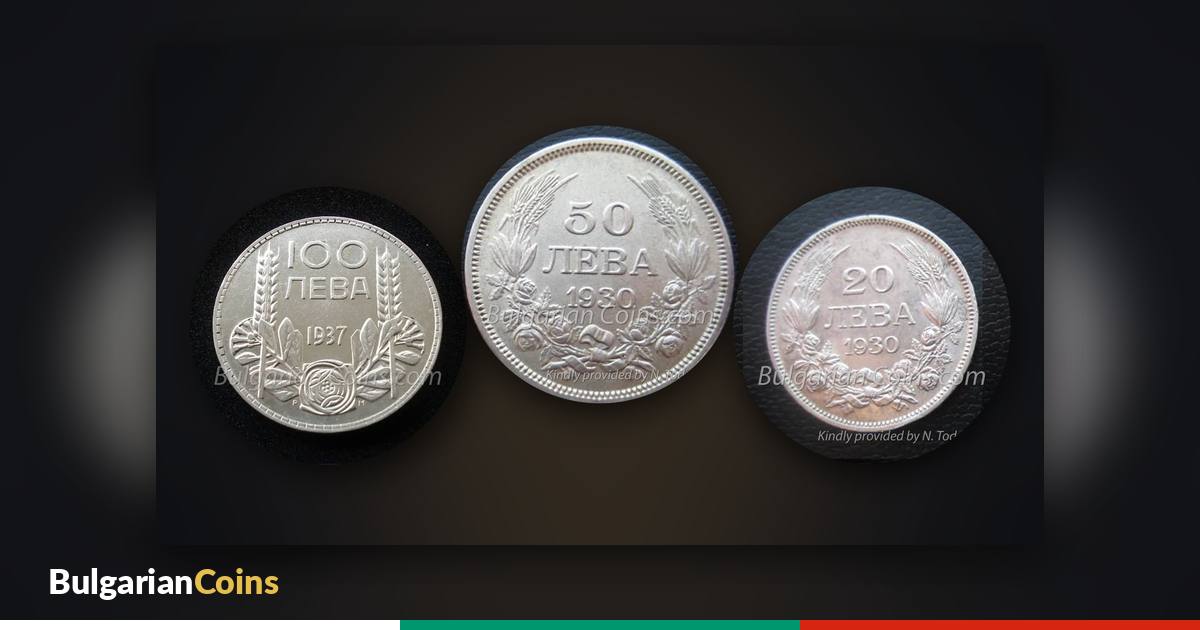
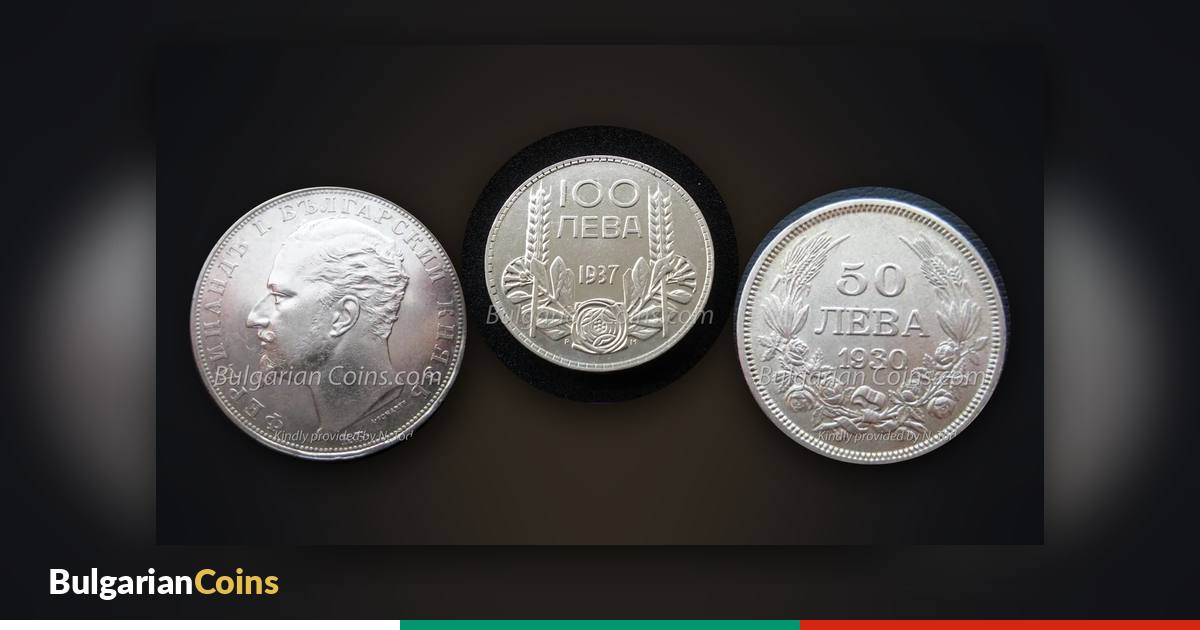
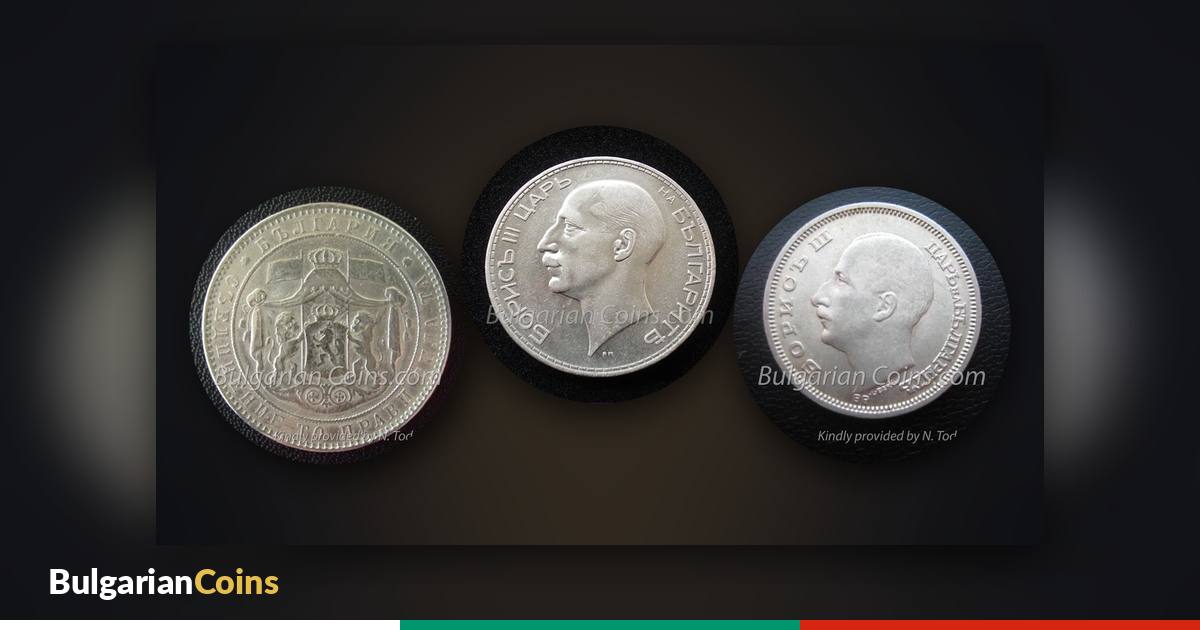
A collector’s guide to the silver coins of Tsar Boris III: the 20, 50 and 100 leva of 1930 by Lajos Berán and the 50 and 100 leva of 1934 and 1937 by Percival Metcalf – silver content, mintages, current asking prices for raw and certified coins, and counterfeits.
What the grading abbreviations in catalogues and listings mean, how they map to the 1–70 Sheldon scale and how condition changes the price of a Bulgarian coin.
How much silver and gold the classic Bulgarian coins contain, their melt value at current spot prices, and when market prices follow the metal versus rarity and condition – with a table comparing melt value and current asking prices.
How to build a thematic Bulgarian coin collection: choosing a theme (rulers, saints, animals, ships, sport, writers, customs), setting boundaries and a budget, using the catalogue filters, and examples of compact themes with realistic costs.
Where wear first appears on Bulgarian coins – cheek, hair and beard on royal portraits, the lion’s mane and the crown on the coat of arms, wreaths, numerals and rims – and how to use these high points to judge grade from VF to MS.
Why almost every attempt to clean a coin lowers its value, what collectors and dealers look for, and the few cases where careful cleaning is justified.
Catalogue values, asking prices, realised auction prices and dealer buy prices explained: how each is produced, why they differ for the same Bulgarian coin, and how BulgarianCoins builds its market price ranges.
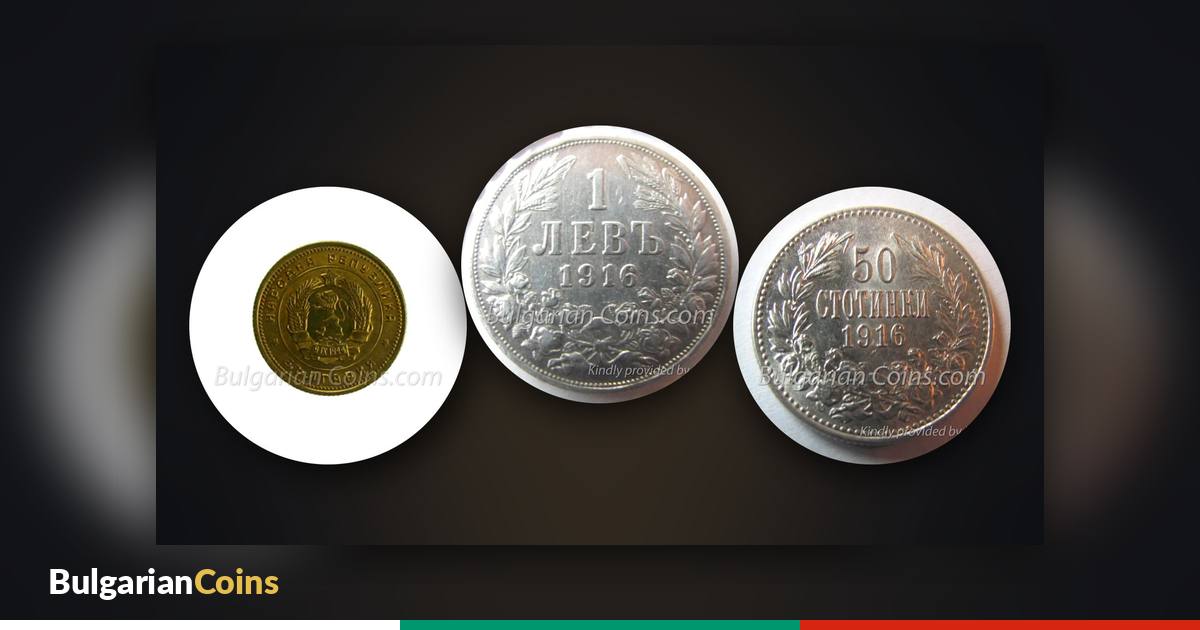
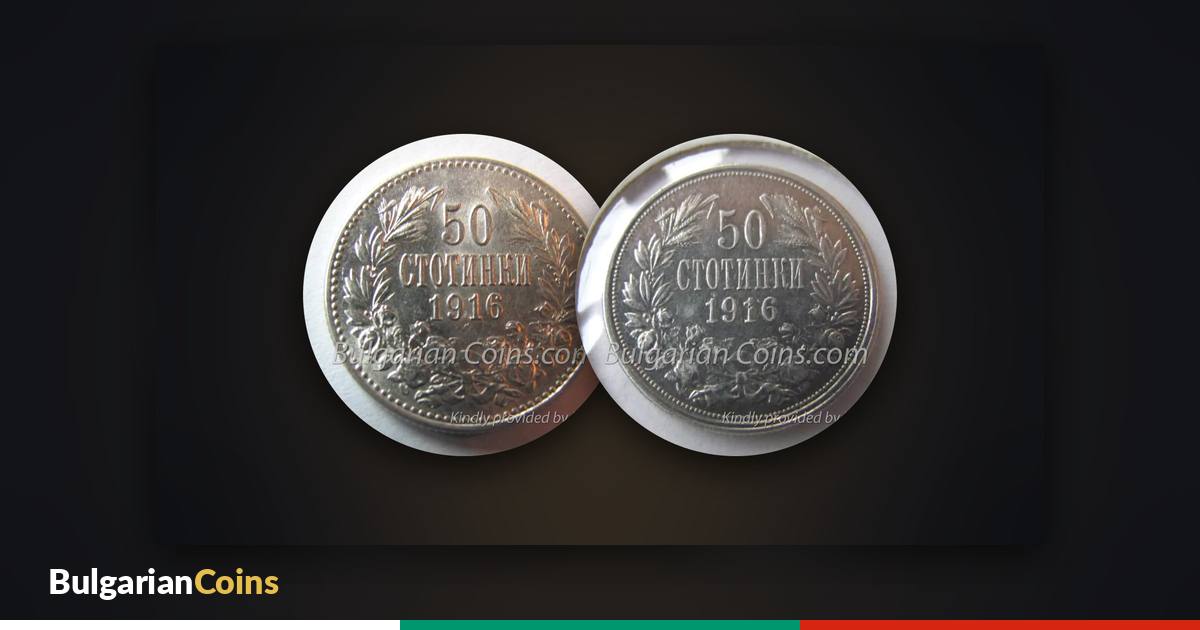
Die varieties on Bulgarian coins: the 1916 50 stotinki with large and small dotted rims, the 1925 coins with and without the Poissy thunderbolt mint mark, the 1923 aluminium coins from two mints and the 1912 restrikes – how to recognise them and why prices differ.
What humidity and temperature are safe for coins, where in the home to keep a collection, how to use silica gel and a hygrometer, and the places to avoid.
An overview of Bulgarian law for coin collectors: modern and circulation coins are freely traded, while coins that qualify as cultural values fall under the Cultural Heritage Act – identification and registration, sales only of registered items, licensed dealers, export permits – plus tax obligations.
How to insure a coin collection in Bulgaria: limits of standard home insurance for collectibles, separate policies for valuables, bank safe deposit boxes, how to document and value a collection, and practical steps to reduce risk.
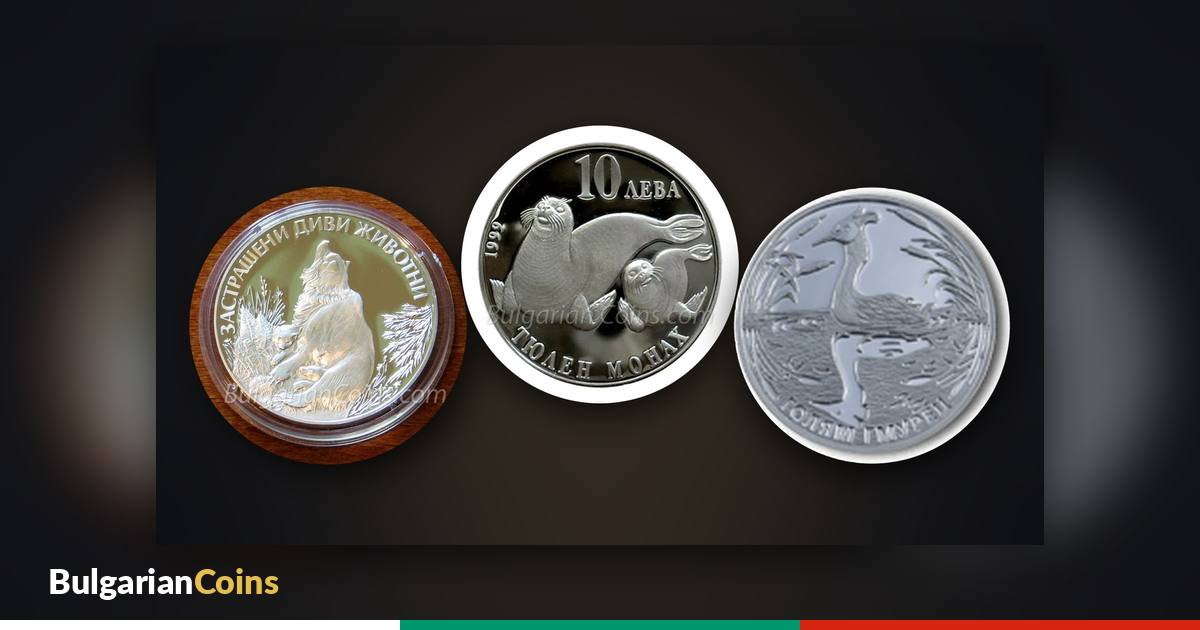
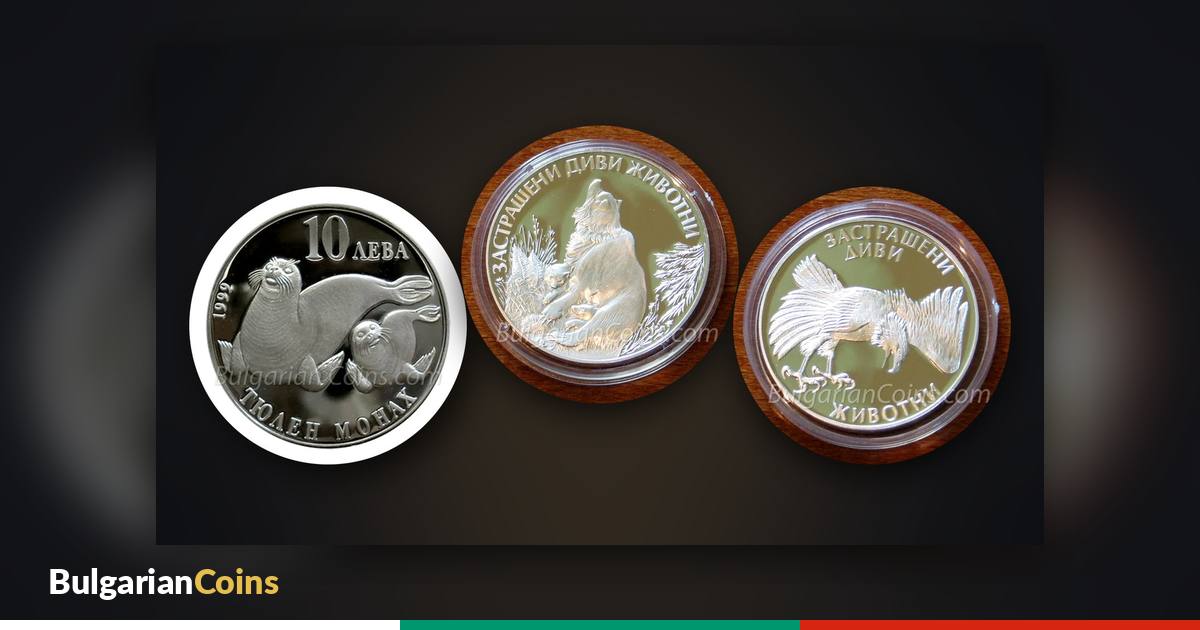
Bulgarian coins featuring animals and nature: the Endangered Wild Animals series from 1989–1993, the 1999 Monk Seal, the National Parks and Reserves series, the Natural Diversity series, with mintages, issue prices and current asking prices.
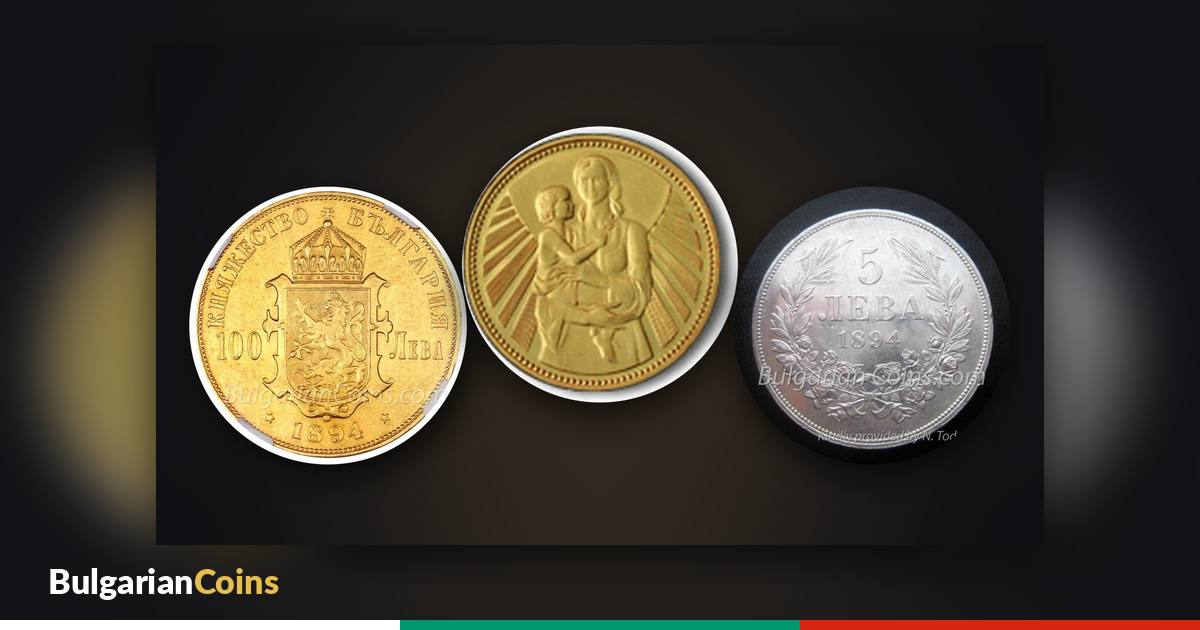
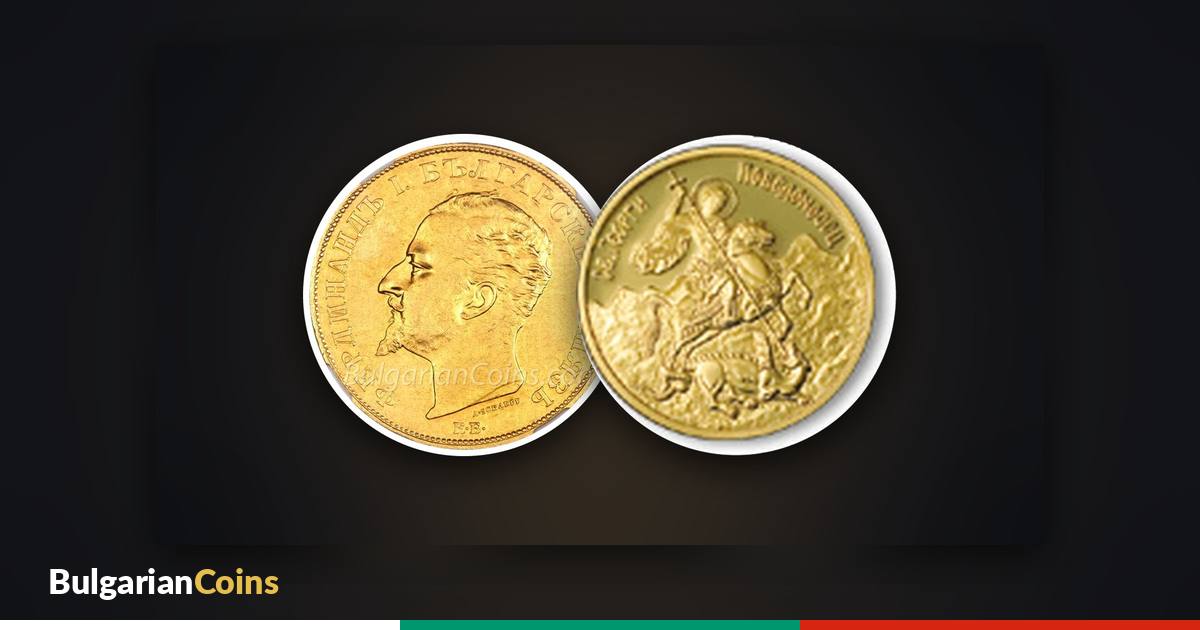
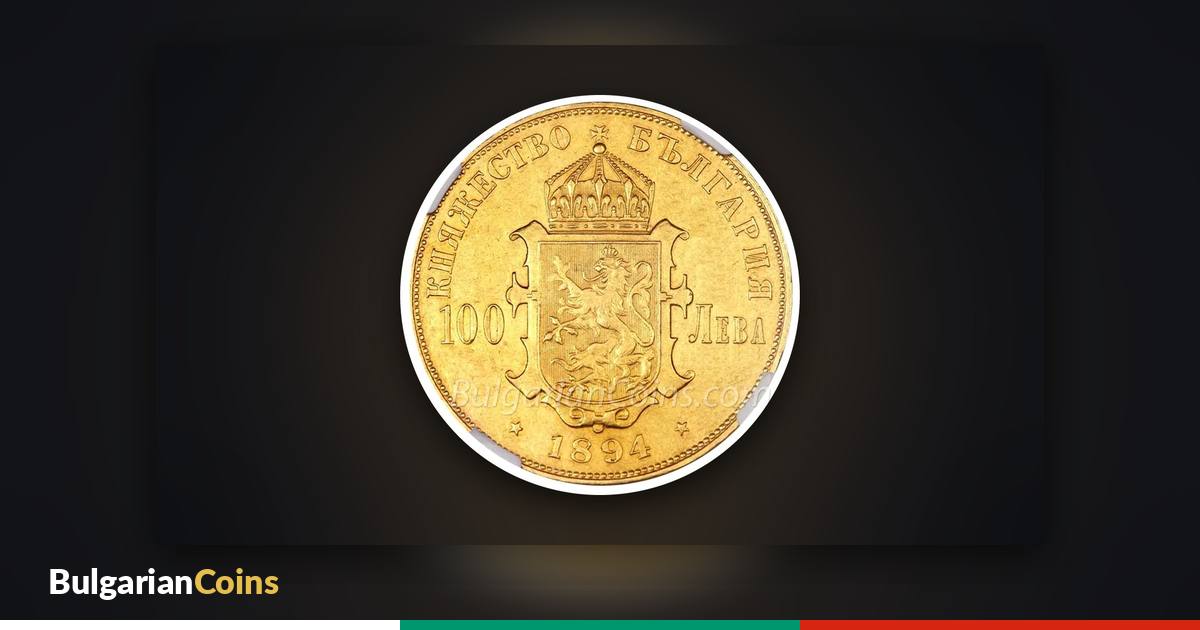
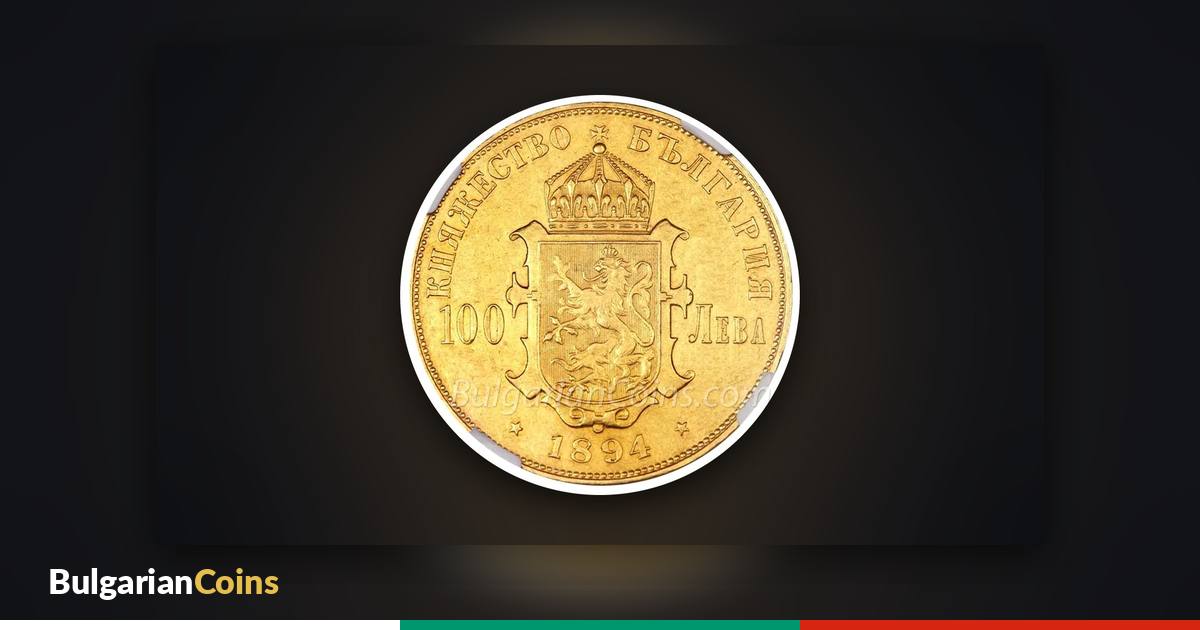
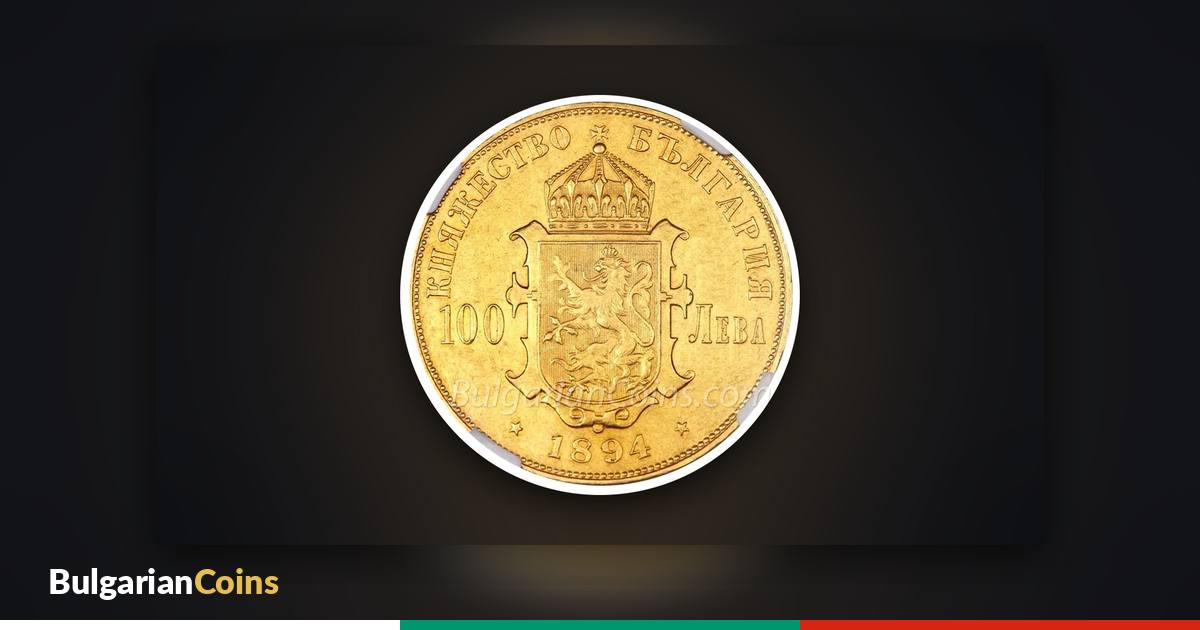
A complete guide to the gold coins of Ferdinand I: the 10, 20 and 100 leva of 1894 struck in Kremnica and the 20 and 100 leva of 1912 for the 25th anniversary of his reign, with mintages, gold content, restrikes and current asking prices.
How Bulgaria moved from the bimetallic system of 1880 to a de facto gold standard: banknote backing, the gold coins of 1894 and 1912, the suspensions of convertibility in 1899 and 1912, the 1919 law and the 1928 stabilisation.
Error coins – reversed backs, double strikes, wrong edges – can be worth up to 200,000 times their face value. Famous Bulgarian error coins and how they happen.
Queues at the BNB for a new commemorative coin: who buys, which coins sell out fastest and why commemorative coins are both a keepsake and an investment.
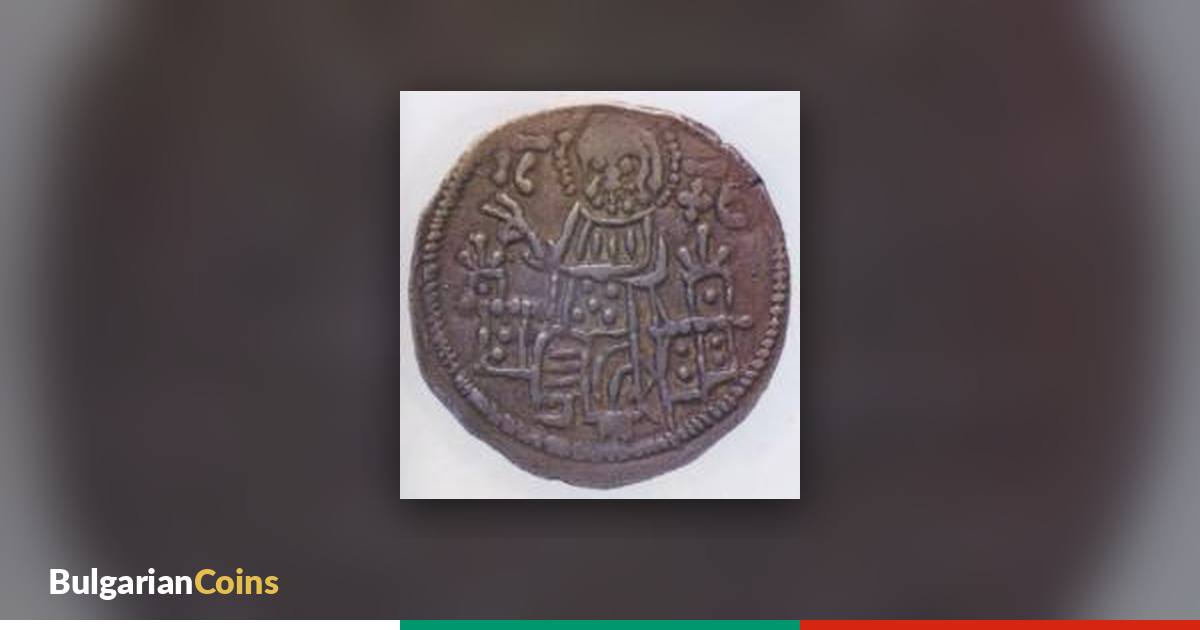
The first Bulgarian coins with Cyrillic inscriptions: the coins of Tsar Ivan Asen II from the 13th century and what they tell us about money in the Second Bulgarian State.