Is coin collecting a good investment? An honest take
What the data show, what the hidden costs are, and when collecting really can also be an investment
BulgarianCoins editorial team 3 min read
The question “are coins an investment?” has two honest answers. Some coins have been an excellent investment. Most collections, however, bring their owner more pleasure than profit. Here is what the data show and what is usually left unsaid.
What the data show
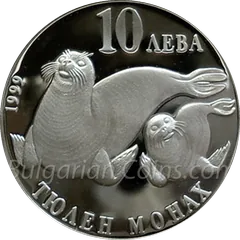
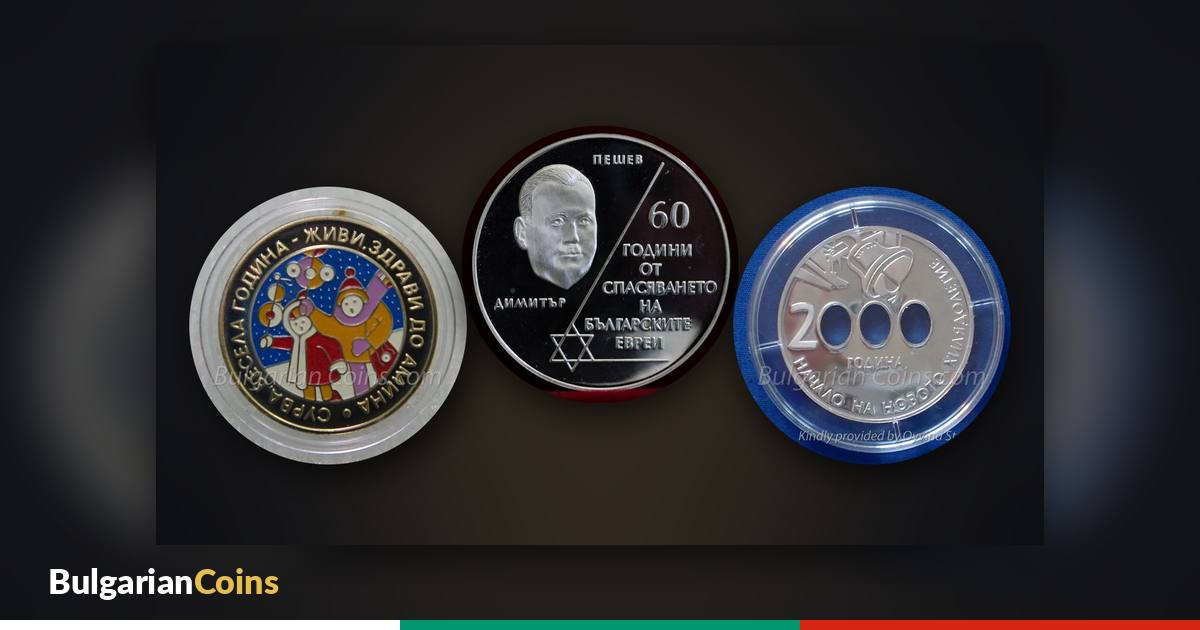
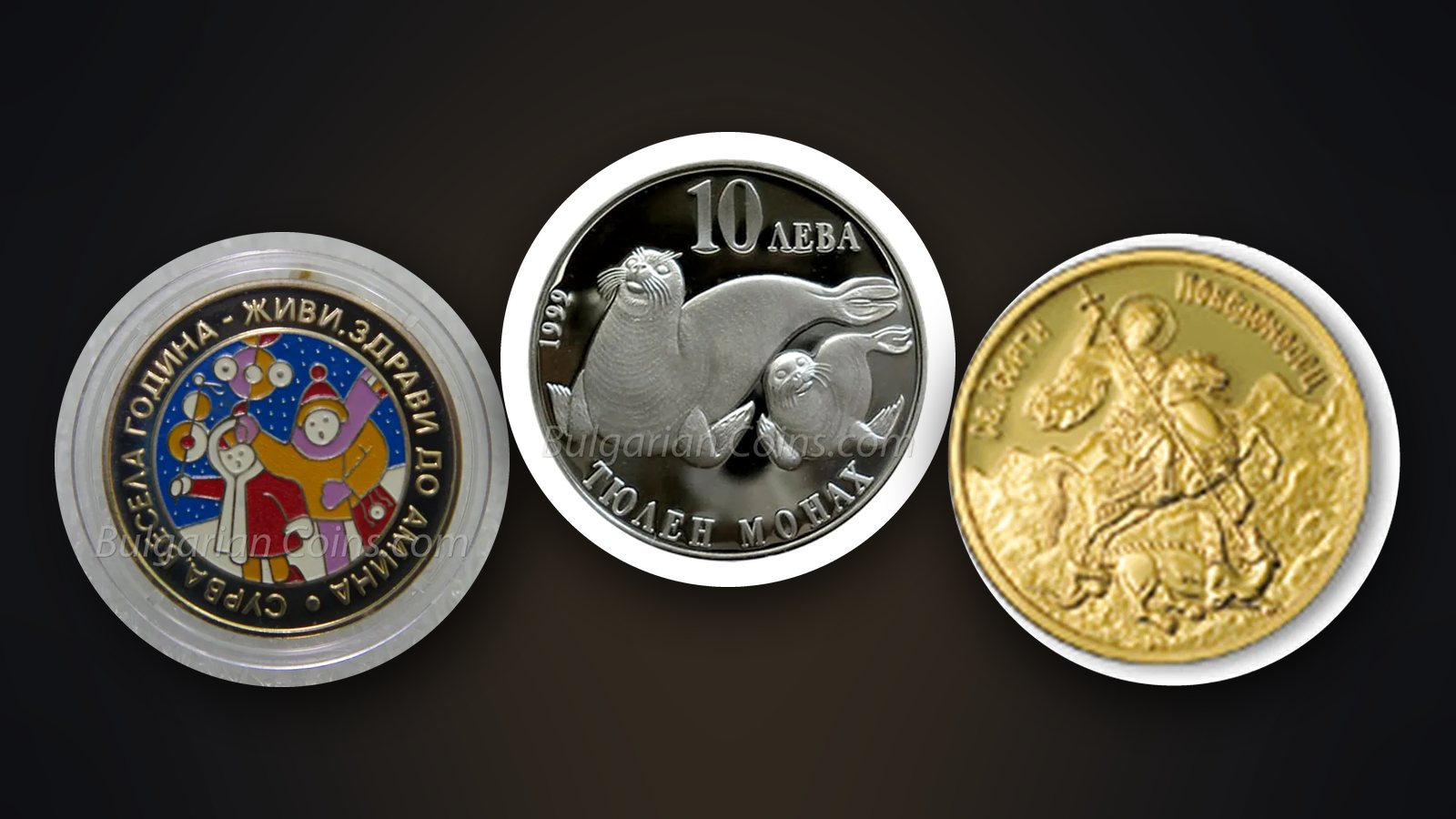
We compared the issue prices of 129 BNB commemorative coins since 1997 with current listings. The median coin is now offered for about eight times its issue price. Record-breakers such as “Survakari” 2002 and “Monk Seal” 1999 have risen nearly a hundredfold and more. The details are in Issue price vs market price.
That sounds impressive. But there are several important caveats.
Caveat 1: An asking price is not a sale
The comparison is with the prices sellers ask. Buyers pay less, and for some coins there are only one or two listings. The real return is lower than the one in the table.
Caveat 2: Survivorship bias
Today we talk about the coins that have gone up. Nobody writes articles about the coins that sit at their issue price. When you buy a new coin, you do not know whether it will be the next “Survakari”.
Caveat 3: The hidden costs
| Cost | How much |
|---|---|
| Buy/sell spread | a dealer buys at 20–40% below market price |
| Platform commission | a percentage of the sale price |
| Shipping and insurance | on every deal |
| Grading | a fee per coin plus shipping to the US or Europe |
| Storage | safe, capsules, insurance |
| Tax | 10% on the profit for collector’s items |
For tax, see Taxes on selling coins.
Caveat 4: Liquidity
A share sells in seconds. A rare coin can wait months for a buyer. And if you have to sell quickly, you will sell cheaply.
When coins are a sensible investment
- Gold with a small premium. Investment coins follow the gold price and are bought without VAT. See Investment gold coins and VAT.
- Small-mintage BNB coins bought at issue price. This is where the track record is best, because you start from the lowest possible price. How buying works – in How to buy coins from the BNB.
- Quality rare coins at a fair price. If you know the market and do not overpay.
- Long term. Most good results come after 10–20 years.
When they are not
- When you buy at peak demand, right after issue, with a high premium.
- When you buy common coins as an “investment”.
- When you cannot tell an original from a replica.
- When you may need the money soon.
Our advice
Collect what you like, at a fair price, and look after the coins well. If after 15 years the collection has gone up in value, great. If not, you still have something that has brought you joy. If you are only after profit, you would do better to consider diversified financial instruments or investment gold.
Each coin’s page has a “What if you had bought the coin at issue?” calculator and a rarity score from 1 to 10. They will help you see the history of a particular coin. Remember that past results do not guarantee future ones. This article is not investment advice.