Taxes on selling coins in Bulgaria
When tax is due, how it is calculated and where it is declared – for collectors who are not traders
BulgarianCoins editorial team 3 min read
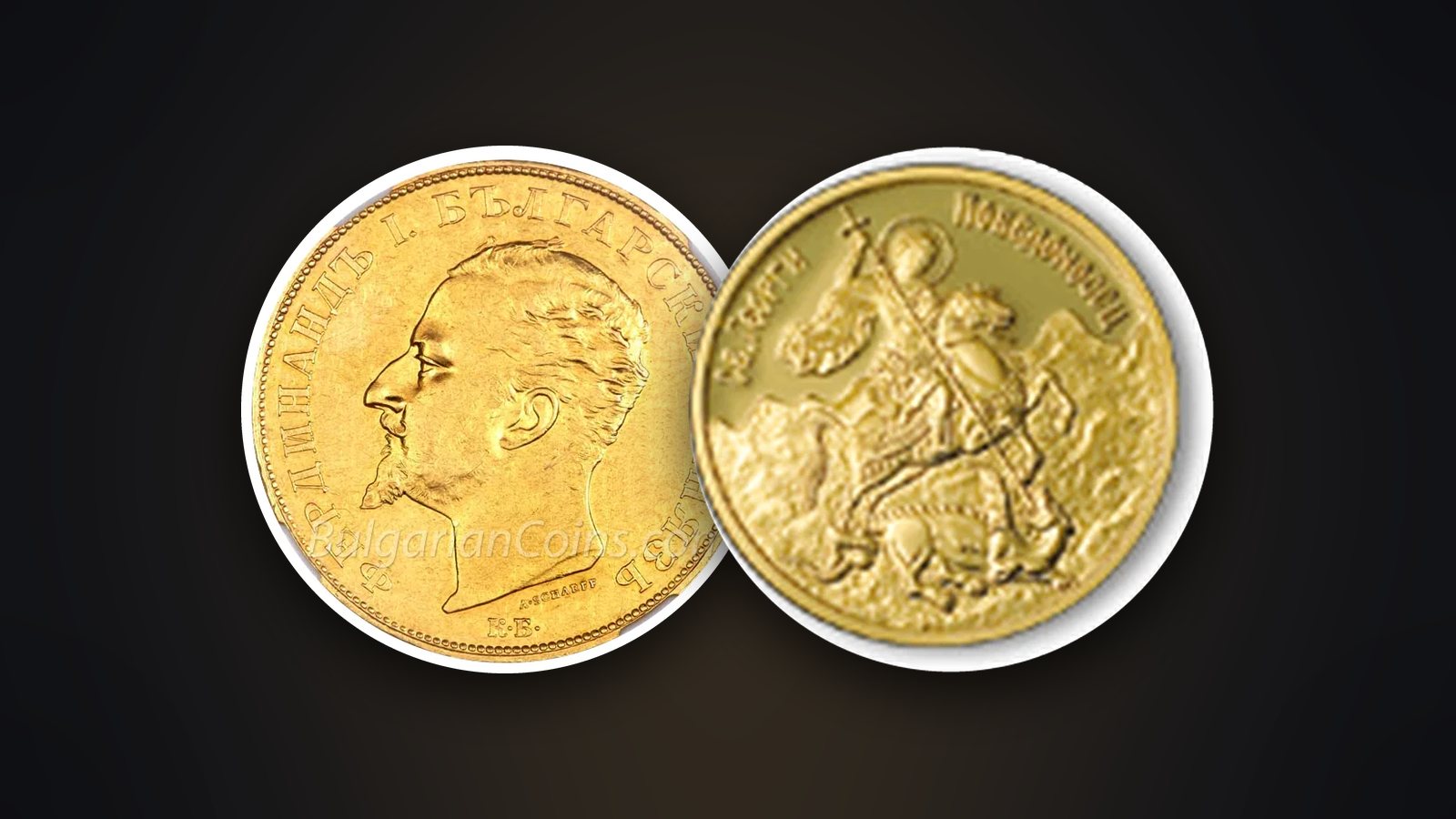
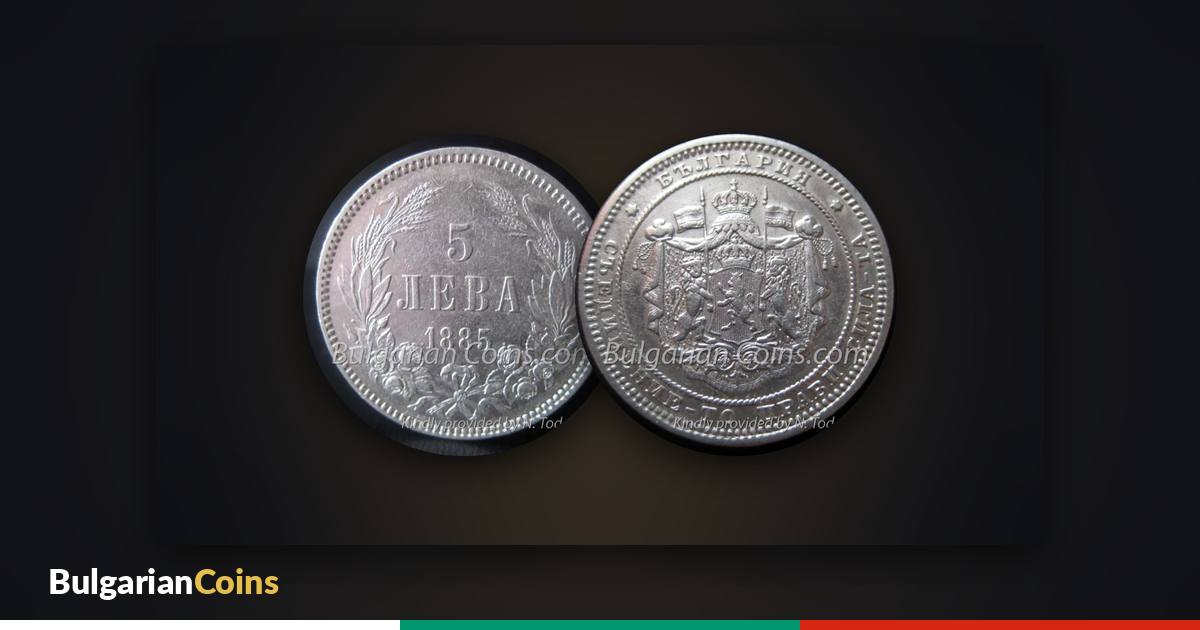
Many collectors believe that selling their own coins is never taxed, because they are “personal belongings”. The law, however, says otherwise. Here are the basic rules for individuals who are not traders. This article is general information, not tax advice. For larger amounts, consult an accountant.
The general rule and the exception
The Personal Income Tax Act (ZDDFL) declares income from the sale of movable property non-taxable. There are, however, explicit exceptions. Among them are “works of art, collector’s items and antiques” (Ministry of Finance; Art. 13(1)(2)(b) of the ZDDFL).
Collector coins fall exactly here. The National Revenue Agency (NRA) states that this income is explicitly taxable and tax is due even on a one-off sale (NRA – taxation of online sales).
How it is calculated
The taxable income is the positive difference between the sale price and the acquisition price (Art. 33(2) of the ZDDFL, text of the law). If you sold for less than you bought, there is no taxable income. The tax on the annual tax base is a flat 10%.
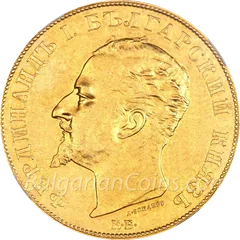
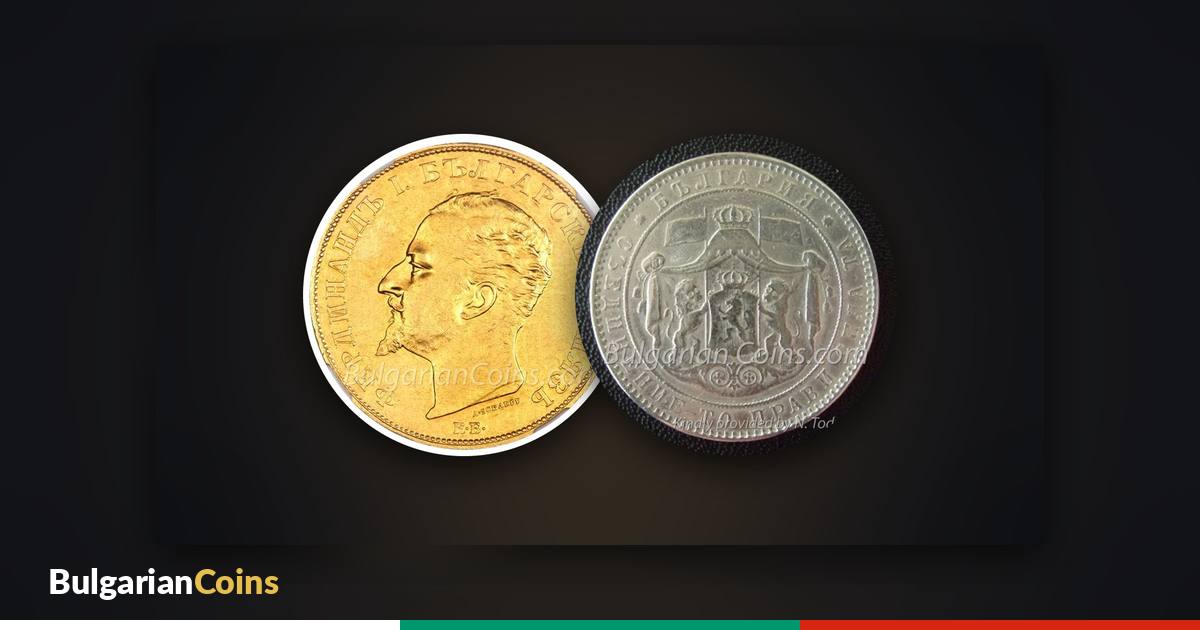
Example. You bought a 20 leva 1894 for €1,800 and sell it for €2,500. The taxable income is €700 and the tax is €70.
Where it is declared
Income from the sale of collector’s items is declared in Annex No. 5 to the annual tax return under Art. 50 of the ZDDFL, which is filed by 30 April of the following year (NRA).
Why documents matter so much
Without proof of the acquisition price, the taxable amount may turn out to be the entire sale price. So keep:
- receipts from the BNB and shops;
- confirmations from online platforms and auctions;
- contracts and receipts for private deals;
- documents for an inheritance or gift.
Good practice is to record the purchase price in the inventory of the collection – see How to catalogue your collection.
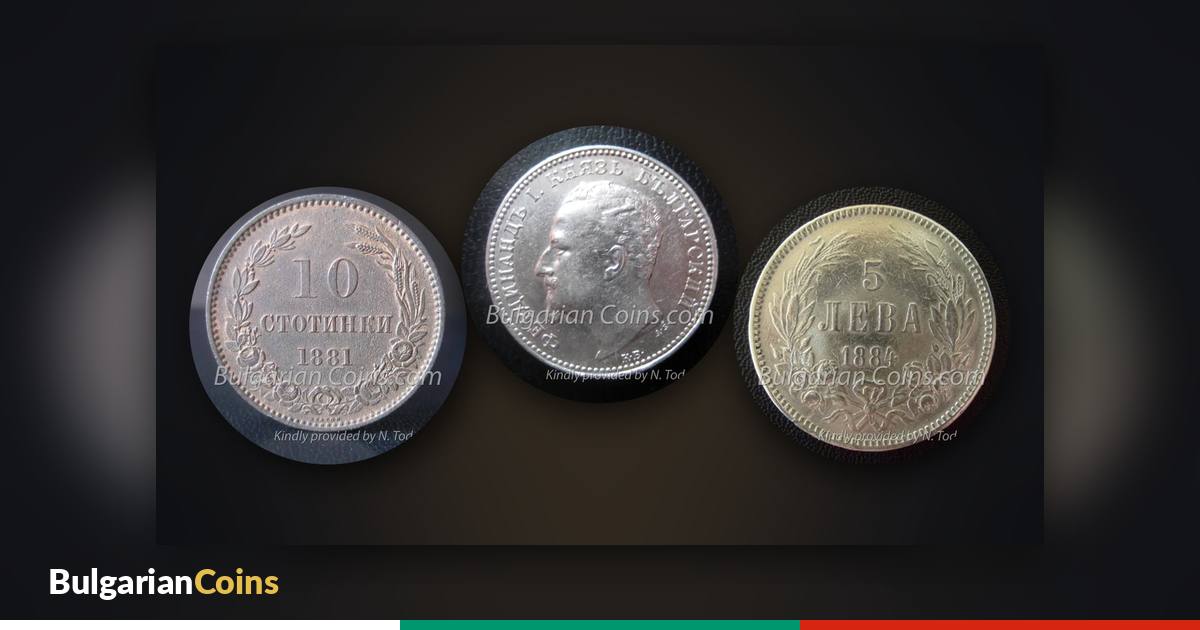
What if I am just selling ordinary stotinki?
The line between a “collector’s item” and an ordinary object is not always clear. Circulation coins sold at around face value or metal value can hardly be considered collector’s items. With rare and expensive coins, certified coins and BNB commemorative coins, however, the answer is clear.
Are you a trader?
If you buy and sell coins systematically, for profit, it may be considered that you are carrying out a commercial activity. Then a different regime applies – taxation as a trader and, above a certain turnover, VAT registration. If you sell often, seek advice.
Investment gold and VAT
The purchase of investment gold is exempt from VAT under Art. 160 of the VAT Act. Gold coins are considered investment gold if:
- they have a fineness of at least 900/1000;
- they were struck after 1800;
- they are or have been legal tender in their country of origin;
- they are sold at a price that does not exceed the market value of the gold they contain by more than 80%.
Most BNB gold commemorative coins are sold at a much higher premium over the metal, so they are not investment gold. Details in Investment gold coins in Bulgaria: buying and VAT. Silver does not benefit from this exemption.
In short
The sale of collector coins is taxed at 10% on the profit and is declared in Annex No. 5. Keep your purchase documents. For large and frequent deals, consult an accountant.