Cultural values: when a coin must be registered
Identification, registration and who carries them out – what the rules of the Cultural Heritage Act mean for the collector
BulgarianCoins editorial team 2 min read
The Cultural Heritage Act protects objects of historical and scientific value. Some coins fall into this category. Here is what that means in practice. This article is not legal advice – in a specific case, consult a lawyer, a museum or the Ministry of Culture.
Which coin is cultural property
Cultural property is an object with historical, artistic, scientific or other significant value. For coins these are above all:
- Ancient coins – Thracian, Greek, Roman, Byzantine.
- Medieval coins – including the Bulgarian coins of the Second Bulgarian Empire.
- Particularly rare coins from more recent times with exceptional scientific or historical significance.
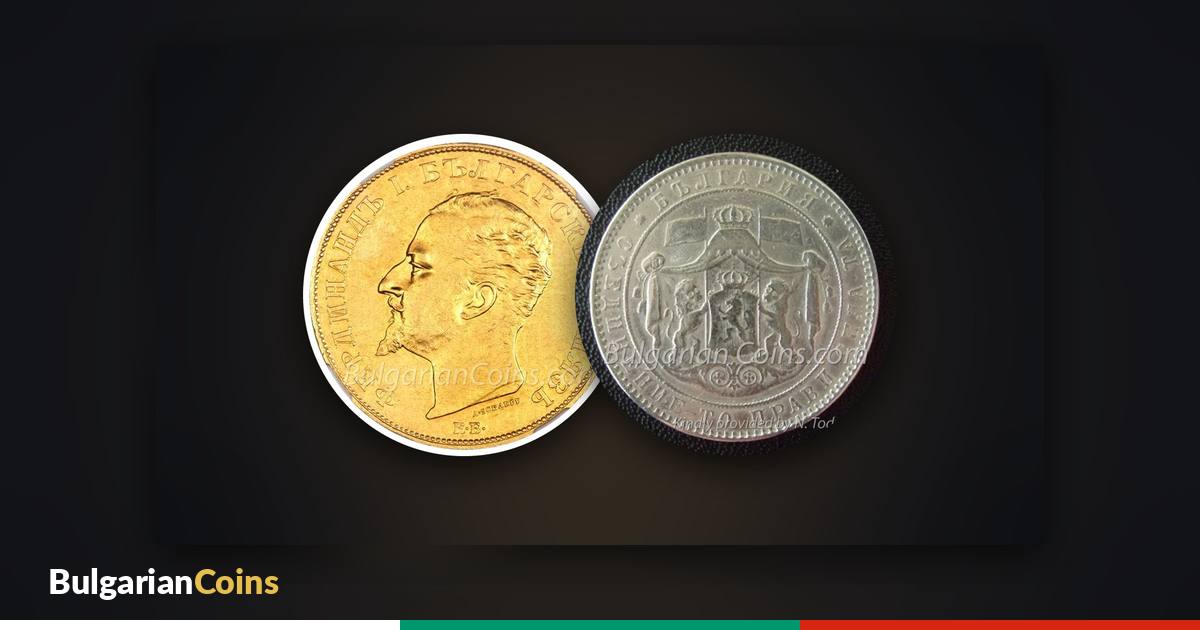
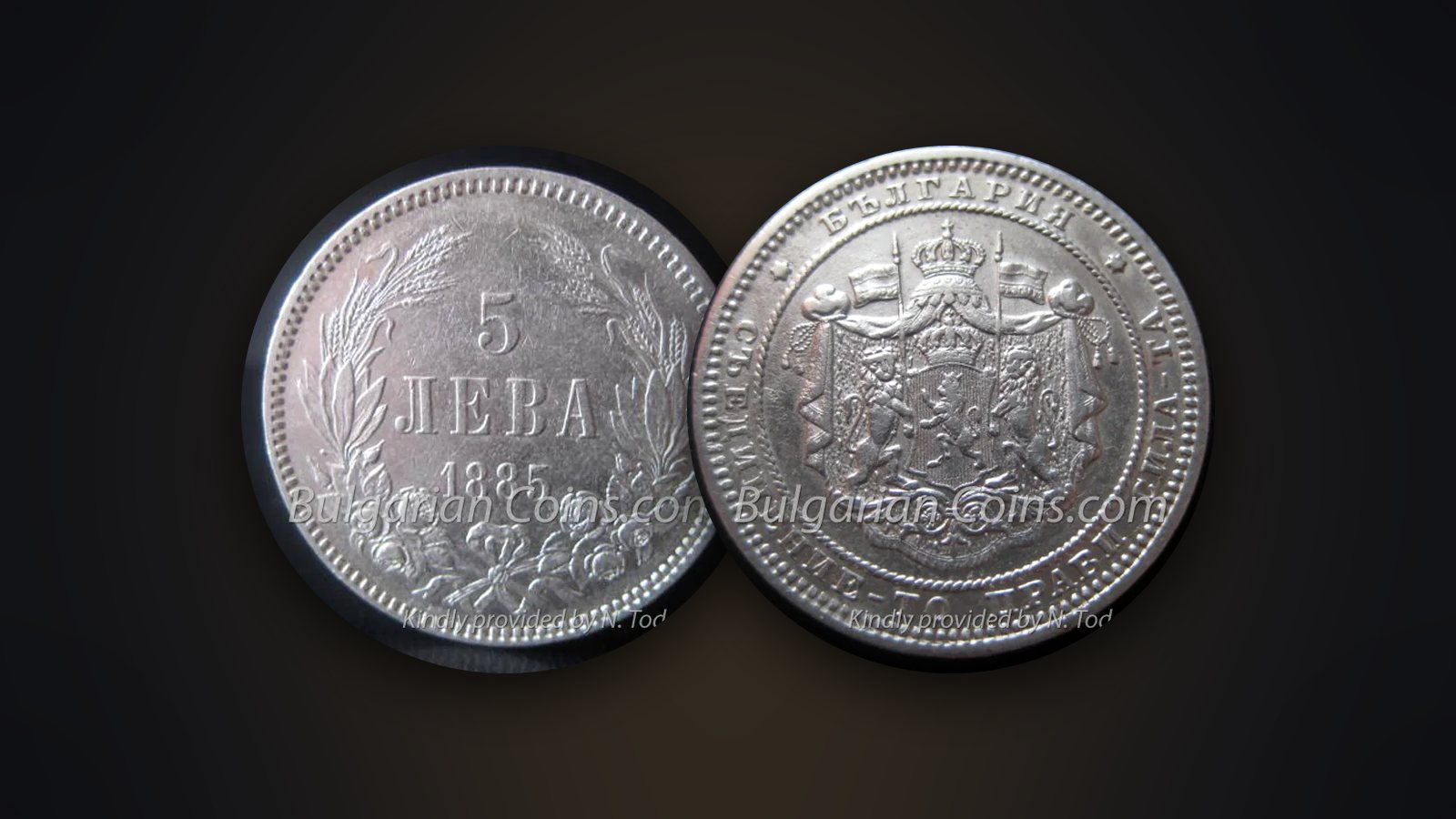
Ordinance N-3 of the Ministry of Culture sets apart as a separate category coins dated after 1800 that have no contribution to or significance for human history (Ministry of Culture). The common coins from the Principality to today are usually not cultural property within the meaning of the law.
What identification is
Identification is a scholarly assessment of whether an object is cultural property, together with its classification and category (Cultural Heritage Act).
Who carries it out:
- Museums – the national, regional and certain municipal and private museums. The application is submitted to the museum appropriate by subject and territory (State Gazette).
- Licensed dealers – for the items they sell, before the sale.
- Numismatic societies – for coins that people held in their actual possession before the law came into force, if the society is entered in a register kept by the Minister of Culture (Cultural Heritage Act).
What registration is
After identification, the item is entered in a register and receives a registration number. The register is kept by the museum or dealer that carried out the identification.
Why it matters
Sale. Transactions for consideration in movable cultural property may take place only if it is identified and registered (Art. 113(1) of the Cultural Heritage Act). If you buy unregistered cultural property, you risk the transaction being illegal.
Export. Export requires a permit or certificate. See How to export coins abroad.
Provenance. Registration proves that the coin does not come from illegal excavations.
Practical tips
- If you have ancient or medieval coins, ask the regional museum for identification.
- If you are buying such coins, ask for the registration number and the documents.
- If you inherit a collection containing ancient coins, seek advice before selling. See Inherited collection.
- Keep the documents – contracts, receipts, certificates.
Modern coins
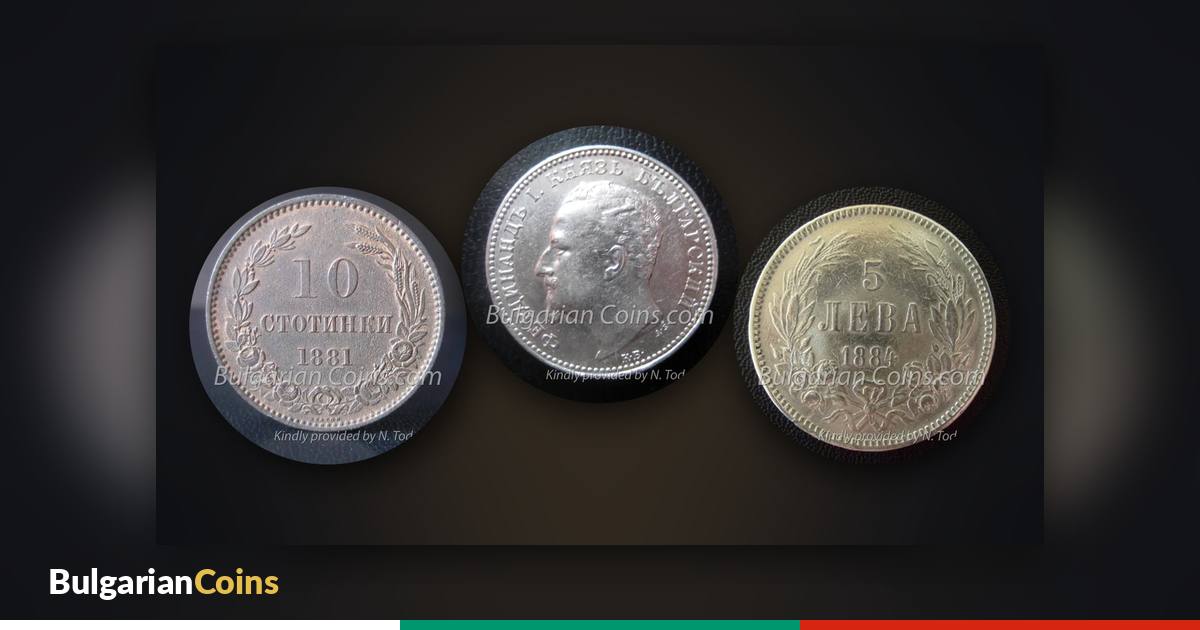
The coins in our catalogue – from 1881 to today – are in most cases not cultural property. They are bought and sold freely, subject to the tax rules. The general overview is in What the law says about coins.