Treasure hunting and metal detecting in Bulgaria: what is legal
Metal detectors, permits, the Criminal Code and why a “find” from a field can turn out to be expensive
BulgarianCoins editorial team 2 min read
Bulgaria is a land with a history of thousands of years. Under the soil lie Thracian, Roman, Byzantine and medieval coins. This attracts many people with metal detectors. The law, however, is clear and strict. This article is general information, not legal advice.
Archaeological objects belong to the state
Archaeological objects, including coins found in the ground or under water, are state property. They belong neither to the person who finds them nor to the owner of the land.
Metal detectors
The Cultural Heritage Act requires “special technical means” – including metal detectors – to be registered with the Ministry of Culture. Their use is limited to field surveys and other expressly permitted activities (Art. 152(2) and (3) of the Cultural Heritage Act) (buzgyova.com).
The Supreme Court of Cassation holds that merely owning a metal detector is not a crime. It becomes one when the device is acquired or used to search for archaeological objects (Supreme Court of Cassation, judgment No. 444/2024).
Treasure hunting is a crime
Under Art. 277a of the Criminal Code, anyone who searches for archaeological objects without a permit is punishable by imprisonment of up to five years (rodek.app). There are heavier penalties for damaging archaeological sites, for concealing finds and for trading in them.
What is legal
- Taking part in archaeological excavations as a volunteer, under the supervision of archaeologists.
- Searching for modern objects – lost keys, jewellery – in places that are not archaeological sites. Caution: the line is thin and the risk is yours.
- Collecting coins bought legally, with documents.
What to do with a chance find
If you find old coins while ploughing, building or walking:
- Do not keep digging. The place may be an archaeological site.
- Do not clean or sell the coins.
- Notify the nearest museum, the municipality or the police. The law obliges the finder to report the find.
- Record the place – photos, coordinates.
Reporting the find protects you from criminal liability. Concealing it is a crime.
Buying “finds”
If someone offers you “coins from the field”, “grandfather’s treasure” or “freshly dug” coins, say no. Buying coins from illegal excavations is illegal and helps destroy archaeological sites. See How to buy ancient coins legally.
Why it matters
Every illegal dig destroys information. A coin in the place where it was found tells a story. Dug up and sold, it is just metal. Treasure hunting robs everyone of their history.
Modern coins
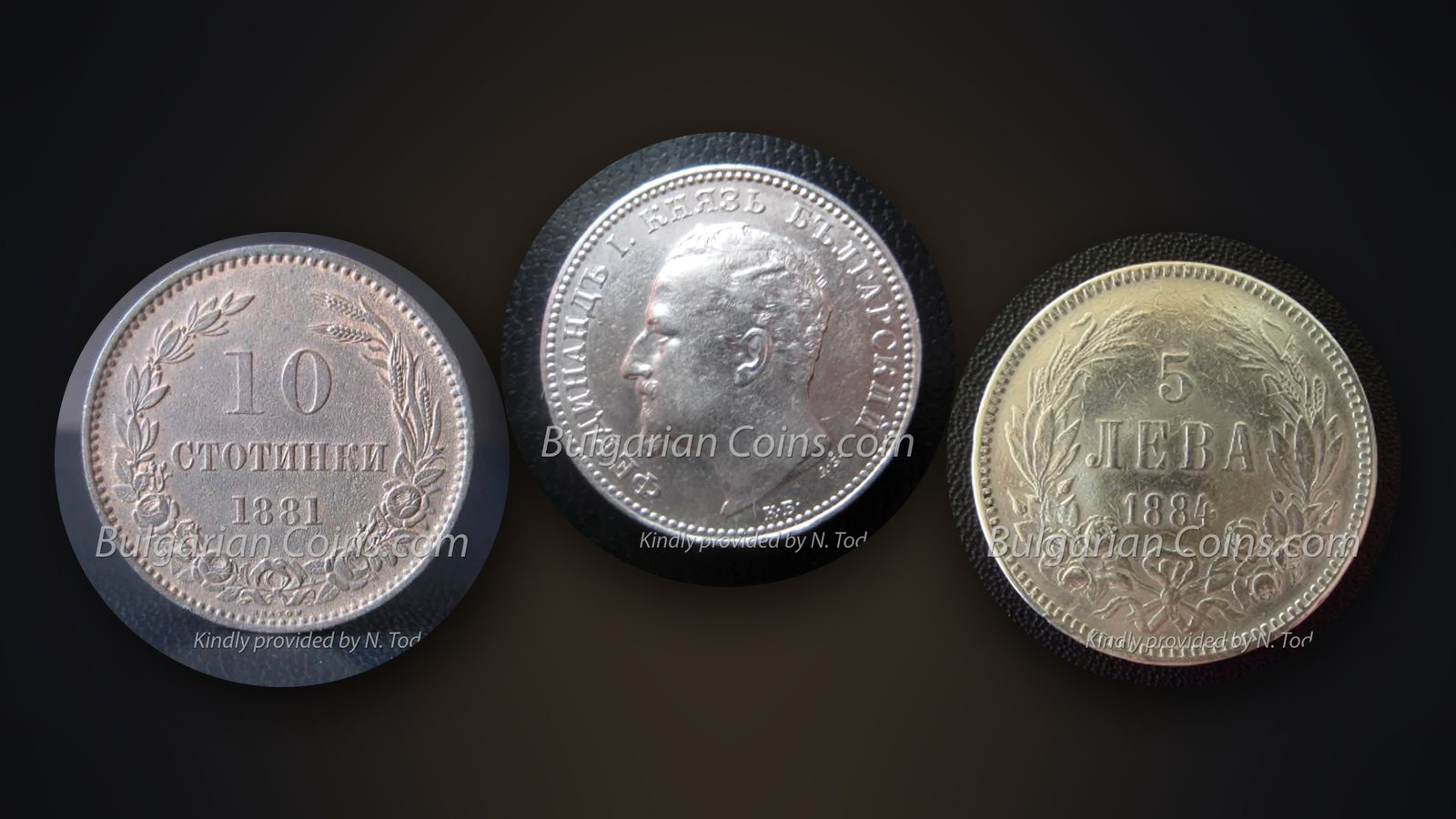
The coins in our catalogue – from 1881 onwards – can be collected freely. But if you find a hoard of Principality coins in the ground, you must report it too. An overview of the law is in What the law says about coins.