How to take coins abroad: customs rules
Cultural property, gold and silver coins, shipments outside the EU – when a permit is needed and which documents to carry
BulgarianCoins editorial team 2 min read
Selling a coin to a collector in Germany? Travelling to a coin fair abroad? Then you need to know the export rules. This article is general information, not legal advice. Before exporting valuable coins, consult the Ministry of Culture or customs.
Cultural property
The export and temporary export of movable cultural property is carried out with an export permit or an export certificate issued by the Ministry of Culture (Administrative Register).
This applies above all to ancient, medieval and rare coins that are cultural property. See Cultural property: when a coin must be registered.
Coins of foreign origin
If you brought coins originating from another country into Bulgaria and have a document of their origin and how they were acquired, they are exported to EU countries with the documents with which they were brought in (Administrative Register).
Gold and silver coins
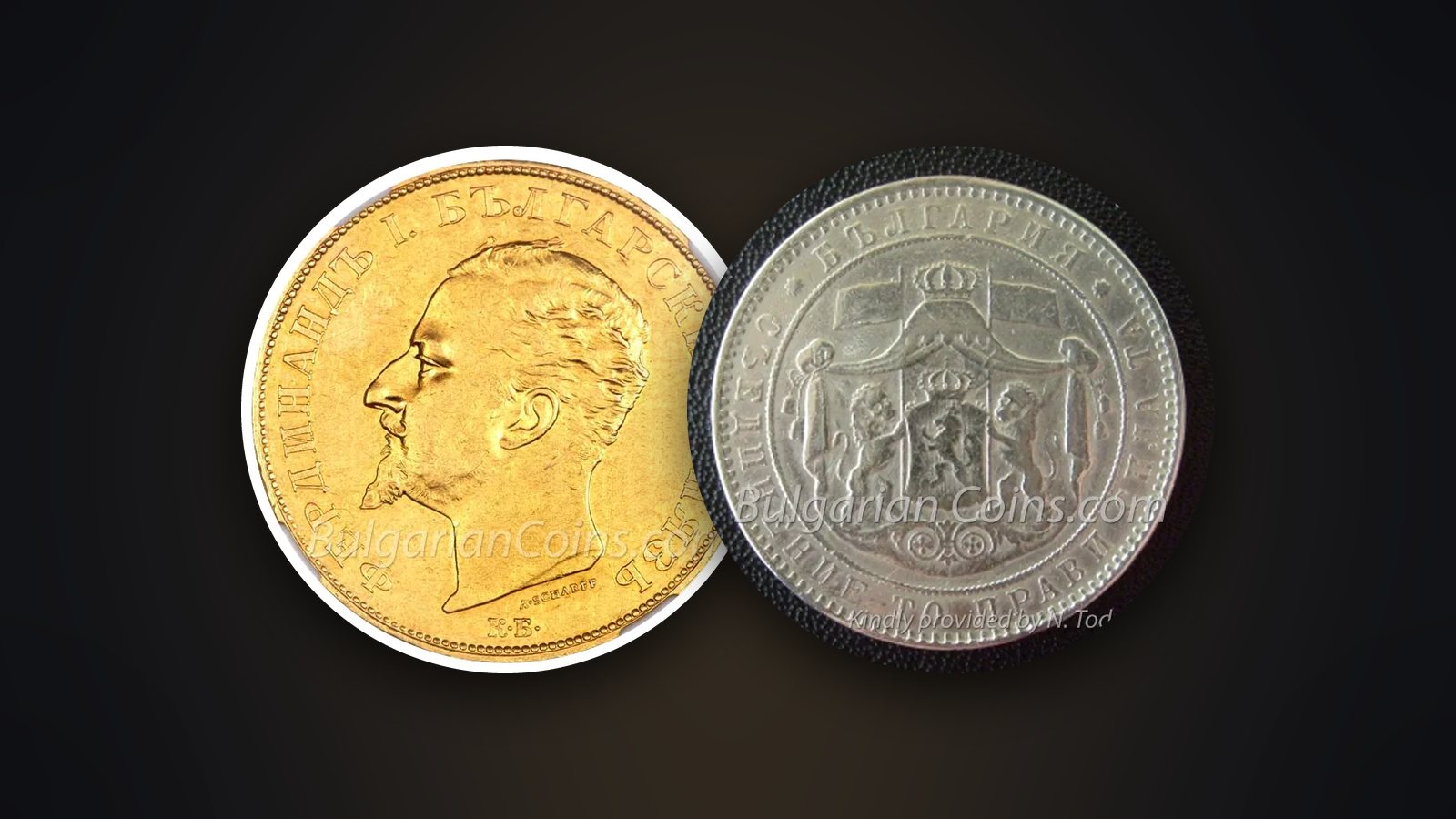
The Ordinance on the export and import of currency valuables prohibits the export of objects, including coins, made of gold, silver and platinum with historical, archaeological, artistic and numismatic value, except with a permit from the Minister of Culture (Ciela). So when exporting historical gold and silver coins, check whether a permit is needed.
Modern coins
New BNB commemorative coins and circulation coins are usually not cultural property. With them, what matters is:
- Proof of purchase – a receipt or invoice.
- The BNB certificate – it shows that the coin is a modern issue.
- A cash declaration. If you are carrying a large sum in coins and money, check the thresholds for declaring at the EU border.
Shipments within and outside the EU
Within the EU there is no customs duty. The customs rules for cultural property, however, also apply to shipments.
Outside the EU – the UK, the US, Serbia, Turkey – the shipment goes through customs. A customs declaration, a description and a value are required. The receiving country may charge duty and VAT. For cultural property exported outside the EU, the European regulation on the export of cultural goods also applies.
Practical tips
- Carry the documents for every valuable coin – origin, purchase, registration.
- Describe the coins honestly in the customs declaration.
- Do not export ancient coins without a permit. The penalties are serious, and the coins can be confiscated.
- When selling abroad, agree with the buyer who bears the costs and risks.
- Insure the shipment. See Insuring a collection.
Import
When importing from countries outside the EU, customs duty and VAT are due, and for gold that is not investment gold, full VAT. See Investment gold coins and VAT.
An overview of the law is in What the law says about coins.