Collecting with children: a hobby that teaches history
How to spark interest, which coins to start with and how coins become a lesson in history, geography and maths
BulgarianCoins editorial team 3 min read
Coins are one of the best hobbies for children. They are real objects from history that you can hold in your hand. They teach patience, attention and order. And the moment a child finds “their” rare coin stays with them for life.
The right age
Children from about 6–7 years old can already sort coins by size and colour. Around 9–10, an interest in years, countries and history begins. Teenagers are often drawn to value and trading. Every age has its own approach.
The first coins: free and close at hand
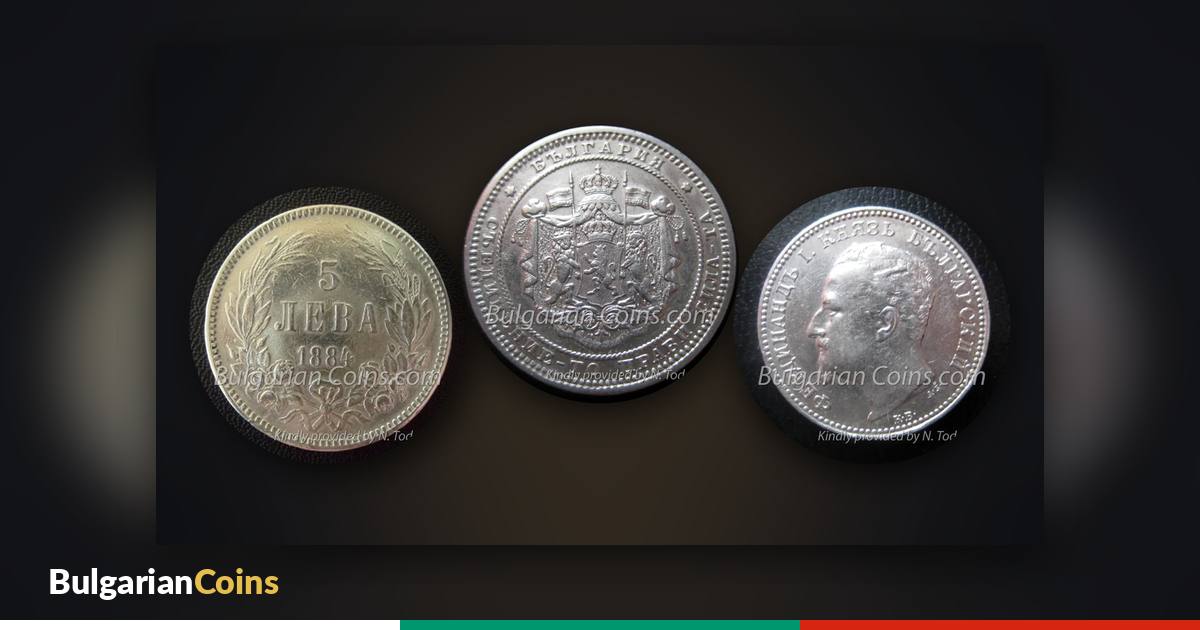
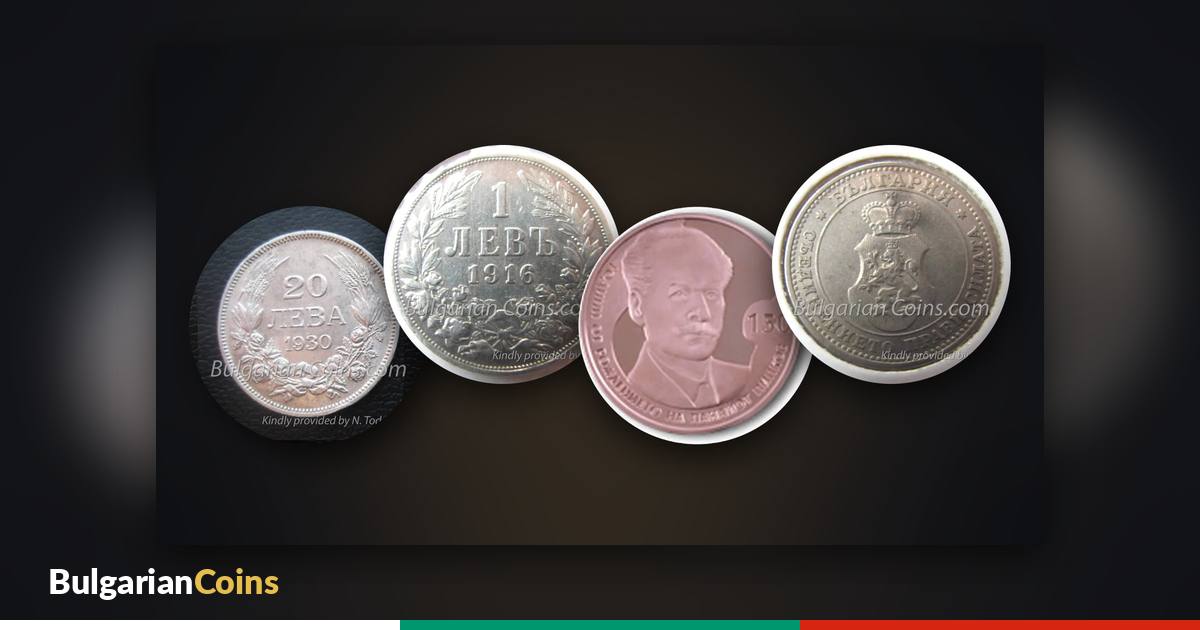
The last leva and stotinki. With the introduction of the euro, leva are leaving circulation. Many families have a jar of stotinki. Let the child sort them by face value and year and look for all the years since 1999. See What to do with leftover leva and stotinki.
Euro coins. Every euro-area country has its own designs on the national side. A coin from France, Germany or Greece may turn up in your purse. Collecting “all the countries” is a wonderful game. Start with the Bulgarian euro coins.
Coins from travels. Every coin from a trip is a memory and a geography lesson.
The themes children love
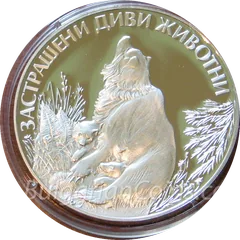
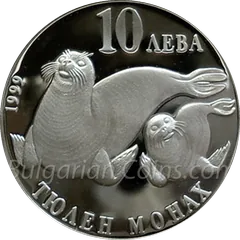
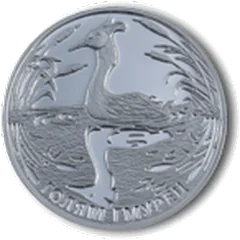
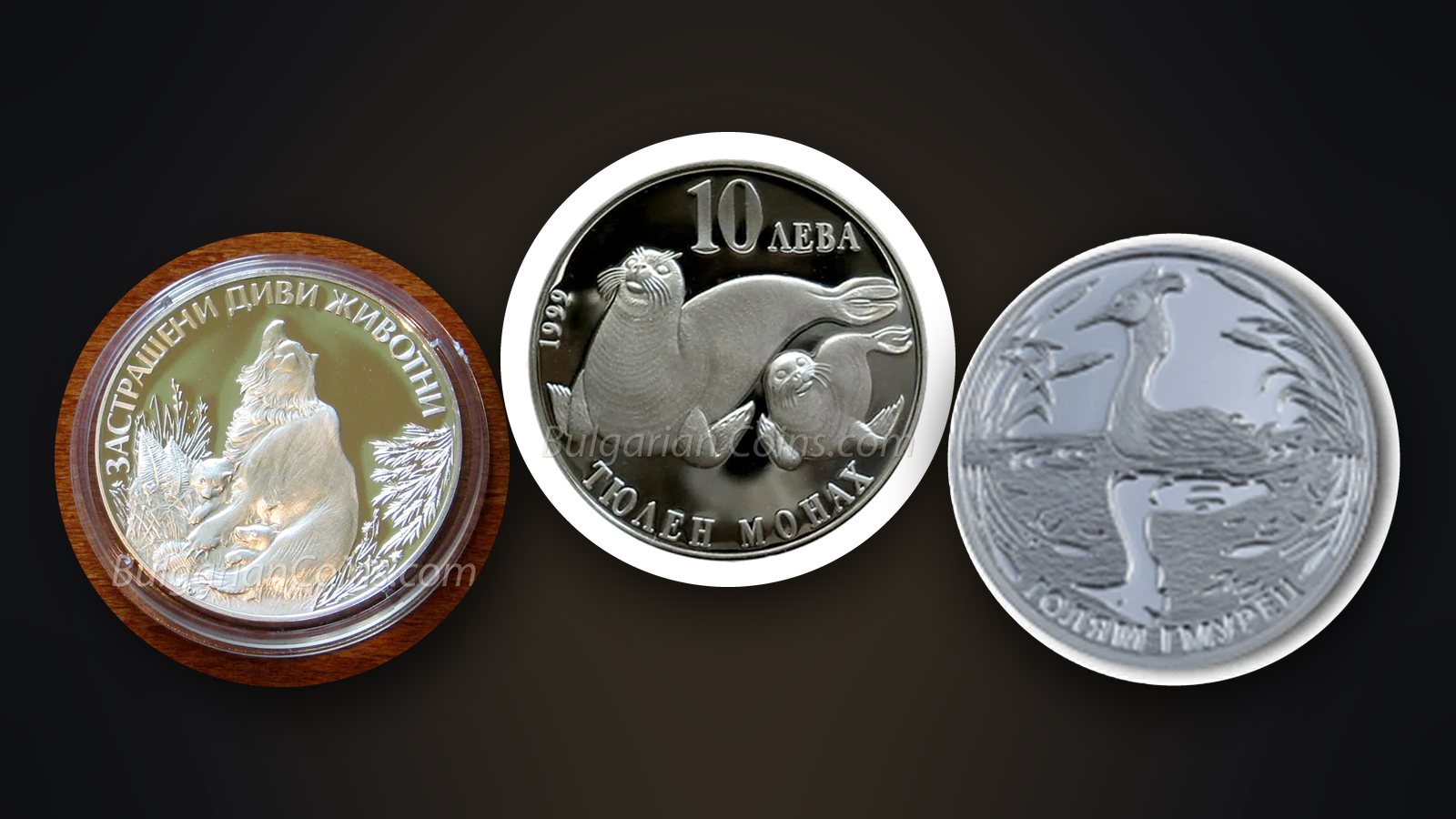
- Animals – bears, the lynx, the seal, birds. See Animals and nature on coins.
- Sport – Olympic and football coins. See The Olympic coins.
- Ships and the sea – see Ships, sailors and the sea.
- Fairy tales – the coloured coins “Kose Bose” and “The Boy and the Wind”.
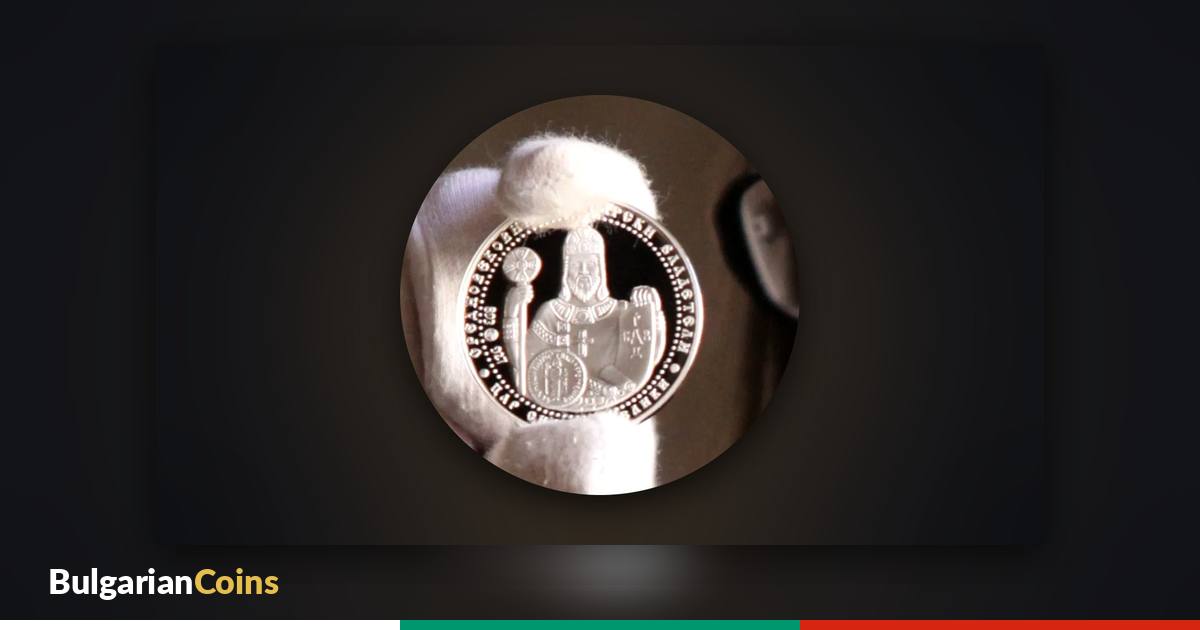
- Kings and heroes – Khan Krum, Tsar Simeon, Hristo Botev.
Simple tools
- A loupe with 5–10× magnification.
- An album with transparent pockets or cardboard holders.
- Cotton gloves – for the nicer coins.
- A notebook for the inventory.
Teach the child to hold coins by the edge, not by the face. Explain why they should not clean them.
Coins as a lesson
History. Who is the person on the coin? Why is 1881 important? What was the Liberation? Our catalogue and the history of the periods give the answers.
Geography. Where was the coin struck? Where is Kaliakra? Which country is the euro coin from?
Maths. How much is one stotinka in euro? What is the mintage, and what does 5,000 pieces mean? If a coin has risen from 18 leva to €500, how many times is that?
Reading. The inscriptions on old coins use ъ, ѣ and other old letters. It is a wonderful starting point for a conversation about spelling.
Games with coins
- Year hunt – who will find the oldest coin in the jar?
- Detective – examine the coin with a loupe and find five details.
- Coin map – stick one euro coin from each country onto a map of Europe.
- A museum at home – the child arranges their own display and tells the guests about it.
Gifts for the young collector
A commemorative coin for a birthday, with the year of birth, is a gift that lasts. See the catalogue by year. New BNB coins are bought at the issue price – see how.
The most important thing
Do not turn the hobby into an obligation. Let the child choose the theme and keep the collection. Your role is to tell stories and to share the joy.