The collector’s essential tools: loupe, scale, calipers and light
What you need, what it costs and how to use it to check coins like a professional
BulgarianCoins editorial team 3 min read
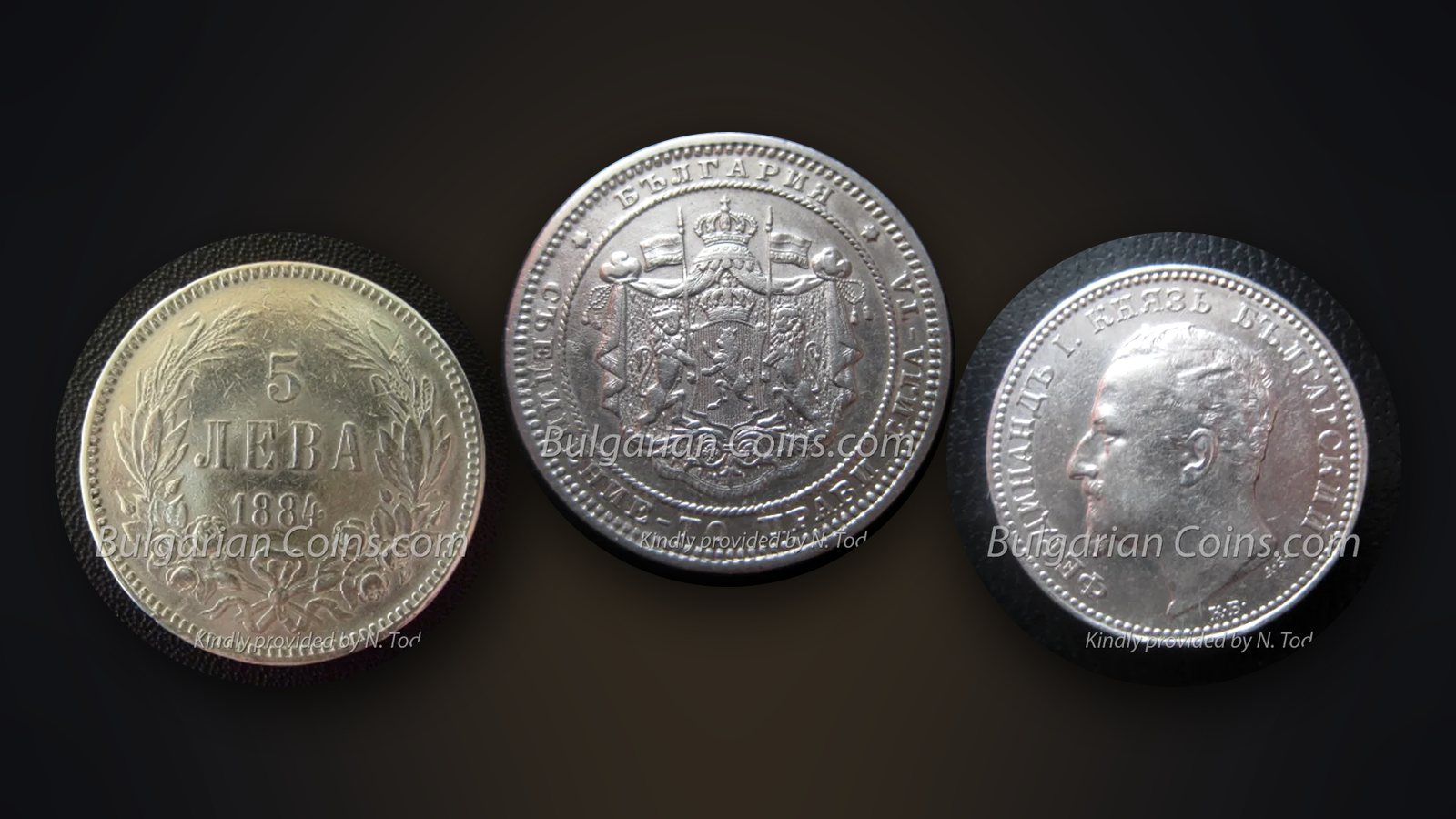
You do not need a laboratory to check a coin. With a few simple tools that cost less than €100 in total, you will spot most counterfeits and assess condition like an experienced collector.
1. Loupe
What: a loupe with 5–10× magnification. To start with, a folding 10× loupe is best.
What for: the details of the design, signs of wear, scratches, cleaning, mint marks, die varieties.
How: hold the loupe close to your eye and bring the coin closer until you see a sharp image. See How to assess condition yourself.
2. Digital scale
What: a scale accurate to 0.01 g.
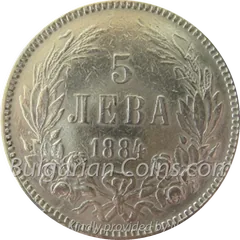
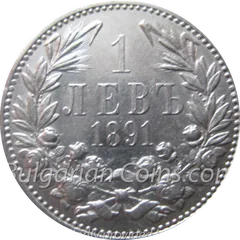
What for: weight is the simplest test of authenticity. The 5 leva 1884 should weigh 25 g, the 2 leva 1882 10 g, the 1 lev 1891 5 g. The weight of every coin is listed in the catalogue.
How: calibrate the scale with the weight that comes with it. Compare the result with the catalogue. A small deviation is normal for worn coins. A large deviation is a sign of a problem.
3. Calipers
What: digital calipers accurate to 0.01 mm.
What for: diameter and thickness. Counterfeits often have the right diameter but the wrong thickness – or the other way round.
How: hold the coin carefully, without scratching the edge.
4. Magnet
What: a strong neodymium magnet.
What for: silver, gold, copper and nickel are not attracted. If a “silver” coin is attracted by a magnet, it is fake. Caution: the iron coins of 1941 and 1943 are attracted – that is normal. See Coins of the war years.
5. Light
What: a desk lamp with neutral white light that can be directed.
What for: angled light shows scratches, traces of cleaning and wear. That is why graders look at a coin at an angle.
How: turn the coin slowly under the lamp. The surface should “glow” evenly.
6. Gloves and a pad
What: cotton or nitrile gloves, a soft pad.
What for: grease from fingers leaves marks that turn into spots over time. Always hold a coin by the edge.
7. Capsules and holders
Every valuable coin should have its own capsule. See How to store your coins.
The ring test
A silver coin dropped carefully on a hard surface, or tapped lightly with another coin, gives a clear, long ring. A counterfeit made of base metals sounds dull. The test is not reliable for worn coins, but it is a good addition.
Table: what each tool checks
| Tool | Authenticity | Condition | Variety |
|---|---|---|---|
| Loupe | ✓ | ✓ | ✓ |
| Scale | ✓ | ||
| Calipers | ✓ | ||
| Magnet | ✓ | ||
| Light | ✓ |
What you do not need at first
Expensive microscopes, ultraviolet lamps and metal analysers are useful for specialists, but not for a beginner. Start with the basics.
The next step
With these tools you can carry out most of the checks described in Simple tests for a genuine coin. For valuable coins, also consider grading.