How to grade your own coins: step by step
A loupe, a lamp and five questions – a method for working out the approximate grade of any coin
BulgarianCoins editorial team 3 min read
Grading by PCGS or NGC is worth it for expensive coins. For the rest, it is enough to work out their approximate condition yourself. This is useful when you organise your collection, compare with market prices or decide whether a listing is honest.
What you need
- A ×5 to ×10 loupe. Higher magnification shows defects nobody looks at.
- A single lamp with directed light – a desk LED lamp is ideal. Ceiling lighting hides the details.
- A soft pad and nitrile gloves or clean hands. See How to hold coins.
- A reference – a photo of the same coin in good condition. The pages in our catalogue have photos of the obverse and reverse.
Step 1: Wear on the high points
Wear starts at the highest points of the relief – those that rub first in a pocket or in the hand. Look at them first.
| Coin | High points |
|---|---|
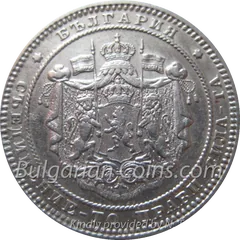
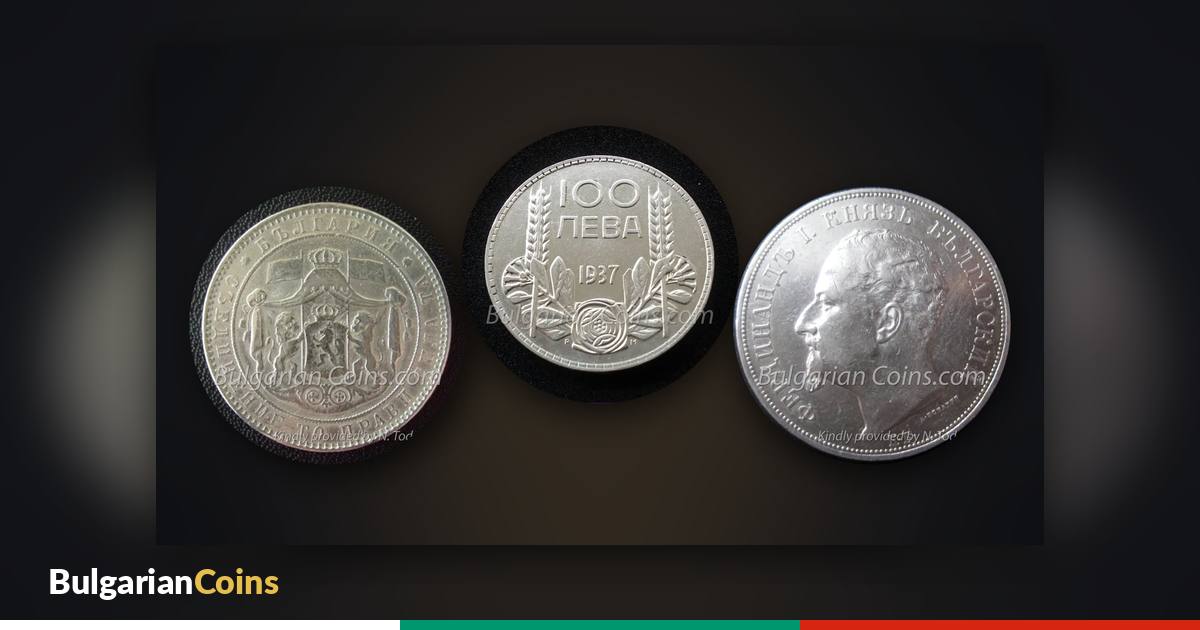
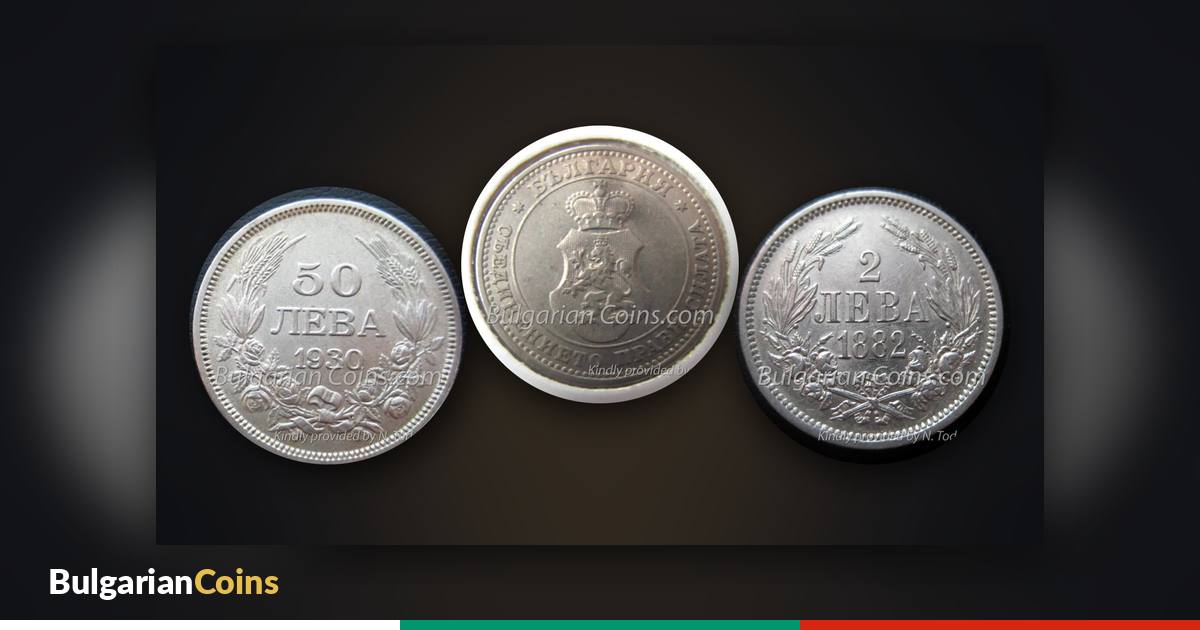
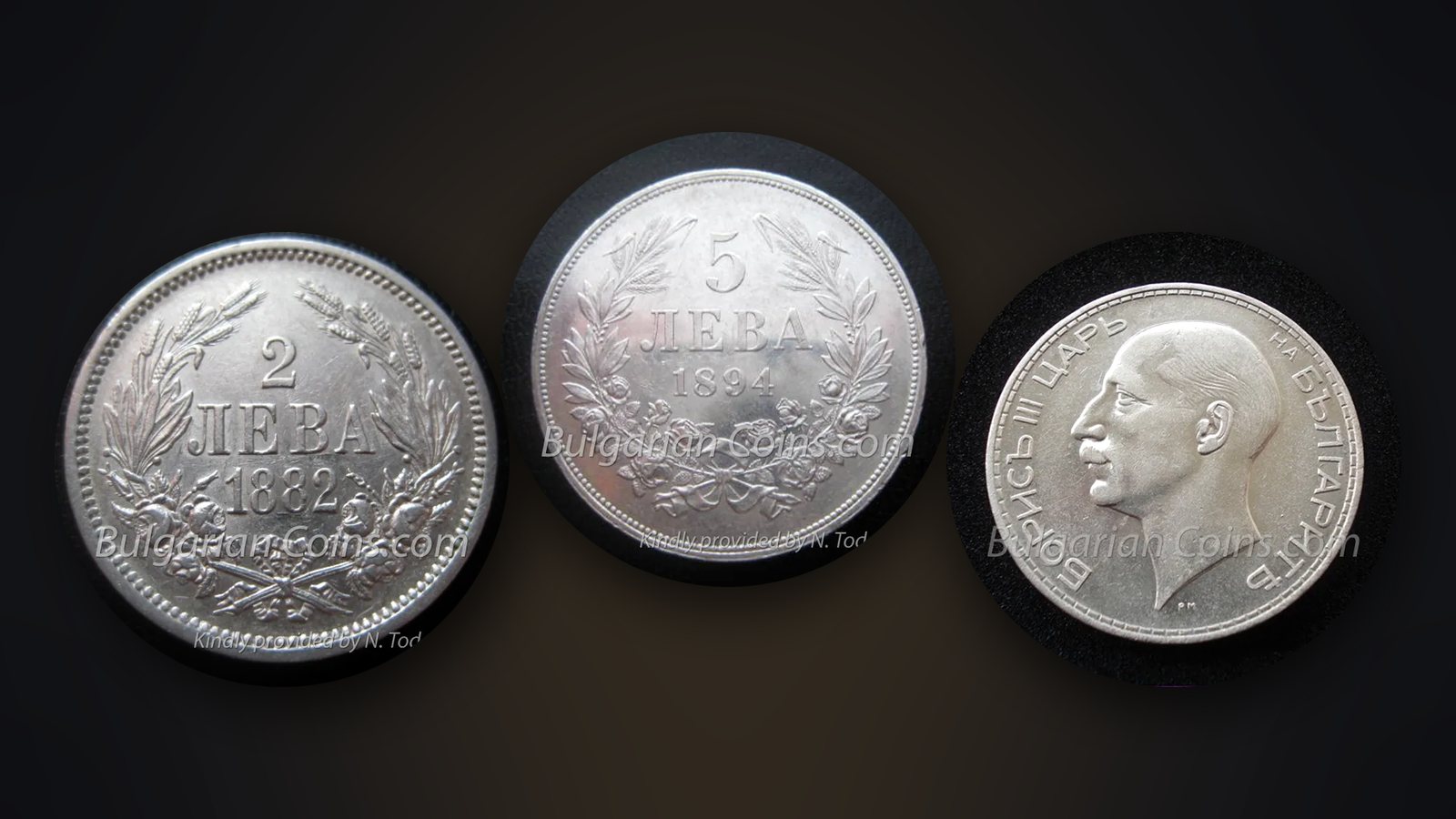
| 2 leva 1882, 1 lev 1882 | the coat of arms with the lion, the mane, the crown |
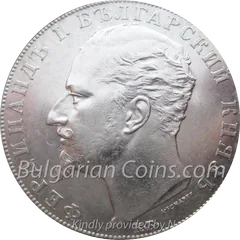
| 5 leva 1884–1894 | the ruler’s hair and beard, the ear |
| 100 leva 1930–1937 | the hair above Tsar Boris III’s ear, the moustache |
| Stotinki 1881–1913 | the coat of arms, the ribbon, the numerals of the face value |
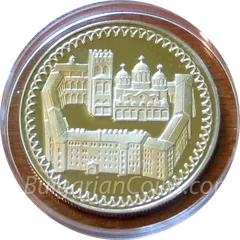
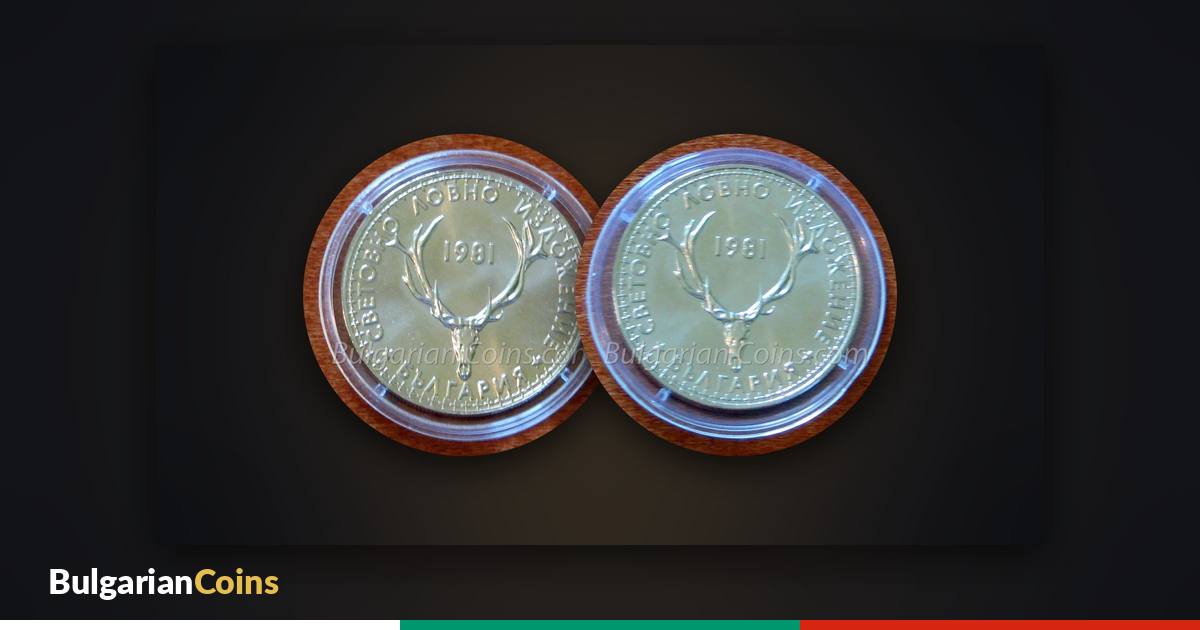
| BNB commemorative coins | the highest part of the central image |
If the high points are flat and without detail, the coin is below VF. If there is only slight rubbing, XF or AU. If the relief is complete and there is no change in the lustre, it is probably MS. The numbers are explained in The Sheldon scale.
Step 2: Lustre
Rotate the coin under the lamp. If the light “flows” across the field like a wheel, the coin has original mint lustre. If the lustre is only in the low areas and the high points are matt, the coin has been in circulation. If the coin shines like a mirror, without the wheel, yet is worn, it has probably been cleaned.
Step 3: Marks and scratches
With a loupe, count the marks and scratches in the field and on the main image. Almost every old coin has small bag marks. What matters is their number, size and location. Marks on the ruler’s face weigh more than marks on the reverse. Marks on the edge always weigh a lot. More on how serious defects are – in What lowers a grade the most.
Step 4: Overall look
Step back to arm’s length. How does the coin look as a whole? Beautiful, even toning or spots? A clear strike or blurred details? This is “eye appeal”, and it can move the grade up or down by one step.
Step 5: Problems
Finally, answer “yes” or “no”: cleaning, a hole, traces of soldering, corrosion, engraving, bending. If there is at least one “yes”, the coin is a “problem coin”. Then the wear number is only a guide, and the price is lower.
Record the result
Record the grade and notes in your collection inventory – see How to catalogue your collection. Look again a year later. You will see that your eye has become more accurate. For coins you grade at MS 63 or above and whose market range is high, consider professional grading.