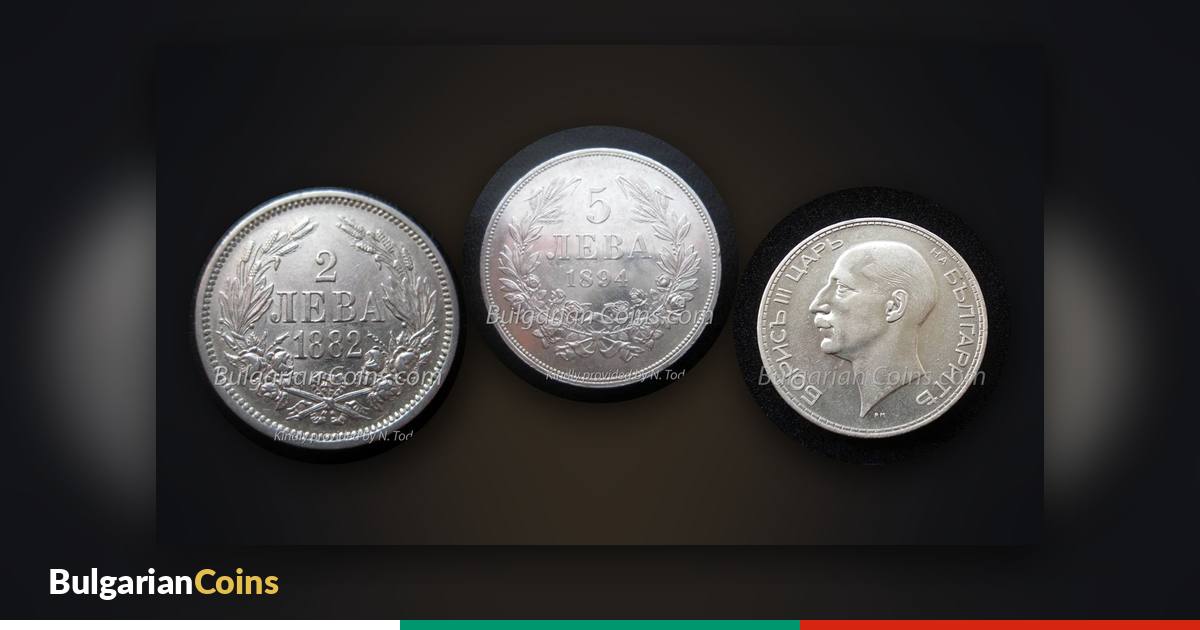
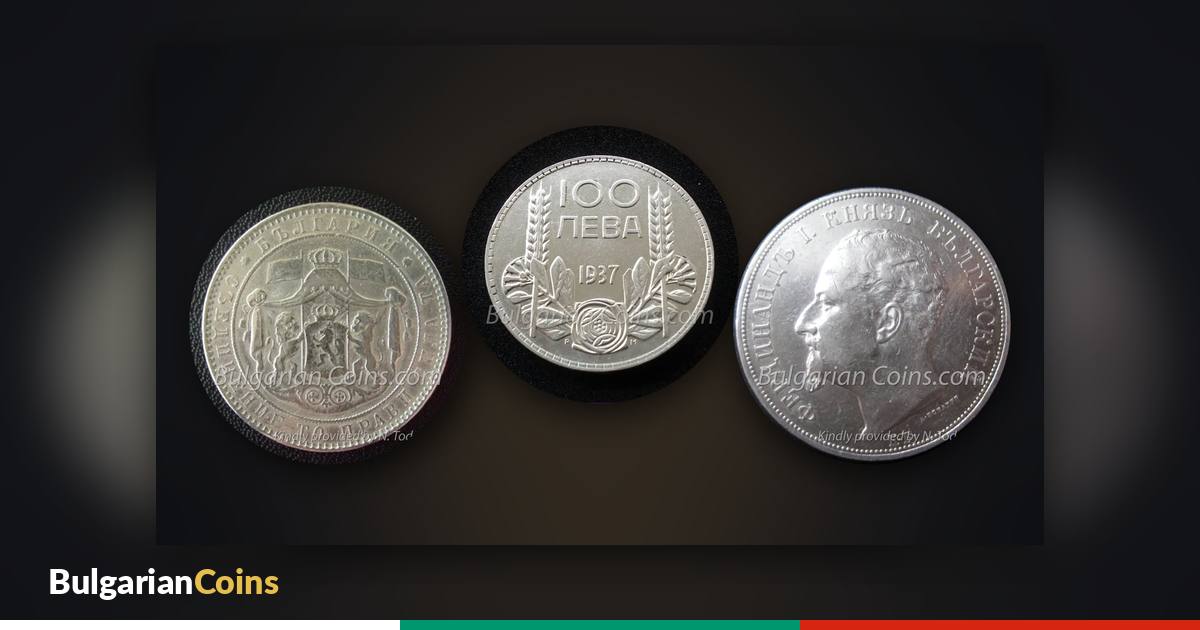
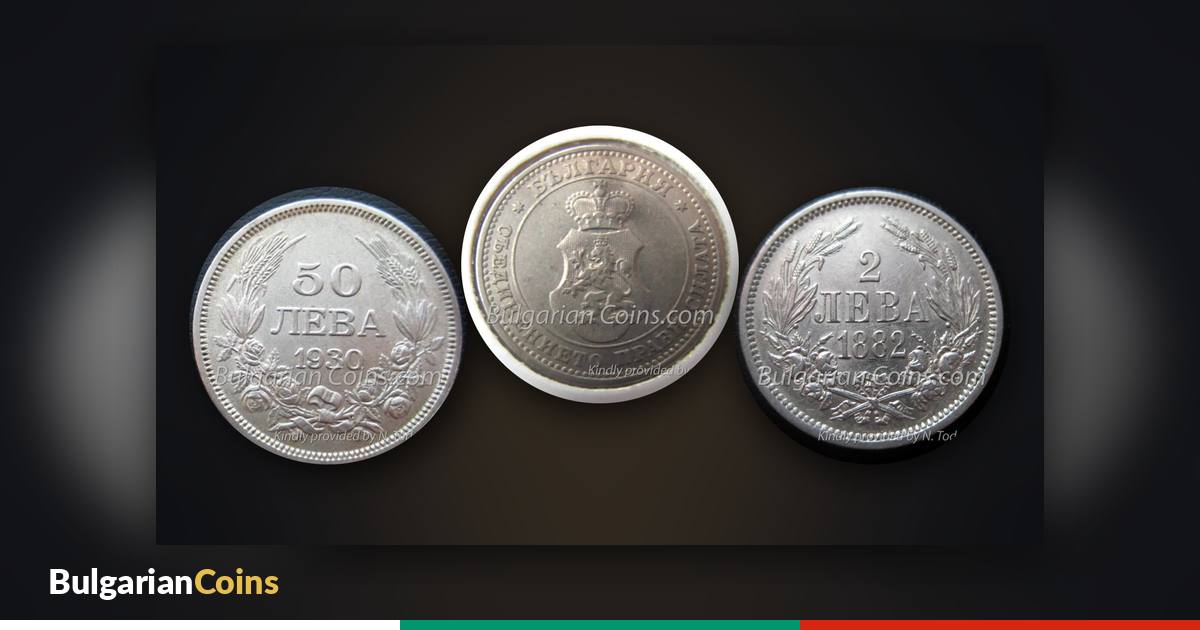
Proof, proof-like and BU: the difference on Bulgarian coins
What “matt-gloss”, “gloss” and “uncirculated” mean in the BNB catalogue and how to tell them apart by eye
BulgarianCoins editorial team 3 min read
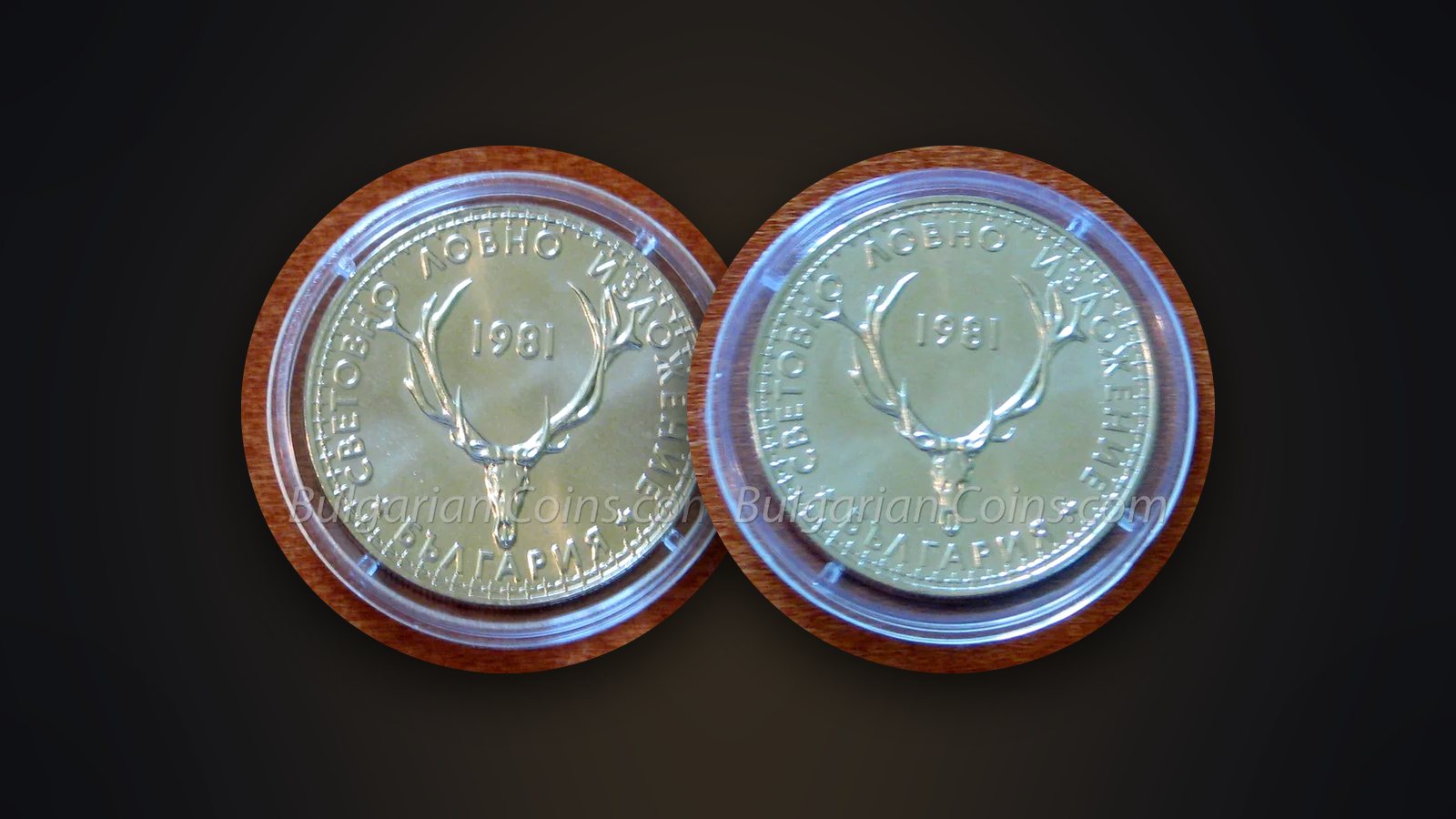
In the descriptions of Bulgarian commemorative coins you will come across terms such as “мат-гланц” (matt-gloss), “гланц” (gloss), “висше качество” (highest quality), “proof” and “BU”. They describe the method of striking – how carefully the dies and planchets were prepared and how the coin was struck. They are not grades of wear. A proof coin can be damaged, and a BU coin perfect. For wear, see the article Coin grades.
Proof – “matt-gloss, highest”
Proof is the highest quality of striking.
- The dies are polished to a mirror finish, and the relief is given a matt treatment (for example by sandblasting).
- The planchets are selected and polished.
- The coin is struck slowly, often twice, with greater pressure, so that every detail is filled.
- The result: a mirror background and a matt relief – this is “matt-gloss” in BNB terminology. The effect is called cameo.
- The coins are packed straight into a capsule and are not released into circulation.
Almost all the BNB’s modern commemorative coins – the silver 10 leva, the gold 100 leva, the copper 2 leva – are in “matt-gloss, highest” quality, i.e. proof.
BU (brilliant uncirculated) – “gloss”
BU is higher than ordinary circulation striking, but lower than proof.
- The dies are new and well maintained, but not mirror-polished.
- The coin has an even die lustre over the whole surface, with no contrast between background and relief.
- It is struck at ordinary speed and is usually packed in sets or blister packs.
Proof-like
Proof-like is a circulation or BU coin whose field, thanks to a new, fresh die, has acquired a mirror sheen similar to proof. It was not struck as a proof but looks close to one. The phenomenon is typical of the first strikes from a new die. On the international market proof-like (PL) and deep mirror proof-like (DMPL) are noted separately and valued more highly than ordinary BU coins.
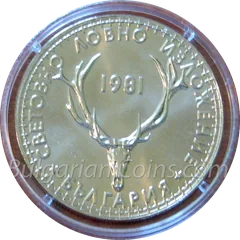
An example from the catalogue: EXPO ’81
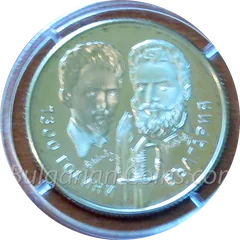
The 1981 coins are a good example of the difference. Some of them were issued in two qualities with different mintages:
| Coin | Quality | Mintage |
|---|---|---|
| 5 leva EXPO ’81 | matt-gloss (proof) | 50,000 |
| 5 leva EXPO ’81 | gloss (BU) | 250,000 |
| 5 leva Botev and Petőfi | matt-gloss (proof) | 50,000 |
| 5 leva Botev and Petőfi | gloss (BU) | 200,000 |
The proof version has a mintage five or four times smaller and usually costs more on the market. In our catalogue the two versions are separate coins, because collectors collect them separately.
How to tell them apart by eye
- Tilt the coin under a lamp. With proof the background turns dark like a mirror, while the relief stays bright and matt. With BU the whole coin shines evenly.
- Look at the edge of the relief. With proof the contours are razor-sharp. With BU they are slightly softer.
- The edge and the rim of a proof are perfectly even and polished.
- The packaging. Modern proof coins are almost always in a capsule with a box and a certificate.
Be careful with proof coins
A proof surface is very sensitive:
- a single fingerprint can leave a permanent spot;
- micro-scratches on the mirror background are visible immediately;
- milk spots sometimes appear on silver proof coins – more in the article Milk spots on silver proof coins.
That is why proof coins are kept in their capsule – in detail in Why keep the certificate and the original packaging.