Toning, scratches, rim knocks: what lowers a coin’s grade the most
Not all defects are equal – some cost one grade, others turn a coin into “Details”
BulgarianCoins editorial team 3 min read
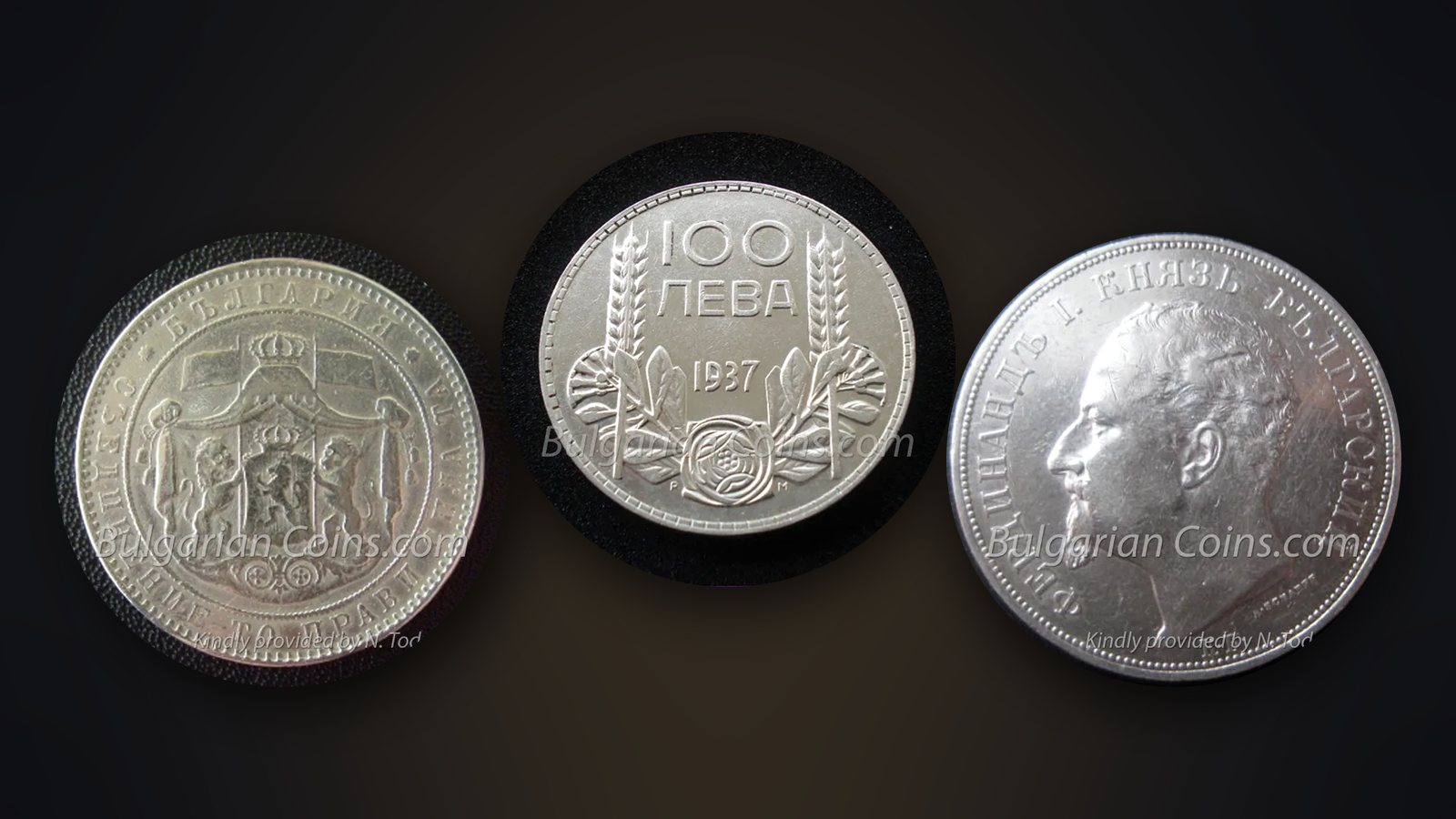
Two coins with the same wear can receive different grades and sell at very different prices. The reason lies in the defects. Graders look at them with three questions: how many, how large and where. A defect in the field in front of the ruler’s face weighs more than the same defect on the reverse, among the leaves of the wreath.
Scale of severity
| Defect | What it looks like | Effect |
|---|---|---|
| Natural toning | even colour, darker towards the rim | neutral or positive |
| Bag marks | small dents from contact with other coins | light, one or two grades in MS |
| Weak strike | indistinct details, but no wear | light, depends on the type |
| Fine scratches (hairlines) | parallel lines, often from wiping | moderate; with many – “cleaned” |
| Spots | dark dots, traces of a fingerprint | moderate to severe on proof |
| Rim knock | a dent or distortion of the rim | severe |
| Deep scratch | clearly visible to the naked eye | severe |
| Cleaning, polishing | lost lustre, unnatural colour | very severe – “Details” |
| Hole, traces of a loop | a coin worn as jewellery | most severe – collector value close to the metal |
Why rim knocks are so bad
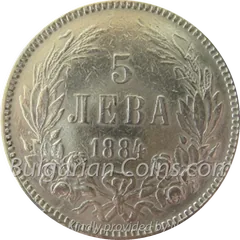
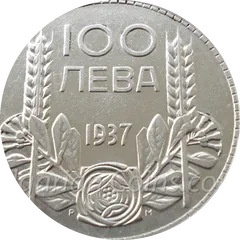
The rim is the first thing to be hit when a coin is dropped. A knock on the rim is visible from a distance, distorts the profile and is often reflected on the face. On heavy silver coins such as the 5 leva 1884 or the 100 leva 1937, rim knocks are very common. That is why a coin without such knocks is valued much more highly. Proper handling – in How to hold coins.
Bag marks: unavoidable on old coins
Circulation coins are collected in bags immediately after striking. Marks from other coins are natural, and almost every MS coin has them. What matters is their number and location. MS 65 allows a few small marks outside the main areas. MS 61–62 has many or more visible marks.
Cleaning: the most expensive mistake
Grading companies do not give a number to a cleaned coin. The label reads “Details – Cleaned” or similar, and the price falls below that of a lower grade without a problem. Details – in Why polishing and baking soda kill value and How to spot a cleaned coin.
Toning: it depends
Natural, even toning does not lower the grade. Beautiful “rainbow” toning on old silver often even raises the price. Blotchy, dark and uneven toning, especially on the obverse, does affect eye appeal, however. Sometimes it hides cleaning. See Discoloured coins: what can be restored.
With BNB proof coins
On proof coins the mirror field shows everything. A fingerprint, milk spots or a fine scratch from taking the coin out of its capsule immediately drop PR 69 to PR 66–67. Milk spots are a separate topic, because they often appear inside the capsule itself.
The practical conclusion
When you compare prices, compare only coins in the same condition. If a coin is much cheaper than the range of market prices, look with a loupe for the defect that explains the difference.