Discoloured coins: what can be restored and what cannot
Toning, spots, green and black deposits – what is natural, what is damage and when intervention does more harm
BulgarianCoins editorial team 3 min read
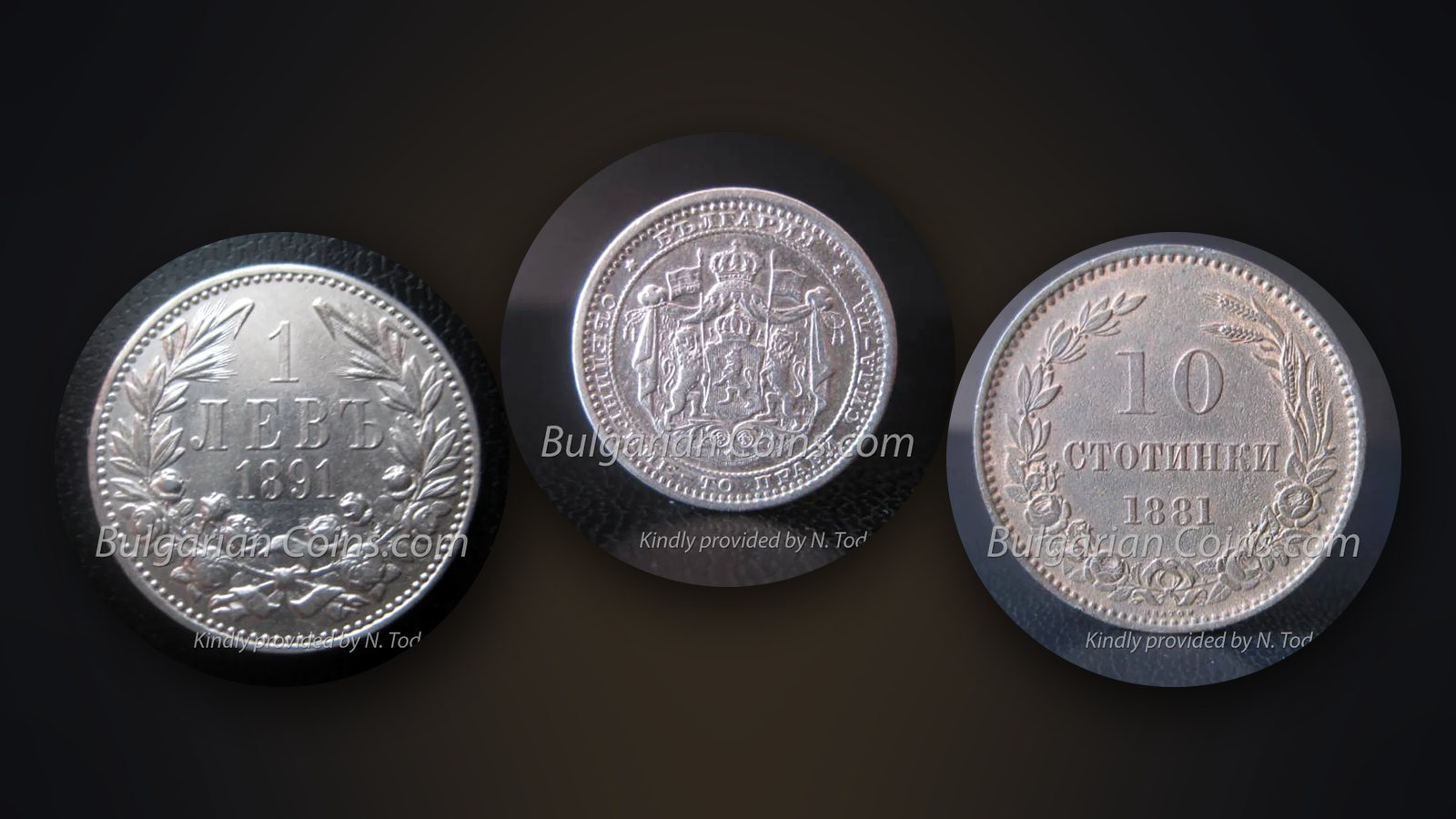
Collectors call a change in a coin’s colour toning. It is a natural process: the metal reacts with the air, moisture and the materials around it. Some discolouration is harmless and even desirable; some is a sign of corrosion. The difference matters, because the wrong intervention can turn a coin with a beautiful patina into a cleaned coin that has lost its value.
Natural toning: usually left alone
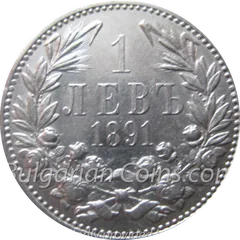
On old silver – for example the 1 lev 1891 or the 5 leva 1894 – toning passes from light gold through brown to blue and violet. An even, concentric tone that is darker towards the rim is typical of coins kept for a long time in paper envelopes or albums. Many collectors pay more for beautiful “rainbow” toning. Removing it is irreversible and almost always lowers the price.
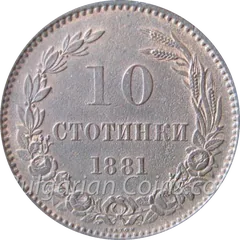
On copper and bronze – the stotinki from 1881 to 1912 – the natural patina is brown to dark brown. It protects the metal. Why it should not be removed is explained in Patina or tarnish.
What is damage
| Discolouration | Metal | What it means | Can it be stopped |
|---|---|---|---|
| Bright green, powdery spots | copper, bronze | bronze disease (active corrosion) | yes, if caught early |
| Dark green, smooth deposit | copper | stable patina or an old deposit | usually left alone |
| Black spots with a sharp outline | silver | sulphur compounds, often from PVC or rubber | sometimes, partly |
| White spots on proof | silver | “milk spots” from production | rarely |
| Rust (reddish-brown) | iron, the war coins of 1941–1943 | corrosion of the iron | yes, stabilisation |
| Sticky green film | all | degrading PVC | yes, acetone |
Bronze disease is the most dangerous, because it spreads. We describe how to recognise and stabilise it in detail in Caring for copper and bronze coins. Milk spots on BNB proof coins have their own article – Milk spots on silver proof coins.
What can be restored
- Sticky green film from PVC – removed with pure acetone by soaking. The sooner, the better. See Removing PVC from coins.
- Fresh fingerprints on silver – sometimes disappear with a brief soak in acetone.
- Dust and dirt in the relief – distilled water and a soft brush without pressure.
- Rust on iron coins – can be stabilised, but the original appearance cannot be restored.
What cannot
An old black sulphur outline, deep corrosion and a fingerprint that has penetrated the surface cannot be removed without taking away metal. “Dip” products for silver remove the toning together with the top layer and leave an unnatural, matt or overly bright look. An experienced buyer recognises this immediately and pays the price of a cleaned coin.
When to do nothing
If the coin is valuable, if you are not sure what the spot is, or if the tone is even and beautiful – do nothing. Put the coin in safe PVC-free packaging, at low humidity, and show it to an experienced collector. The restorers’ rule applies here too: every intervention should be reversible. Cleaning is not.