How to safely remove PVC residue (green slime) from coins
Where the green greasy coating comes from, why it is dangerous and how to remove it with acetone without harming the coin
BulgarianCoins editorial team 3 min read
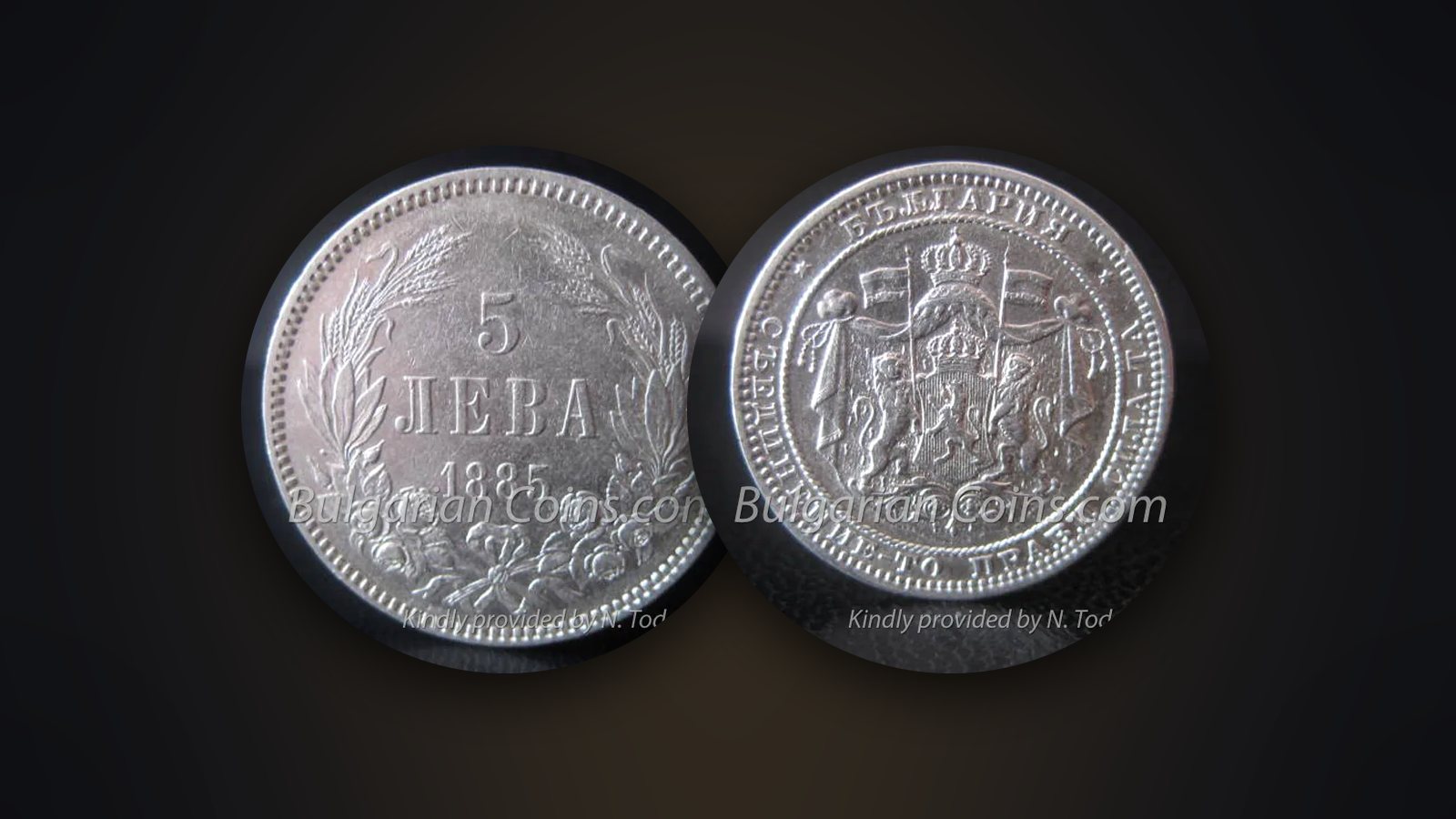
If you have inherited coins arranged in an old soft album or in pouches from the 1970s and 1980s, you may have noticed a green, greasy or sticky coating on them – sometimes as a thin film, sometimes as droplets. This is not patina, and it is not “the dirt of the years”. It is PVC residue, and the longer it stays on the coin, the greater the damage.
Where it comes from
PVC (polyvinyl chloride) is a hard material. To turn it into a soft, flexible film for albums, plasticisers are added. Over the years they migrate out of the plastic and settle on the coins. Together with chlorine compounds from the breakdown of the PVC, they form an acidic, green layer that:
- eats into the surface, especially of copper and bronze, but also of silver;
- leaves permanent spots and pits in the form of tiny dots if left too long;
- spreads from coin to coin in the same album.
How to recognise it
- Colour: light green to grass green, sometimes greyish.
- Texture: greasy or sticky. It is not powdery, as with bronze disease.
- Location: often stronger on the side that rested against the film, and along the edge of the relief.
- The smell of the packaging: soft, flexible pouches and pages with a characteristic “plastic” smell are almost always PVC.
If the spots are powdery, light green and crumble on copper coins, it is probably bronze disease. That is a different problem – in detail in the article Bronze disease and copper stotinki.
What you need
- Pure acetone (99–100%) – from a pharmacy, a chemicals or paint shop. Do not use nail-polish remover: it contains oils, fragrances and water.
- A glass container with a lid (acetone dissolves some plastics).
- Plastic-tipped tweezers or nitrile gloves.
- Distilled water and a soft paper towel.
- A well-ventilated place, away from flames.
Step by step
- Take the coin out of the PVC packaging and put it on a soft cloth. Hold it only by the edge.
- Immerse it in the acetone for 1–3 minutes. Do not rub. The acetone dissolves the plasticisers on its own.
- Take it out and inspect it. If there is residue, repeat with clean acetone – used acetone already contains dissolved PVC.
- For stubborn residue, leave the coin for 10–15 minutes and swirl it gently in the container. A cotton bud is allowed only for blotting, without pressure.
- Rinse with distilled water. This is not essential, but helps with coins that have remaining traces.
- Dry by blotting and let the coin air-dry completely.
- Put it straight into safe packaging – a rigid capsule or a PVC-free holder.
Acetone does not react with gold, silver, copper or nickel and does not remove natural patina. That is why it is the professionals’ standard remedy for organic deposits.
What cannot be fixed
Acetone removes the residue itself, but not the damage already done. If PVC has been on the coin for years, matt spots or fine dots may remain on the surface after cleaning. They are permanent. That is why it is important to catch the problem early.
How to stop it happening again
- Throw away old soft albums and pouches. Do not use them “temporarily”.
- Use safe materials: rigid acrylic or polystyrene capsules, holders with inert film (polyester, polypropylene), acid-free card. More in the article How to store your coins.
- Check your collection at least once a year, especially coins in inherited albums.
If the coin is valuable – for example a silver coin from the 1880s or a gold coin – and you are not sure what you are seeing, show it to a specialist before acting. More about what each remedy does to the metal: Distilled water, acetone, olive oil.