Distilled water, acetone, olive oil: what helps coins and what ruins them
An honest review of the “home recipes” for cleaning – from the safe to the destructive
BulgarianCoins editorial team 3 min read
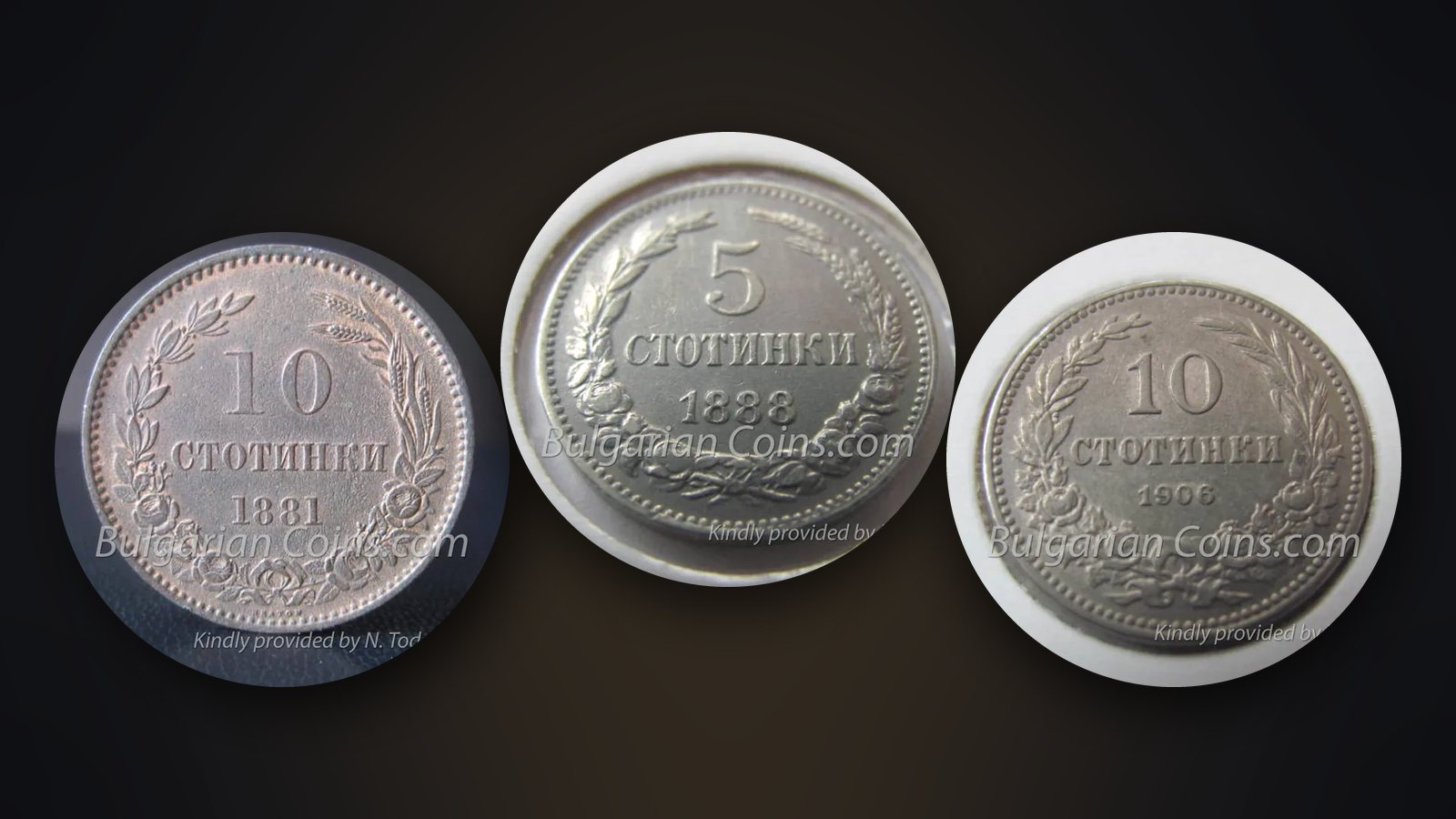
There are dozens of “sure-fire recipes” for cleaning coins on the internet. Most of them work – in the sense that the coin becomes brighter. The problem is that brighter does not mean more valuable. Here we look at the most popular remedies one by one and explain exactly what they do to the metal.
If you have not yet read why cleaning almost always lowers the value, start there. This article is for the cases in which it still makes sense to do something.
Safe remedies
Distilled water
The safest remedy. Soaking a coin in distilled water for a few hours softens soil, dust and old deposits without reacting with the metal. Use distilled, not tap water: the chlorine and salts in tap water can leave spots, especially on copper.
After soaking, rinse and dry by blotting with a soft paper towel – no rubbing. Let the coin dry completely before putting it away.
Mild soap and warm water
For coins with grease or stuck-on residue, a solution of mild, unscented soap in warm distilled water is acceptable. The coin is immersed, gently swirled and rinsed thoroughly. No brushes.
Pure acetone
Acetone is the standard remedy in numismatics for removing organic deposits: PVC residue (the green greasy slime from old pouches), glue, grease, fingerprints. It does not react with gold, silver or copper and evaporates without residue.
It is important that the acetone is pure (100%, from a pharmacy or chemical supplier), not nail-polish remover with oils and fragrances. The coin is immersed for a minute or two, taken out and left to dry. Work in a well-ventilated place, away from flames.
Questionable remedies
Olive oil
Olive oil is the classic “grandma’s recipe” for finds from the ground. Soaking for weeks softens the hard crust of soil. The remedy is slow and relatively gentle, but it leaves a greasy layer that then has to be removed with acetone. For collection coins with normal patina it is completely unnecessary. For finds, remember that finds from the ground must be registered under the Cultural Heritage Act, and their place is most often with museum specialists.
Distilled vinegar and lemon juice
Acids dissolve the oxides, i.e. the patina, but they also attack the metal. Copper stotinki become unnaturally pink, and silver becomes dull and “lifeless”. The effect is irreversible and easy for buyers to recognise. Do not use them.
Destructive remedies
| Remedy | What it does | Result |
|---|---|---|
| Baking soda | A fine abrasive that sands the surface | Micro-scratches, lost mint lustre |
| Toothpaste | An abrasive with a gentle look | Same as baking soda, often with white residue in the relief |
| Silver cleaner (“dip”) | An acidic solution that strips sulphides | A dead, white colour; spots on proof coins |
| Eraser | Abrasion of the highest points | A worn look to the relief |
| Wire brush, sandpaper | Mechanical removal of metal | The coin is destroyed as a collector’s item |
| Ultrasonic jewellery baths | Cavitation and heating | Spots, loss of patina, sometimes cracks in deposits |
A short guide by metal
- Gold – the most resistant. Distilled water or acetone is usually enough. Never rub – gold is soft and scratches easily.
- Silver – patina is natural and desirable. Acetone only for organic deposits. No silver cleaners.
- Copper and bronze – the most sensitive. The water must be distilled; acetone is acceptable. Keep them away from moisture and watch for “bronze disease” – light-green powdery spots.
- Cupronickel and nickel – fairly resistant, but they also scratch.
When you are not sure
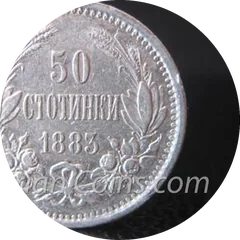
Do nothing. A coin left untouched can always be given to a specialist. A coin scrubbed with baking soda cannot be put back. If you have a coin of potentially high value – for example a silver coin from 1883–1894 or a gold coin – consult a dealer or a club before you touch it with anything at all.