Patina or tarnish: when colour adds value and when it hurts
How to tell beautiful natural toning from spots, corrosion and artificial “ageing”
BulgarianCoins editorial team 3 min read
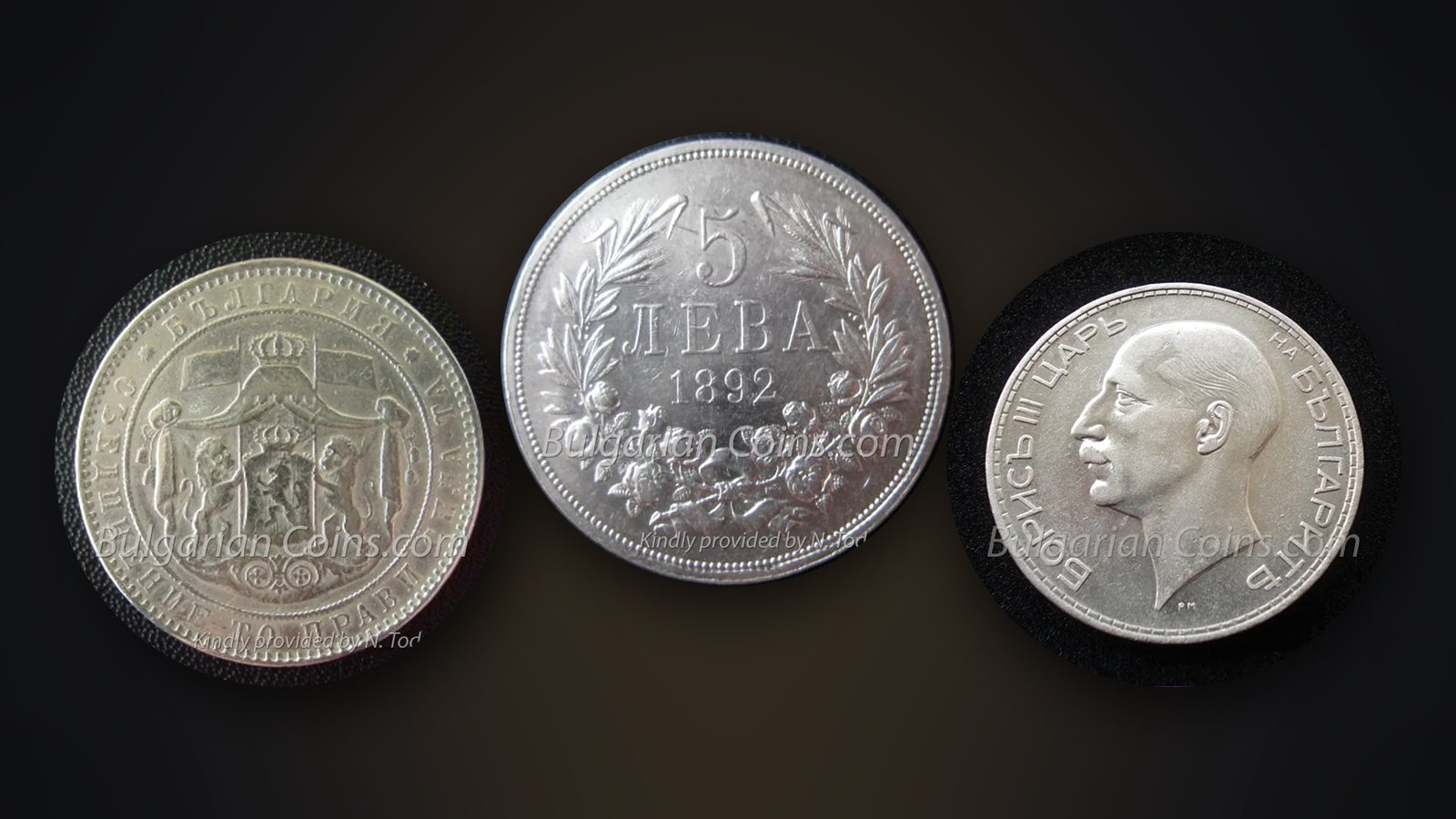
One of the first things a beginner collector wants to “fix” is the dark colour of old coins. An experienced collector does the opposite – looks for it. Patina is the natural layer that metal forms over time, and on most old coins it is a sign of authenticity and of being untouched. But not every darkening is patina, and not every patina is beautiful.
What patina is
Patina is a thin layer of chemical compounds on the surface of the metal, formed through contact with air, moisture and sulphur in the environment:
- on silver – mainly silver sulphides. The colour passes from light grey through gold, blue and violet to dark grey and almost black;
- on copper and bronze – oxides. The colour ranges from reddish-brown to chocolate brown and dark brown;
- on nickel and cupronickel – a less pronounced grey-brown darkening;
- gold forms practically no patina. The reddish tint of some old gold coins comes from the copper in the alloy.
When patina adds value
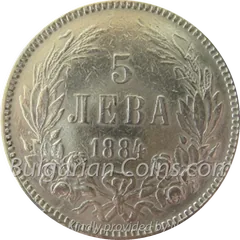
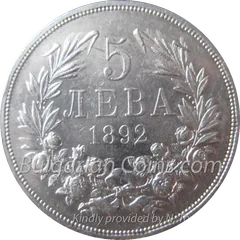
- Even and natural. An even grey or dark patina on the silver 5 leva coins of 1884–1894 shows that the coin has not been cleaned. For many collectors this is a must.
- Beautiful toning. Coins kept for a long time in paper envelopes or albums sometimes develop coloured halos – from gold to blue and violet. On the international market such “rainbow toning” is prized and sometimes sells well above the normal price.
- A protective function. A stable patina slows further corrosion of the metal.
When colour harms
| Sign | What it is | Effect on value |
|---|---|---|
| Dark spots and dots on a light coin | Local corrosion, traces of fingers or moisture | Lowers the value |
| Green greasy coating | PVC residue | Harmful; must be removed. See how to remove PVC |
| Light green powder on copper coins | Bronze disease | Active corrosion, needs urgent action |
| Black, rough areas | Deep corrosion | Seriously lowers the value |
| White “milk” spots on proof silver | A typical defect of modern proof coins | Lowers the value. See Milk spots on silver proof coins |
Artificial toning
Because beautiful patina is prized, some sellers create it artificially – with chemicals, heat or sulphur. The signs are:
- unnaturally bright or “neon” colours, especially red, green and neon blue;
- the same colour over the whole relief, without the natural transition from the rim to the centre;
- colour “over” scratches and traces of cleaning – natural patina forms slowly and is usually thinner in scratches;
- a smell of sulphur on freshly treated coins.
The market regards artificial toning as manipulation, and it lowers the value just as cleaning does.
A cleaned coin, then “aged”
A common trick is to clean the coin first and then darken it artificially so that it looks untouched. Under a loupe such a coin usually shows micro-scratches from the cleaning under the new colour, and a lack of lustre in the field. You will find more about the signs of cleaning in the article Should you clean coins?
How to preserve patina
- Do not clean. Any cleaning removes patina, and it does not come back quickly.
- Store in inert materials. Acidic paper and rubber bands accelerate uneven darkening.
- Protect from moisture and sudden temperature changes.
- Hold coins only by the edge, so as not to leave fingerprints that later turn into spots.
In short: the even dark colour of an old coin is usually an asset. Preserve it.