Why polishing and baking soda destroy a coin’s value
The shine after cleaning is actually missing metal – and an experienced buyer sees it at first glance
BulgarianCoins editorial team 3 min read
The internet has countless videos of an old coin “shining like new” after a minute with baking soda or toothpaste. For a collector it is the saddest video there is. The coin really does shine – but that shine is the result of metal removed, and its value often falls by half or more.
What baking soda actually does
Baking soda and toothpaste are abrasives – they contain fine hard particles. When you rub them on a coin, they act like very fine sandpaper. They remove the darkened layer, but also the top layer of metal along with it. Under a loupe the surface is covered with thousands of parallel or circular micro-scratches – collectors call them “hairlines”.
Lemon, vinegar and cola work differently – through acid. They dissolve the oxides, but also eat into the metal, especially copper. Afterwards the coin has a pink or unnaturally yellow colour and a matt, “spongy” surface.
Why shine is a problem
A new coin has mint lustre – a reflection produced by the fine flow lines of the metal that spread into the die during striking. When the coin is rotated under a lamp, the light “flows” across the field like a wheel. This is the effect collectors look for.
Polishing destroys precisely these lines. The coin reflects light like a mirror or a sheet of tin, but without the “wheel”. That is why an experienced buyer spots a cleaned coin in a few seconds. How you can do it too is explained in How to spot a cleaned coin.
What the mistake costs
Grading companies such as PCGS and NGC do not give a numerical grade to a cleaned coin. Instead the label reads “Cleaned” or “Details”. For many coins this means a price equal to a lower grade, or a little above the value of the metal.
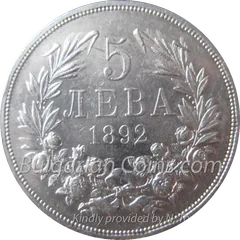
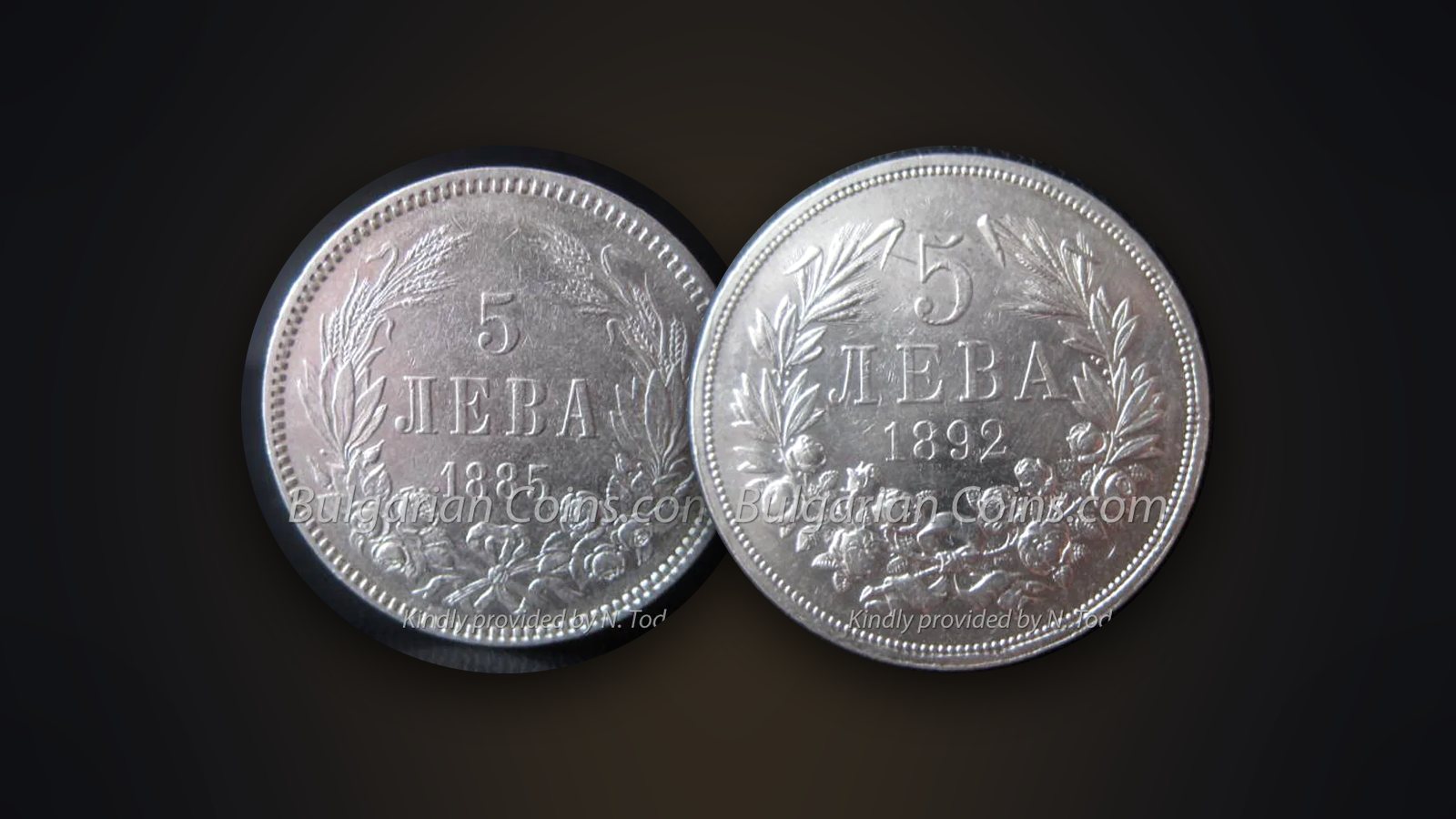
Look at the current listings on our market prices page. For the 5 leva 1885 or the 5 leva 1892, the difference between a well-preserved uncleaned coin and a cleaned coin in the same grade is often twofold or more. The rarer the coin, the bigger the loss in euros.
Common “home remedies” and what they do
| Remedy | Action | Result |
|---|---|---|
| Baking soda | abrasive | micro-scratches, lost lustre |
| Toothpaste | abrasive | the same, plus residue in the relief |
| Lemon, vinegar | acid | pink copper, matt surface |
| Cola | acid | uneven colour, corroded relief |
| Silver cleaner (“dip”) | chemical removal | unnaturally white colour, lost tone |
| Eraser, sandpaper, wire brush | mechanical | heavy scratches, sometimes an irreparably ruined coin |
Are there exceptions
There are safe interventions – distilled water for dust and pure acetone for PVC or grease. They do not remove metal. We describe them in Distilled water, acetone, olive oil. Mass-produced circulation coins of negligible value (stotinki from the 1990s, for example) you may clean if you simply want them to look better – but then do not sell them as “uncleaned”.
The rule
If in doubt, do not clean. A well-preserved coin with natural patina is always valued more than a shiny one. More on the “yes or no” decision – in our main article Should you clean coins.