Should you send Bulgarian coins to NGC or PCGS? Costs and benefits
When grading is worth it, what it really costs and how to check a slab
BulgarianCoins editorial team 3 min read
PCGS and NGC are the two largest coin grading and certification companies. They check authenticity, assign a grade on the Sheldon scale and seal the coin in a plastic slab with a label and number. The question is when it is worth it.
The benefits
Trust. The buyer does not have to trust the seller – they trust the company. This is especially important for online sales and sales abroad.
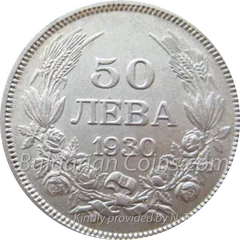
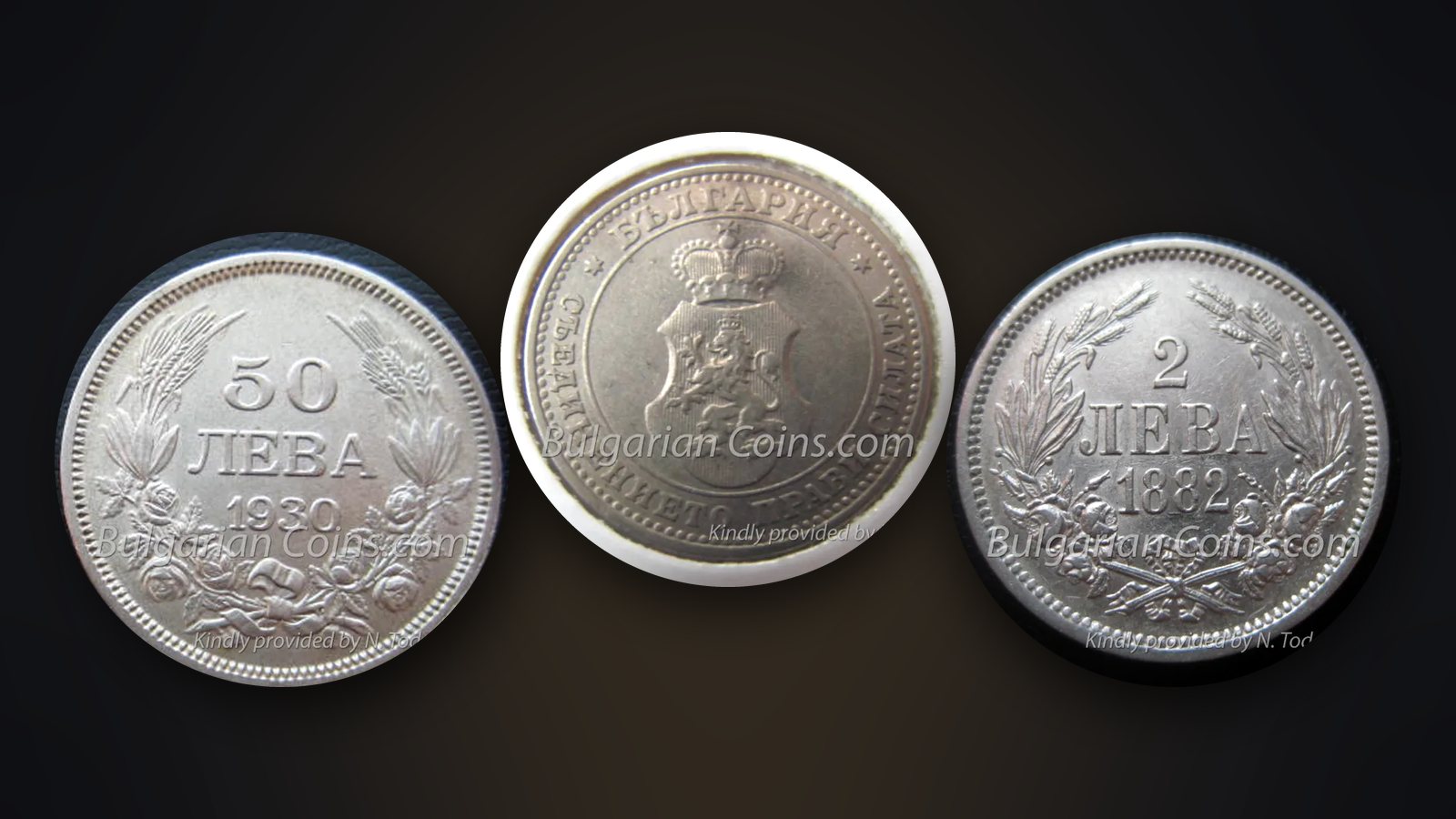
A higher price. In current listings on Balkan Auction the difference is large. Certified 20 stotinki 1906 are offered for €220–2,050, and uncertified ones for under €20. Certified 50 leva 1930 are at about €255, uncertified ones at about €30. Part of the difference is because only the finest coins are sent for slabbing. But the certificate itself also removes uncertainty.
Protection. The slab protects the coin from fingers, air and drops.
Access to the international market. The major auction houses sell mostly certified coins.
The costs
| Cost | What to expect |
|---|---|
| Grading fee | from tens of dollars per coin, more for expensive coins and fast service |
| Membership | required for some service levels |
| Shipping to the US or Europe and back | an insured courier shipment |
| Intermediary | if you send through a dealer or club, they add their own fee |
| Time | from a few weeks to a few months |
The exact rates change. Check them on the PCGS and NGC websites. Work out the total cost per coin, not just the grading fee.
When it is worth it
- Gold – 10, 20 and 100 leva of 1894 and 1912. The certificate confirms that the coin is not a counterfeit or a restrike. See Restrikes and originals.
- Coins with no signs of wear – for old coins in UNC the price difference is often many times over.
- Rare years and varieties.
- Coins you will sell abroad.
When it is not worth it
- Common coins in ordinary condition – the fee will be greater than their value.
- Cleaned or damaged coins – they will get a “Details” label and you will not gain much.
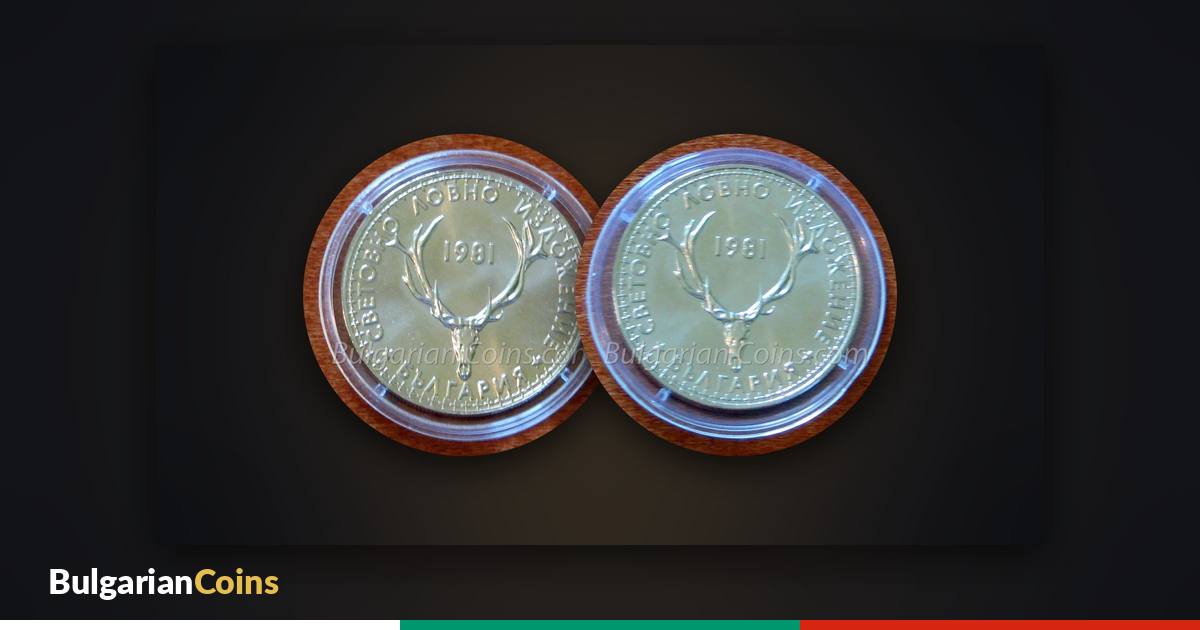
- BNB commemorative coins in their original capsule with a certificate – they usually already have the market’s trust.
How to send coins from Bulgaria
The easiest way is through a dealer or club that sends group submissions. That way the shipping fees and customs formalities are shared. You can also send them yourself if you have a membership. Pack each coin separately and do not clean anything before sending.
How to check a certificate
Every slab has a unique number. Enter it in the verification database on the PCGS or NGC website. You should see the same coin, year, face value and grade – and for many certificates also a photo. If the number does not exist or the details differ, the slab may be fake. Fake slabs exist and are sold online.
NGC or PCGS?
Both companies are leaders. For Bulgarian coins the price difference between the two labels is small. Choose according to the convenience of sending and who you will sell to.
Summary
Grade the coin if it is valuable, in good condition and you will sell it. For everything else, a good self-assessment and proper storage are enough.