How not to get scammed when buying coins online
Replicas, unrealistic prices, fake sellers and unprotected payments – the most common schemes and how to protect yourself
BulgarianCoins editorial team 3 min read
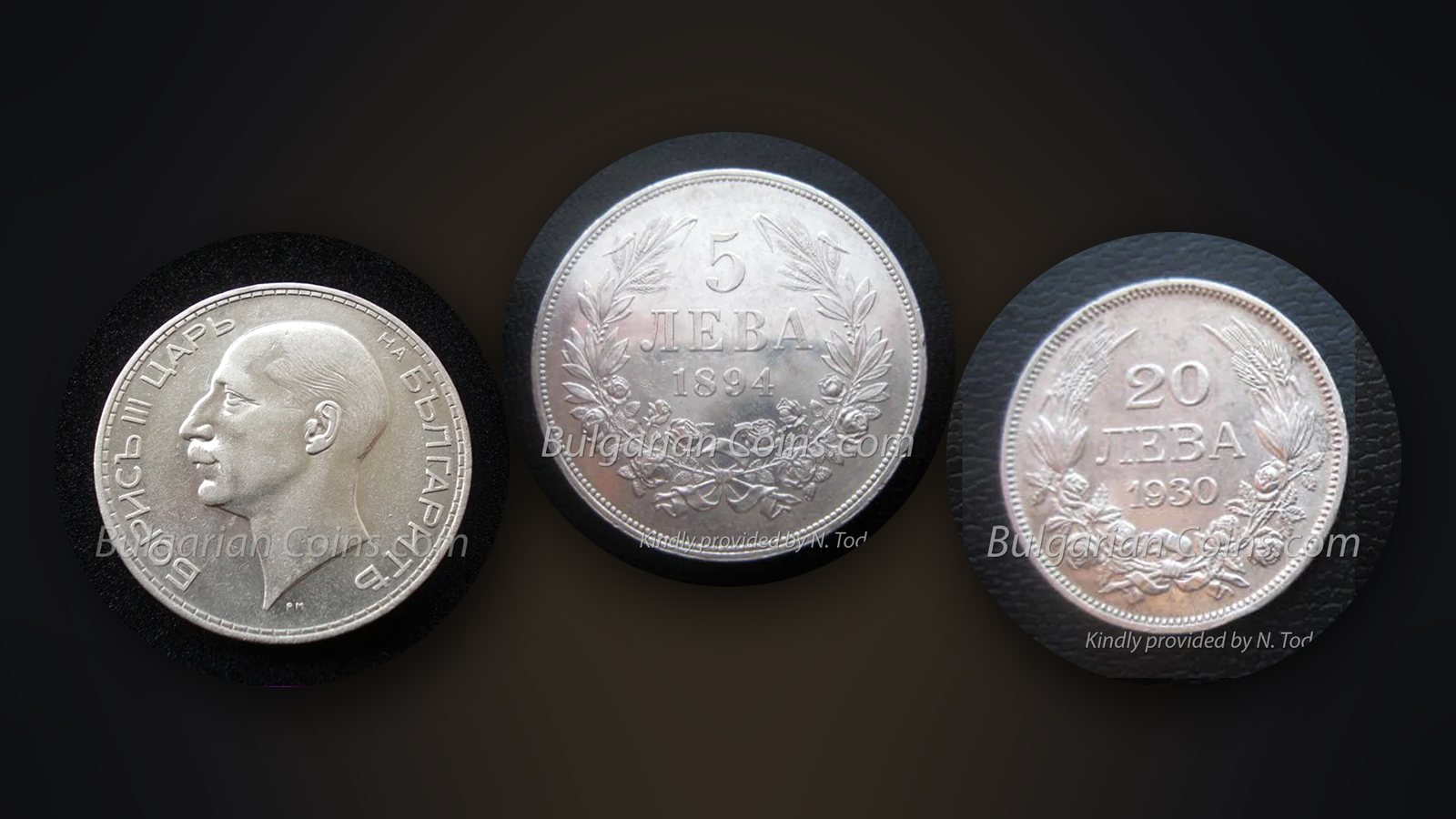
Buying coins online is convenient, but it is also where most scams happen. The good news is that most schemes are easy to recognise if you know what to look for.
The most common schemes
1. A replica sold as an original
The most common scam. The coin is a copy – sometimes good, sometimes obvious. The seller claims it is an original, or simply does not say it is a replica. See Chinese replicas on online platforms.
2. Stolen photos
The seller uses photos of a genuine coin from a catalogue or another listing. You receive a different coin or nothing at all. Check: ask for a photo of the coin next to a sheet of paper with your name and the date.
3. “Grandfather’s inheritance”
The story of an inherited collection makes the buyer think the seller does not know the value. Often the coins are replicas and the story is made up.
4. Pressure
“I have another buyer”, “today only”, “pay now so I can hold it for you”. Pressure is a classic sign of a scam.
5. Risky payment
The seller asks for a transfer to an unknown person, payment in cryptocurrency or a voucher, or “prepayment for shipping”. After the payment, they disappear.
6. A fake certificate or slab
The coin is in a PCGS or NGC slab, but the slab is fake. See Fake BNB certificates and packaging and Should you send coins to NGC or PCGS.
7. A swapped coin on return
When buying an expensive coin, the buyer “returns” it but sends a replica. This scheme affects sellers. Keep photos and video of the coin you send.
Checklist before you buy
| Check | Why |
|---|---|
| Is the price close to the market price? | a price that is too low is a warning sign |
| Does the seller have a history and reviews? | new profiles are riskier |
| Are the photos original? | ask for more |
| Do the weight and size match the catalogue? | a basic test |
| Is the payment protected? | use methods with buyer protection |
| Is a return possible? | if in doubt – walk away |
Compare the price with the market prices on the coin’s page, and the weight and size with the catalogue.
When you receive the coin
- Film the unboxing. If something is wrong, you have proof.
- Weigh and measure it. See The essential tools.
- Compare it with the catalogue and with the original photos in the listing.
- Do simple tests. See Simple tests for a genuine coin.
If you have been scammed
- Contact the seller in writing.
- Report it to the platform.
- Contact your bank – sometimes the payment can be disputed.
- For a large sum, report it to the police. Keep all the correspondence.
The most important rule
If something looks too good to be true, it probably is. A rare coin at half price is not luck but a trap. More about buying – in Where to buy Bulgarian coins and How online auctions work.