Chinese replicas on online platforms: warning signs
How mass-produced copies of Bulgarian coins are made, where they are sold and how to recognise them
BulgarianCoins editorial team 2 min read
The big international online platforms sell copies of historical coins from all over the world – including Bulgarian ones. They cost a few euros and are often honestly described as a “copy” or “souvenir”. The problem starts when someone resells them as originals.
Which Bulgarian coins are copied
The coins copied most often are those that are valuable and recognisable:
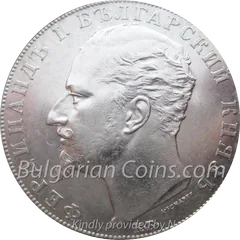
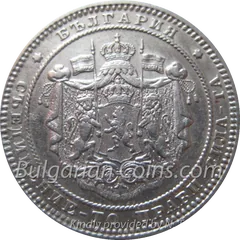
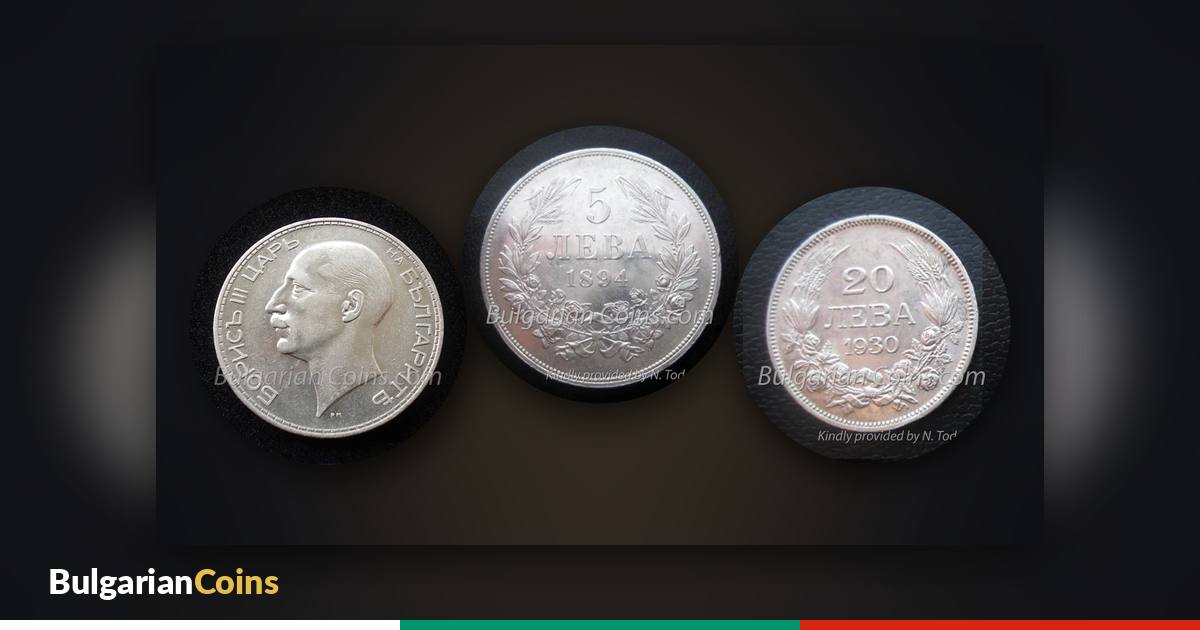
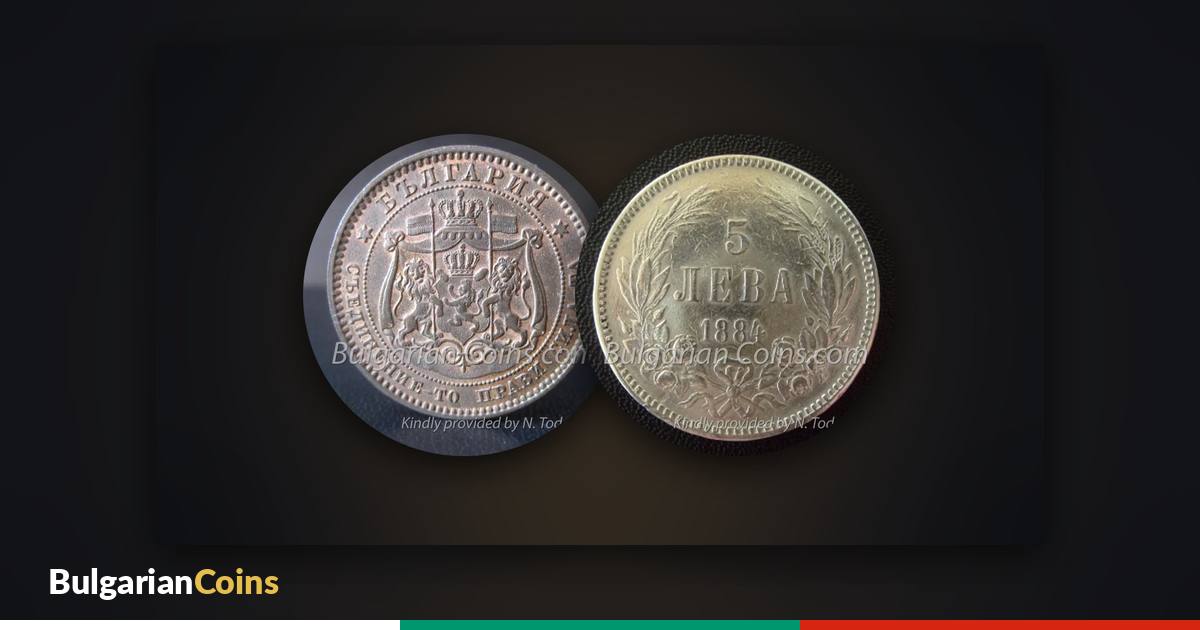
- The silver 5 leva of 1884, 1885, 1892 and 1894.
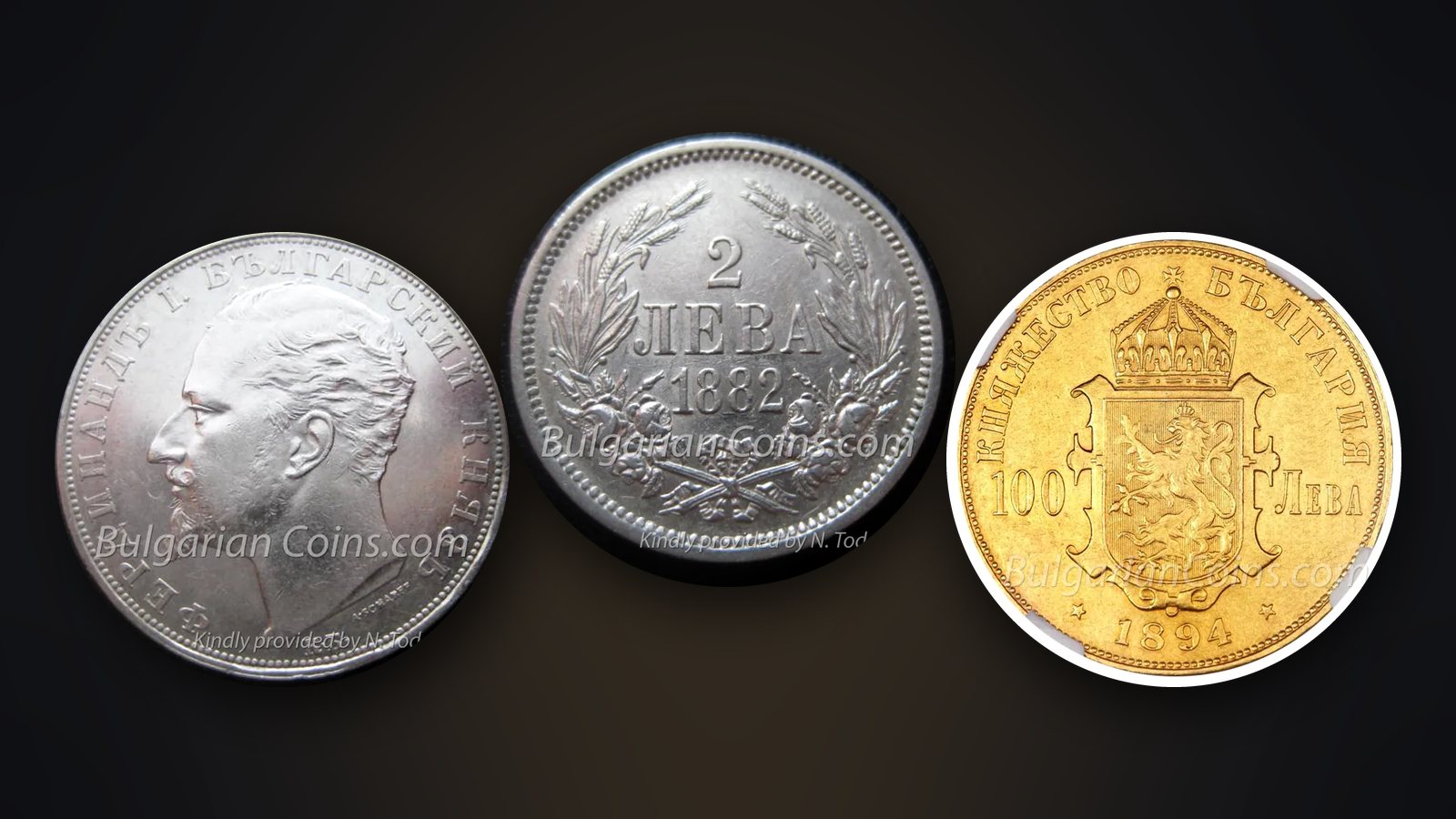
- The silver 1 and 2 leva of the Principality – especially the 2 leva 1882.
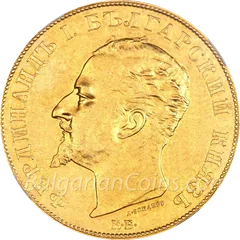
- The gold 10, 20 and 100 leva of 1894 and 1912.
- The silver 50 and 100 leva of Boris III.
See also The most counterfeited Bulgarian coins.
How they differ
| Feature | Original | Typical replica |
|---|---|---|
| Weight | exactly as in the catalogue | lighter or heavier |
| Metal | silver or gold | brass, copper or plated iron |
| Magnet | not attracted | sometimes attracted |
| Sound | clear, ringing | dull |
| Edge | even inscription or reeding | blurred inscription or wrong shape |
| Details | sharp, clear | soft, “blurred”, without fine lines |
| Surface | natural patina | artificially “aged” or unnaturally shiny |
The warning signs in listings
- Many identical coins of a rare year from one seller.
- A low price – a rare coin at the price of a common one.
- Words such as “copy”, “replica”, “souvenir” – sometimes hidden in the description.
- Photos on a white background, identical across many listings.
- A seller with no history or with reviews only for cheap goods.
- An “aged” coin with the same dark patina everywhere.
- Refusal to provide extra photos or a photo on a scale.
Is it legal
Replicas in themselves are not always illegal, especially when they are clearly marked as copies. In many countries the law requires replicas to bear the word “COPY”. The fraud is selling them as originals. If you have bought a replica as an original, see How not to be scammed online.
How to protect yourself
- Buy from trusted sellers – see Where to buy Bulgarian coins.
- Check the weight and size with the collector’s tools.
- Compare with the catalogue. Our catalogue has photos, the weight and the diameter of every coin.
- Do simple tests. See Simple tests for a genuine coin.
- For expensive coins, insist on a PCGS or NGC certificate.
If you already have a replica
Do not sell it as an original. If you want to keep it, mark it clearly. Some collectors keep replicas as teaching material – for comparison with the originals.
In short
Replicas are cheap, mass-produced and easy to buy. That is why every collector should be able to recognise them. Weight, sound and detail give most of them away.