The most frequently faked Bulgarian coins and how to spot them
Ferdinand’s gold coins, the silver 5 leva of the Principality and the counterfeiters’ other favourite targets
BulgarianCoins editorial team 4 min read
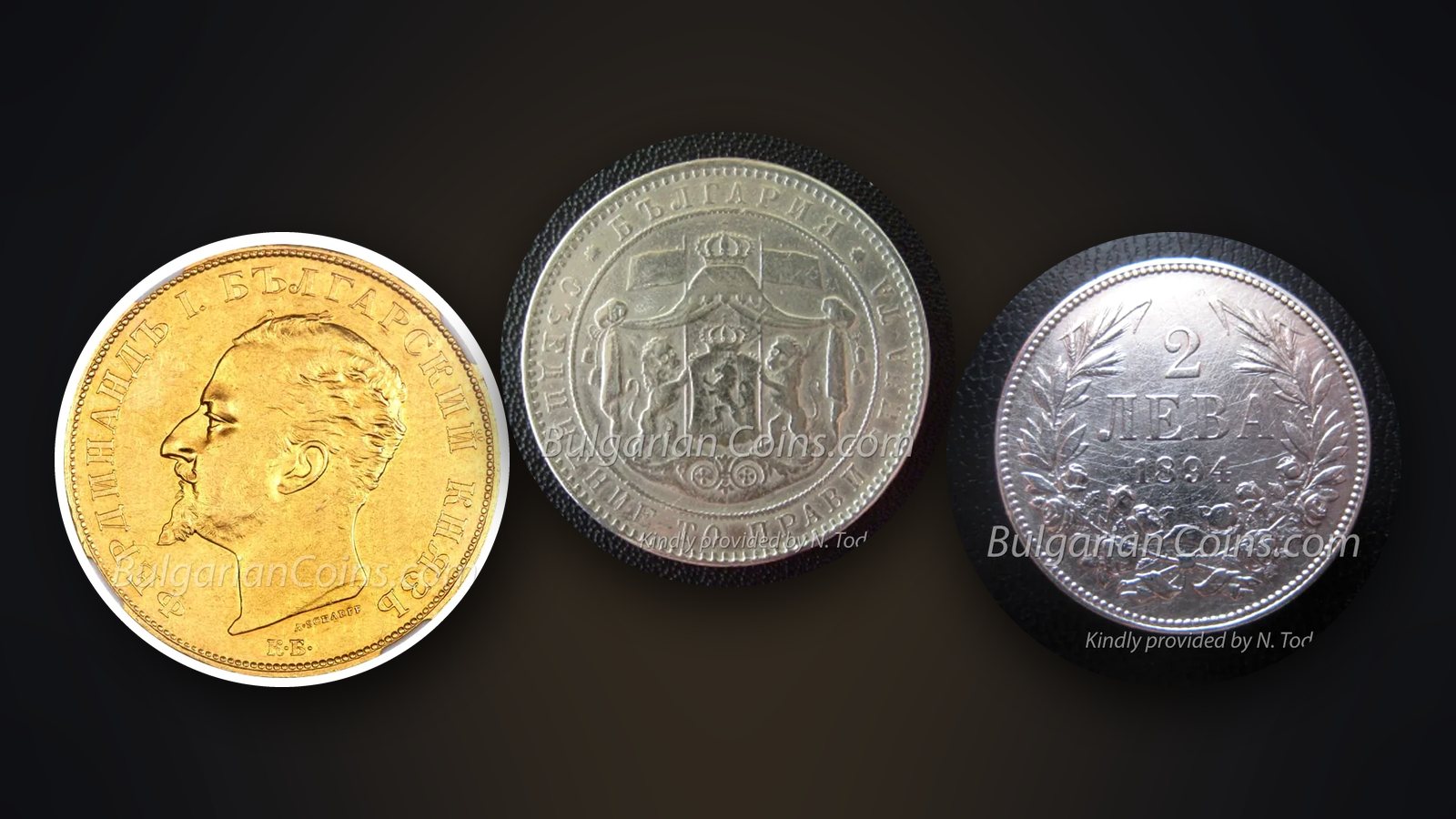
Counterfeiters do not waste time on cheap coins. They copy what sells well and is bought by people who have rarely seen an original. With Bulgarian coins, that means above all the gold coins of Prince and Tsar Ferdinand and the silver coins of the Principality. Today the copies come mainly from mass production – most often they are sold online and at markets as “souvenirs” and then resold as genuine.
The coins at greatest risk
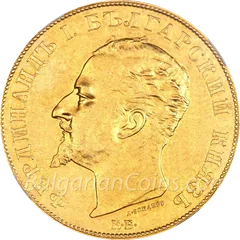
The gold 10, 20 and 100 leva (1894 and 1912)
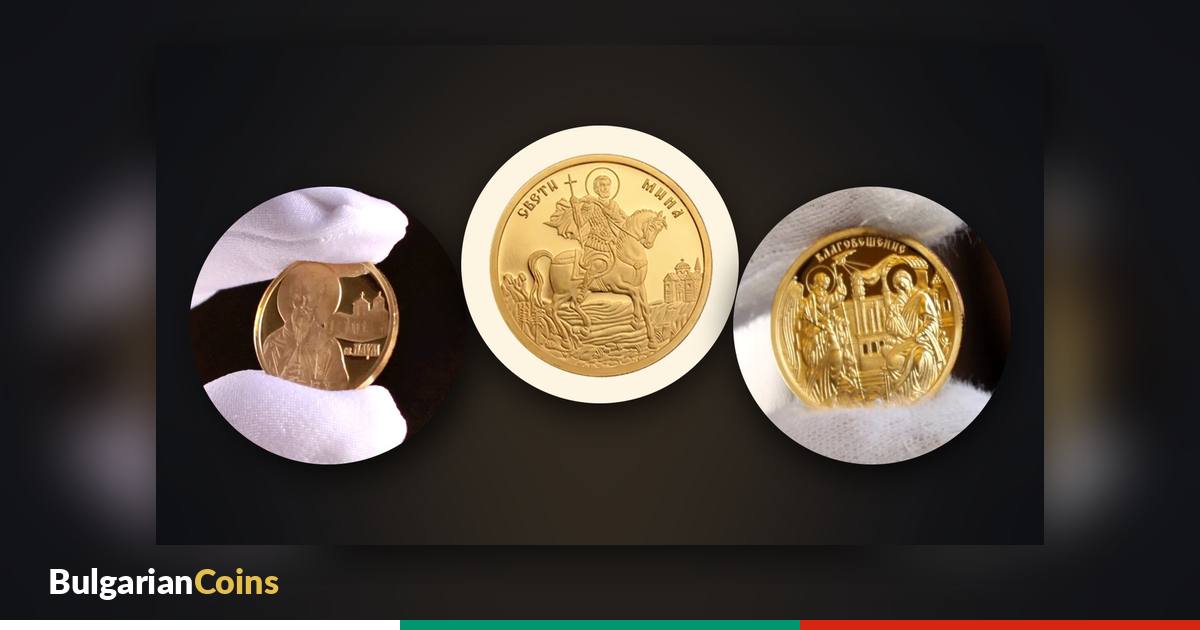
Gold coins are the most tempting target. Their relatively high price means a counterfeit can bring a large profit. Copies are most often found of:
- the 100 leva 1894 and 100 leva 1912 – the large coins with small mintages, sought by collectors and investors;
- the 20 leva 1894 and 20 leva 1912 – the most common gold coins, often bought as “investment gold”;
- the 10 leva 1894.
The copies come in three kinds. The cheapest are gold-plated base metals – easy to recognise by weight and with a magnet. More dangerous are copies in lower-fineness gold: the weight is close, but the colour is slightly different and the details softer. There are also copies in gold of the correct fineness but with false rarity – bearing the year of a rarer coin.
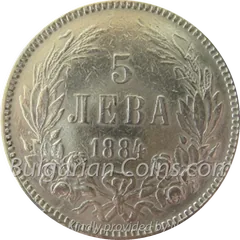
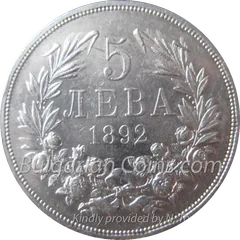
The silver 5 leva (1884–1894)
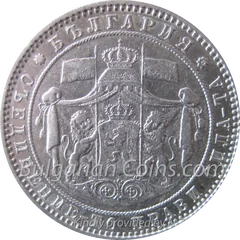
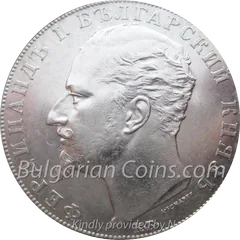
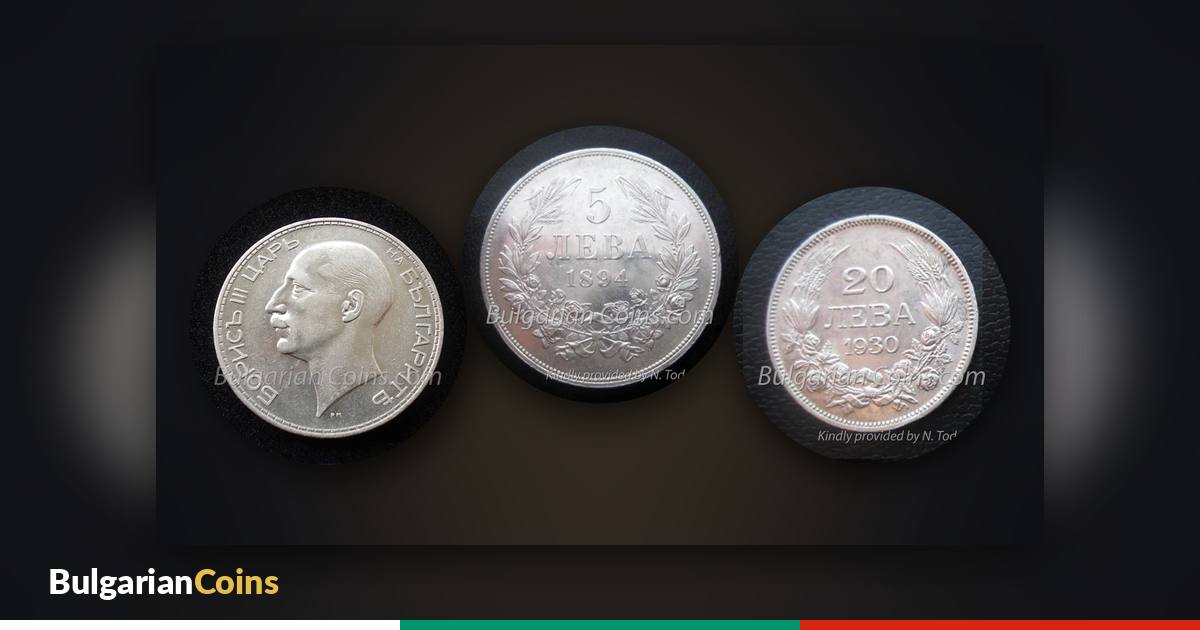
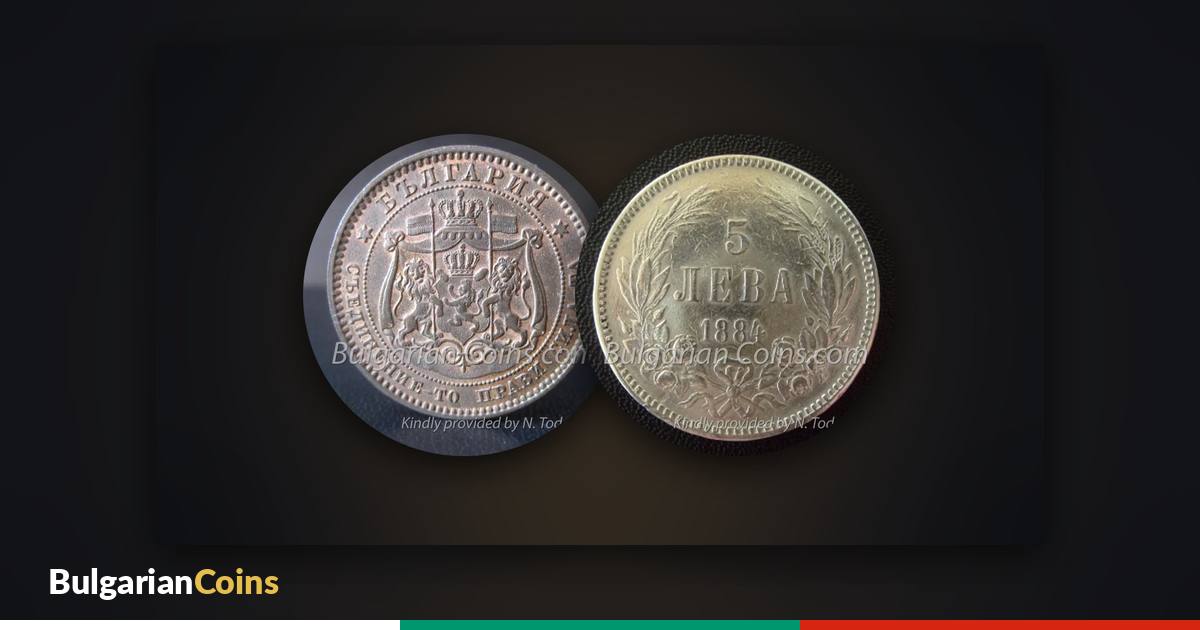
The large silver 5 leva coins – 1884, 1885, 1892 and 1894 – are the most recognisable coins of the Principality and among the most copied. Most counterfeits are of a silver-plated base alloy. They often have a blurred portrait of the prince and a “soapy”, unnatural shine.
Other coins
The silver 1 and 2 leva of the 1880s and 1890s are also copied, as are the rare years of the more common types. The rarer the year, the more carefully you should check.
Which checks give most counterfeits away
Most counterfeits are caught with simple measurements, described in detail in the article Simple tests at home. For the highest-risk coins:
| Coin | Metal | Weight | Diameter |
|---|---|---|---|
| 100 leva 1894 / 1912 | Au 900/1000 | 32.26 g | 35 mm |
| 20 leva 1894 / 1912 | Au 900/1000 | 6.45 g | 21 mm |
| 10 leva 1894 | Au 900/1000 | 3.23 g | 19 mm |
| 5 leva 1884–1894 | Ag 900/1000 (1892: Ag 835/1000) | 25 g | 37 mm |
- Weight. A deviation of more than a few tenths of a gram on a gold coin is a serious signal. For the silver 5 leva the permissible deviation is greater because of wear, but not by whole grams.
- Diameter and thickness. A counterfeit of the correct weight made of a lighter metal is thicker or wider.
- Magnet. Gold and silver are not magnetic. If the coin “sticks” to a strong neodymium magnet, it is not made of precious metal.
- Edge. Compare the edge – plain, reeded or inscribed – with the description in the catalogue. Counterfeiters often get this wrong.
- Details. Under a loupe, compare the lettering, the position of the letters relative to the beaded border, and the details of the portrait and coat of arms with a verified original or the photos in the catalogue. Blurred letters, “soft” edges and a porous surface point to a cast rather than a struck coin.
- Colour and sound. Unnaturally yellow “new” gold or a white, chalky shine on silver are grounds for suspicion. The sound when tapped lightly can be a hint, but is not reliable on its own.
How to protect yourself
- Buy from trusted sources – established dealers, auctions with a guarantee of authenticity, clubs. For gold coins, prefer those graded by NGC or PCGS.
- Be sceptical of the “bargain”. A gold coin priced below the value of its gold is almost certainly fake.
- Ask for clear photos of both sides and of the edge, as well as the weight on a scale.
- Compare with the catalogue. For every coin in our catalogue, the metal, weight, diameter, edge and mintage are given.
If you have already bought a coin and have doubts, do not clean it or drill it. Take it to a dealer or appraiser – most checks do not damage it.