How online coin auctions work: fees, ratings and risks
Bidding, buyer’s and seller’s fees, shipping and how to read listings – for Bulgarian collectors
BulgarianCoins editorial team 3 min read
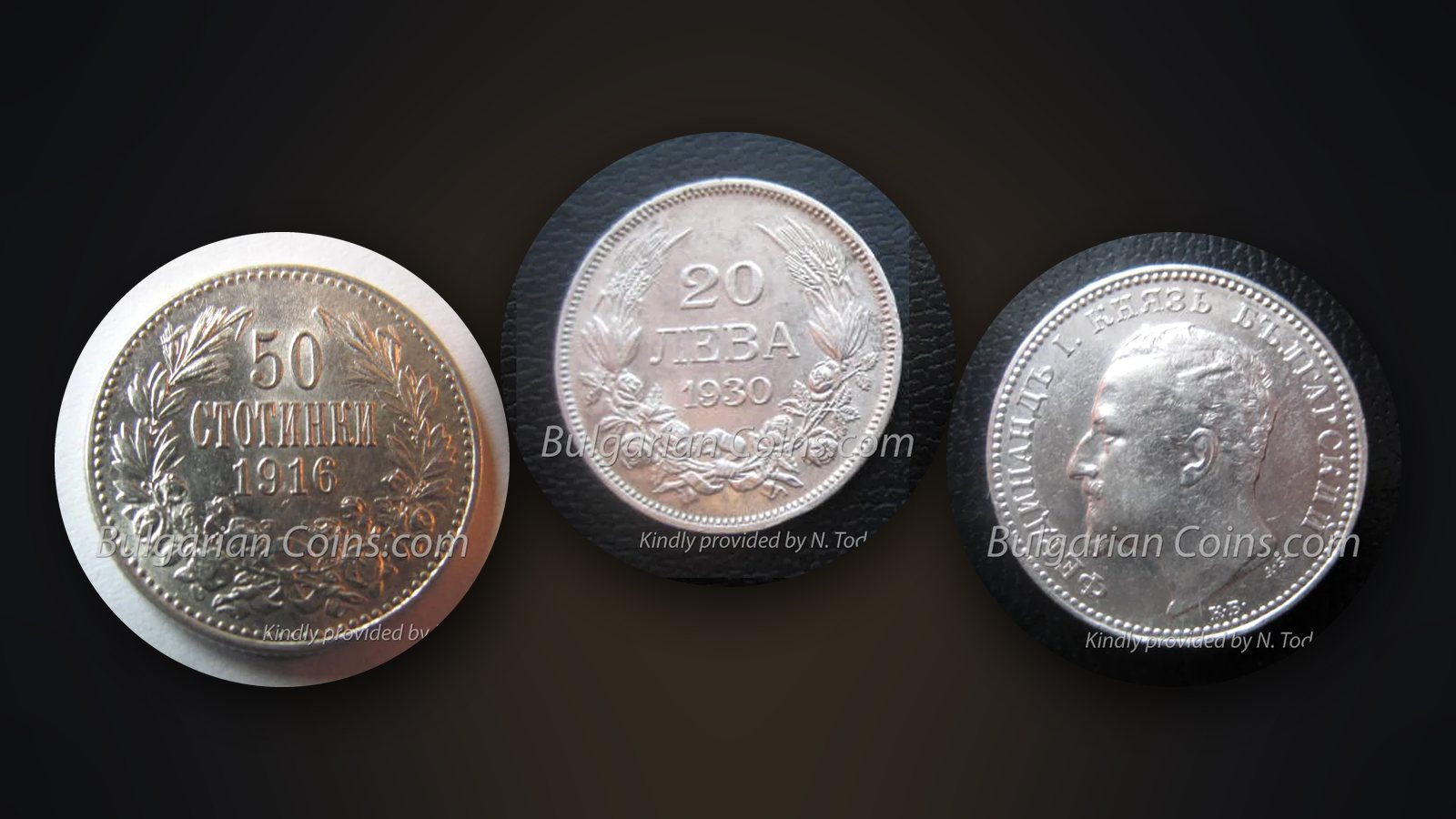
A large share of deals in Bulgarian coins now takes place online. If you understand how a platform works, you will buy cheaper, sell for more and avoid most problems.
Types of listing
Fixed price. The seller sets a price; you accept it or send an offer. Most listings for ordinary coins are like this.
Auction with bidding. There is a starting price and a deadline. The highest bid at the end of the auction wins. This is where real market prices are formed.
Auction with a hidden reserve. The coin is sold only if the bidding reaches a price known only to the seller.
The fees you do not see in the price
| Fee | Who pays it | What to check |
|---|---|---|
| Platform commission | usually the seller | a percentage of the sale price, sometimes with a minimum |
| Buyer’s premium | the buyer (at auction houses) | a percentage added to the hammer price |
| Shipping and insurance | the buyer | price, tracking, insurance for expensive coins |
| Customs duty and VAT | the buyer when importing from outside the EU | especially for purchases from the UK, the US, Serbia |
Each platform’s rates change. Check them on its website before you bid or post a listing. Work out the final price with all the fees.
Asking price versus sale price
A listing for €500 does not mean the coin is worth €500. It means someone wants €500. Our market prices show exactly that – the median and range of current listings on Balkan Auction. That is why we always show them together with the number of listings. Actual sale prices are usually lower.
The seller’s rating
Before buying an expensive coin, check:
- how many deals the seller has and what percentage of reviews are positive;
- the negative reviews – what exactly happened;
- how long they have been registered;
- whether they sell many coins of the same rare type – a signal of replicas.
How to read a listing
The photos. Ask for clear photos of both sides, without harsh lighting. A cleaned coin can be recognised by its unnatural shine. See Polishing and baking soda.
The description. “Original” and “UNC” without photos and reasons mean nothing. Compare the weight and diameter with the catalogue.
The “UNIQUE” label. It is used far too often. Check the mintage and rarity on the coin’s page – there is a score from 1 to 10.
Certified coins. Check the slab number in the PCGS or NGC database. See Should you send coins to NGC or PCGS.
If you are selling
- Take good photos on a neutral background.
- State the condition and defects honestly.
- Start the auction at a price at which you are prepared to sell.
- Ship with tracking, and expensive coins with insurance.
More about selling strategy – in How to sell a collection at a fair price.
Coming soon: the Bulgarian Coin Exchange
We are preparing the Bulgarian Coin Exchange – auctions in which every lot is linked to the coin’s page in our catalogue, with data on mintage, rarity and market history. Until then, BulgarianCoins does not trade in coins.