From the lev to the euro: the end of a 145-year-old currency
From the law of 1880 to 1 January 2026 – how the lev was born, survived several forms of state and gave way to the euro
BulgarianCoins editorial team 3 min read
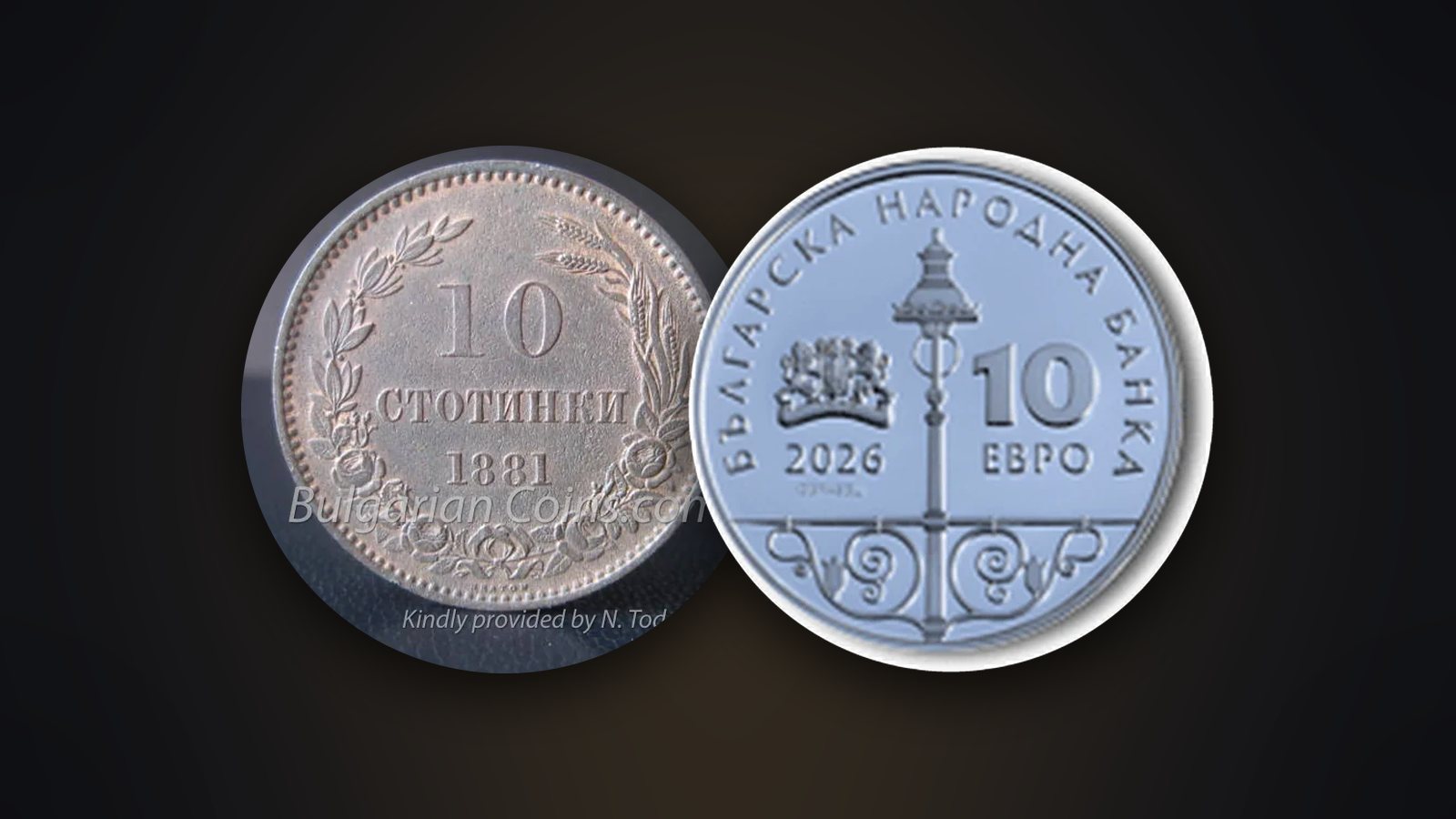
On 1 January 2026 Bulgaria adopted the euro, and the lev, created 145 years earlier, ceased to be the country’s currency. After a month of dual circulation, the euro has been the only legal tender since 1 February 2026. For collectors this is more than financial news – a closed currency is also a closed, complete collection.
The birth: 1880–1881
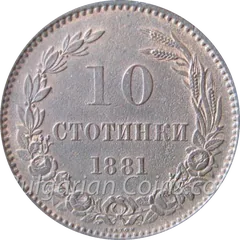
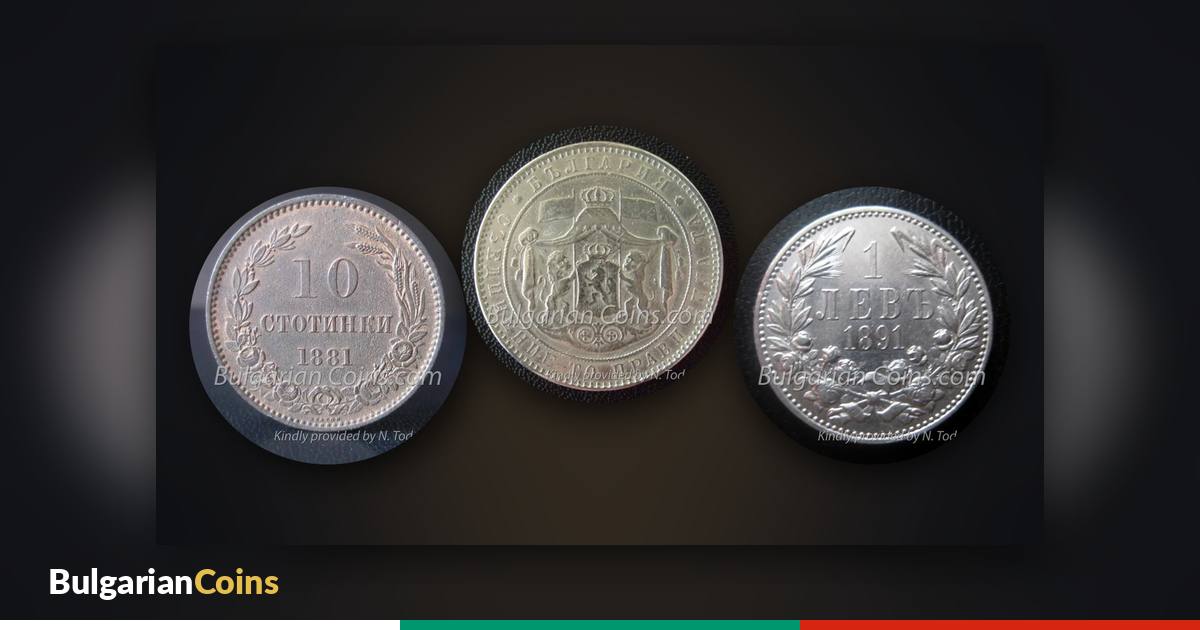
The lev was created by the “Law on the Right to Strike Coins in the Principality”, adopted on 4 June 1880. The first coins – the bronze 2, 5 and 10 stotinki – were struck in 1881 in Birmingham, England (BTA). Their story is told in a separate article: The first Bulgarian coins of 1881
Principality and Kingdom: silver and gold
In its first decades the lev was gold and silver. Under the standard of the Latin Monetary Union it was equal to the French franc. The silver 5 leva of 1884–1894 and the gold 10, 20 and 100 leva of 1894 and 1912 are still among the most sought-after Bulgarian coins today.
The wars of 1912–1918 shook its stability. In the 1920s and 1930s mass-produced coins of cupronickel and low-fineness silver appeared – the 20, 50 and 100 leva of 1930–1937. During the Second World War, coins were struck in iron (1941 and 1943).
The People’s Republic: new leva
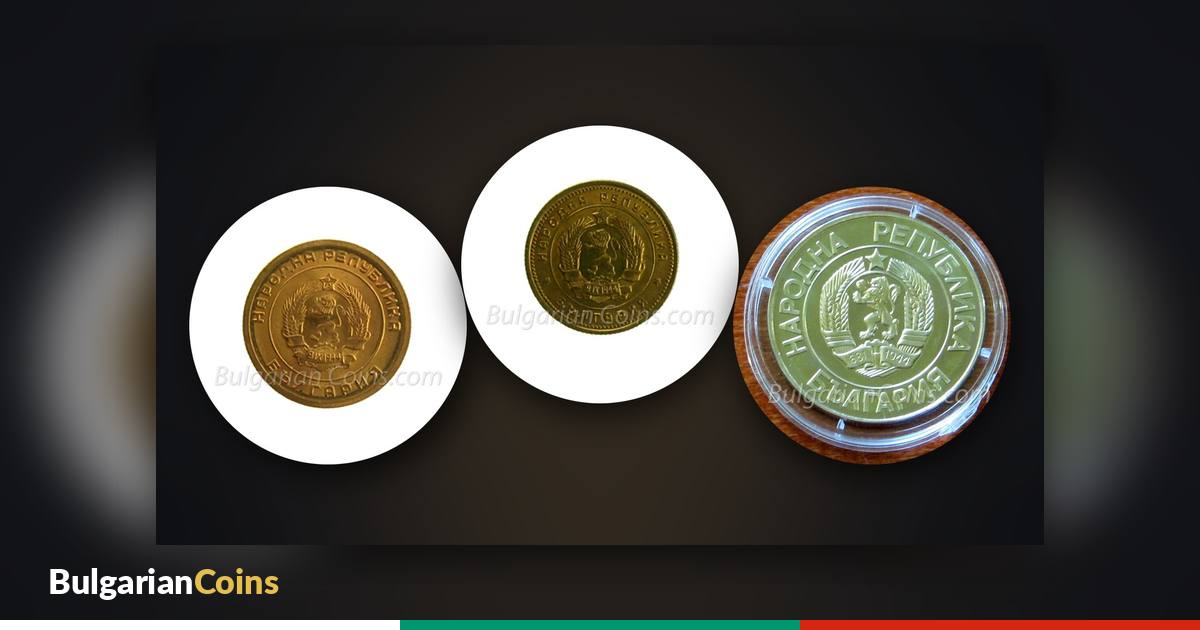
After 1944 the lev went through several monetary reforms. The 1952 denomination brought new coins, and in 1962 another denomination introduced the stotinki familiar to several generations of Bulgarians, with the inscription “НРБ” and the coat of arms of the People’s Republic. This is also the era of the first commemorative coins – from the 1960s onwards.
Hyperinflation and the 1999 denomination
The crisis of 1996–1997 led to hyperinflation. In July 1997 a currency board was introduced and the lev was pegged to the German mark. On 5 July 1999 a denomination took place: 1,000 old leva became 1 new lev. New stotinki with the Madara Horseman were issued, which remained in circulation until the end of the lev. When the mark was replaced by the euro, the fixed rate became 1.95583 leva to 1 euro.
The euro: 2026
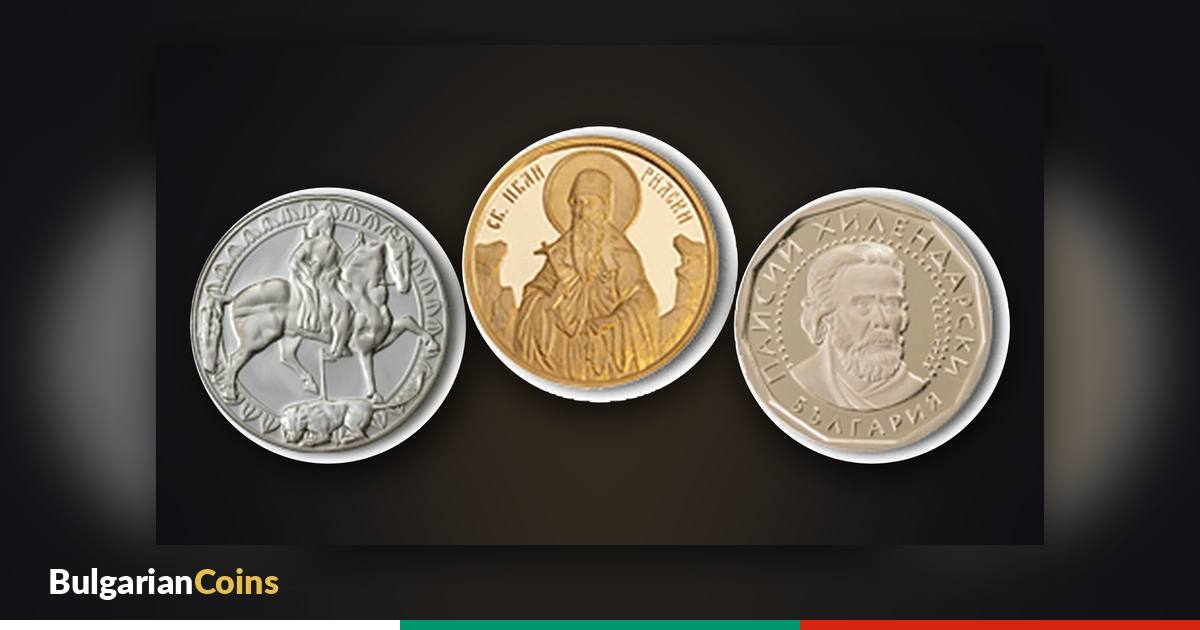
At the same rate – 1.95583 – the lev was converted into the euro. The new Bulgarian euro coins kept the symbols of the last lev coins: the Madara Horseman on the cent coins, St Ivan of Rila on the 1 euro and Paisiy Hilendarski on the 2 euro. In detail – in the article The design of the Bulgarian euro coins.
The BNB exchanges lev banknotes and coins into euro free of charge and with no deadline. If you still have leva at home, see what to do with leftover leva and stotinki.
What this means for collectors
- A closed series. The catalogue of Bulgarian coins in leva is now final – from 1881 to 2025. Complete “by year” collections become more attractive because they have an end.
- The last issues. The BNB’s last commemorative coins in leva from 2025 – such as St Patriarch Evtimiy of Tarnovo – are now history, and the first coins in euro from 2026 the beginning of a new one.
- Circulation coins. The common stotinki will not rise in price any time soon, because they were struck in millions. Uncirculated sets and rare years, however, will be sought after.
The whole story of the lev, coin by coin, is in our catalogue and on the timeline by year.