How condition sets the price: the same coin from 5 to 500 euros
Real examples from current listings – why a worn and an untouched coin of the same year are two different markets
BulgarianCoins editorial team 3 min read
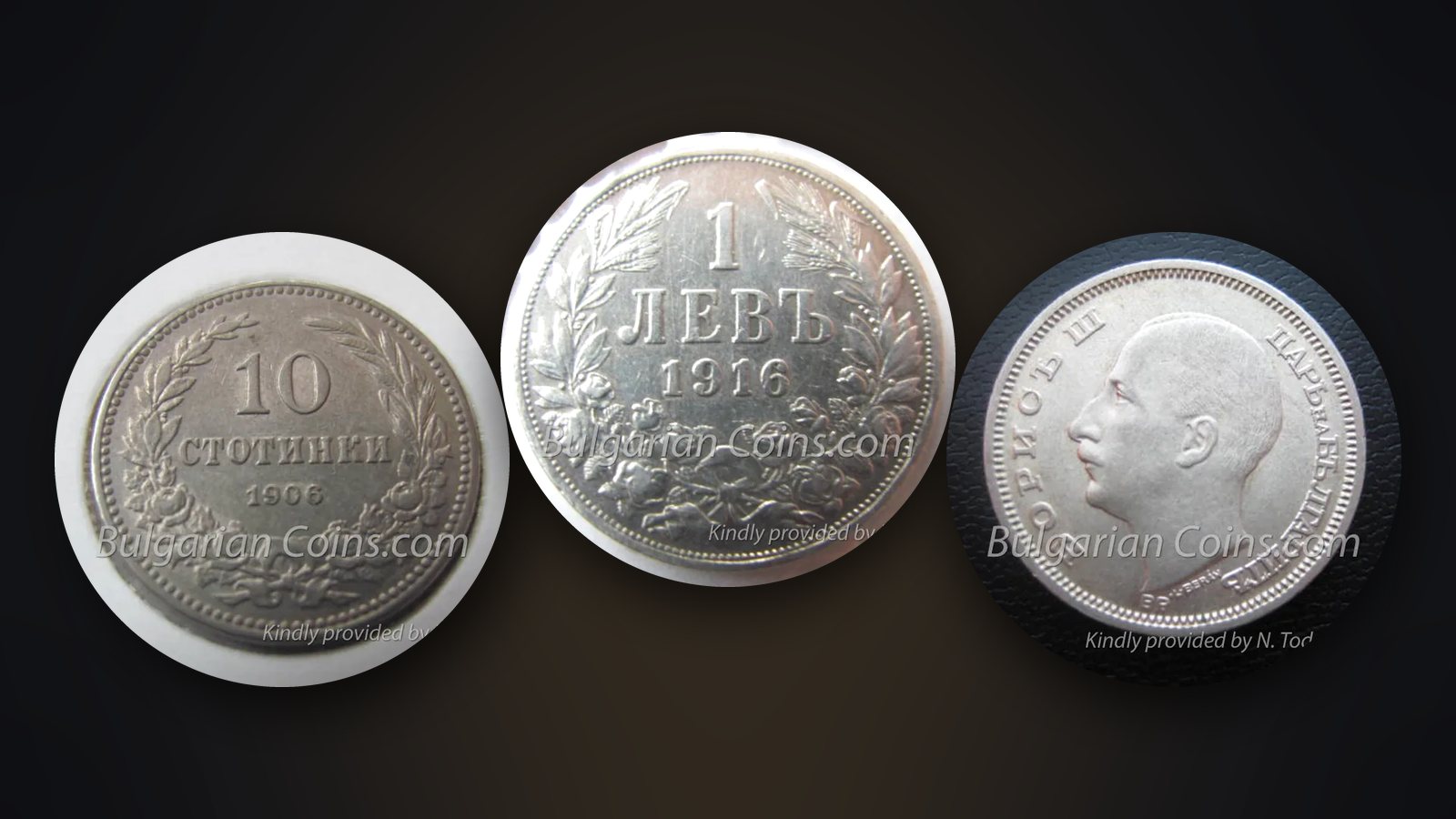
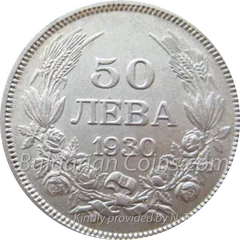
“What is 50 leva 1930 worth?” is a question without a meaningful answer if we do not know what condition the coin is in. For most old Bulgarian coins the difference between a worn and an untouched example is not a matter of percentages, but of multiples. Here are real examples from current listings on Balkan Auction as of 19.10.2026. You will also find them on each coin’s page in market prices.
Examples from the market
| Coin | Without certificate | Graded (PCGS, NGC) |
|---|---|---|
| 10 stotinki 1913 | €2–18 | €111–380 |
| 20 stotinki 1906 | €4–18 | €220–2,050 |
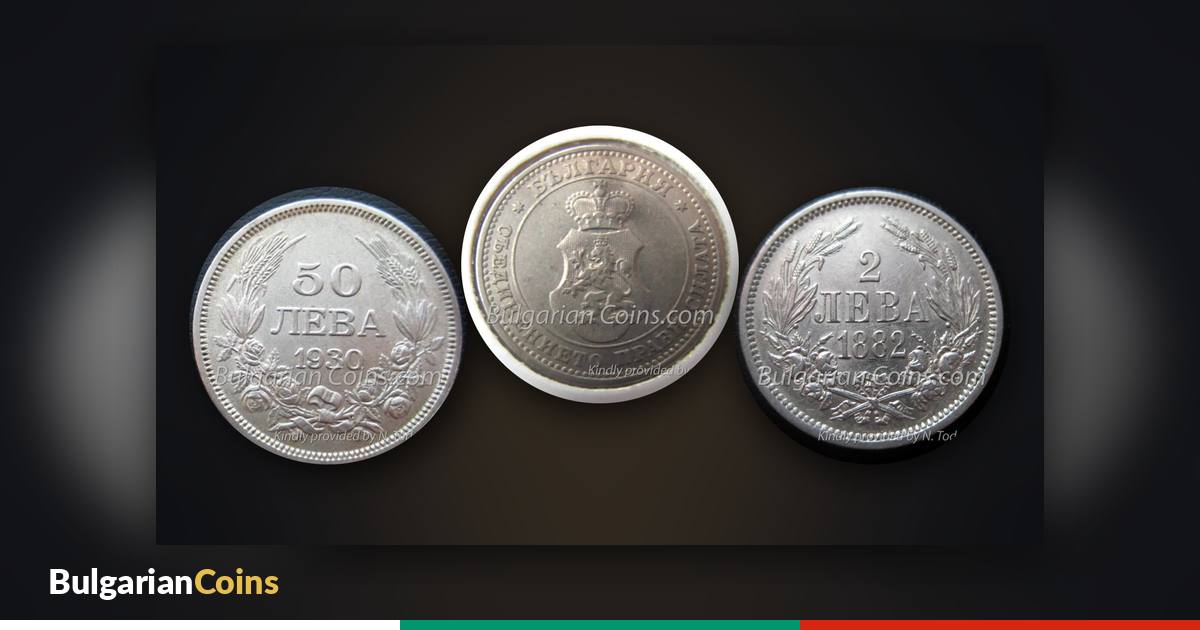
| 50 leva 1930 | €11–66 | €200–1,020 |
| 50 leva 1943 | €26–205 | €200–400 |
| 10 leva 1941 | €55–460 | €880–1,740, single listings up to €15,000 |
| 2 leva 1912 | €70–550 | €215–1,500 |
It is not the certificate in itself that makes the coin more expensive. The best-preserved examples are the ones sent to PCGS and NGC, because only for them is the fee worth paying. So the “graded” column shows the price of the top of the market, not of the ordinary coin from grandfather’s pocket.
Why the difference is so large
Most coins are worn. Circulation coins passed through thousands of hands. For the 10 stotinki 1913 the mintage runs to millions, and examples without wear are a small fraction. The ordinary coin is easy to find and cheap. The untouched one is rare.
Demand is at the top. Serious collectors look for the finest example they can afford. They compete for the few coins in MS 63–65, and that pushes the price up.
Iron and copper coins suffer most. Iron rusts, copper darkens and corrodes. That is why the 10 leva 1941 in MS is much rarer than its mintage suggests. This can also be seen in our ranking of the most expensive coins.
The price steps
As a guide, for an old circulation coin the price rises roughly like this:
- G–VG (heavily worn): close to the metal value or a few euros.
- F–VF (moderately worn): 2–5 times more.
- XF–AU (almost no wear): another 2–3 times.
- MS 60–63 (no wear): a jump, often ×5 or more.
- MS 64+ (excellent eye appeal): the price can multiply several more times, because there are very few examples.
What the letters and numbers mean – in The Sheldon scale and Coin grades.
With BNB commemorative coins
Here the difference is smaller, because almost all the coins have been kept in capsules. The price depends more on whether the coin has its original capsule and certificate and whether it has spots or fingerprints. A proof coin with milk spots sells noticeably cheaper.
What to do
Before you buy or sell, determine the condition. How to do it yourself – in How to assess condition yourself. Then compare the price only with listings for coins in the same condition. Comparing a worn coin with the price of a graded MS 65 is the most common cause of disappointment – for buyers and sellers alike.