Collecting Bulgarian banknotes: the natural next step
From “leva in gold” and “leva in silver” to the last leva before the euro – how to start a banknote collection
BulgarianCoins editorial team 3 min read
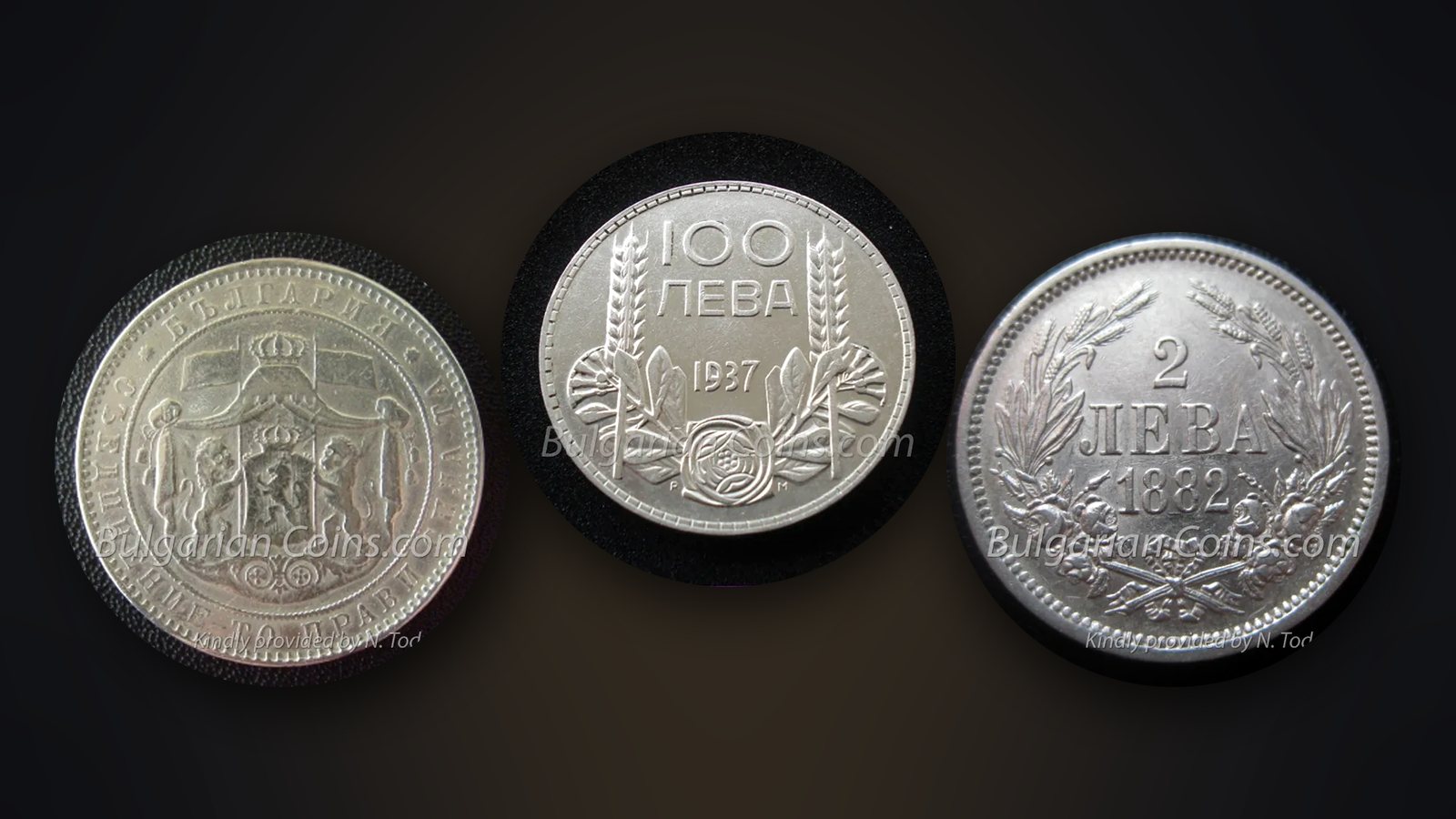
Coins and banknotes are two sides of the same story. Many coin collectors sooner or later start collecting banknotes as well. Banknote collecting has its own name – notaphily. Here is how to take your first steps.
The main eras
1885–1912: the Principality. The Bulgarian National Bank began issuing banknotes in 1885. The first banknotes were printed abroad. They were convertible into gold or silver, which is why they read “leva in gold” or “leva in silver”. See The gold standard in Bulgaria.
1912–1946: the wars and the Kingdom. Issues became frequent. There are banknotes for the war years and for the inflation after the First World War. The portrait of Tsar Boris III appears on some banknotes of the 1930s and 1940s.
1951–1990: the People’s Republic. The banknotes of 1951, 1962 and 1974 follow the denominations and the ideology of the time. See The coins of the People’s Republic of Bulgaria.
1990–1999: hyperinflation. Banknotes of 1,000, 5,000, 10,000 and 50,000 leva – witnesses of the hardest economic years.
1999–2025: the last leva. After the 1999 denomination, banknotes of 1, 2, 5, 10, 20 and 50 leva were issued, and later also of 100 leva. With the introduction of the euro in 2026 they became history.
The grades
| Grade | Meaning |
|---|---|
| UNC | untouched, no folds, with sharp corners |
| AU | almost untouched, a barely noticeable trace |
| XF | one or two light folds |
| VF | several folds, still crisp |
| F | worn, but intact |
| VG–G | heavily worn, with stains or tears |
As with coins, the price difference between a UNC and a worn banknote is large. See Coin grades.
Storage
- Transparent PVC-free sleeves – paper and ink react with chemicals.
- A dark, dry place. Light fades the colours, moisture causes stains.
- Never fold a banknote or smooth it with an iron.
- Do not clean. A cleaned or “washed” banknote loses value.
See also Humidity, temperature and silica gel.
How to start
With the last leva. Now is the ideal moment to set aside one untouched banknote from every series since 1999. In a few years this will be a complete historical collection. See What to do with leftover leva and stotinki.
With one era. For example the banknotes of 1974 or of the hyperinflation. They are cheap and easy to find.
With a theme. Banknotes with portraits of writers, banknotes with views, or banknotes by a particular artist.
Counterfeits
Banknotes are counterfeited too. Check the watermark, the security thread, the intaglio print and the microtext. With old banknotes, beware of replicas sold as “souvenirs” but then resold as originals.
Coins and banknotes together
The most interesting collections combine coins and banknotes from one period. For example the coins and banknotes of 1962 or of 1999. That way the whole story can be seen. In our catalogue you will find the coins of every period, and in the news the latest on BNB banknotes.