Coins of the People’s Republic of Bulgaria: ideology in metal
The coat of arms, the five-pointed star, Georgi Dimitrov and the “1300 Years of Bulgaria” programme – what the coins of 1951 to 1990 tell us
BulgarianCoins editorial team 3 min read
Coins always speak of the power that issues them. With the People’s Republic of Bulgaria (1946–1990) this is especially clear. Coats of arms, five-pointed stars, portraits and anniversaries – everything tells of the ideology of the time. See the period People’s Republic of Bulgaria.
The circulation coins
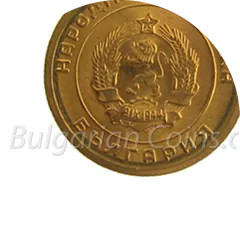
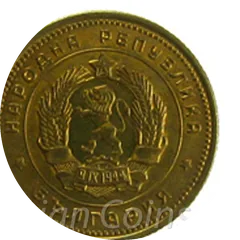
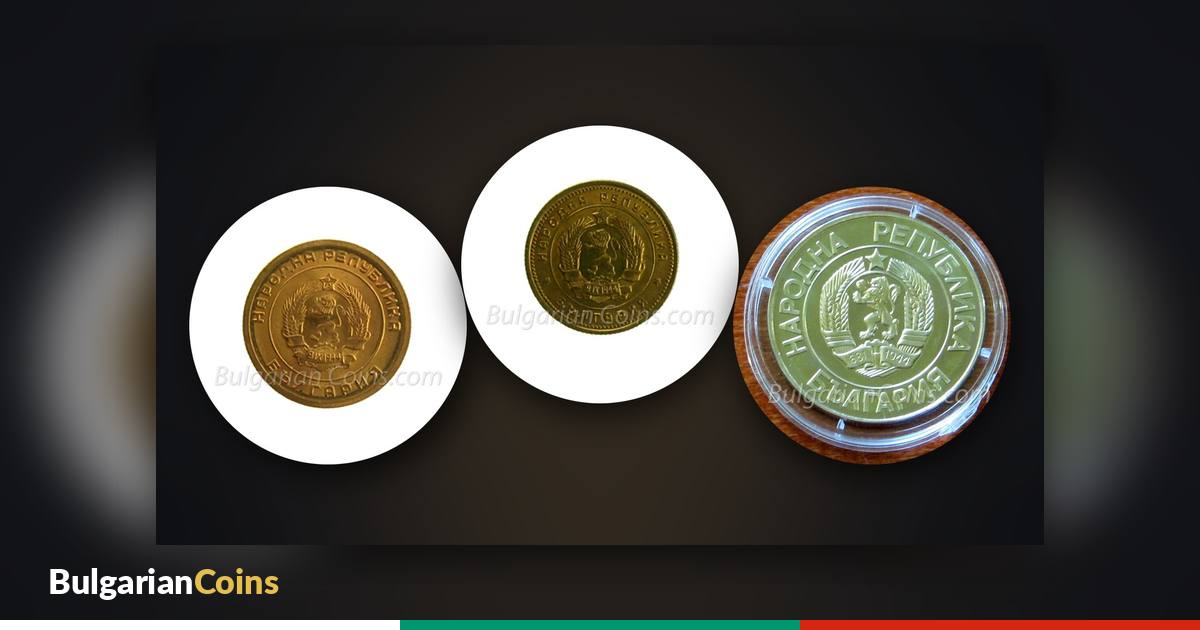
The 1951 issue. The first coins of the People’s Republic – 1, 3, 5, 10 and 25 stotinki – entered circulation with the monetary reform of 1952. They bear the new coat of arms: a lion in a wreath of ears of wheat, with a star above and the date 9.IX.1944. There is no longer a tsar or a crown.
The 1962 issue. After the 1962 denomination, new coins were issued. Their design closely resembles the Soviet coins of 1961. See 2 stotinki 1962 and The denominations.
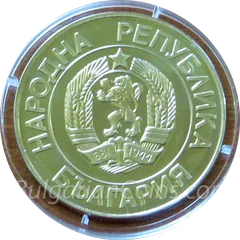
1974. The new series bears the coat of arms of 1971, whose ribbon carries the years 681 and 1944 – a link between the founding of the Bulgarian state and 9 September 1944.
1988–1989. The last circulation coins of the People’s Republic. The 1989 coins, such as the 20 leva 1989, appeared just as the regime fell.
The commemorative coins
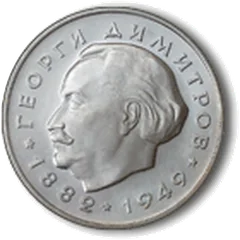
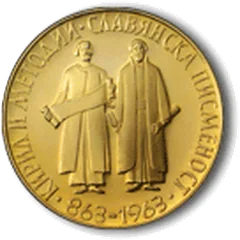
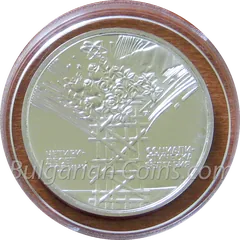
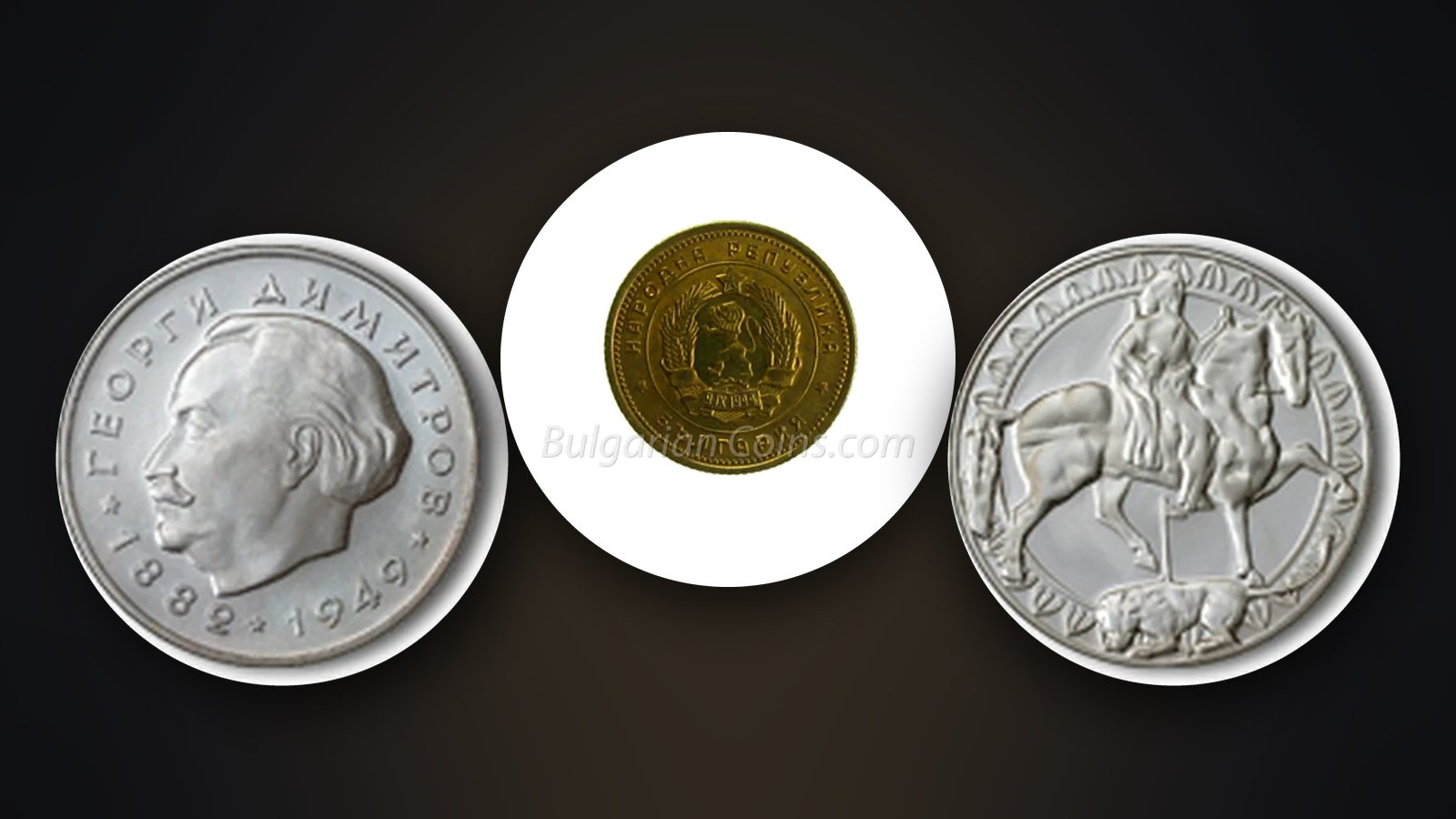
From 1965 the Sofia Mint also struck commemorative coins. The first were for 1100 years of Slavonic writing and for Georgi Dimitrov. The themes show the priorities of those in power:
- Party and revolutionary anniversaries – 9 September, the September Uprising of 1923, 40 years of socialist Bulgaria.
- Figures – Georgi Dimitrov, Vasil Levski, Hristo Botev, writers and scientists.
- Friendship with the USSR – the joint space flights, “Friendship forever”.
- Sport – Olympic Games, world championships. See The Olympic coins.
- International events – the International Children’s Assembly “Banner of Peace”, UNESCO, the UN.
“1300 Years of Bulgaria”
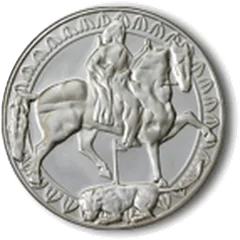
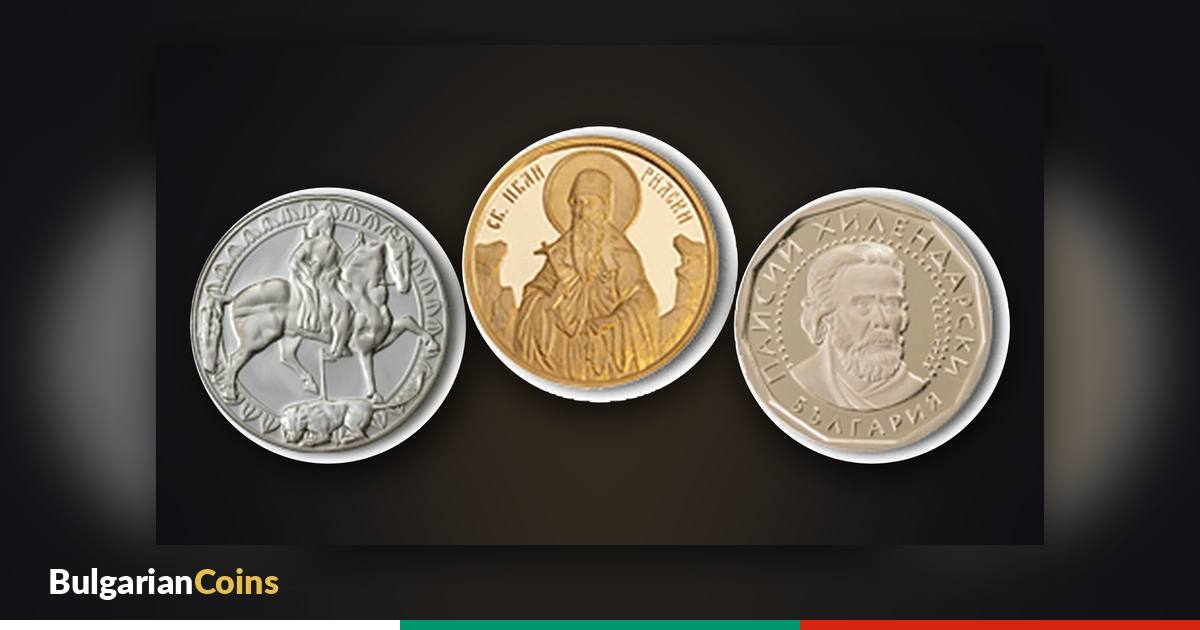
The high point is the programme for the 1300th anniversary of the Bulgarian state in 1981. It includes dozens of coins – from copper-nickel to gold. The Madara Horseman, “Mother and Child”, the Rila Monastery, Ivan Asen II and many others. The programme combines national history with the ideology of the time. In detail – in The “1300 Years of Bulgaria” programme.
The inscriptions and coats of arms
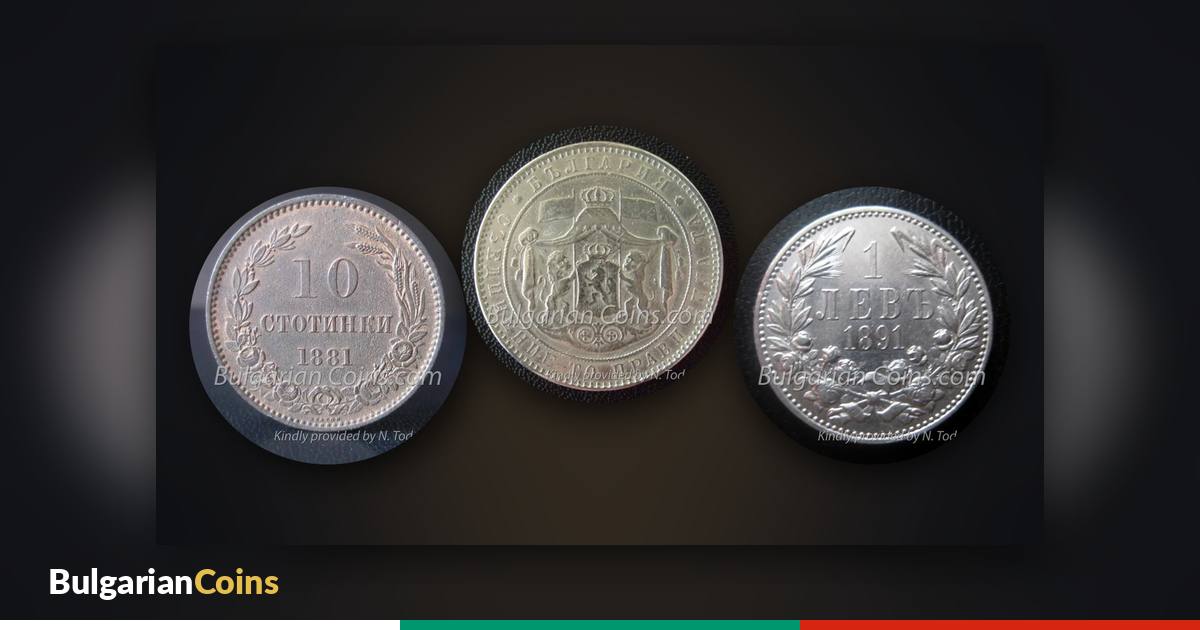
The coat of arms on the coins changed together with the state coat of arms – in 1948 and in 1971. The inscription “НАРОДНА РЕПУБЛИКА БЪЛГАРИЯ” (People’s Republic of Bulgaria), or the abbreviated “НР БЪЛГАРИЯ”, replaced “ЦАРСТВО БЪЛГАРИЯ” (Kingdom of Bulgaria). More about the inscriptions – in The inscriptions on Bulgarian coins.
Prices today
The circulation coins of the People’s Republic are common and cheap. The commemorative silver coins are more sought after, especially in proof quality. The gold coins of “1300 Years of Bulgaria” – such as “Mother and Child” 1000 leva – are among the most expensive. See market prices.
Why collect them
The coins of the People’s Republic are the most affordable way to own a complete collection of an entire period. They are also a document of their time – of how a regime wanted to look. Many collectors start precisely with them, because they remember them from childhood.