Inscriptions on Bulgarian coins: spelling reforms, coats of arms and mottos
From “КНЯЖЕСТВО БЪЛГАРИЯ” with ъ and ѣ to “БЪЛГАРИЯ” on the euro – what the coins say and why it changes
BulgarianCoins editorial team 3 min read
The inscriptions on coins are easy to read but tell a lot. They show what the state is called, who rules it, how Bulgarian is written and what people believe in. Here is how the inscriptions on Bulgarian coins have changed.
The name of the state
| Period | Inscription | Example |
|---|---|---|
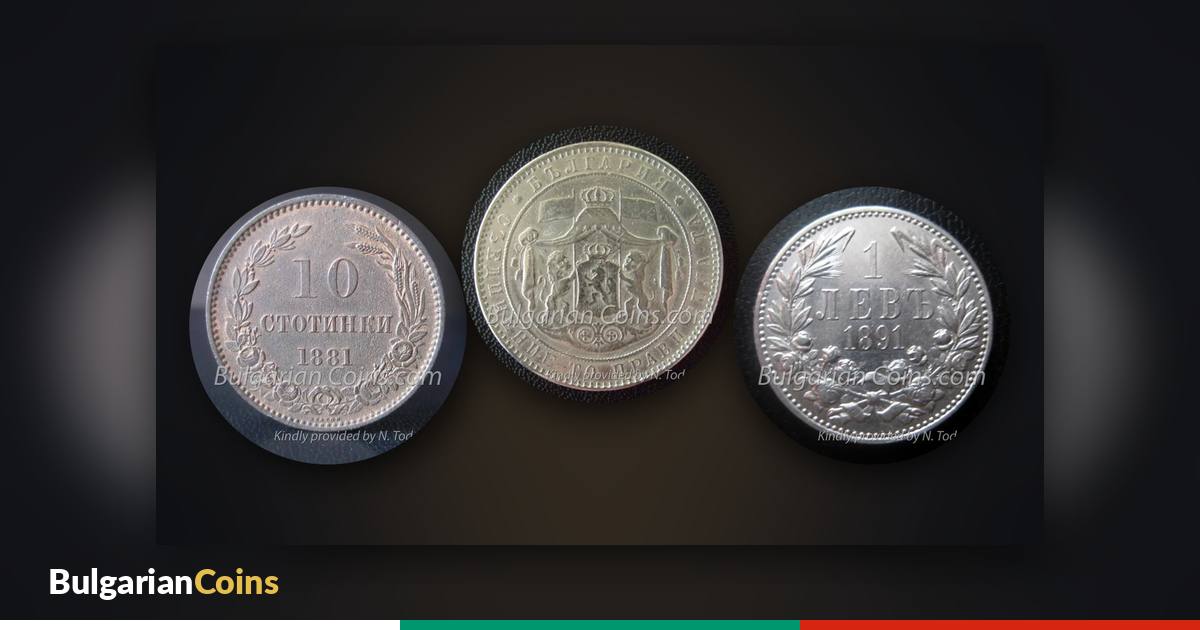
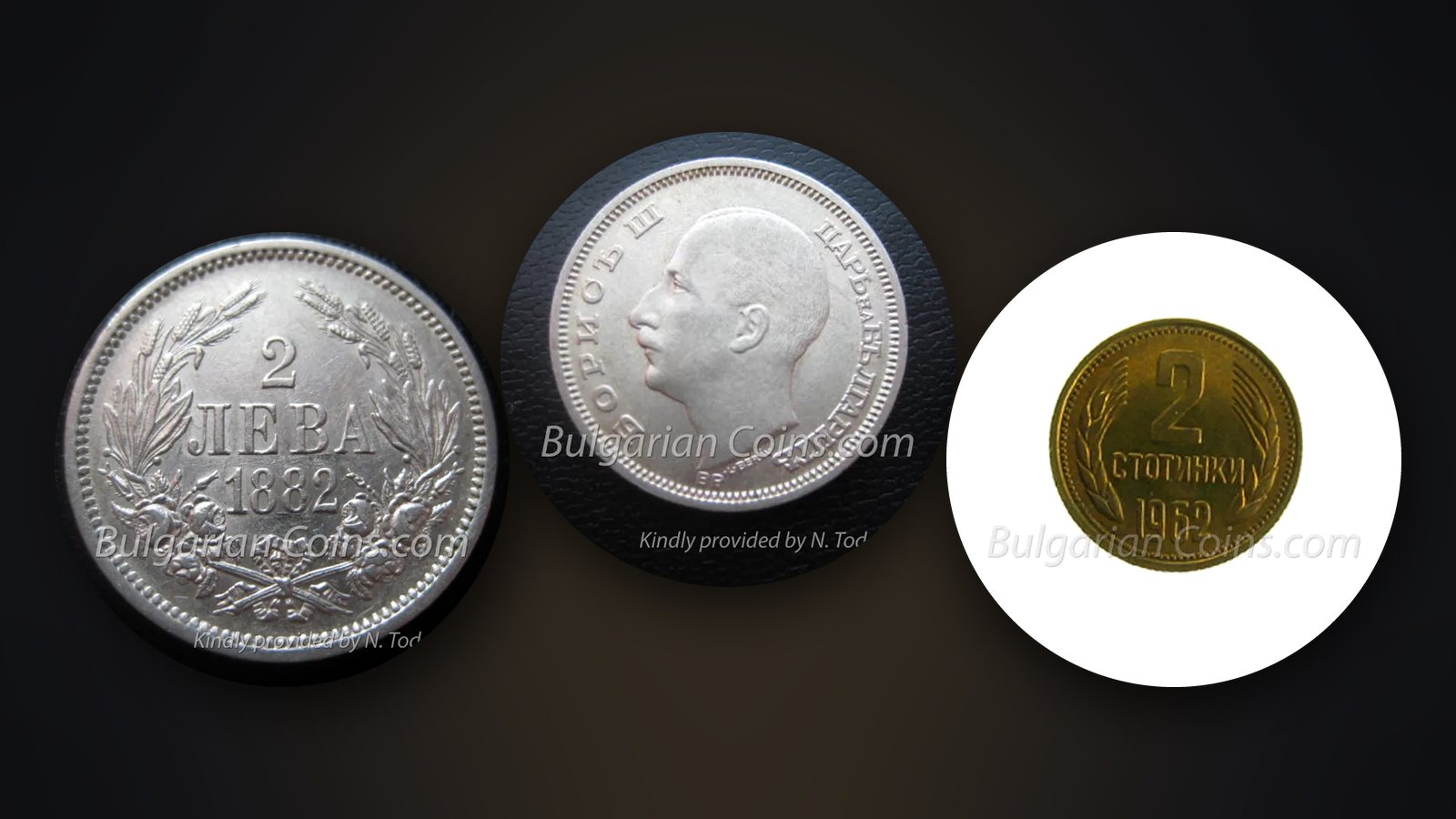
| 1881–1908 | КНЯЖЕСТВО БЪЛГАРИЯ (Principality of Bulgaria) | 2 leva 1882 |
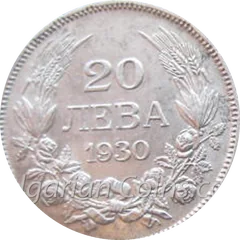
| 1908–1946 | ЦАРСТВО БЪЛГАРИЯ (Kingdom of Bulgaria) | 20 leva 1930 |
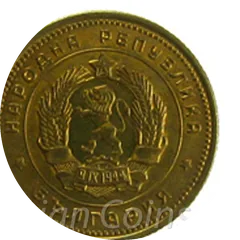
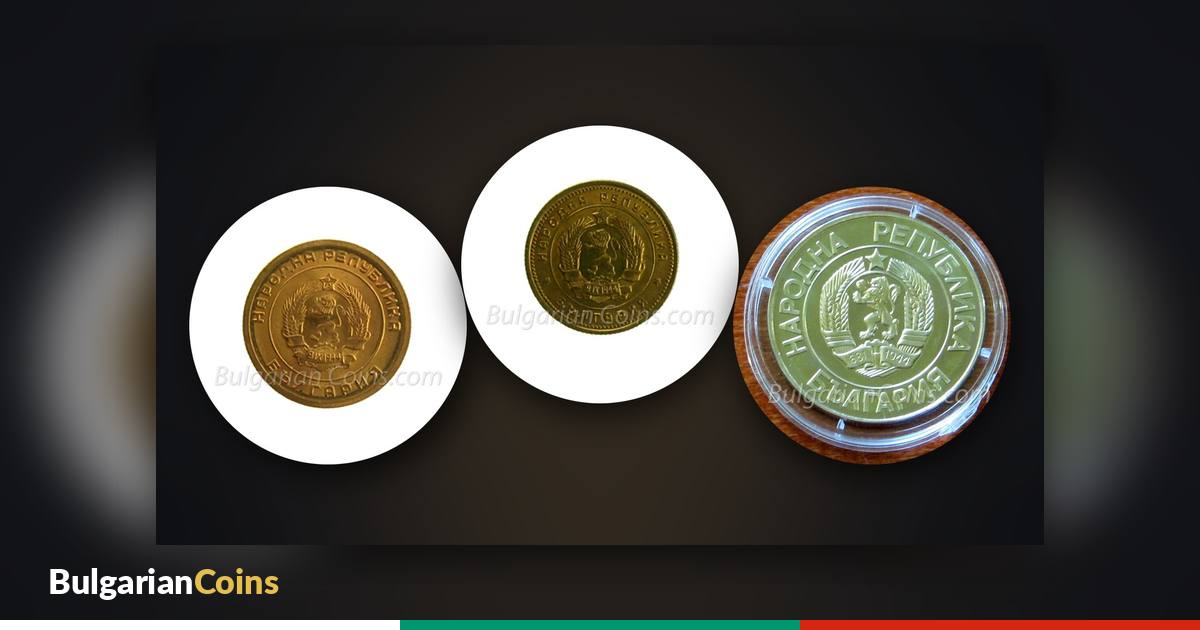
| 1946–1990 | НАРОДНА РЕПУБЛИКА БЪЛГАРИЯ (People’s Republic of Bulgaria) | 2 stotinki 1962 |
| 1990–2025 | РЕПУБЛИКА БЪЛГАРИЯ (Republic of Bulgaria), and on the circulation coins from 1999 – БЪЛГАРСКА НАРОДНА БАНКА (Bulgarian National Bank) | the coins after 1992 |
| from 2026 | БЪЛГАРИЯ (Bulgaria) | the euro coins |
The change from “Principality” to “Kingdom” came with the declaration of Independence on 22 September 1908. That is why the 20 leva 1912 reads “22 СЕПТ. 1908”.
The ruler
The coins of the Principality and the Kingdom bear the ruler’s portrait and name. On the silver coins of Alexander I his title of Bulgarian prince is inscribed. On Ferdinand’s coins – “ФЕРДИНАНДЪ I КНЯЗЪ БЪЛГАРСКИ” (Ferdinand I, Bulgarian Prince), and after 1908 – “ФЕРДИНАНДЪ I ЦАРЬ НА БЪЛГАРИТѢ” (Ferdinand I, Tsar of the Bulgarians). Boris III’s coins have a portrait and the inscription “БОРИСЪ III ЦАРЬ НА БЪЛГАРИТѢ” (Boris III, Tsar of the Bulgarians). After 1946 there are no portraits of rulers.
The old spelling
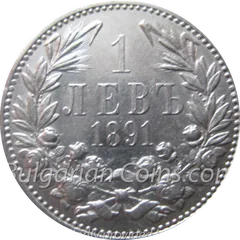
Until the spelling reform of 1945, Bulgarian was written with ъ at the end of words and with the letter ѣ (“yat”). That is why the coins read “ЛЕВА”, but “ЦАРЬ НА БЪЛГАРИТѢ”, “БОРИСЪ”, “ФЕРДИНАНДЪ”. Some inscriptions from the 1930s differ in the details. They are a wonderful starting point for a conversation with children about the history of the language – see Collecting with children.
The edge motto
The edge of the silver coins of the Principality and the Kingdom often bears the inscription “БОГЪ ДА ПАЗИ БЪЛГАРИЯ” (God protect Bulgaria). It is also protection against clipping – if someone cuts off part of the rim, the inscription is broken. In our catalogue the type of edge is given for every coin.
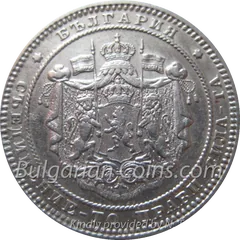
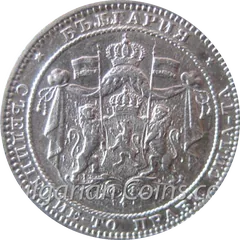
The coat of arms and its motto
The lion has been the symbol of Bulgaria from the Principality to today. The coat of arms, however, has changed:
- Principality and Kingdom – a crowned lion, on the royal coins in a large mantled coat of arms.
- People’s Republic – a lion in a wreath of ears of wheat, with a star, without a crown.
- Republic – from 1997 a crowned lion again, with the motto “СЪЕДИНЕНИЕТО ПРАВИ СИЛАТА” (Unity makes strength) on the ribbon of the large coat of arms.
The face value
“ЛЕВА” and “СТОТИНКИ” have remained almost unchanged since 1881. On the old coins, the singular is written in the old spelling, with ъ at the end. With the euro the inscriptions are “ЕВРО” and “ЦЕНТ” (euro and cent), written in Cyrillic.
The euro
The Bulgarian euro coins read only “БЪЛГАРИЯ” and the year. On the 2 euro the edge bears the inscription “БОГ ДА ПАЗИ БЪЛГАРИЯ” – now in the new spelling. So the motto from the coins of the Principality lives on.
Why it matters to the collector
Inscriptions help you date a coin and spot a counterfeit. A wrong letter, a missing ъ or ѣ where it should be, or an incorrect letter shape are signs of a replica. Compare the coin with the catalogue.