The gold standard in Bulgaria after the Liberation
From the bimetallism of 1880 through the gold coins of 1894 and 1912 to the end of convertibility
BulgarianCoins editorial team 3 min read
Today money is simply trust. At the end of the 19th century, however, every serious currency had to be exchangeable for gold. For the young Bulgarian state this was a matter of prestige and of the confidence of foreign banks.
The beginning: bimetallism
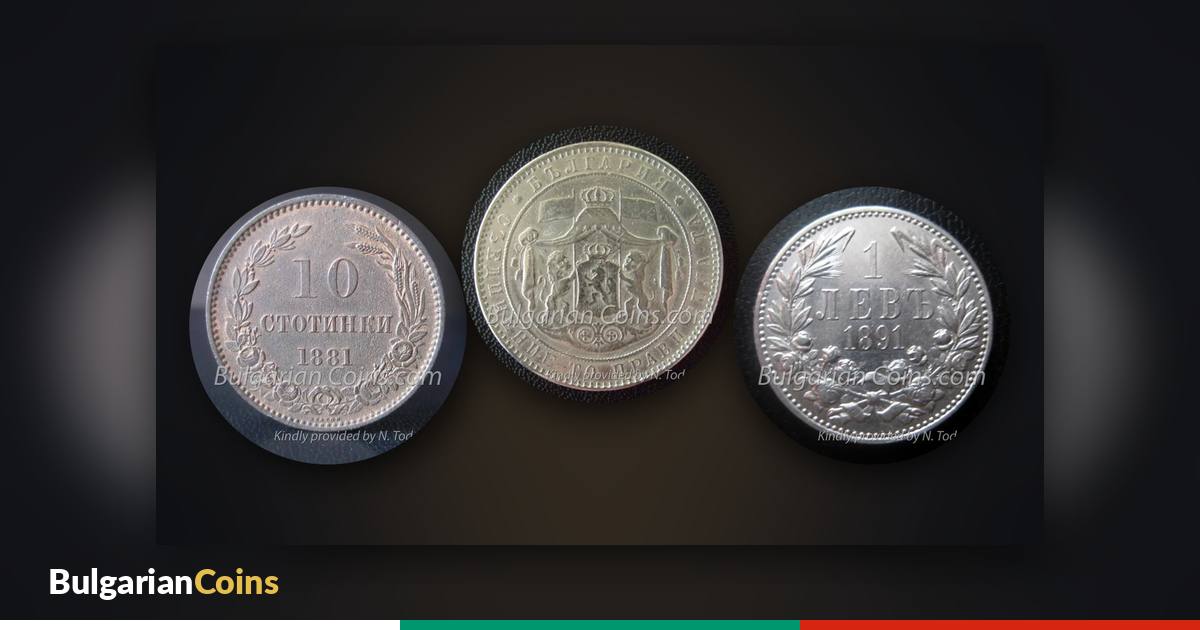
The law of 1880 adopted the model of the Latin Monetary Union – the lev was equal to the gold franc, and money was made of both gold and silver. Banknotes had to be backed by at least one third in gold. In detail – in Bulgaria and the Latin Monetary Union.
Even then, however, the price of silver was falling. In practice the bimetallic system turned into one in which gold was the basis and silver was token coinage.
The first gold coins: 1894
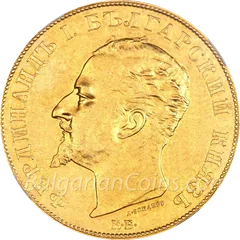
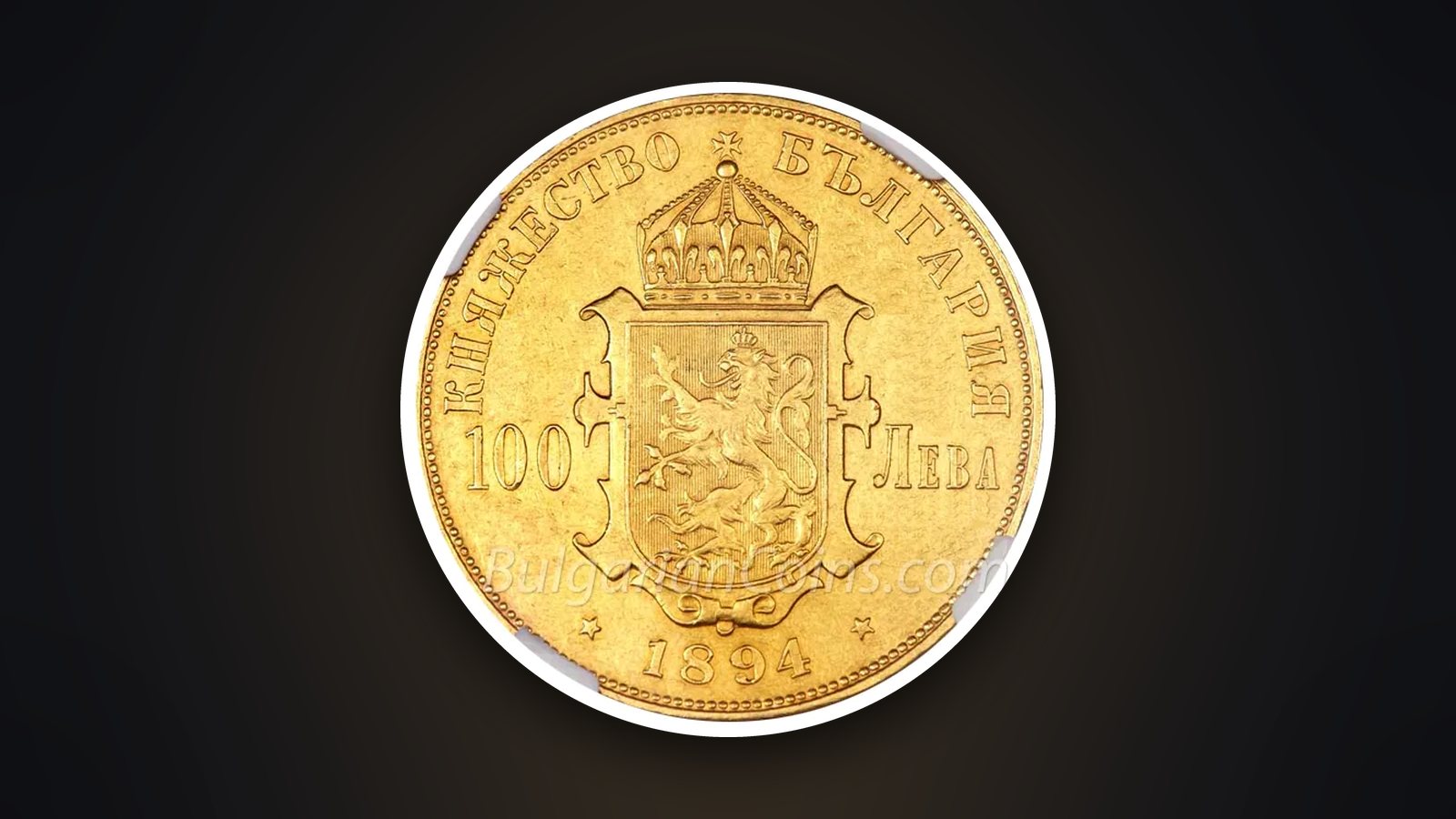
In 1894 Bulgaria struck its first gold coins – the 10 leva, 20 leva and 100 leva, with the portrait of Prince Ferdinand I. The fineness is 900/1000, exactly as on the French coins. The 20 leva contains 5.8 g of pure gold, and the 100 leva 29 g.
The mintages were small: 75,000 pieces of the 10 leva, 100,000 of the 20 leva and only 2,500 of the 100 leva. These coins were not for everyday use. They were a sign that Bulgaria had gold and stood behind its currency.
“Leva in gold” and “leva in silver”
The BNB issued banknotes exchangeable either for gold or for silver. That is why old banknotes read “лева злато” (leva in gold) or “лева сребро” (leva in silver). Banknote collectors still distinguish them today. See Collecting Bulgarian banknotes.
The upheavals
- 1899 – during a financial crisis the BNB suspended the exchange of banknotes for gold. Convertibility was restored after a few years.
- 1906–1912 – the most stable period. The lev was effectively on the gold standard.
- 1912 – five days after the outbreak of the Balkan War the BNB suspended payments in gold (BNB).
The gold coins of 1912
In that same year, 1912, the 20 leva and 100 leva were struck for the 25th anniversary of Ferdinand on the throne and the declaration of Independence. They were the last gold coins struck as money. In detail about them and their later restrikes – in The gold coins of Tsar Ferdinand and Restrikes and originals.
The end: 1919
After the wars, by a law of January 1919, the BNB suspended the exchange of banknotes for gold and silver “until further notice”. That further notice never came (BTA). Since then Bulgarian money has been “fiduciary” – based on trust, not on gold.
The stabilisation of 1928
In 1928, with a stabilisation loan, the lev was given a new gold content. There was no longer any free exchange for gold, however. The coins of the 1930s were in low-fineness silver, copper-nickel and later iron. See The coins of the war years.
What remains for the collector
The gold coins of 1894 and 1912 are the most valuable historical Bulgarian coins. They feature in our ranking of the 10 most expensive Bulgarian coins. If you own such a coin, check whether it is one of the later restrikes and whether it is an original. On each coin’s page you will find both the market prices and the value of the gold at the current price.