Bulgaria and the Latin Monetary Union: why the lev equalled the franc
The law of 1880, bimetallism and why 5 leva weighed exactly as much as 5 francs
BulgarianCoins editorial team 3 min read
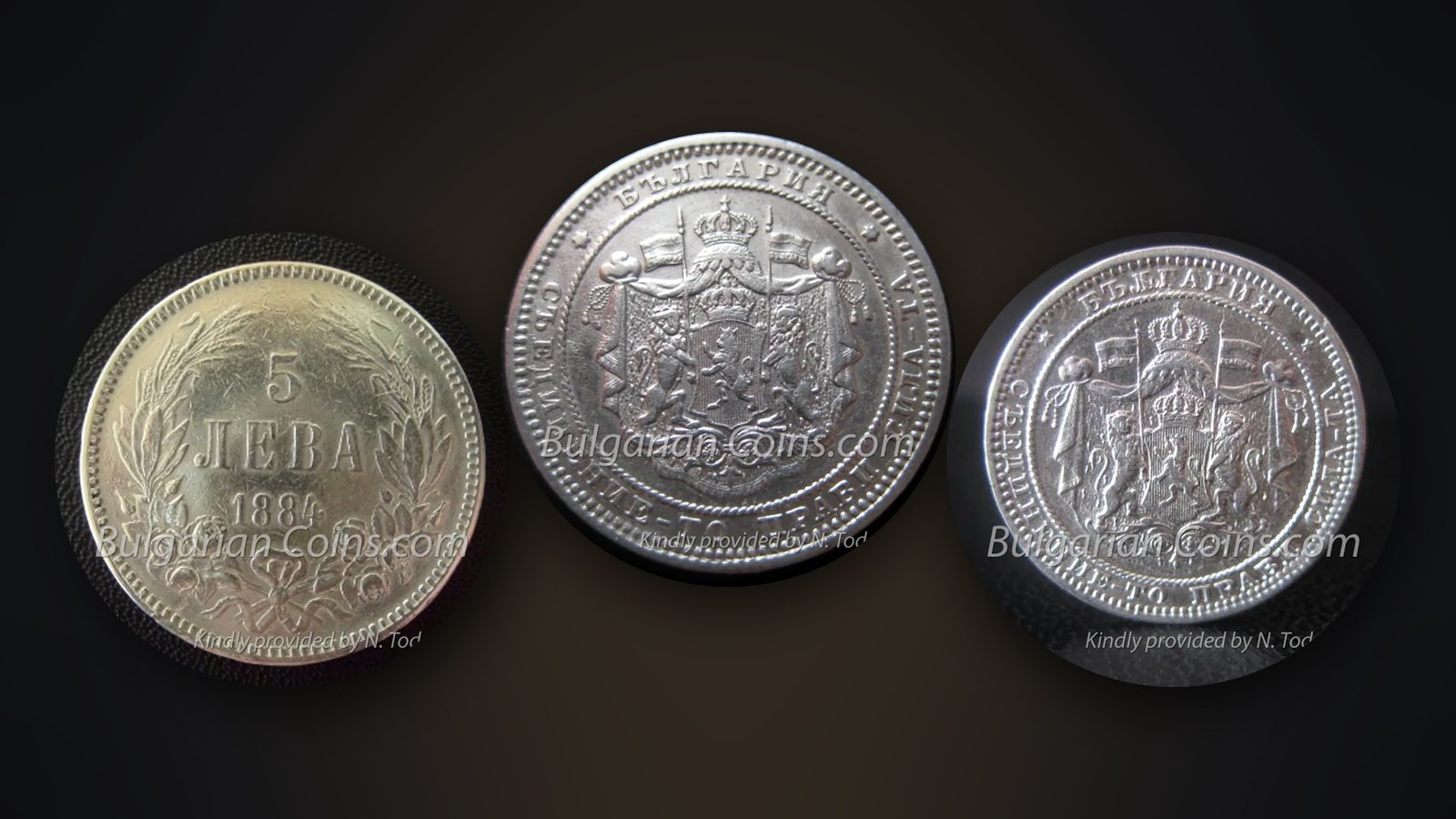
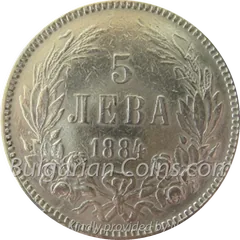
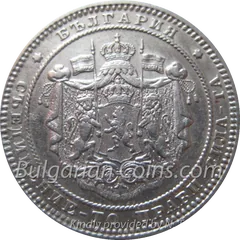
If you put a Bulgarian 5 leva coin of 1884 and a French 5 franc coin of the same time on a scale, you will see the same thing – 25 g of 900/1000 silver. This is no coincidence. It is the result of one of the first decisions of the new Bulgarian state.
The law of 1880
Two years after the Liberation, the Second Ordinary National Assembly adopted the “Law on the Right to Strike Coins in the Principality of Bulgaria”. It was promulgated on 4 June 1880. The law created the lev, divided into 100 stotinki, and provided for coins of gold, silver and copper (Bulgarian Academy of Sciences).
Most importantly: the lev was equal to the gold French franc, and the silver and gold coins were to have the same weight and fineness as the French ones (BNB).
What the Latin Monetary Union was
The Latin Monetary Union was founded in 1865 by France, Belgium, Italy and Switzerland. Greece joined later. The states struck coins of identical weight and fineness, and their coins were freely accepted in all member countries. The system was bimetallic – both gold and silver were money, at a ratio of 15.5 parts silver to 1 part gold.
Bulgaria was not a member of the union. It adopted its rules unilaterally, as Romania and Serbia had done before it (BNB). That made Bulgarian coins easily recognisable and exchangeable throughout Europe.
The identical coins
| Face value | Metal and fineness | Weight | French equivalent |
|---|---|---|---|
| 5 leva | silver 900 | 25 g | 5 francs |
| 2 leva | silver 835 | 10 g | 2 francs |
| 1 lev | silver 835 | 5 g | 1 franc |
| 50 stotinki | silver 835 | 2.5 g | 50 centimes |
| 20 leva | gold 900 | 6.45 g | 20 francs (“napoleon”) |
The 5-leva coin is 900 fine because in the union it was a “full-value” coin. The small silver coins have a lower fineness of 835 – they are token coins.
The problem with silver
By the time Bulgaria adopted the law, the world was already changing. The price of silver was falling, and the major states were moving to gold. As early as 1878 the countries of the Latin Union stopped the free striking of large silver coins. Bimetallism was “limping”.
Bulgaria, too, struck fewer and fewer large silver coins. The last 5 leva are from 1894. In the same year the first Bulgarian gold coins appeared – 10, 20 and 100 leva.
The end of parity
The convertibility of the lev into gold was suspended in 1899 and finally after the outbreak of the Balkan War in October 1912. By a law of January 1919 the BNB stopped exchanging banknotes for gold and silver “until further notice” (BTA). The last silver coins to the union’s standards are from 1916. See The gold standard in Bulgaria.
Why it matters to the collector
- Weight is a test. Bulgarian silver coins of 1882–1916 should weigh exactly as much as the French ones. A deviation is a signal of a counterfeit. See Simple tests for a genuine coin.
- The metal value is easy to calculate. See Metal value vs collector value.
- The history. The coins of this period show a young state that wanted to be part of Europe. See the period Principality of Bulgaria.