Melt value versus collector value: when silver content matters
How much silver and gold there is in old Bulgarian coins and when their price follows the metal and when rarity
BulgarianCoins editorial team 3 min read
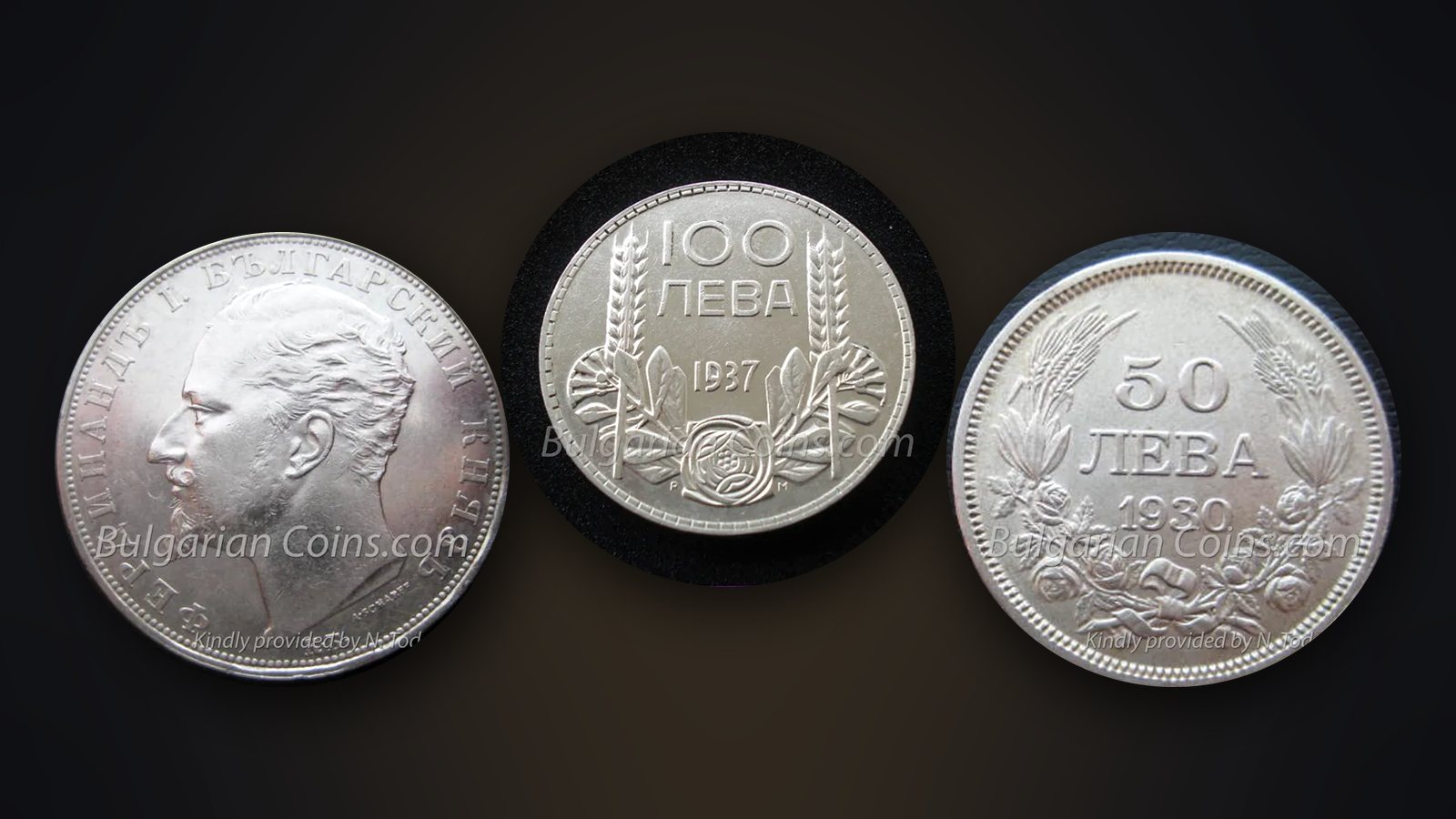
Every silver or gold coin has two values. The first is the metal value – what the silver or gold in it would be worth if melted down. The second is the collector value – what collectors are willing to pay. Sometimes the two are almost equal. Sometimes the collector value is tens of times higher.
How the metal value is calculated
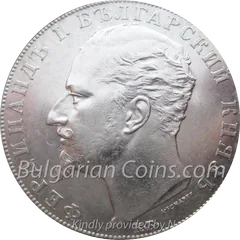
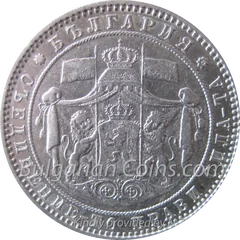
You multiply the weight by the fineness and get the pure metal. Then you multiply by the current price. For example, the 5 leva 1894 weighs 25 g with a fineness of 900/1000. That makes 22.5 g of pure silver. At a silver price of about €50.70 per troy ounce (31.1 g) as of 16.10.2026, that is about €37.
On the page of every silver and gold coin in the catalogue we calculate the metal value automatically at the current price.
Table: metal versus market
| Coin | Pure metal | Metal value | Median listing |
|---|---|---|---|
| 5 leva 1894 | 22.5 g silver | ≈ €37 | ≈ €225 |
| 5 leva 1885 | 22.5 g silver | ≈ €37 | ≈ €215 |
| 2 leva 1912 | 8.35 g silver | ≈ €14 | ≈ €350 |
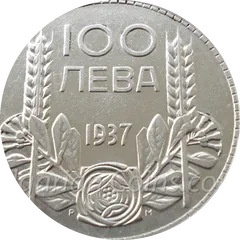
| 100 leva 1937 | 10 g silver | ≈ €16 | ≈ €36 |
| 100 leva 1934 | 10 g silver | ≈ €16 | ≈ €30 |
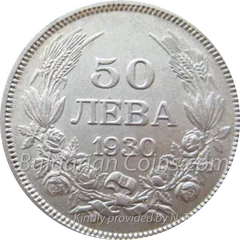
| 50 leva 1930 | 5 g silver | ≈ €8 | ≈ €30 |
| 20 leva 1912 | 5.8 g gold | ≈ €690 | ≈ €4,200 |
Market prices are medians of listings without a certificate on Balkan Auction as of 19.10.2026. See also the market prices for all coins.
When the metal matters
With common silver coins in ordinary condition. The 100 leva of 1934 and 1937 were struck in millions, with a fineness of only 500/1000. Worn coins trade at two to three times the metal value. When silver rises, their price rises with it.
With gold. Even rare gold coins cannot fall below the value of the gold in them. This is the price “floor”. That is why much of the rise in the price of BNB gold coins is due to the metal itself. See Issue price vs market price.
With investment gold. Coins that trade close to their metal value are bought without VAT – see Investment gold coins and VAT.
When the metal hardly matters
With rare years and good condition. The 2 leva 1912 contains about €14 of silver, yet is offered for hundreds of euros. The buyer pays for rarity and condition, not for the silver.
With the coins of the Principality. The 5 leva coins of 1884–1894 are a symbol of the early Bulgarian state. Even worn, they are worth several times their metal.
With graded coins. A coin in MS 64 can be worth a hundred times its metal value.
Important: do not melt
Every year old coins are melted down as “scrap”. In this way rare years and coins in good condition disappear too. Before you sell silver by the kilo, at least check the years on the market prices page. An old coin sold at its metal price has almost always been sold too cheaply.
A rule for the collector
If the coin is common and worn, look at the price of silver. If it is rare, in good condition or from the Principality, look at the market. On every coin’s page we show both values side by side.