Coin jewellery: history and value
Strings of gold coins, pendants and rings with coins – when the jewellery is worth more than the coin and when less
BulgarianCoins editorial team 3 min read
Coins and jewellery have always gone together. In the past a gold coin was money, jewellery and savings all at once. Today coin jewellery is a keepsake, an ethnographic treasure and – sometimes – a collector’s problem.
The history
The gold coins (zhaltitsi)
During the National Revival women wore strings of gold coins – on the chest, on the forehead, on the headscarf. Ottoman, Austrian and French gold coins were used. The string was the family’s dowry and savings. See Coins in Bulgarian customs and Money in the Bulgarian lands before the lev.
Silver jewellery
Silver coins were worn on folk costumes – on aprons, belts and hats. They jingled with movement and were believed to protect against the evil eye.
Pendants
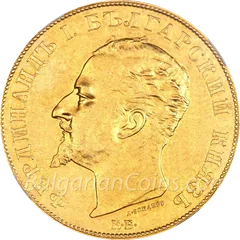
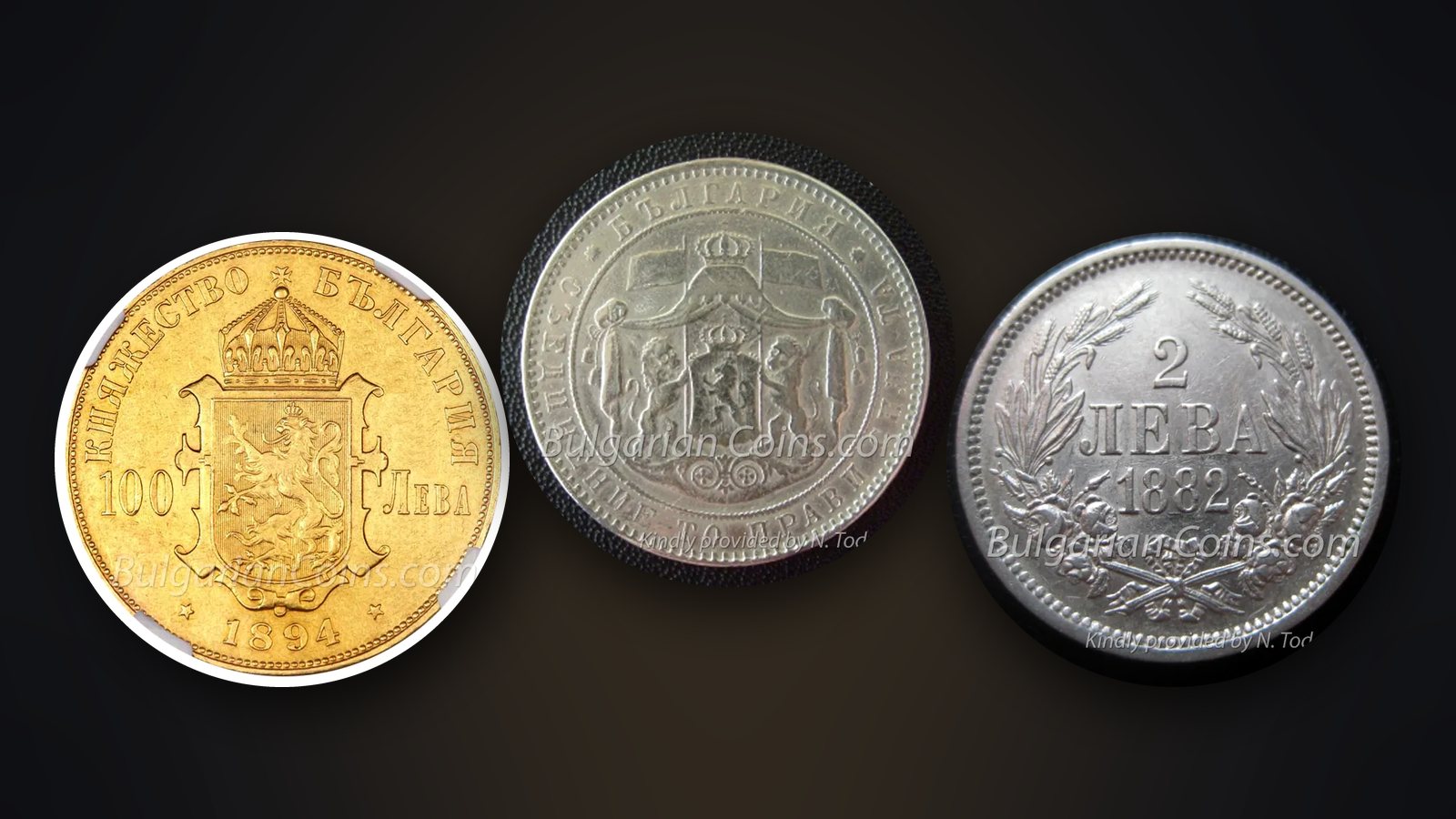
In the 20th century gold coins were set in frames and worn as pendants or rings. Bulgarian gold coins were used too, such as the 20 leva 1894.
How a coin is turned into jewellery
| Method | Effect on the coin |
|---|---|
| Holing | permanent damage – loses much of its numismatic value |
| Soldering a loop | permanent damage, traces of solder |
| A frame without soldering | the coin stays intact and can be taken out |
| Gluing | traces of glue, often removable |
If you want to wear a coin, choose a frame without soldering. That way the coin keeps its value.
How to value coin jewellery
1. Metal value
This is the floor of the price. Weigh the coins – without the frame – and calculate the value of the gold or silver. See Metal value vs collector value.
2. Numismatic value
A holed or soldered coin is worth much less than an intact one. For ordinary coins the value often falls to the value of the metal. For rare coins such as the 100 leva 1894 even a damaged coin has significant value, but far below that of an intact one.
3. Ethnographic value
A preserved string from the Revival era – complete, with its original fastenings – may have value as an ethnographic object. It is sometimes higher than the sum of the coins. Such objects may be cultural property. See Cultural property: when a coin must be registered.
4. Sentimental value
Family jewellery has a value that cannot be measured in money. Think carefully before you split it up or sell it.
Beware: counterfeits
Many “antique” pieces of coin jewellery contain replicas – gilded copies of napoleons, zhaltitsi and Bulgarian coins. Check the weight and the metal. See Chinese replicas and Simple tests for a genuine coin.
If you inherit coin jewellery
- Do not take it apart straight away.
- Photograph it whole and each coin separately.
- Identify the coins – compare them with the catalogue.
- Get a valuation – from a numismatist and, if it is an old string, from an ethnographer at a museum.
- Decide – keep it whole, sell it whole or sell the coins individually.
See also Inherited coin collection.
Modern jewellery
New jewellery with coins is also made today – most often with modern coins or with replicas. It is a gift, not an investment. If you are offered jewellery with an “original old coin”, ask for proof.
In short
Coin jewellery is history you can wear. But if you want the coin to keep its numismatic value, do not hole it or solder it – use a frame.