Money in the Bulgarian lands before the lev
Ottoman grosh, Russian roubles, Austrian thalers and napoleons – what people paid with until 1880
BulgarianCoins editorial team 2 min read
The lev was created in 1880. But people in the Bulgarian lands traded, paid taxes and saved for centuries before that. With what?
The Ottoman monetary system
For five centuries the Bulgarian lands were part of the Ottoman Empire. The basic unit was the grosh (kuruş), divided into 40 para. There were also gold coins – later the lira, equal to 100 grosh. Ottoman coins were made of silver, copper and gold, but their silver content gradually declined. So people preferred more stable foreign coins.
Foreign coins
At markets and fairs, along the trade routes, coins from all over Europe circulated:
- Austrian thalers – especially the Maria Theresa thaler, which continued to be struck after her death with the date 1780.
- French napoleons – gold 20 franc coins.
- Dutch ducats and other gold coins.
- Russian roubles – especially after the Russo-Turkish War of 1877–1878.
During the National Revival women wore coins as jewellery – a string of gold coins around the neck or on the headscarf. In this way the family kept its savings in gold, literally on their person.
1878–1880: the rouble
With the Liberation, the Russian army brought roubles with it. The provisional Russian administration used them for payments, and for several years they were among the most widespread money in the country. Banknotes and coins of different states circulated in parallel.
1880: the lev
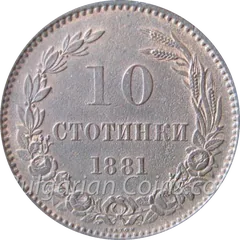
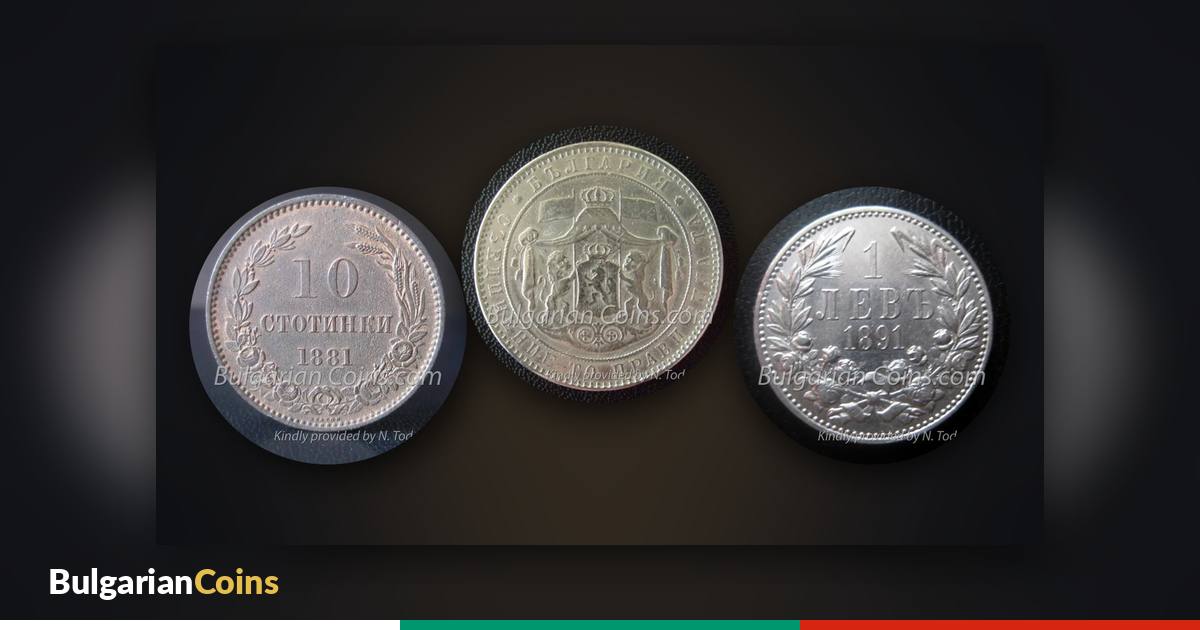
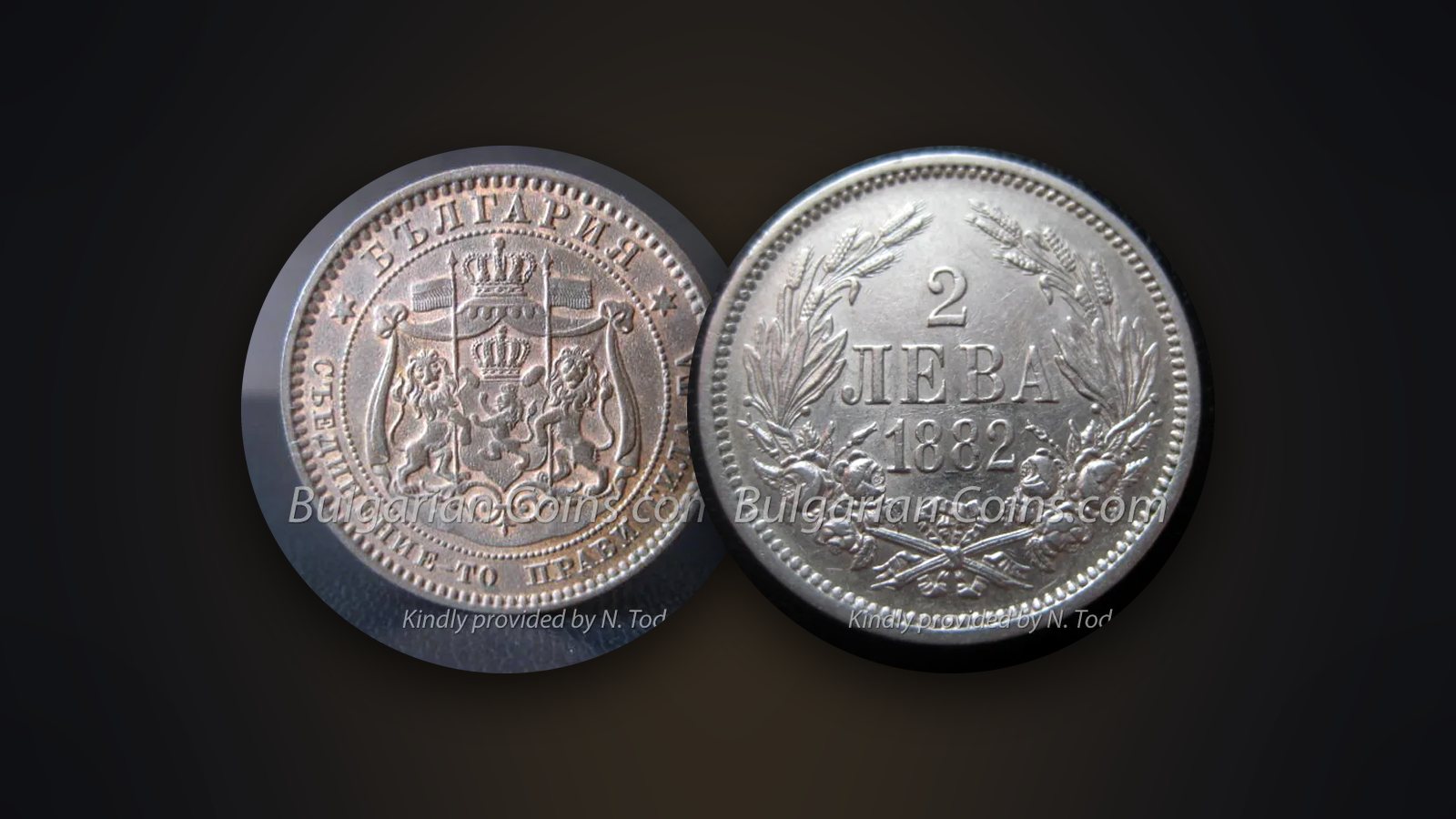
On 4 June 1880 the Law on the Right to Strike Coins was promulgated. It created the lev, equal to the French franc. See Bulgaria and the Latin Monetary Union. The first coins – the bronze stotinki of 1881 – came from Birmingham. The silver 2 leva 1882 and the other leva came from St Petersburg. See The first Bulgarian coins.
The transition
The new currency did not replace the old money immediately. For a long time foreign coins were accepted at fixed rates, especially the more stable gold and silver ones. Foreign silver coins were withdrawn from circulation at the end of the 1880s. So the lev became the only money in the country.
What remains for the collector
- Coin jewellery. Revival-era jewellery with gold coins is an ethnographic treasure. It shows how money was part of everyday life and traditions.
- The coins of 1881–1885. They mark the beginning of Bulgarian monetary history. See the period Principality of Bulgaria and the catalogue.
Why it matters
The story of the lev begins with a motley system in which every merchant had to know the exchange rates of dozens of coins. Creating a currency of its own was a sign of independence – just as important as the flag and the anthem. See also The history of Bulgarian coins.