Coins in Bulgarian customs and traditions
The coin in the banitsa, the bride’s gold coins, the coin under the threshold – how money becomes part of festivals and beliefs
BulgarianCoins editorial team 3 min read
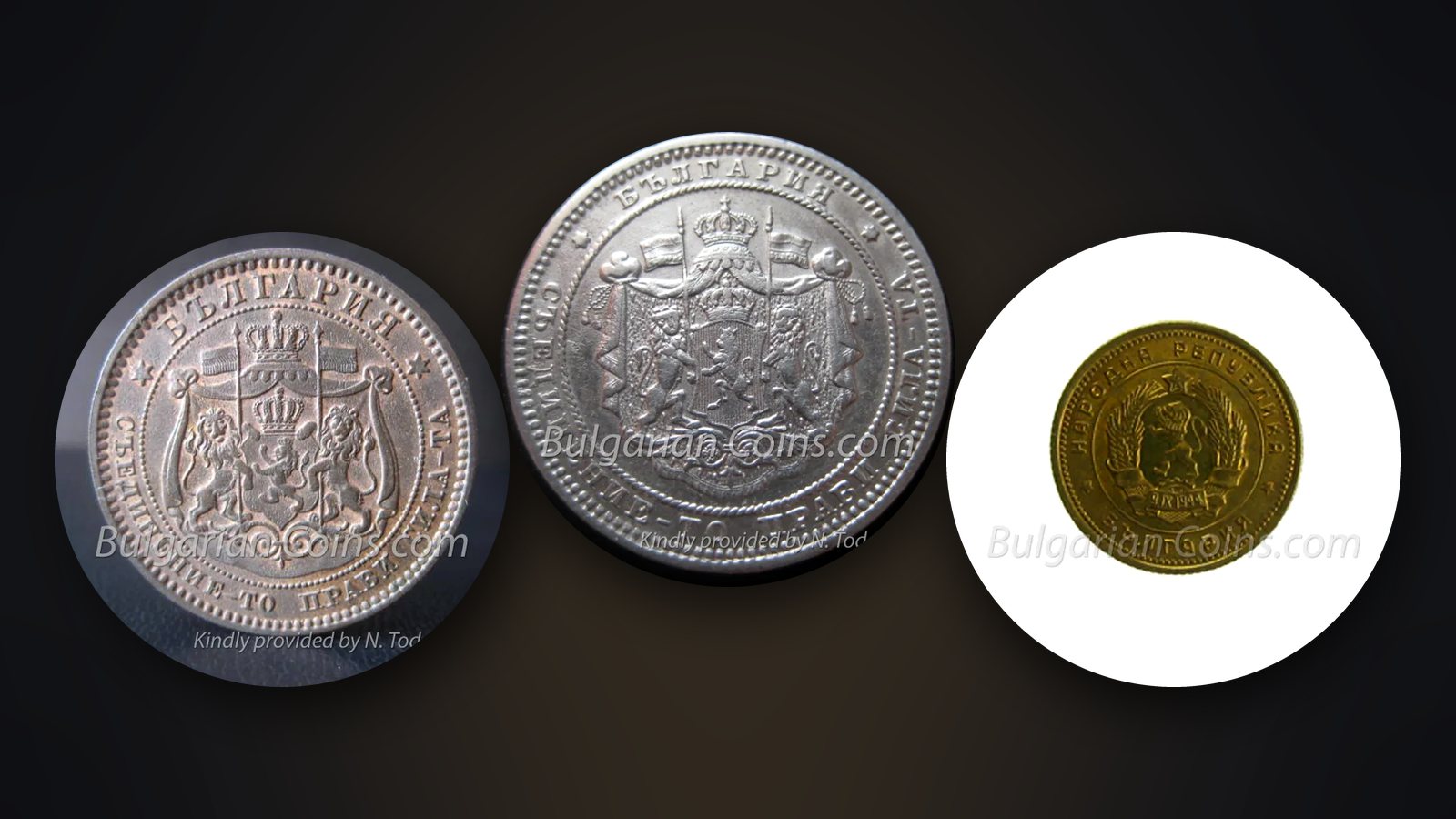
Coins are not just money. In Bulgarian customs they are a symbol of luck, wealth, health and blessing. Here are the best-known traditions in which coins play a part.
The coin in the banitsa and the ritual bread
The best-known custom. At New Year, lucky charms are put in the banitsa – slips of paper with wishes, cornel twigs and a coin. Whoever finds the coin will have wealth during the year. On Christmas Eve a coin is also put in the ritual bread.
A collector’s tip: use a coin you do not mind heating up and putting in food – and wash it well beforehand. Valuable silver coins are not for the banitsa.
The bride’s gold coins
In the past, a bride wore on her chest or head a string of gold coins – zhaltitsi, napoleons, Austrian ducats. This was her dowry, her personal wealth. The more gold coins, the more prosperous the family.
Some of these ornaments survive today. More in Jewellery made from coins.
Coins for a newborn
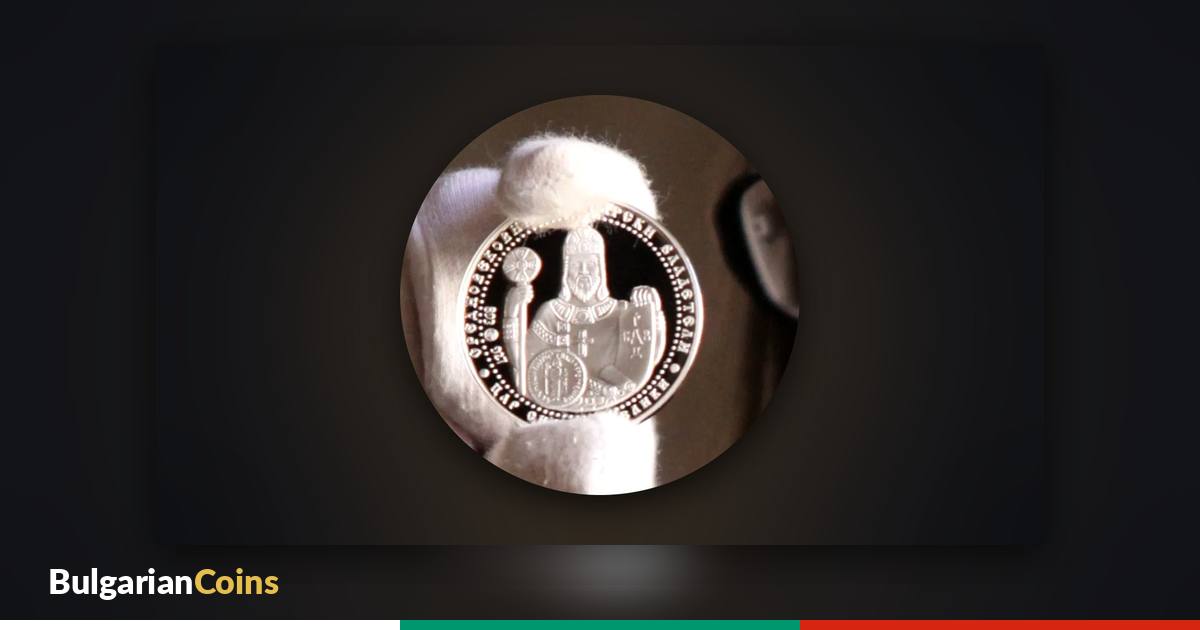
When they first see the baby, relatives leave a coin – for health and wealth. At a christening, the godparent often gives a coin, and today also a commemorative coin with special meaning.
An idea: a commemorative coin from the year of birth is a wonderful gift. See Coins by year.
The coin for a new house
When a new house is built, a coin is placed in the foundations or under the threshold – so that there will be wealth in the home. That is why coins are sometimes found when old houses are renovated. If you find one, see what the law says in Treasure hunting and metal detecting.
Funeral customs
Since antiquity a coin has been placed in the grave – “for the journey”. The ancient Greeks called it Charon’s obol. In Bulgarian funeral customs, coins are placed in the hand of the deceased or beside them. That is why archaeologists often find coins in old graves, which help to date them.
The wedding
At a wedding, guests throw coins over the newlyweds for wealth. Money is pinned to the newlyweds’ clothes or to the wedding banner.
Survakane and koleduvane
The survakari and koledari (New Year and Christmas carollers) receive gifts – food and money. Today it is usually banknotes, but in the past it was coins. The customs have their own coins too – “Survakari” 2002 and “Kukeri” 2020 from the series “Bulgarian Traditions and Customs”. See Thematic collecting.
Coins for luck
- A coin in the wallet that is never spent – “so the money comes back”.
- A coin in a new wallet when it is given as a gift – an empty wallet is never given.
- A coin in a fountain – so that you return to that place.
What this means for the collector
- Holed coins. Many old coins have been holed to be worn as jewellery. They are worth less as numismatic items but have ethnographic value.
- Worn coins. Coins worn for a long time are worn down.
- Stories. Every family coin has a story. Write it down – it is part of the value for you and your heirs.
In short
Coins are woven into Bulgarian customs – from birth to the end of life. They tell us how people thought about wealth, luck and family. See also Money in the Bulgarian lands before the lev.