Patterns and trial strikes: what they are and how to recognise them
Patterns, specimens, “SPECIMEN” and trial metals – the rare coins that were never in circulation
BulgarianCoins editorial team 3 min read
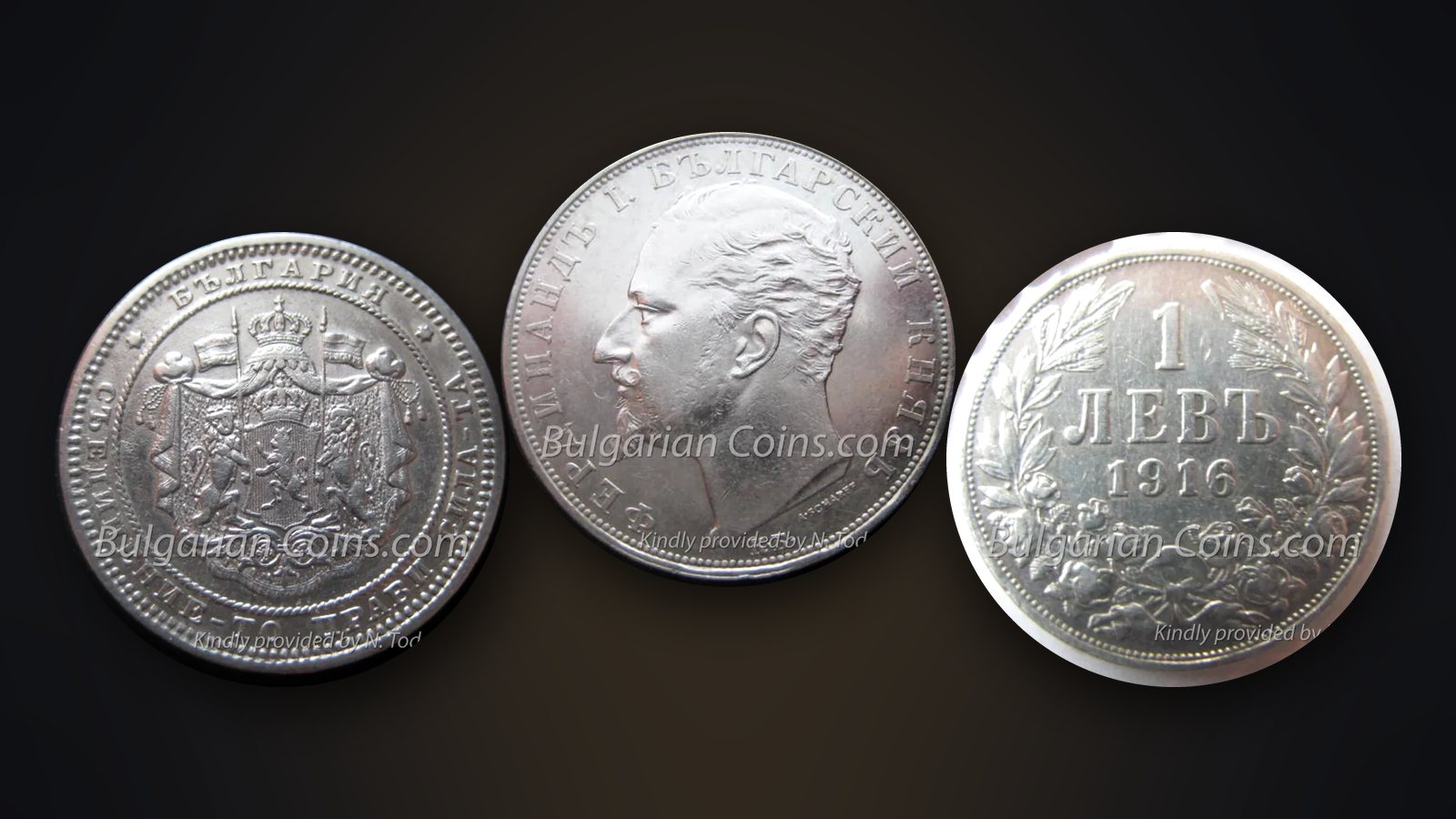
Before a coin enters circulation, it goes through trials. The mint tests the design, the metal and the dies. Some of these trial coins survive and are today among the rarest coins of all.
The types
Pattern
A coin struck with a design that was not approved, or was approved with changes. It may have a different portrait, a different inscription or a different year. Patterns show what the money could have looked like.
Trial strike in another metal
A coin with the approved design, but struck in another metal – for example copper, lead or aluminium instead of silver. The aim is to test the dies without wasting expensive metal.
Specimen
A coin with the approved design, struck for presentation – to the government, banks, museums. It is often of better quality and sometimes bears the inscription “ОБРАЗЕЦ” (specimen), “ПРОБА” (trial) or “SPECIMEN”.
Why they are rare
- Few pieces – usually from one to a few dozen.
- Not for sale – they go to archives, museums or officials.
- Many were destroyed after the final version was approved.
That is why patterns and specimens of historical Bulgarian coins rarely appear on the market, and at high prices.
Bulgarian patterns
For historical Bulgarian coins – especially of the Principality and the Kingdom – trial strikes in various metals and specimens are known. Many of them were struck at the foreign mints that made the coins. See The foreign mints.
Our catalogue describes the main circulation and commemorative coins. Patterns are not included as separate entries, because information about them is incomplete and the pieces are unique.
Our market analysis excludes them
When we calculate market prices from listings on Balkan Auction, we exclude listings containing the words “образец” (specimen) and “specimen” and abbreviations such as SP 65. The reason is that these coins are much rarer and more expensive and would distort the price of the ordinary coin.
How to recognise them
- A different metal – the coin is copper, but should be silver.
- A different weight – matching the metal, not the catalogue.
- An inscription – “ПРОБА”, “ОБРАЗЕЦ”, “SPECIMEN”.
- A different design – details not found in the catalogue.
- Unusual quality – a mirror field on a coin that is normally only for circulation.
Beware: counterfeits
Because they are rare and expensive, patterns are counterfeited. The most common schemes:
- A silver-plated or gilded coin presented as a “trial in another metal”.
- A replica with an invented design presented as an “unknown pattern”.
- An added inscription “ОБРАЗЕЦ” on an ordinary coin.
A genuine pattern almost always has a documented provenance – from a known collection, auction or museum – and often a certificate from PCGS or NGC. Without them, be very cautious. See Should you send coins to NGC or PCGS.
Pattern or error
A pattern is deliberate. An error is accidental. A coin in the wrong metal may be a pattern – or a coin on a wrong planchet. The difference can often only be established by a specialist.
In short
Patterns and specimens are the “pinnacle” of numismatics – rare, expensive and fascinating. If you ever see such a coin, look for documents and a certificate. See also Error coins.