Wear points: where to look on each coin
The cheek, the hair, the lion’s mane and the wreath – how to determine the grade from the highest points of the relief
BulgarianCoins editorial team 3 min read
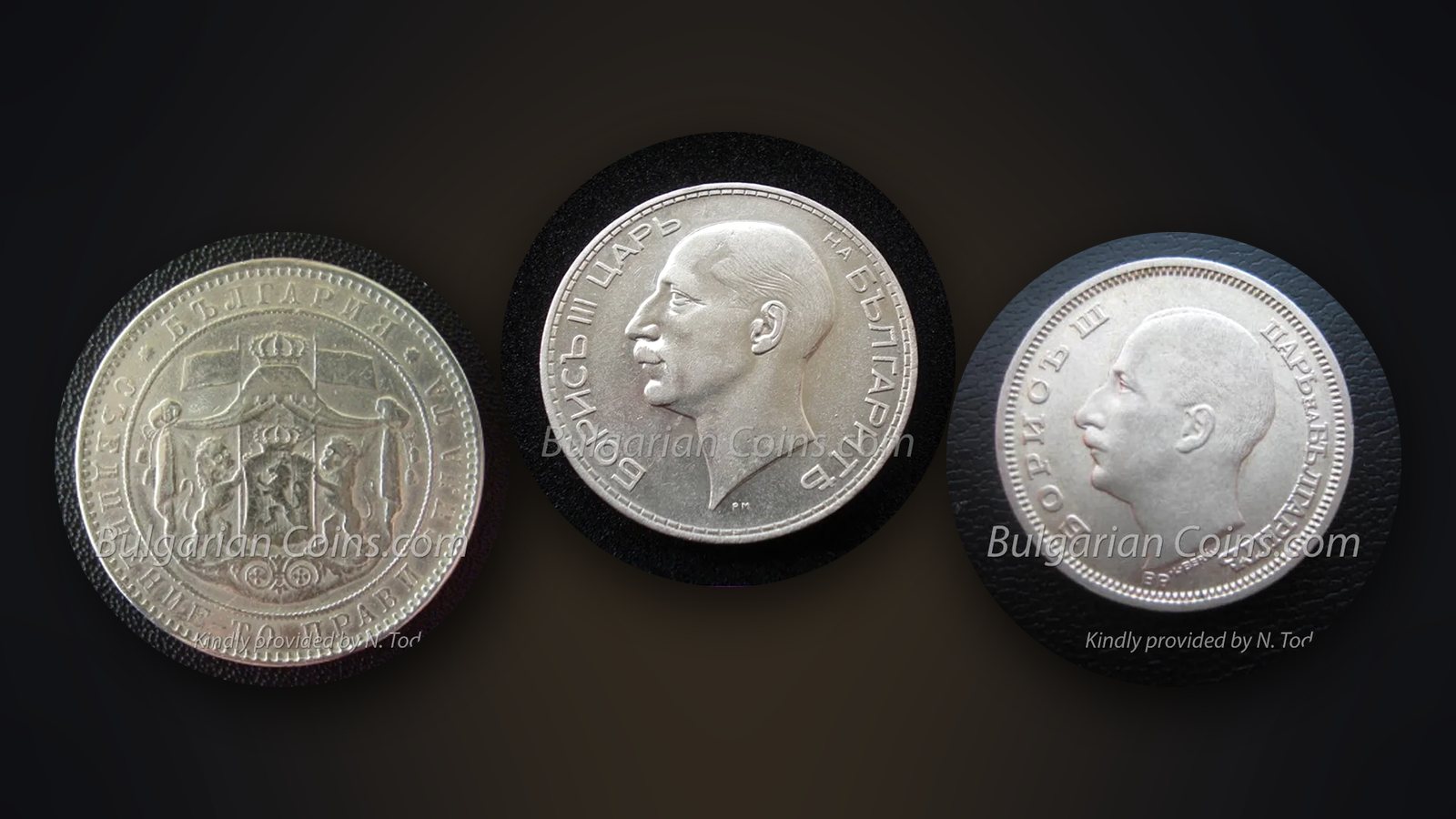
Wear is not even. It starts at the highest points of the relief – those that are first to touch fingers, pockets and other coins. If you know where to look, you will assess condition in seconds. The basics are in Coin grades.
The basic rule
Look at the highest points of the relief under angled light and with a 5–10× loupe. Look for:
- Flattened details – the hair becomes smooth, the lines disappear.
- A change in lustre – a worn point is matt or a different colour.
- Worn letters and numerals – especially at the lower grades.
The portraits: Principality and Kingdom
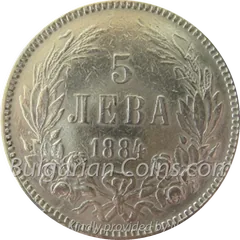
Alexander I – 5 leva 1884 and 1885
On the 5 leva 1884, look at:
- The moustache and sideburns – the first place where the lines disappear.
- The hair above the ear.
- The cheek – on worn coins it is smooth and shiny.
Ferdinand I – 1891–1916
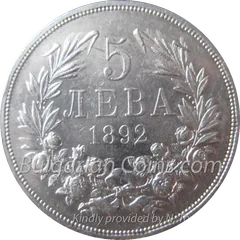
On the 5 leva 1892 and Ferdinand’s other coins:
- The moustache and beard.
- The hair on the crown of the head.
- The ear – its details disappear early.
Boris III – 1930–1943
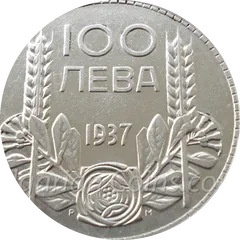
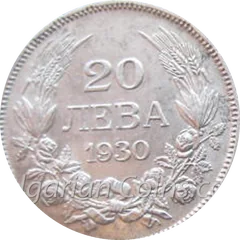
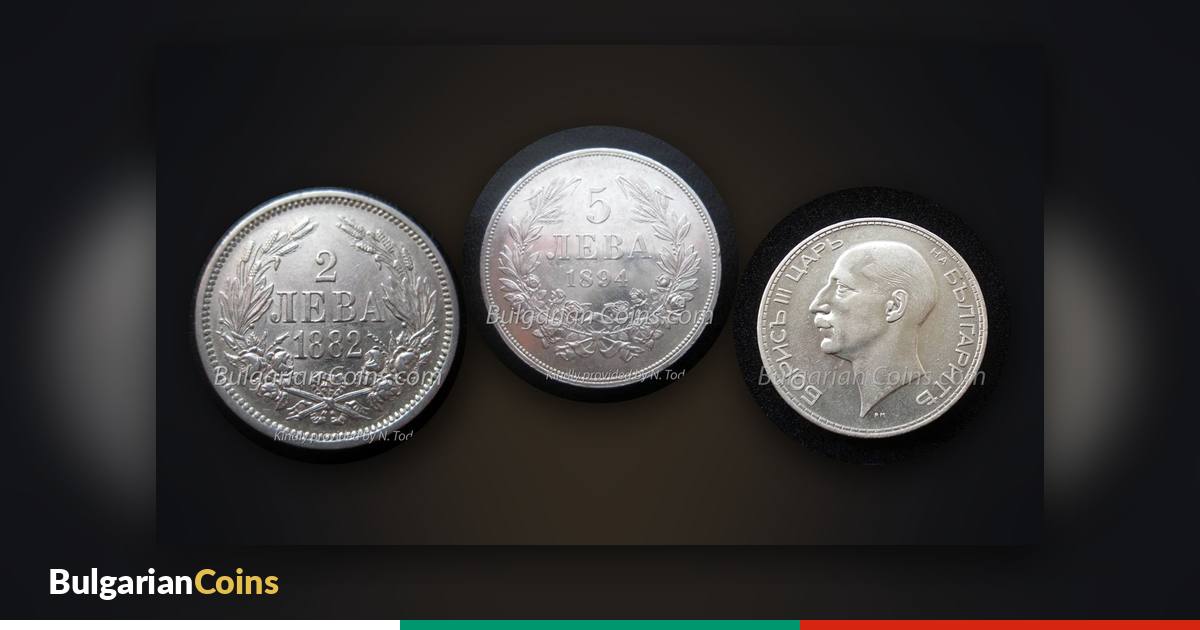
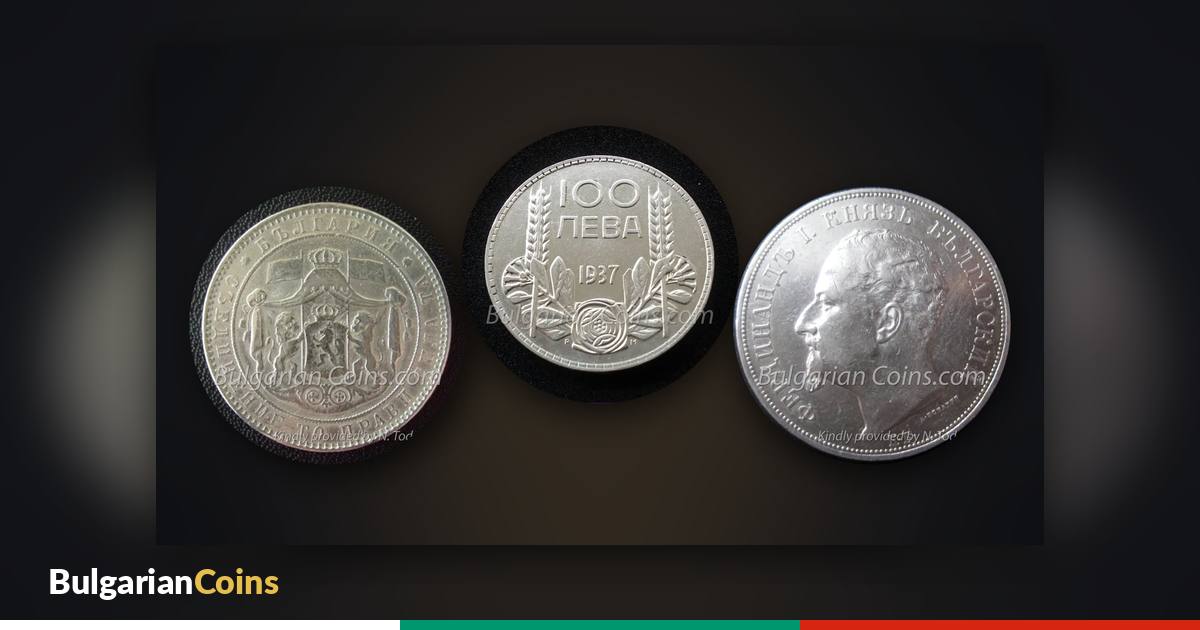
On the 20 leva 1930 and 100 leva 1937:
- The cheek and cheekbone – the highest point.
- The hair above the forehead and above the ear.
- The collar of the uniform, where there is one.
Coats of arms and the lion
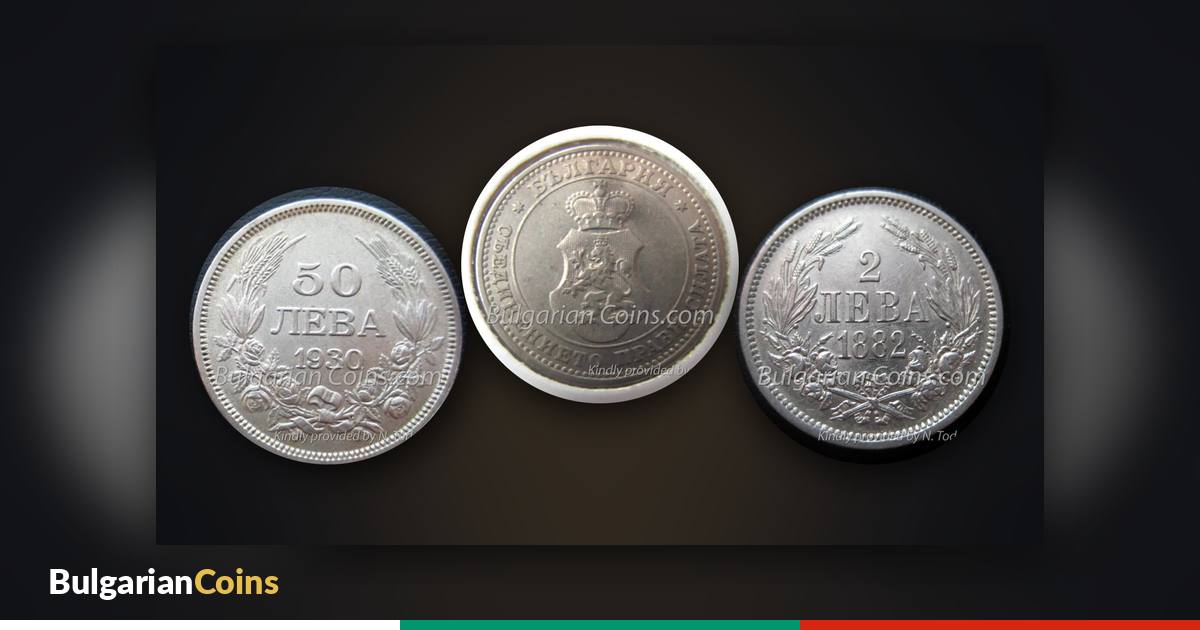
The reverse of many coins has a crowned lion or a coat of arms:
- The lion’s mane – the individual locks disappear.
- The crown – the pearls and the cross on top.
- The paws and tail.
- The mantle – on the large coat of arms the folds flatten.
Wreaths and face values
- The leaves of the wreath – the veins in the leaves disappear first.
- The numeral of the face value – its centre is higher.
- The ribbon around the wreath.
The coins of the People’s Republic
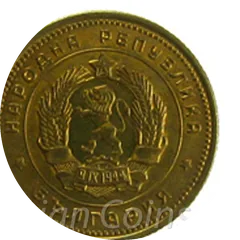
On the coins of 1951–1990, such as the 2 stotinki 1962, look at:
- The lion in the coat of arms – the mane and head.
- The ears of wheat – the grains merge.
- The star above the coat of arms.
The rim and the edge
The rim wears too. The edge inscription, such as “БОГЪ ДА ПАЗИ БЪЛГАРИЯ” (God protect Bulgaria), becomes shallower. Knocks on the rim seriously lower the grade. See What lowers a coin’s grade.
Table: what you see at each grade
| Grade | Portrait | Lion and coat of arms |
|---|---|---|
| MS | no wear, full lustre | all locks clear |
| AU | barely noticeable rubbing on the cheek | slight rubbing on the mane |
| XF | slight wear on the hair and beard | the mane is slightly flattened |
| VF | the hair is partly smooth | half the locks have disappeared |
| F | most details of the hair have disappeared | the mane is smooth |
| VG | the outlines of the portrait are clear, no details | only the silhouette |
Modern proof coins
Proof coins have no wear in the usual sense. With them you look for fingerprints, spots, scratches on the mirror field and “clouds”. See Milk spots on silver proof coins and Proof, proof-like and BU.
Weak strike or wear
Sometimes a detail is missing because the coin was weakly struck, not because it is worn. A weak strike leaves the detail indistinct, but the surface keeps its original lustre. Wear makes the surface matt and smooth.
An exercise
Take two coins of the same type in different condition. Compare them with a loupe point by point. After a few such comparisons you will recognise the grade immediately. See also How to assess condition yourself and The essential tools.